Rincón tide times
Rincón tide forecast — heights relative to MSL.
Today's tide times for Rincón
Tide times at Rincón on Tuesday, 4 August 2026: first low tide at 06:00am, first high tide at 12:45pm. Sunrise 06:07am, sunset 07:02pm.
Tide chart for Rincón
24-hour cosine-interpolated curve around the present moment. Heights relative to MSL. Predictions: Predictions: Open-Meteo Marine (MeteoFrance SMOC, 0.08° grid).
Sun, moon and conditions on Tue 04 Aug
Snapshot at build time — refreshes daily. Sea state from Open-Meteo Marine.
Highs and lows next 7 days
Every predicted high and low for the next week, with the daily tidal coefficient (0–120; higher = bigger swing, > 95 means stronger currents).
Other spots nearby
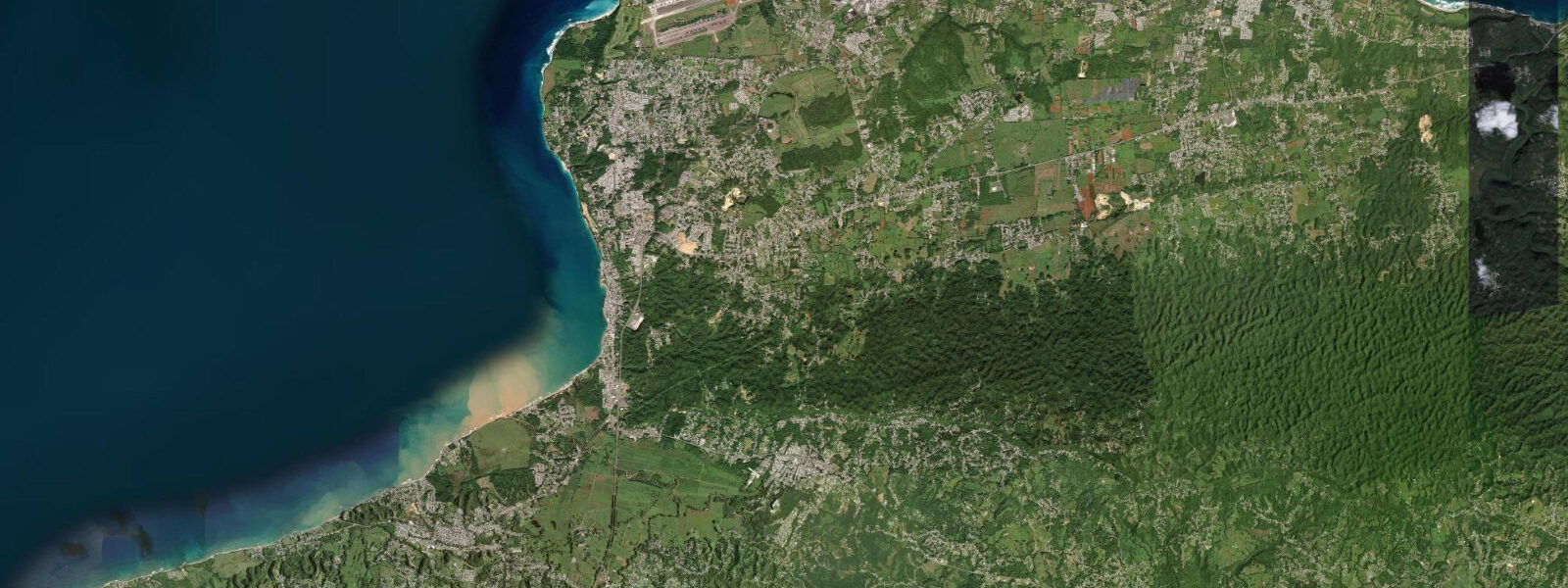
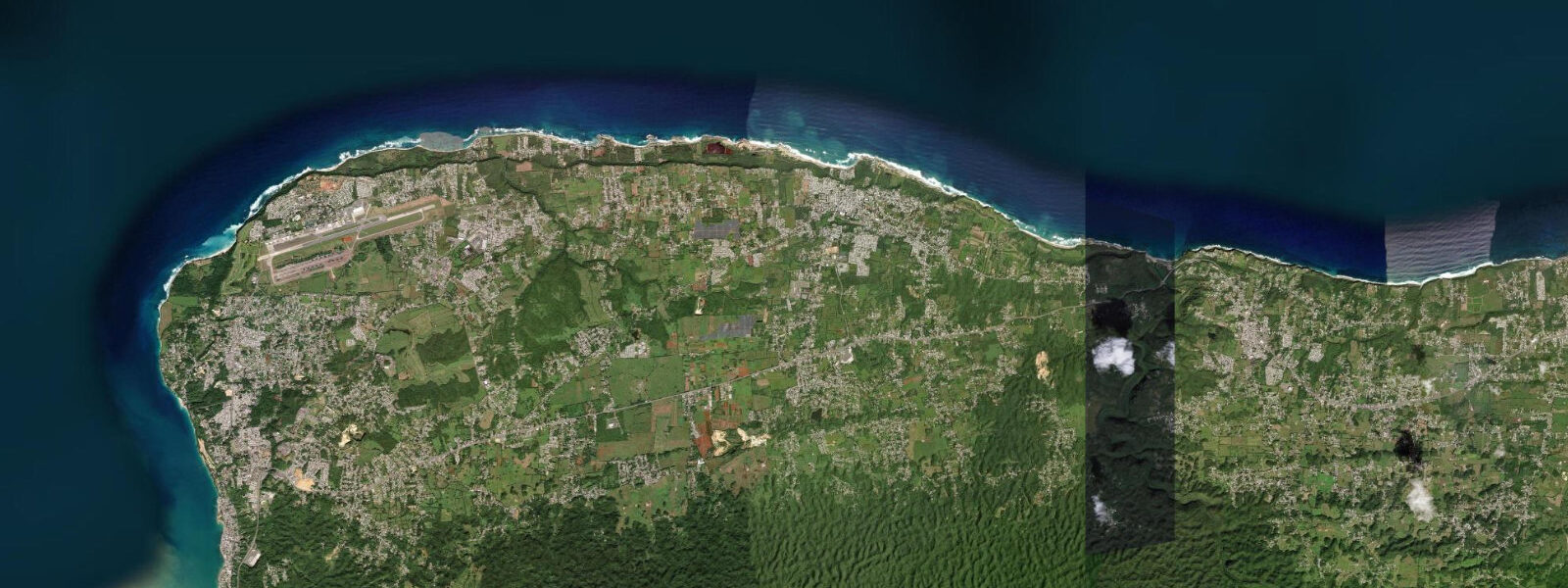
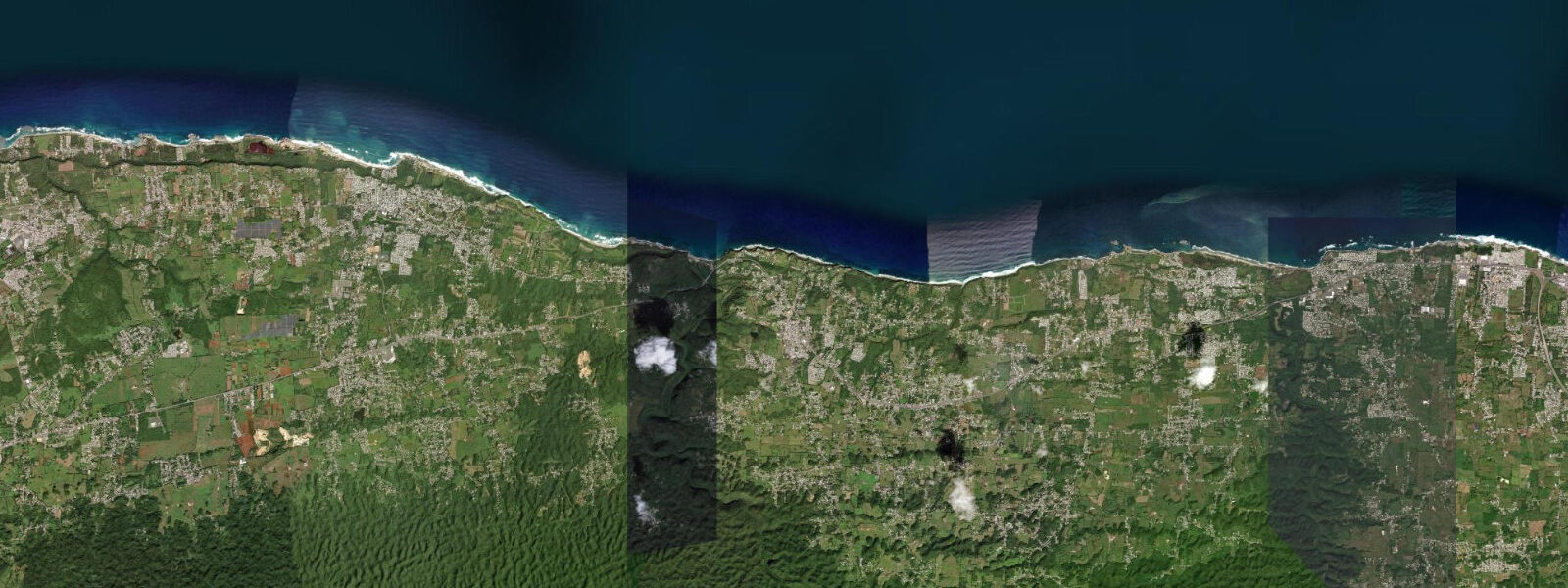
The three closest curated TideTurtle locations to Rincón, measured by great-circle distance.
Today's solunar windows
Solunar tradition: major periods are the ≈3h windows around moon transit and opposition; minor are ≈2h around moonrise and moonset. Pair with the local tide stage and wind for the best read.
Cycle dates near Rincón
Next spring tide on Sun 09 Aug (range 0.5m). Next neap on Wed 05 Aug.
Spring tides cluster around new and full moons (biggest swings). Neap tides land on quarter moons (smallest swings). See the spring tide and neap tide glossary entries for the why.
About tides at Rincón
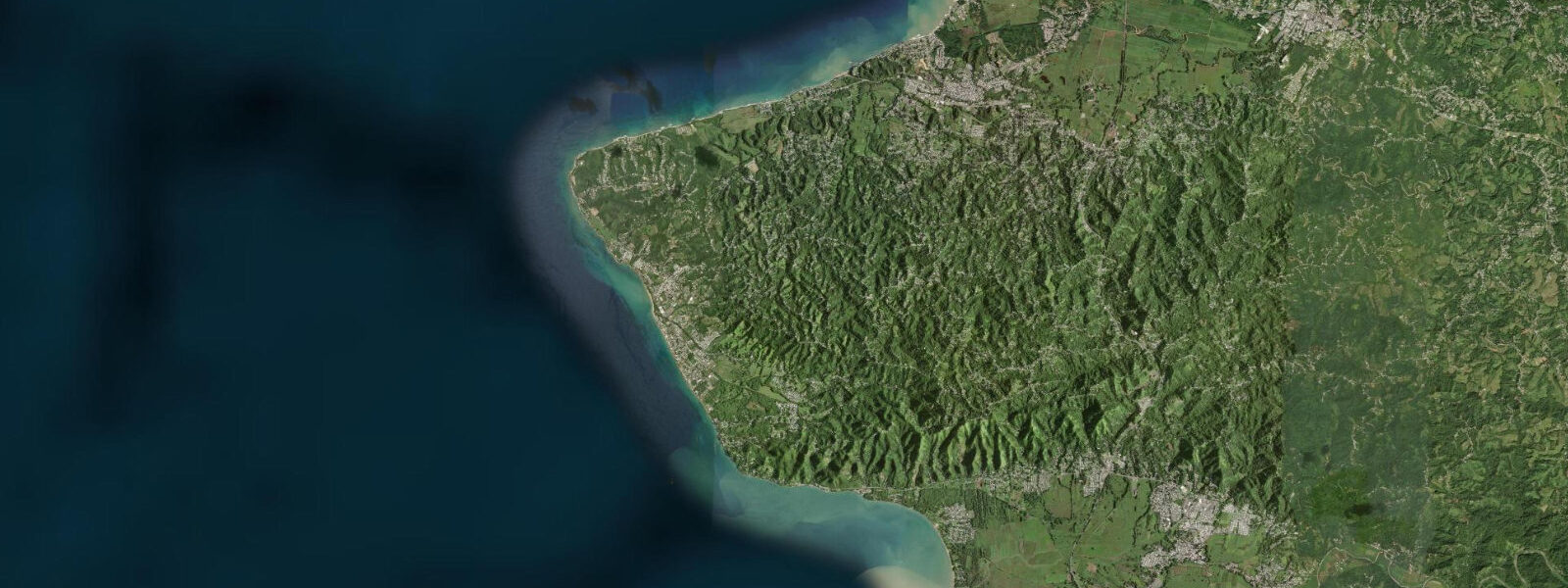
A short guide to the coastline at Rincón — geography, sea state, and what the tide is actually doing under your feet.
Rincón occupies the northwest corner of Puerto Rico where the Atlantic Ocean and the Caribbean Sea exchange water through the Mona Passage — the 130-kilometre-wide channel between Puerto Rico and the Dominican Republic. This geometry concentrates North Atlantic winter swell onto a west-facing coastline that has built Puerto Rico's surf culture since the 1960s. The 1968 World Surfing Championships were held at Rincón's Domes beach, establishing the town as the western hemisphere's answer to the North Shore. The surf season runs November through March when north and northwest Atlantic groundswell tracks south; summer brings smaller, more variable wind swell from the east.
The tidal regime at Rincón is mixed semidiurnal with a spring range of approximately 0.4 m above Chart Datum — on the boundary between the Atlantic north coast character and the Caribbean southwest coast's slightly smaller range. Mean high water springs reaches approximately 0.3–0.4 m above Chart Datum; mean low water springs sits near 0.0 m. The tidal range is small enough that it is secondary to swell, wind, and current as the dominant surf condition variable. However, tidal phase has a real and local effect on specific breaks along Rincón's reef-lined coast.
The main breaks at Rincón are reef breaks over irregular limestone and coral. Domes, named for the dome of the nearby decommissioned nuclear plant (BONUS reactor, shut down 1968), is the most consistent big-wave break and handles the largest winter swell. Steps is a high-performance reef suitable for experienced surfers that works best at mid-to-high tide when the shallower sections of the reef are covered. Indicators, 1 km north of Domes, is a long right-hander that can produce 200-metre rides on a good north swell and works best at mid-tide — too low and the shallow inner reef sections end the ride prematurely. María's Beach is the most accessible break for intermediate surfers and works across the full tidal range, though high water smooths the wave face and low water steepens the shore-zone. The general pattern for Rincón's reef breaks: low tide produces faster, hollower, shorter rides over shallower reef; high tide produces longer, more forgiving waves with more comfortable entry and exit through channels.
Whale watching from January through March brings a second audience to Rincón. Humpback whales use the Mona Passage as a calving and mating ground during these months, and Rincón's position at the northern entrance to the passage makes it one of the best shore-based whale-watching points in Puerto Rico. Whales are visible from the lighthouse at Punta Higuero and from the beaches on the northern side of town. Boat-based whale watching operates from the Rincón harbour — a small shelter on the lee side of the point with depths sufficient for small vessels at all tidal stages. The 0.4 m tidal range does not constrain harbour access for typical whale-watch vessels.
For paddlers, the Mona Passage current adds a variable beyond the local tidal signal. The passage carries a westward-flowing surface current of 0.5–1.5 knots that interacts with the tidal ebb from the shallower shelf waters. Kayakers and paddleboarders working the Rincón shoreline north of the point find the current manageable in the morning when trade wind is lightest; the afternoon northeast trade wind builds against the passage current and creates confused chop off exposed headlands by 13:00–14:00.
Anglers at Rincón fish the rocky points and reef structure north of town for snapper and jacks on the ebb tide. The Mona Passage itself carries wahoo and tuna year-round, with the winter months producing the best offshore conditions from small charter boats out of Rincón harbour. Bottom fishing on the reef patches inside the 30 m contour is productive at the tidal change — the hour around low water when current reverses and fish reorient to the new direction.
Families and casual beach visitors concentrate on Sandy Beach and María's Beach on the southern and central sections of the Rincón waterfront. Both beaches face west and northwest, making them optimal for sunset watching — Rincón's sunsets are the reason half the town's restaurants face west. At high spring water Sandy Beach narrows to 15–20 m; at low spring water it expands to 30–35 m. Evening low tides through winter months coincide with the best sunset timing and produce the widest beach strip for spectators.
All tide predictions for Rincón come from the Open-Meteo Marine gridded model. Timing accuracy is ±45 minutes; height accuracy is ±0.3 m above Chart Datum.
Tide questions about Rincón
Quick answers to the most common questions about tide times, range, and water access at Rincón.
How does tidal state affect surfing at Rincón's main breaks?
Rincón's breaks are reef breaks over limestone and coral, and tidal phase changes wave character measurably even within the 0.4 m spring range. Low tide produces faster, hollower waves but limits the ride length at breaks like Indicators where the inner reef becomes very shallow. High tide produces longer, more forgiving waves with smoother channel entries and exits. Steps reef works best at mid-to-high tide; Domes handles large swell across the full tidal range. The dominant variable is always swell size and direction — on a 2.5 m north swell, every break works; on a flat day, tidal state makes no difference.
When and where are humpback whales seen from Rincón?
Humpback whales use the Mona Passage as a calving and mating ground from January through March. Shore-based viewing from the Punta Higuero lighthouse and the northern Rincón beaches produces sightings on calm days, typically morning before the trade wind builds. Boat-based whale watch trips depart from Rincón harbour and can approach closer than the shore vantage points allow. February and early March are peak months for mother-calf pairs; the whales are not affected by tidal phase. Sea conditions for the boat trip — 0–15 knot northeast trade, minimal passage swell — govern the quality of the experience more than any tidal factor.
What is the Mona Passage current and how does it affect paddlers at Rincón?
The Mona Passage carries a westward-running surface current of 0.5–1.5 knots that is independent of the local tidal signal. Kayakers and paddleboarders working the Rincón shoreline should plan morning sessions before 10:00 when northeast trade wind is lightest; afternoon trade wind building against the westward passage current creates confused chop off exposed headlands. The tidal ebb from the shallow shelf slightly reinforces the westward passage current on the ebb phase, giving a mild additional push in the offshore direction. Paddlers should not launch without a tow-back plan if conditions develop.
What offshore fishing is available from Rincón and what role does tidal state play?
Wahoo, tuna, and mahi-mahi run the Mona Passage year-round, with peak winter offshore conditions from November through March. Small charter boats operate from Rincón harbour on the lee side of the point. Shore and reef fishing from the northern rocky points targets snapper and jacks on the ebb tide, when the current clears the reef edge. Bottom fishing inside the 30 m contour is most productive in the hour around the tidal change, when fish reorient to the reversed current. The passage current adds a directional variable beyond the local tide — local captains brief the interaction before each trip.
What are the best sunset conditions at Rincón and when does low tide coincide with sunset?
Rincón's west-facing beach strip is optimal for sunset watching when skies are clear and the horizon is unobstructed — conditions that prevail most days December through April. Sandy Beach and María's Beach both face west-northwest; the beach is widest at low spring water, expanding from 15–20 m at high tide to 30–35 m. In winter months (November–February), low water frequently falls in the late afternoon to evening window, coinciding with sunset. Check the day's tidal schedule: a low water falling 30–90 minutes before sunset produces the widest beach and the best foreground for sunset photography. The surf crowd empties the lineup near sunset on non-surf days, leaving the beach uncrowded.
7-day tide table — Rincón
Heights relative to MSL. Predictions: Open-Meteo Marine (MeteoFrance SMOC, 0.08° grid) — heights relative to MSL (not chart datum / LAT). Model-derived.
| Day | Type | Time | Height |
|---|---|---|---|
| Tue 04 Aug | Low | 06:00 | 0.3m |
| High | 12:45 | 0.6m | |
| Wed 05 Aug | Low | 20:00 | 0.4m |
| Thu 06 Aug | High | 00:45 | 0.5m |
| Low | 07:10 | 0.3m | |
| Fri 07 Aug | High | 01:10 | 0.5m |
| Low | 08:00 | 0.2m | |
| High | 15:50 | 0.7m | |
| Low | 23:00 | 0.4m | |
| Sat 08 Aug | High | 02:00 | 0.5m |
| Low | 08:50 | 0.2m | |
| High | 16:50 | 0.7m | |
| Sun 09 Aug | Low | 10:00 | 0.2m |
| High | 17:45 | 0.7m | |
| Mon 10 Aug | Low | 11:10 | 0.2m |
| High | 19:00 | 0.7m |