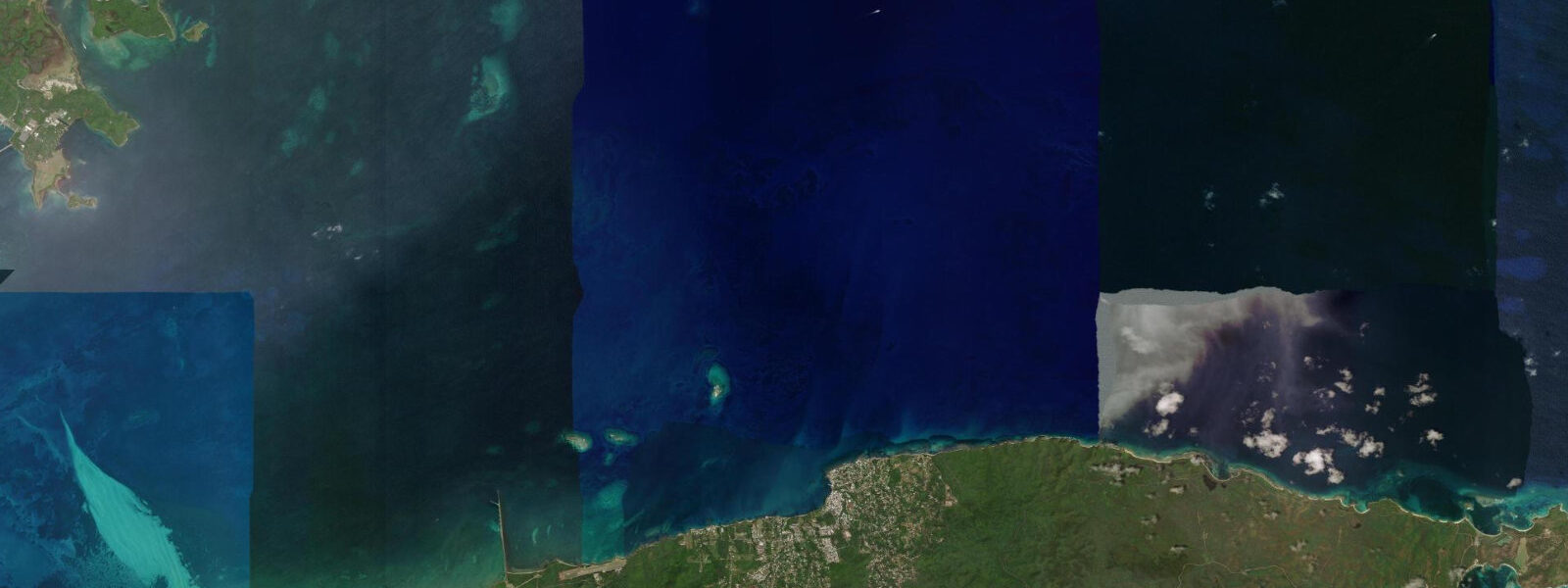
Vieques, Puerto Rico tide times
Vieques, Puerto Rico tide forecast — heights relative to MSL.
Tide chart for Vieques, Puerto Rico
24-hour cosine-interpolated curve around the present moment. Heights relative to MSL. Predictions: Predictions: Open-Meteo Marine (MeteoFrance SMOC, 0.08° grid).
Sun, moon and conditions on Tue 04 Aug
Snapshot at build time — refreshes daily. Sea state from Open-Meteo Marine.
Highs and lows next 7 days
Every predicted high and low for the next week, with the daily tidal coefficient (0–120; higher = bigger swing, > 95 means stronger currents).
Other spots nearby
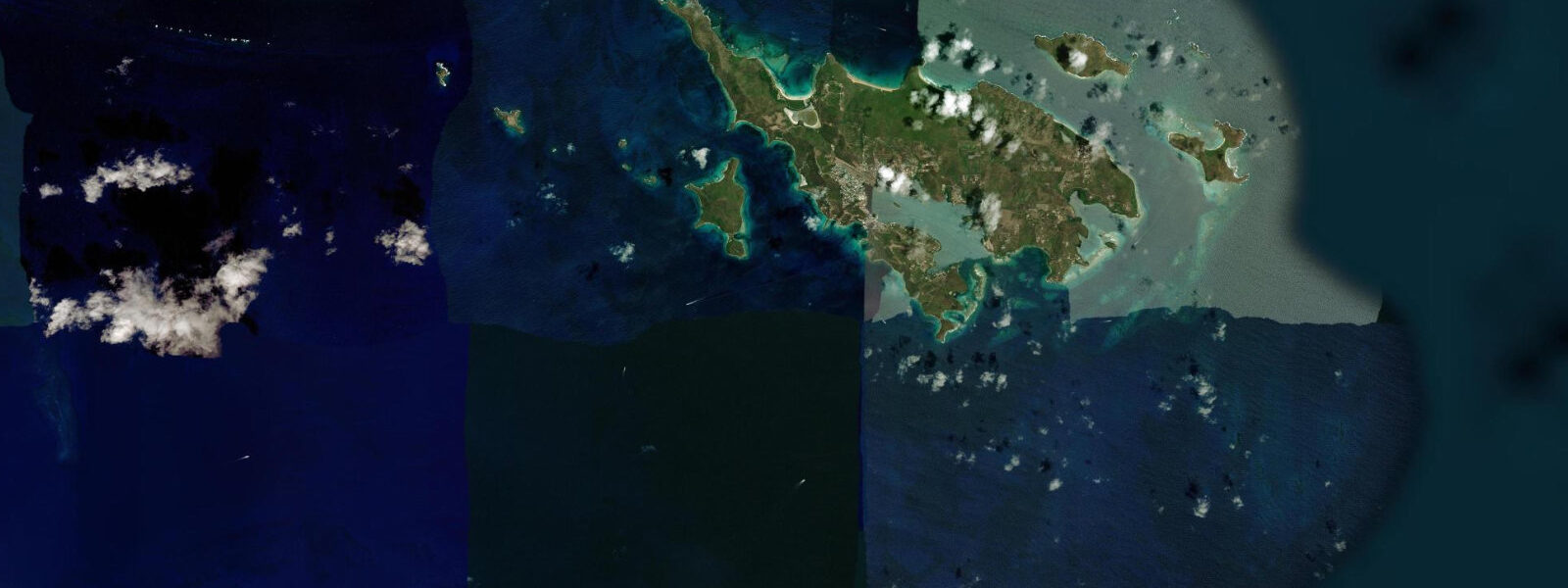
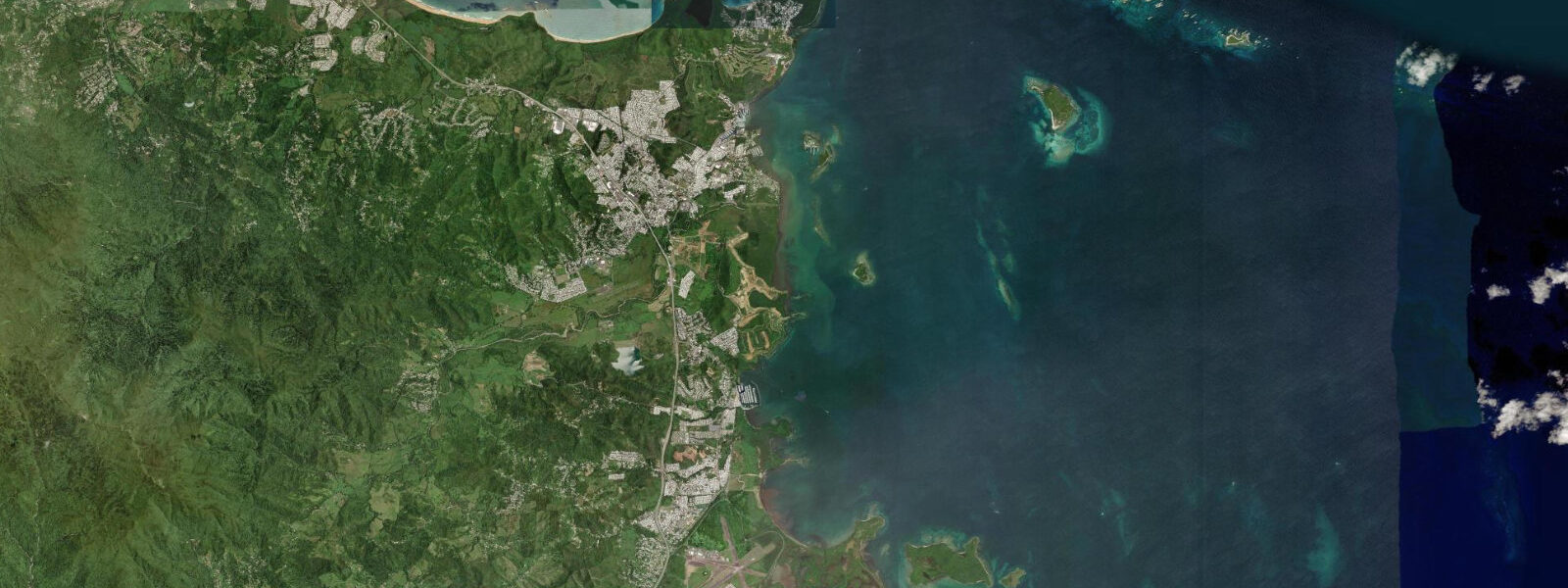
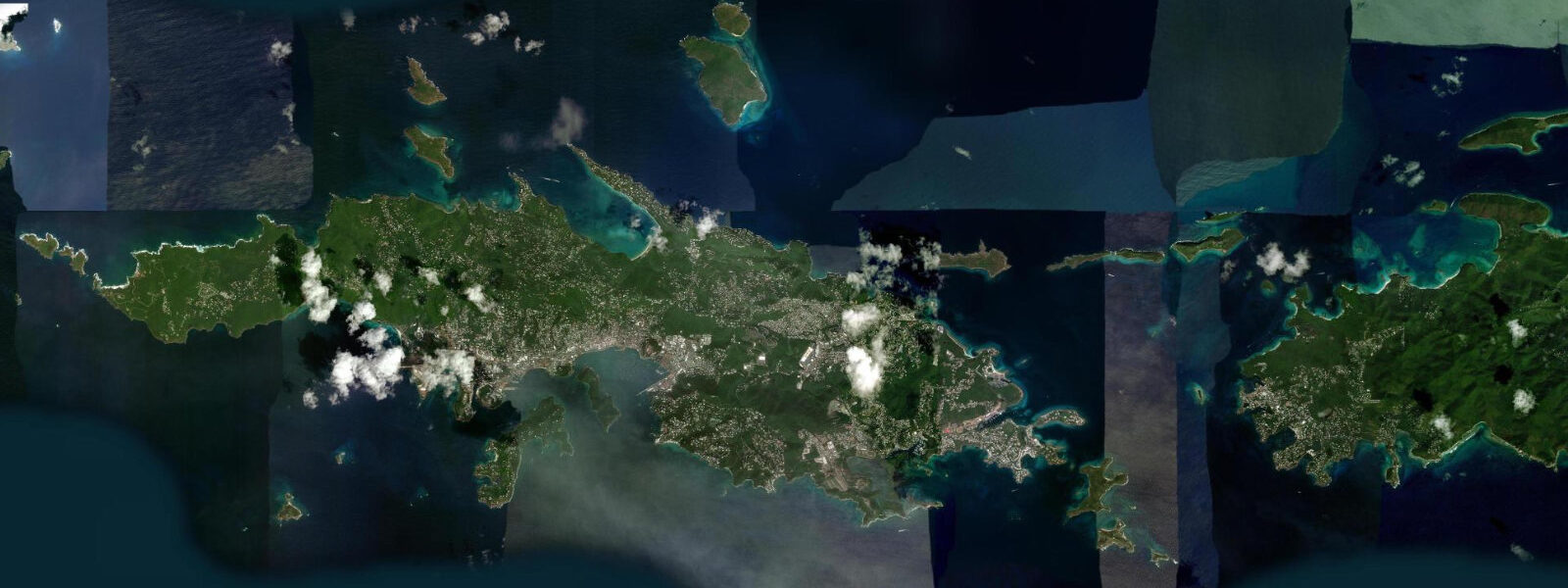
The three closest curated TideTurtle locations to Vieques, Puerto Rico, measured by great-circle distance.
Today's solunar windows
Solunar tradition: major periods are the ≈3h windows around moon transit and opposition; minor are ≈2h around moonrise and moonset. Pair with the local tide stage and wind for the best read.
About tides at Vieques, Puerto Rico
A short guide to the coastline at Vieques, Puerto Rico — geography, sea state, and what the tide is actually doing under your feet.
Vieques is a separate island municipality 13 km off Puerto Rico's east coast, 34 km long and 8 km wide, with a history unlike any other Caribbean island. The US Navy used most of the island as a live-fire training range from 1941 until 2003, when sustained civil protests forced a handover. The former bombing range is now managed as the Vieques National Wildlife Refuge by the US Fish and Wildlife Service, and the beaches that were once marked with warning signs — Red Beach, Blue Beach, Green Beach — are now accessible, their remoteness and limited infrastructure preserving a character that the resort strip at Playa el Agua cannot replicate.
The tidal regime at Vieques is Caribbean microtidal: spring range 0.3 to 0.5 metres, mixed semidiurnal, with two unequal highs and lows per day. Weather dominates. The northeast trade wind runs roughly parallel to the island's long axis, and the difference between the wind-exposed north coast and the sheltered southern bays is larger than anything the tide produces. Esperanza, the main village on the south coast, sits on a malecón facing a calm bay — protected from the trade wind by the island's ridge, reliably flat except during south swell events that are rare on this coast.
Mosquito Bay, on the south coast east of Esperanza, holds one of the world's highest concentrations of Pyrodinium bahamense dinoflagellates — the organisms responsible for bioluminescence. The National Geographic Society has at various times measured it as the world's brightest bioluminescent bay. The bay is shallow, sheltered, and connected to the sea through a narrow mangrove channel that restricts water exchange and keeps the organisms concentrated. Kayaking the bay after dark reveals every paddle stroke in cold blue-green fire and the wakes of small fish as streaks below the surface. The glow is most visible in the darkest parts of the lunar cycle; cloud cover suppresses it further. Electric motorboat tours are banned to protect the bay ecosystem; only non-motorised and electric kayaks are permitted.
Red Beach and Blue Beach on the former Navy range's eastern sector are reached by a dirt road through the refuge. Red Beach is a long, wide crescent of rust-colored sand facing southeast — exposed enough to catch occasional Atlantic swell from the east but usually calm in the prevailing trade. Blue Beach, also called Caracas Beach, is longer, backed by low vegetation, and fronts a bay that is broadly sheltered. Access requires a 4WD vehicle or a high-clearance rental; the unpaved road deteriorates after rain. Beach facilities are minimal — no food vendors, no lifeguard, no shade structures — which keeps the crowds thin on weekdays.
Anglers on Vieques target bonefish on the shallow flats of the south coast — the flats between Esperanza and La Hueca are walkable on the lower half of the tide, when the water drops below 0.5 m above the lowest astronomical tide. Bonefish move onto the flat on the flood and retreat to the channel edges on the ebb; the predictable 0.3 to 0.5 m tide range here is small enough that the fishing window opens and closes slowly. Tarpon hold in the mangrove channels year-round. Offshore, the Puerto Rico Trench drop-off northeast of the island produces mahi-mahi and wahoo in the rip current zone where the shelf edge meets deep water.
Families visiting Esperanza find the village malecón, the adjacent beach, and the calm bay immediately accessible — calm water, small boat traffic, and a gentle entry. The tide range barely changes the character of the beach. Sun Dreamer and other guesthouses line the malecón; the village has a few restaurants, a small grocery, and the ferry terminal connecting to Fajardo. The ferry runs several times daily but demand is high and reservations fill quickly.
Photographers targeting Mosquito Bay for night shots face the additional challenge of not being able to use bright lights in the bay (they suppress the organisms). Phone cameras in night mode, mounted on a float, produce passable results; long-exposure DSLR shots from a kayak are difficult but achievable in the calm conditions the bay provides. The predicted tide on the nights of interest is available on this page; for the bay's shallow channel, the difference between predicted high and low is under 0.4 m and the channel remains paddleable throughout.
Predictions on this page come from Open-Meteo Marine, a global gridded ocean model. Typical accuracy is ±45 minutes on timing and ±0.2 to 0.3 metres on height. Given Vieques's spring range of 0.3 to 0.5 m, the model uncertainty is a significant fraction of the total signal. For activity-critical planning, cross-reference with NOAA Puerto Rico harmonic predictions.
Tide questions about Vieques, Puerto Rico
Quick answers to the most common questions about tide times, range, and water access at Vieques, Puerto Rico.
When is the next high tide at Vieques?
The next predicted high tide at Vieques is shown at the top of this page in Atlantic Standard Time (AST, UTC-4). Spring range is 0.3 to 0.5 metres — genuinely microtidal. Weather, trade wind setup, and swell direction shift water levels more noticeably than the astronomical tide on many days. Predictions come from Open-Meteo Marine (gridded, ±45 min / ±0.2–0.3 m); NOAA Puerto Rico harmonic stations provide a useful planning cross-reference.
When is Mosquito Bay bioluminescence at its best?
Mosquito Bay's bioluminescence is strongest during the new moon window, when the sky is darkest and the glow contrasts best against the water. Overcast nights reduce visibility further. Seasonally, the bay is brightest from June through November when water temperatures are highest and the dinoflagellate population peaks. Kayak tours depart after dark year-round; the bay is deep enough to paddle at any tide state. Only non-motorised or electric vessels are permitted — enforcement is by the refuge and local operators.
How do you get to Red Beach and Blue Beach in the wildlife refuge?
Red Beach (Playa Caracas) and Blue Beach are inside the Vieques National Wildlife Refuge, accessible via unpaved roads off Route 997. A high-clearance vehicle — preferably 4WD — is recommended, especially after rain. There are no fees, no lifeguards, no food vendors, and no shade structures at either beach. The refuge gate opens at sunrise and closes at dusk. Check the US Fish and Wildlife Service website for any current closures.
What are conditions like for bonefish flats fishing at Vieques?
The south coast flats between Esperanza and La Hueca are accessible on foot at the lower half of the tide, when water depth drops below 0.5 m. The 0.3 to 0.5 m spring range here means the flats open and close slowly — the fishing window is longer than on a high-range coast. Bonefish move shallower on the flood tide and drop back to channel edges on the ebb. Local guides based in Esperanza know the specific flat structure and are the most efficient way to access it.
Is this safe to use for navigation?
No. TideTurtle is a planning tool, not a nautical almanac. Navigation around Vieques, into the ferry channel, or along the south coast requires current NOAA charts (chart 25650 covers the area) and attention to reef and shallow-water hazards. The reef structure between the cays and the Puerto Rican mainland is complex, with charted depths that require careful small-boat navigation. Open-Meteo Marine gridded predictions are not a substitute for gauge-calibrated harmonic predictions for any vessel operation. For the ferry crossing, the ferry companies maintain the official schedule and safety monitoring.
7-day tide table — Vieques, Puerto Rico
Heights relative to MSL. Predictions: Open-Meteo Marine (MeteoFrance SMOC, 0.08° grid) — heights relative to MSL (not chart datum / LAT). Model-derived.
| Day | Type | Time | Height |
|---|---|---|---|
| Tue 04 Aug | — | ||
| Wed 05 Aug | — | ||
| Thu 06 Aug | — | ||
| Fri 07 Aug | — | ||
| Sat 08 Aug | — | ||
| Sun 09 Aug | Low | 09:00 | 0.2m |
| Mon 10 Aug | High | 19:00 | 0.5m |