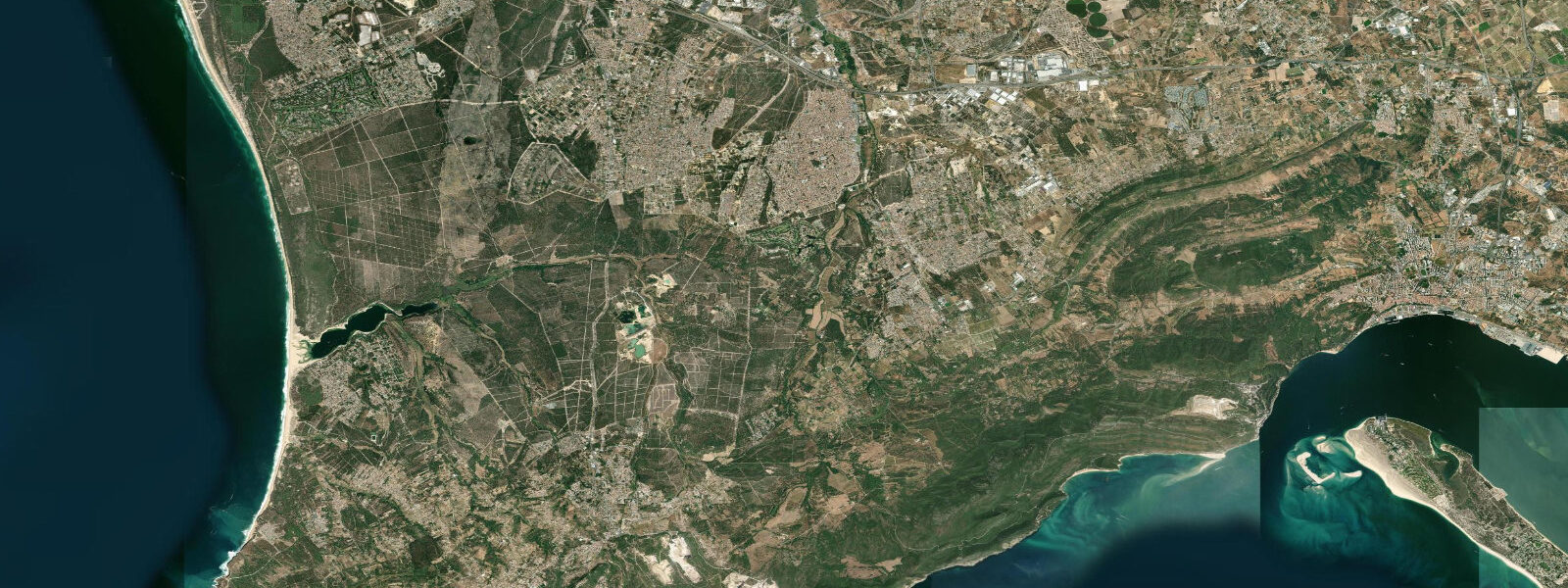
Sesimbra tide times
Sesimbra tide forecast — heights relative to MSL.
Today's tide times for Sesimbra
Tide times at Sesimbra on Monday, 3 August 2026: first low tide at 01:00, first high tide at 05:38, second low tide at 11:36, second high tide at 17:50. Sunrise 06:39, sunset 20:45.
Tide chart for Sesimbra
24-hour cosine-interpolated curve around the present moment. Heights relative to MSL. Predictions: Predictions: Open-Meteo Marine (MeteoFrance SMOC, 0.08° grid).
Sun, moon and conditions on Mon 03 Aug
Snapshot at build time — refreshes daily. Sea state from Open-Meteo Marine.
Highs and lows next 7 days
Every predicted high and low for the next week, with the daily tidal coefficient (0–120; higher = bigger swing, > 95 means stronger currents).
Other spots nearby
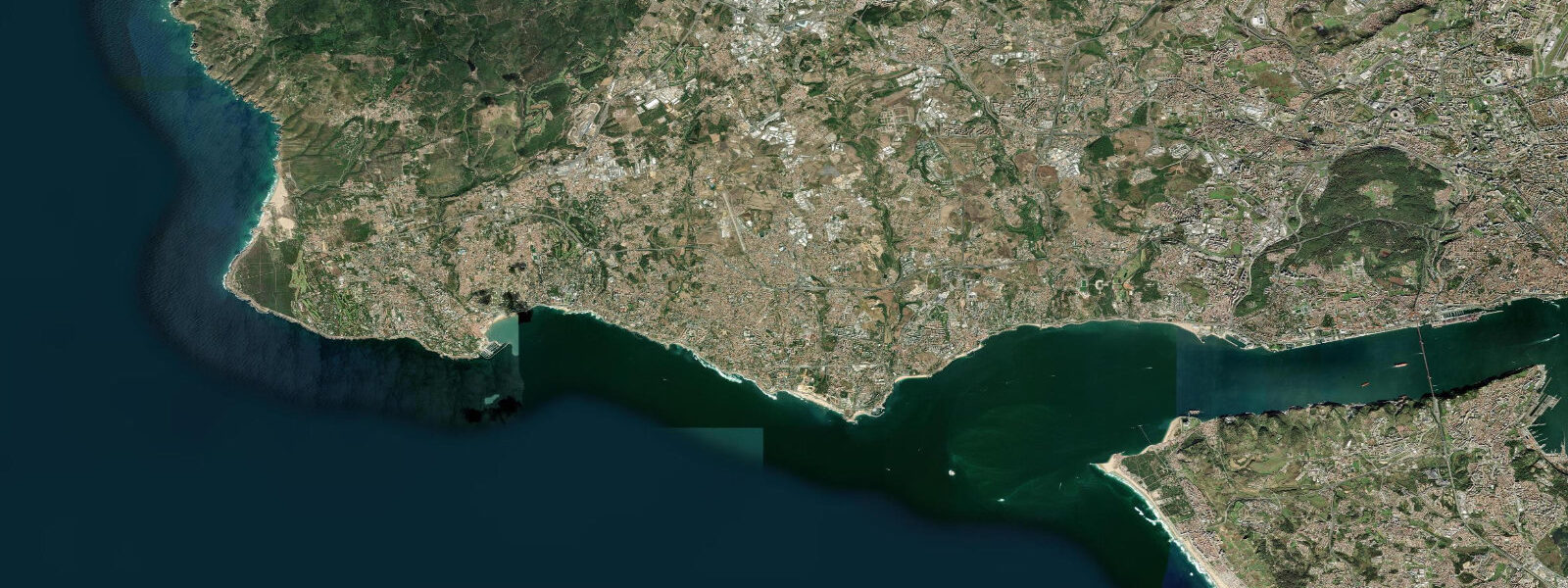
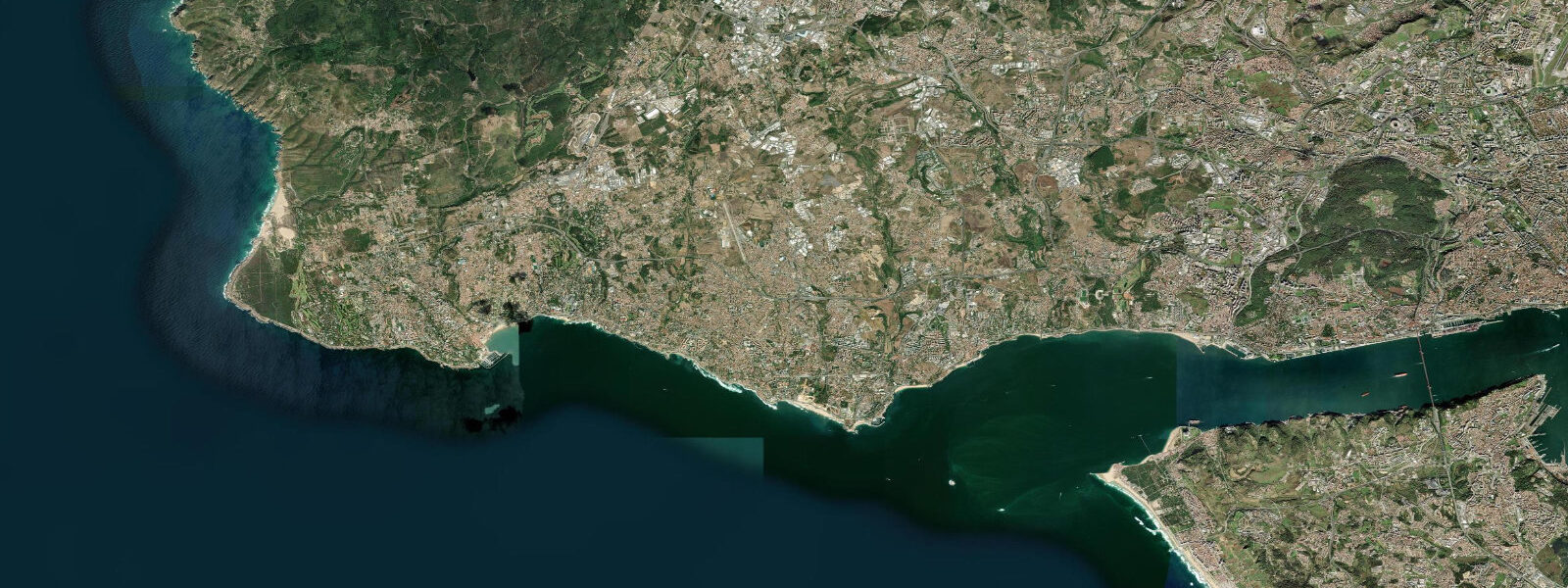
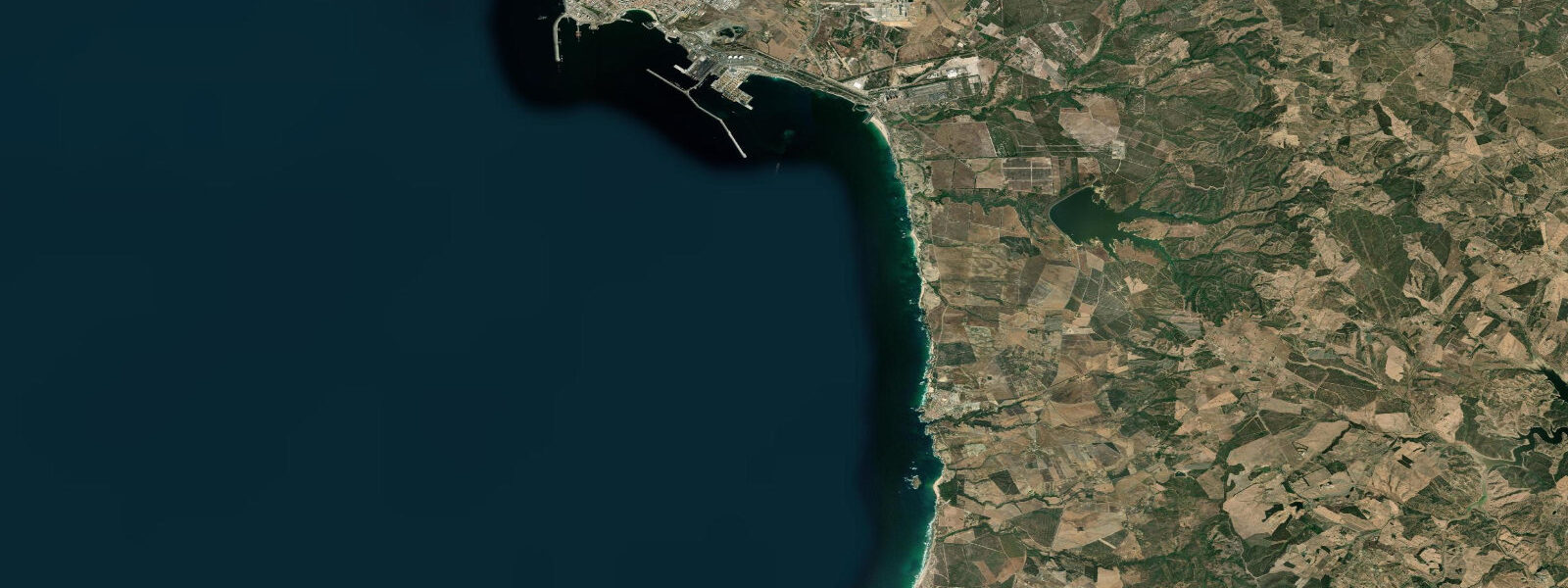
The three closest curated TideTurtle locations to Sesimbra, measured by great-circle distance.
Today's solunar windows
Solunar tradition: major periods are the ≈3h windows around moon transit and opposition; minor are ≈2h around moonrise and moonset. Pair with the local tide stage and wind for the best read.
Cycle dates near Sesimbra
Last spring tide on Mon 03 Aug (range 2.3m). Next spring tide on Sun 09 Aug (range 1.9m). Next neap on Fri 07 Aug.
Spring tides cluster around new and full moons (biggest swings). Neap tides land on quarter moons (smallest swings). See the spring tide and neap tide glossary entries for the why.
About tides at Sesimbra
A short guide to the coastline at Sesimbra — geography, sea state, and what the tide is actually doing under your feet.
Sesimbra is a small fishing village on the Arrábida coast south of Lisbon, sheltered inside a bay formed by the cliffs of the Serra da Arrábida. The Arrábida Natural Park is the most dramatic coastal protected area in central Portugal — limestone mountains drop directly into the Atlantic, creating cliffs of 200 to 300 metres and turquoise sea at their base. The bay at Sesimbra faces south and is sheltered from the prevailing north wind; the water is calm and warm (18 to 22°C in summer) compared to the exposed Atlantic beaches to the west. Tidal range is moderate: mean spring range around 2.5 metres.
The Arrábida underwater environment is among the clearest in mainland Portugal. The limestone geology, the sheltered aspect, and the reduced riverine sediment input (the park has no significant rivers) produce visibility of 15 to 25 metres in settled conditions. Scuba diving at Arrábida targets sea fans (Eunicella sp.), moray eels, conger, and large bream in 10 to 25 metres of water. The Portinho da Arrábida beach (15 km west of Sesimbra, inside the park) is the most accessed dive entry point; dive boats also operate from the Sesimbra harbour.
The Sesimbra fishing harbour processes limpet, octopus, sea bass, and the occasional swordfish — boats from Sesimbra fish the deep Atlantic southwest of the Arrábida cape. The morning fish market at the harbour sells direct from the fleet. The town's restaurants serve freshly caught fish in traditional preparation — caldeirada de peixe (fish stew with potatoes and tomato) is the local signature.
The Forte de Santiago, a 17th-century fort at the water's edge on the east side of the bay, is the landmark of Sesimbra — the image of the white fort reflected in the bay at low water is the standard postcard. The fort interior has a small maritime museum.
Whale watching trips from Sesimbra run spring through autumn targeting common dolphins (year-round resident), fin whales (spring migration), and the occasional sperm whale that enters the deep Atlantic canyon southwest of the cape.
Predictions on this page come from Open-Meteo Marine, a gridded global ocean model, cross-referenced with Instituto Hidrográfico predictions. For the most accurate Portuguese tide predictions, consult the Instituto Hidrográfico at hidrografico.pt.
Tide questions about Sesimbra
Quick answers to the most common questions about tide times, range, and water access at Sesimbra.
What is the tidal range at Sesimbra?
Mean spring range at Sesimbra is approximately 2.5 metres — moderate for Portugal's Atlantic coast. The sheltered bay reduces the effect of Atlantic swell significantly; the tidal change in water level is the primary variable affecting the bay beaches. At low spring tide the Sesimbra beach widens considerably and the bay bottom is visible in the shallows. At high water the beach is narrower but the water is calmer for swimming.
Is scuba diving at Arrábida suitable for beginners?
The sheltered coves at Portinho da Arrábida and the Sesimbra Bay are among the best beginner diving sites in Portugal — calm water, good visibility (15 to 25 m on clear days), and shallow dives of 8 to 15 metres on the inner reef sections. Dive schools operate from Sesimbra harbour and Portinho da Arrábida. The outer Arrábida cape (exposed to Atlantic swell) is more advanced territory. Water temperature is 18 to 22°C in summer; a 5mm wetsuit is comfortable.
What fish is served at Sesimbra restaurants?
Sesimbra's fishing fleet lands sea bass (robalo), bream (dourada, pargo), octopus (polvo), and limpet (lapas) from the rocky Arrábida coast. In season, the boats target swordfish (espadarte) offshore. The harbour restaurants serve these species in traditional Portuguese preparations: robalo grelhado (grilled sea bass with olive oil and sea salt), polvo à lagareiro (octopus with potatoes), and açorda (bread-thickened seafood soup). Prices are lower than Lisbon; quality is high — the catch is same-day.
Can I see dolphins near Sesimbra?
Common dolphins are resident year-round in the waters off the Arrábida coast and the Atlantic approaches south of Sesimbra. Bottlenose dolphins are also present. Whale watching and dolphin boat trips operate from Sesimbra harbour from spring through autumn. The deep Atlantic canyon southwest of Cabo de Espichel (15 km west) brings occasional fin whale, sperm whale, and striped dolphin encounters in spring. Check Sesimbra harbour tour operators for current season offerings.
Is the Arrábida Natural Park accessible by public transport?
The park's interior and beaches (including Portinho da Arrábida) are accessible by private car only — public transport to the beach sections is very limited. Sesimbra town is served by TMLF buses from Setúbal and by Barreiro ferry (from Lisbon) plus bus connection. The most practical access to the Arrábida beaches is by hire car from Lisbon (45 to 60 minutes). Vehicle access to Portinho da Arrábida is restricted in summer (June through September) and requires a digital parking permit from the park's online booking system.
8-day tide table — Sesimbra
Heights relative to MSL. Predictions: Open-Meteo Marine (MeteoFrance SMOC, 0.08° grid) — heights relative to MSL (not chart datum / LAT). Model-derived.
| Day | Type | Time | Height |
|---|---|---|---|
| Mon 03 Aug | Low | 01:00 | -1.3m |
| High | 05:38 | 0.7m | |
| Low | 11:36 | -1.4m | |
| High | 17:50 | 0.8m | |
| Tue 04 Aug | Low | 00:06 | -1.5m |
| High | 06:18 | 0.6m | |
| Low | 12:20 | -1.4m | |
| High | 18:34 | 0.7m | |
| Wed 05 Aug | Low | 00:48 | -1.4m |
| High | 07:02 | 0.5m | |
| Low | 13:09 | -1.3m | |
| High | 19:21 | 0.5m | |
| Thu 06 Aug | Low | 01:39 | -1.3m |
| High | 08:00 | 0.3m | |
| Low | 14:11 | -1.2m | |
| High | 20:26 | 0.3m | |
| Fri 07 Aug | Low | 02:45 | -1.2m |
| High | 09:14 | 0.3m | |
| Sat 08 Aug | Low | 04:07 | -1.1m |
| High | 10:40 | 0.4m | |
| Low | 17:01 | -1.1m | |
| High | 23:22 | 0.3m | |
| Sun 09 Aug | Low | 05:33 | -1.1m |
| High | 11:54 | 0.5m | |
| Low | 18:21 | -1.3m | |
| Mon 10 Aug | High | 00:00 | 0.4m |