Sagres tide times
Sagres tide forecast — heights relative to MSL.
Today's tide times for Sagres
Tide times at Sagres on Monday, 3 August 2026: first low tide at 01:00, first high tide at 05:27, second low tide at 11:25, second high tide at 17:38, third low tide at 23:55. Sunrise 06:41, sunset 20:41.
Tide chart for Sagres
24-hour cosine-interpolated curve around the present moment. Heights relative to MSL. Predictions: Predictions: Open-Meteo Marine (MeteoFrance SMOC, 0.08° grid).
Sun, moon and conditions on Mon 03 Aug
Snapshot at build time — refreshes daily. Sea state from Open-Meteo Marine.
Highs and lows next 7 days
Every predicted high and low for the next week, with the daily tidal coefficient (0–120; higher = bigger swing, > 95 means stronger currents).
Other spots nearby
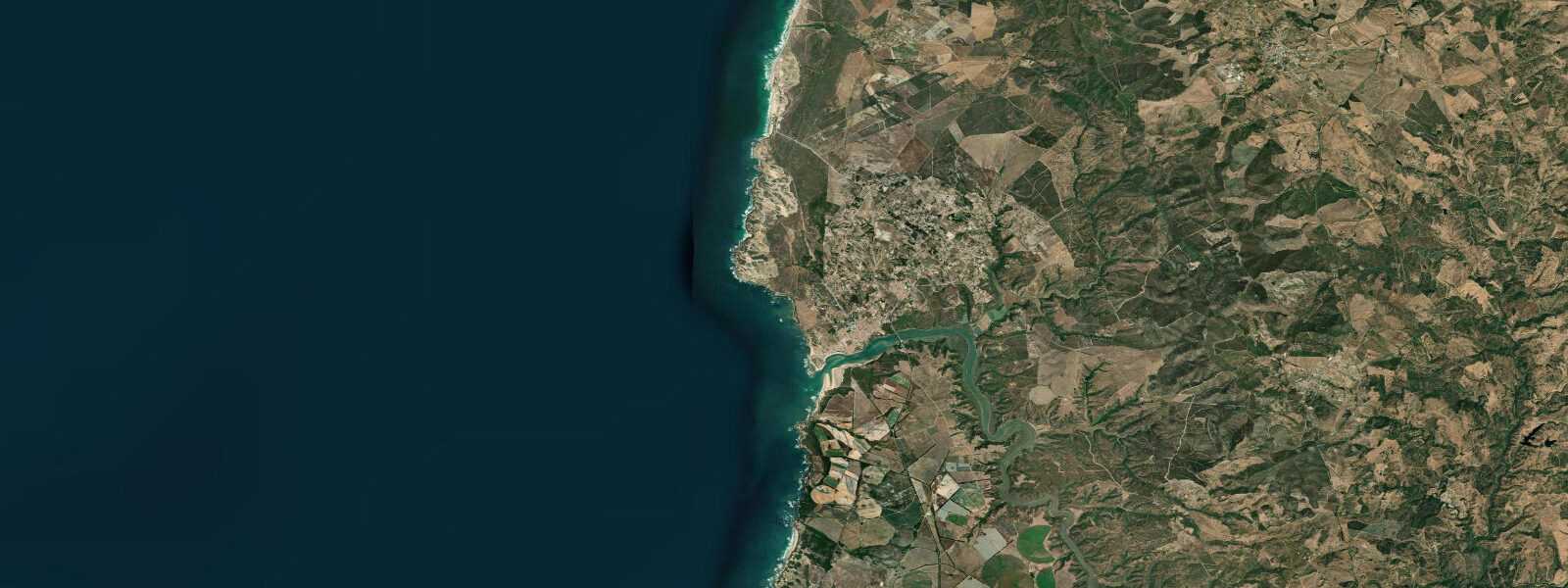
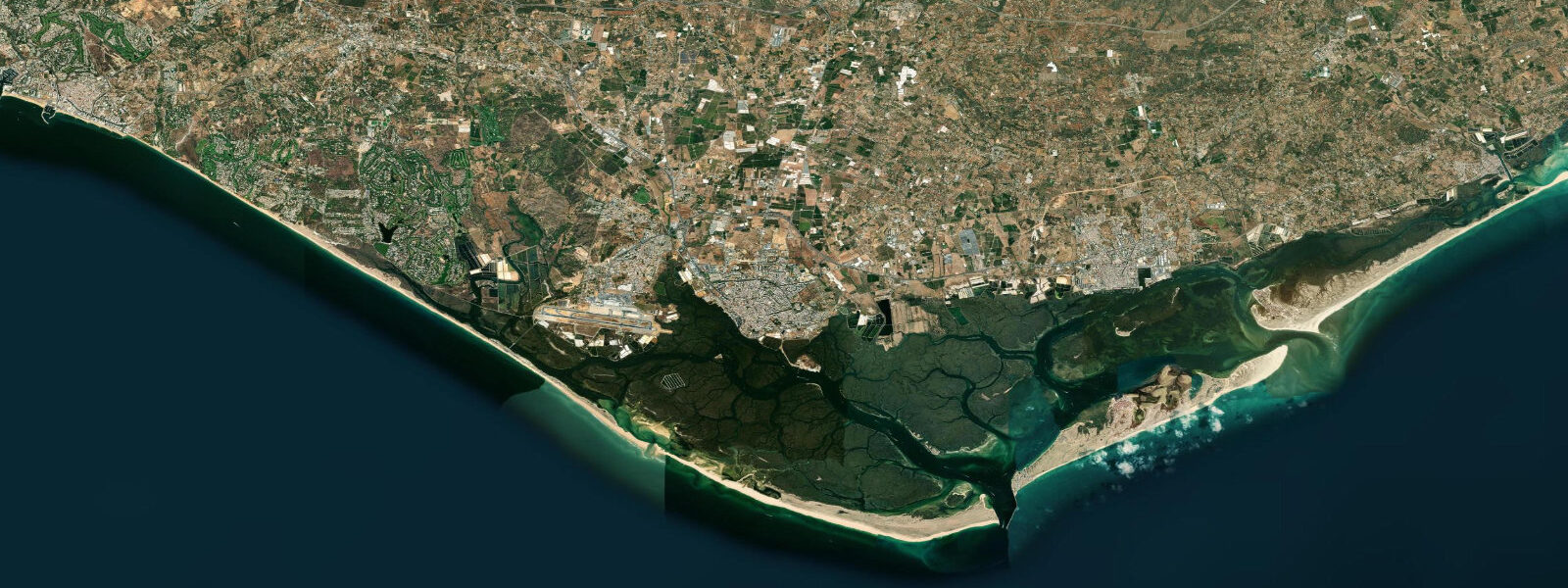
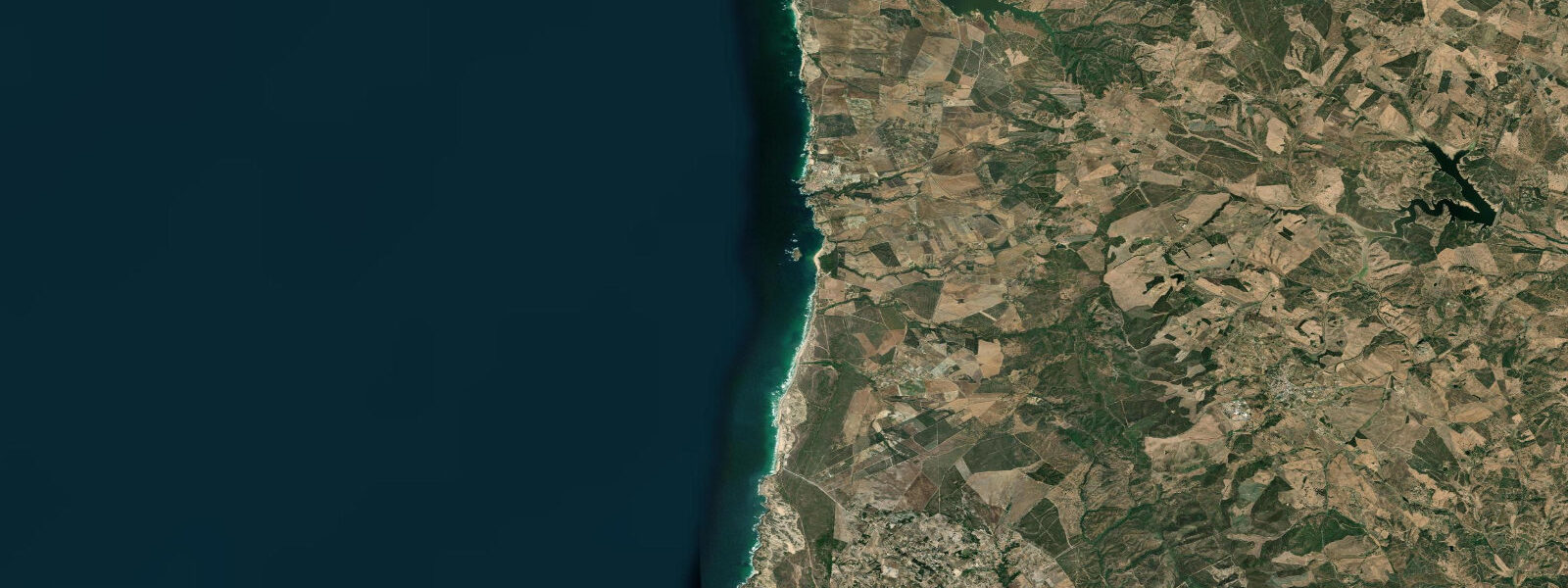
The three closest curated TideTurtle locations to Sagres, measured by great-circle distance.
Today's solunar windows
Solunar tradition: major periods are the ≈3h windows around moon transit and opposition; minor are ≈2h around moonrise and moonset. Pair with the local tide stage and wind for the best read.
Cycle dates near Sagres
Last spring tide on Mon 03 Aug (range 2.4m). Next spring tide on Sun 09 Aug (range 1.9m). Next neap on Fri 07 Aug.
Spring tides cluster around new and full moons (biggest swings). Neap tides land on quarter moons (smallest swings). See the spring tide and neap tide glossary entries for the why.
About tides at Sagres
A short guide to the coastline at Sagres — geography, sea state, and what the tide is actually doing under your feet.
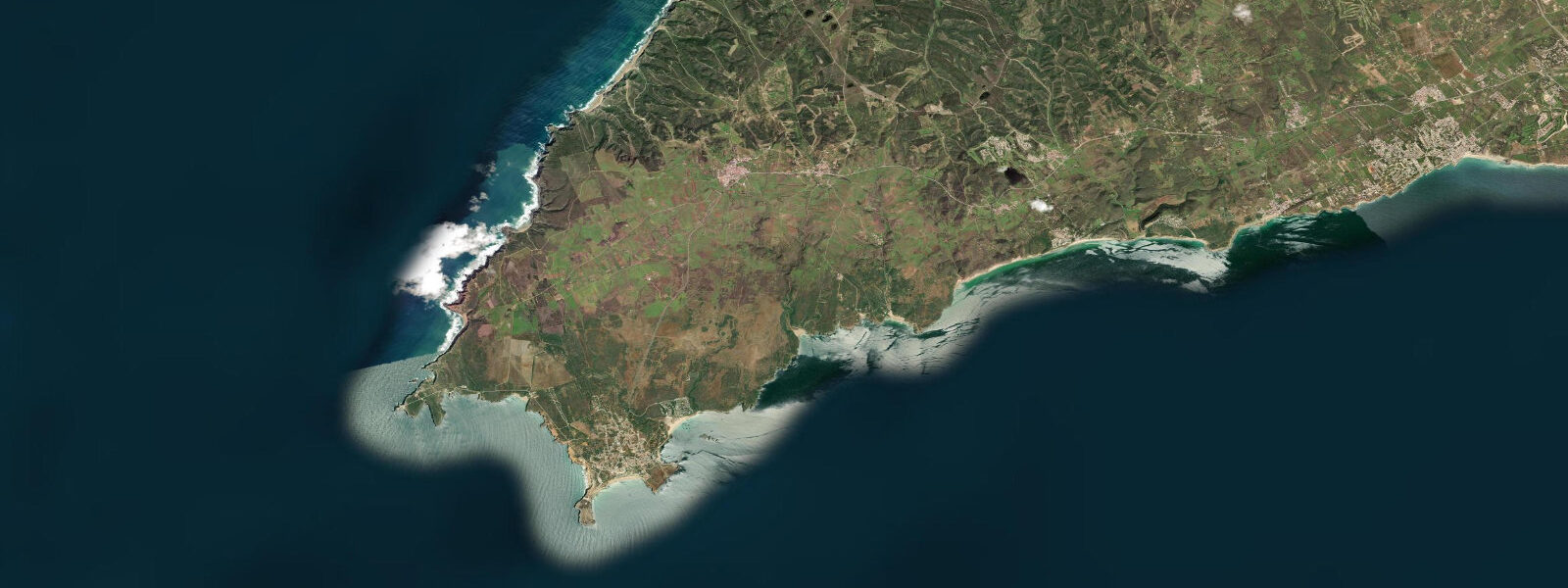
Sagres occupies the southwestern corner of continental Europe — the Ponta de Sagres and, 5 kilometres further west, Cabo de São Vicente, where the 75-metre cliff drops into the Atlantic and the lighthouse beam carries 60 kilometres to sea. 3 metres at Sagres, with the characteristic 50-minute daily shift across the lunar month. 3-metre spring range means meaningful intertidal zone exposure and a predictable, tide-dependent rhythm for rock-fishing, diving, and surf access.
Sagres has historical weight disproportionate to its size. The Fortaleza de Sagres — the fortress built on the headland — was associated with Prince Henry the Navigator in the 15th century and with the Portuguese school of navigation that preceded the oceanic voyages of discovery. The wind rose carved into the stone courtyard, 43 metres in diameter, is the most visited feature; whether it dates to Henry's era is debated by historians, but it is genuine mediaeval stonework.
The practical function of the Fortaleza today is as a viewpoint for the open Atlantic and for the birdwatching that makes Sagres internationally known among raptor enthusiasts. The headland and Cabo de São Vicente form the western terminus of a major European bird migration corridor. In September and early October, honey buzzards, black storks, Montagu's harriers, and raptors of a dozen species funnel through on their southward migration.
Count figures during peak days can exceed 10,000 birds. Sagres's position — the last land before open Atlantic water — concentrates the migration in a way that few European sites match. Surf at Sagres is quality-dependent on the NW Atlantic swell that arrives from the deep water offshore.
Praia da Tonel, on the south-facing side of the Ponta de Sagres, and Praia da Beliche, in a sheltered cove below the fortaleza car park, are the primary breaks. Both work best on the dominant NW swell direction; Tonel is the heavier, more exposed wave, Beliche is shorter and more sheltered. The best conditions at both breaks tend to be around mid-tide on the flood, when the reef and rock on the lower sections are covered enough to allow safe access but the sand section of the break is not yet flattened by too much water.
The highest-quality swell season is September through April. East of the Cape — around Praia do Martinhal and Sagres town beach — the geography transitions to more sheltered water, and the same swell that produces powerful waves at Tonel arrives much reduced. The Martinhal beach is wide, sandy, and calm enough for young children on most days when the open Atlantic faces are completely unsurfable.
The sea-temperature gradient at Cabo de São Vicente is dramatic and seasonally variable. Cold North Atlantic water upwells along the Costa Vicentina on northerly winds — common in summer — and sea temperatures at Sagres during peak upwelling can drop to 14 or 15 degrees Celsius while the southern Algarve beaches 50 kilometres east are at 22. This is not a surface-level observation: it affects swimmer comfort, wetsuit choice for surfers, and the distribution of marine life.
The cold upwelling brings nutrient-rich water to the surface and supports a productive inshore fishery. Rock-fishing at the base of the Cabo de São Vicente cliffs and on the platforms around the Ponta de Sagres at low spring tide targets bass (robalo), bream (dourada, pargo), and wrasse. Access to the cliff-base platforms requires low spring tide and calm sea conditions; ocean swell even on apparently clear days can produce large swash waves that sweep the lower platforms.
The rule is to watch for 15 minutes before descending to establish the actual maximum wave height. Predictions on this page come from Open-Meteo Marine, a gridded global ocean model. 3 metres on height — model-derived, not from a local gauge.
pt).
Tide questions about Sagres
Quick answers to the most common questions about tide times, range, and water access at Sagres.
What is the tidal range at Sagres, and how does it affect surf conditions?
Mean spring tidal range at Sagres is approximately 3.3 metres, with two high tides and two low tides each day. Neap range drops to roughly 1 metre around the quarter moons. For surf, the tidal state directly affects the quality and safety of the breaks. At Praia da Tonel and Praia da Beliche, mid-tide on the flood is generally the most productive window: enough water to cover the lower reef sections, not so much that the break loses its shape. At low spring tide, some sections expose sharp reef that makes entry and exit difficult. At high water on a spring, the break at Tonel can close out or go flat. Checking the tide table alongside the swell forecast is standard practice for getting the most out of a session.
Why is Sagres a good location for birdwatching?
Sagres and Cabo de São Vicente form the western terminus of one of Europe's principal raptor migration corridors. Migratory birds travelling southwest down the Iberian Peninsula concentrate at the Cape because it is the last landfall before open ocean water — birds reluctant to cross the Atlantic without a land bridge funnel through this point. September and early October are peak season for honey buzzards, Montagu's harriers, black storks, ospreys, and a range of other raptors; count totals on good days exceed 10,000 individual birds. The headland promontory viewpoints — both at the Fortaleza de Sagres and at Cabo de São Vicente itself — provide unobstructed views of migrating birds moving low over the land in any wind direction.
Is rock fishing accessible at Sagres, and when is it safe?
Rock fishing from the platforms around the Ponta de Sagres and below Cabo de São Vicente is productive but requires care. The platforms are accessible only around low spring tide, when the tidal range is at maximum and the platform exposure is greatest. Even on apparently calm days, Atlantic swell can produce large swash waves on the lower platforms — waves that arrive with no visible warning from offshore and can sweep an angler off exposed rock. The standard safety practice is to observe the platform from above for 15 minutes before descending to establish the real maximum wave height, not just the average. Never fish the lowest platforms alone. Target species are bass, sea bream, and wrasse on incoming tide over the rock ground.
Why is the sea sometimes very cold at Sagres in summer?
Cold-water upwelling along the Costa Vicentina is driven by persistent northerly and northwesterly winds, which are common in summer. When the wind blows consistently from the north, surface water is pushed offshore and cold, nutrient-rich water from depth rises to replace it. Sea temperatures at Sagres during active upwelling events in July and August can drop to 14 to 15 degrees Celsius — 7 to 8 degrees colder than the south-facing Algarve beaches 50 kilometres east. This is independent of the tidal cycle; it is driven by wind direction and persistence. When the wind swings south or east, upwelling ceases and sea temperatures recover over several days. The cold water brings excellent visibility and a productive inshore fishery.
Where does the tide data for Sagres come from, and how accurate is it?
Predictions on this page come from Open-Meteo Marine, a free gridded global ocean model. They are model-derived, not from a dedicated local gauge at Sagres — accuracy is typically within plus or minus 45 minutes on timing and 0.2 to 0.3 metres on height. For Sagres's 3.3-metre spring range, the height uncertainty is proportionally modest and these predictions are suitable for planning surf sessions, rock platform access, and intertidal exploration. For authoritative Portuguese tide data — navigation, commercial operations, or scientific reference — consult the Instituto Hidrográfico at hidrografico.pt.
8-day tide table — Sagres
Heights relative to MSL. Predictions: Open-Meteo Marine (MeteoFrance SMOC, 0.08° grid) — heights relative to MSL (not chart datum / LAT). Model-derived.
| Day | Type | Time | Height |
|---|---|---|---|
| Mon 03 Aug | Low | 01:00 | -1.2m |
| High | 05:27 | 0.7m | |
| Low | 11:25 | -1.5m | |
| High | 17:38 | 0.8m | |
| Low | 23:55 | -1.5m | |
| Tue 04 Aug | High | 06:05 | 0.6m |
| Low | 12:07 | -1.4m | |
| High | 18:21 | 0.7m | |
| Wed 05 Aug | Low | 00:37 | -1.4m |
| High | 06:52 | 0.5m | |
| Low | 12:58 | -1.3m | |
| High | 19:11 | 0.5m | |
| Thu 06 Aug | Low | 14:01 | -1.2m |
| High | 20:19 | 0.3m | |
| Fri 07 Aug | Low | 02:36 | -1.2m |
| High | 09:01 | 0.3m | |
| Low | 15:19 | -1.1m | |
| High | 21:45 | 0.3m | |
| Sat 08 Aug | Low | 03:56 | -1.1m |
| High | 10:26 | 0.4m | |
| Low | 16:52 | -1.1m | |
| High | 23:13 | 0.3m | |
| Sun 09 Aug | Low | 05:22 | -1.1m |
| High | 11:45 | 0.6m | |
| Low | 18:12 | -1.3m | |
| Mon 10 Aug | High | 00:00 | 0.5m |