El Nido tide times
El Nido tide forecast — heights relative to MSL.
Today's tide times for El Nido
Tide times at El Nido on Tuesday, 4 August 2026: first low tide at 08:00, first high tide at 13:06, second low tide at 19:21. Sunrise 05:50, sunset 18:26.
Tide chart for El Nido
24-hour cosine-interpolated curve around the present moment. Heights relative to MSL. Predictions: Predictions: Open-Meteo Marine (MeteoFrance SMOC, 0.08° grid).
Sun, moon and conditions on Tue 04 Aug
Snapshot at build time — refreshes daily. Sea state from Open-Meteo Marine.
Highs and lows next 7 days
Every predicted high and low for the next week, with the daily tidal coefficient (0–120; higher = bigger swing, > 95 means stronger currents).
Other spots nearby
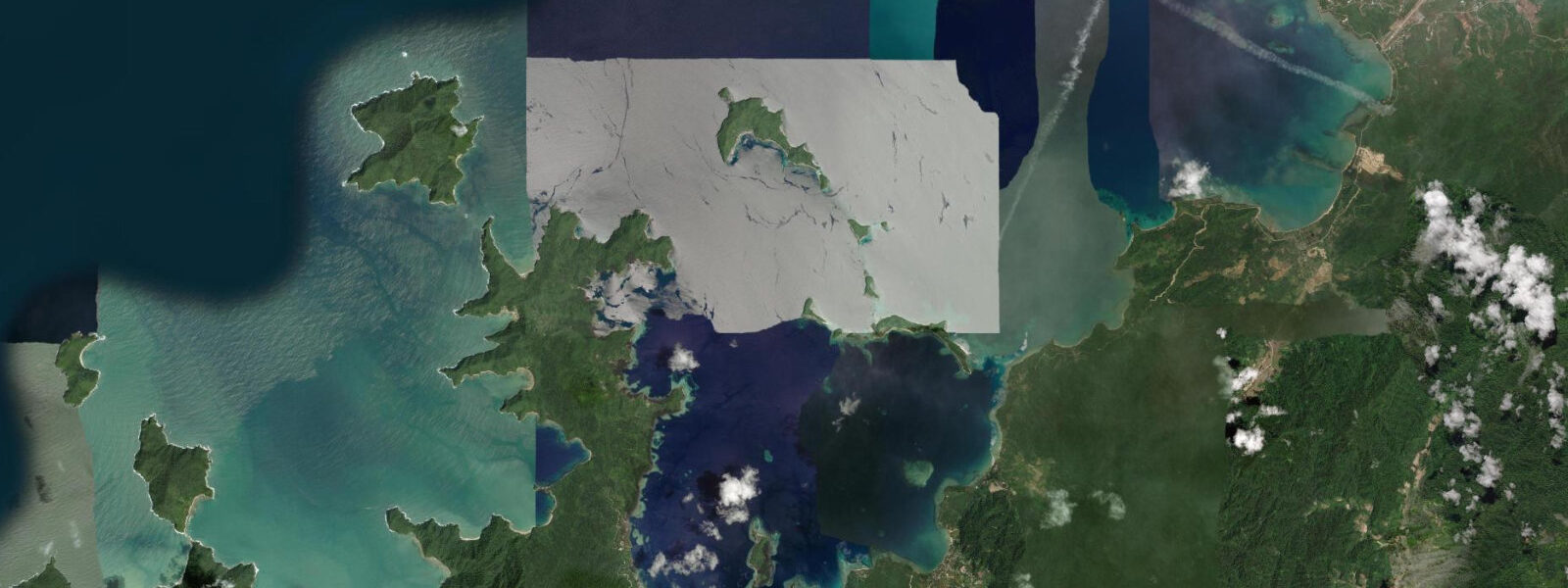
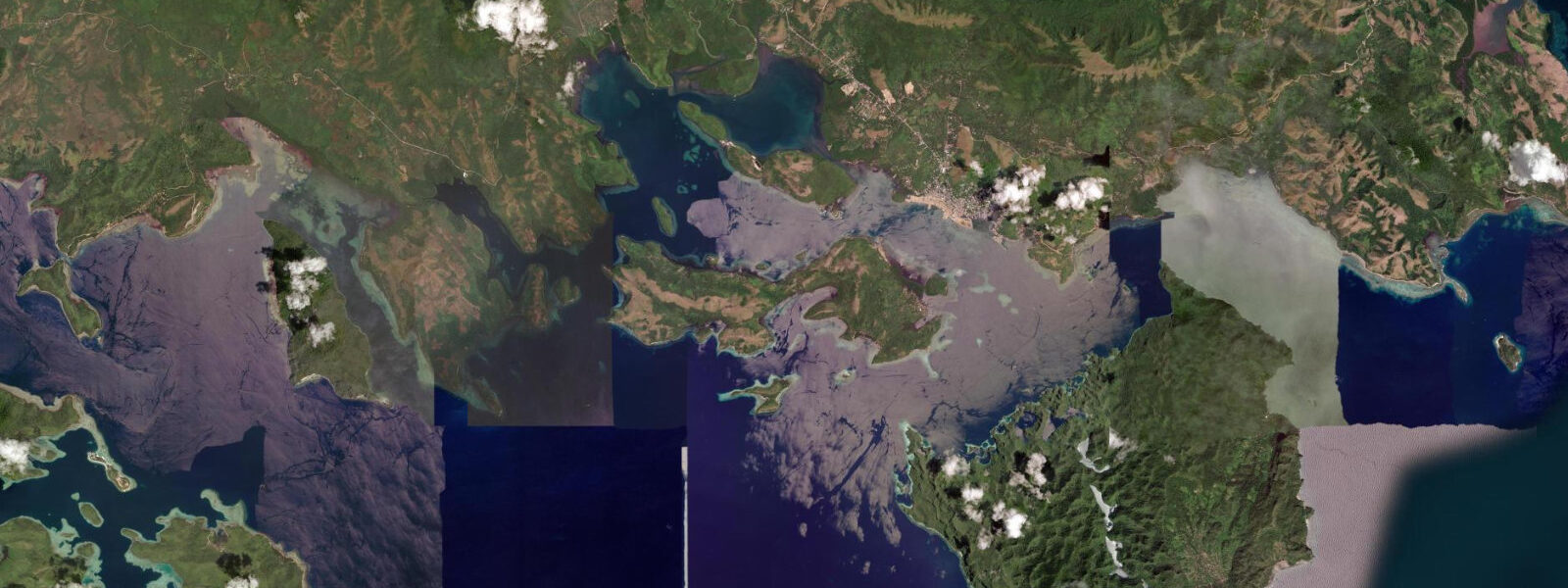
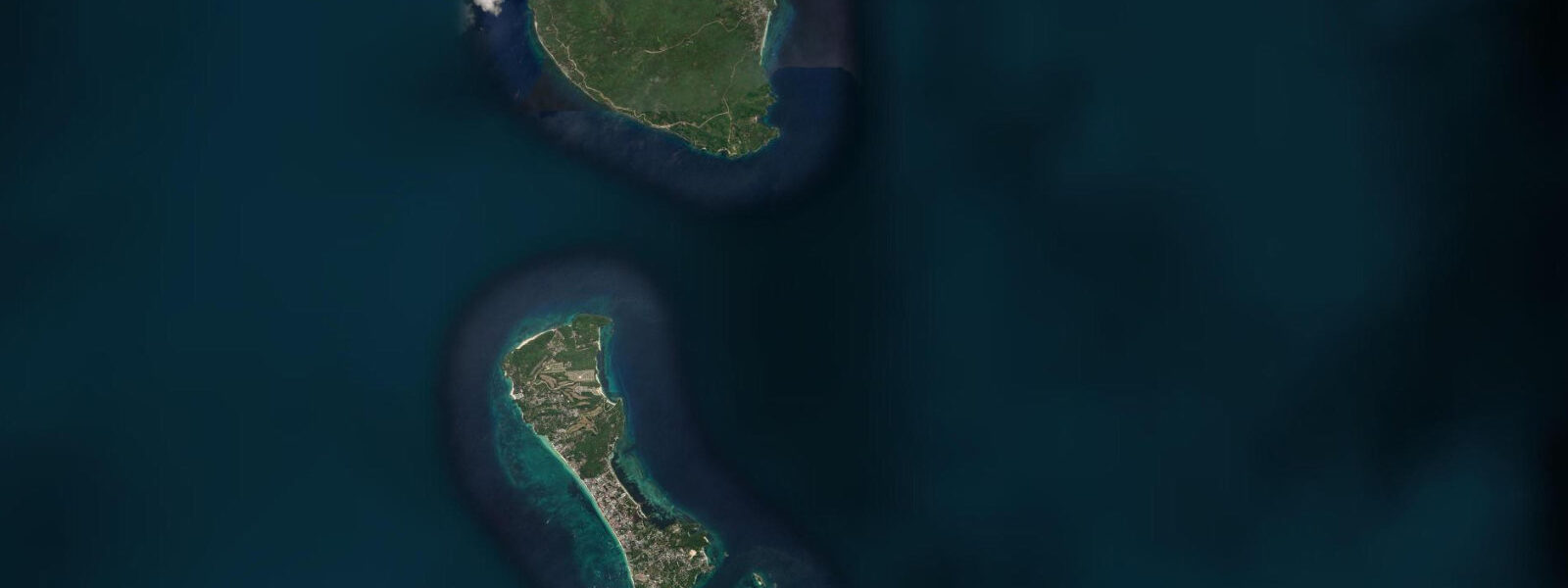
The three closest curated TideTurtle locations to El Nido, measured by great-circle distance.
Today's solunar windows
Solunar tradition: major periods are the ≈3h windows around moon transit and opposition; minor are ≈2h around moonrise and moonset. Pair with the local tide stage and wind for the best read.
Cycle dates near El Nido
Next spring tide on Mon 10 Aug (range 1.7m). Next neap on Wed 05 Aug.
Spring tides cluster around new and full moons (biggest swings). Neap tides land on quarter moons (smallest swings). See the spring tide and neap tide glossary entries for the why.
About tides at El Nido
A short guide to the coastline at El Nido — geography, sea state, and what the tide is actually doing under your feet.
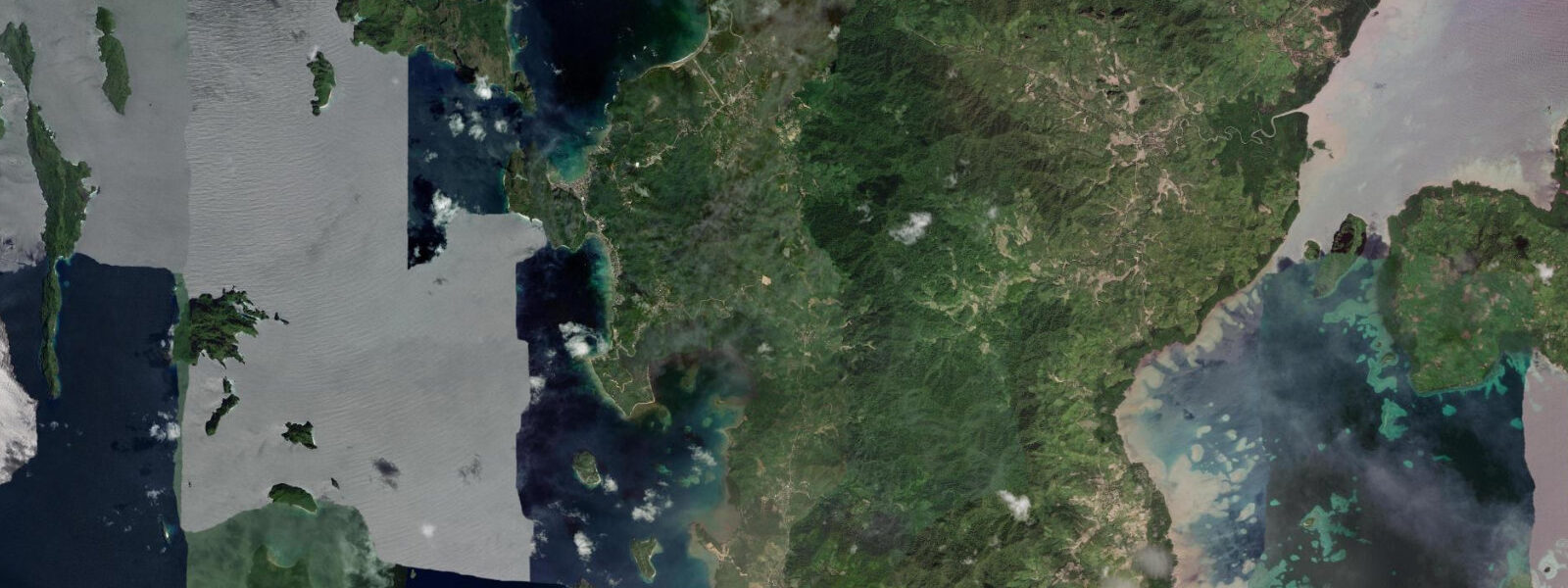
El Nido sits at the northern tip of Palawan, the gateway town for the Bacuit Archipelago — 45 limestone karst islands rising from the Sulu Sea, each tower wrapped in old-growth forest and dropping sheer cliffs into the water. The town itself is small: a main street of dive shops, guesthouses, and restaurants backed by a beach on Bacuit Bay. The action is offshore.
Four commercial island-hopping routes (Tours A, B, C, and D) fan out across the archipelago, visiting lagoons, beaches, and snorkel sites distributed among the islands. The Big Lagoon and Small Lagoon at Miniloc Island are the signature destinations. The Big Lagoon is accessible by kayak or small bangka at any tidal stage — the entrance from the open bay is wide enough to clear even at low water.
The Small Lagoon is different. Its entrance is a narrow slot cut through the base of a limestone cliff, about 3 metres wide; the ceiling of the slot is fixed, but the water surface rises and falls with the tide. 0 metres of clearance above a seated kayaker.
3 metres of the ceiling, the passage closes. Tours running the Small Lagoon call on local guides to time the entry — the safe window is roughly from the first hour of ebb through to about two hours before the next high spring, and it is worth confirming conditions at the boat landing in El Nido before the tour departs rather than arriving at the slot at the wrong phase. 0 metres.
The current through the channels between the larger islands — the passes between Cadlao Island (the large island directly west of El Nido town), Matinloc, and Tapiutan further northwest — runs noticeably on spring tides. Guideboats and bangkas heading to Tour C's Helicopter Island and Matinloc Shrine time their departure to avoid bucking a full spring ebb in the Matinloc Strait. The snorkelling across the archipelago improves on the incoming tide, when cleaner Sulu Sea water pushes into the shallow reef corridors between islands.
Slack tide windows — roughly 30 minutes either side of the predicted high or low — give the clearest visibility at the deeper reef sites including Dilumacad Island's wall and the Cathedral Cave interior. Mantas are occasionally sighted in the deeper passages of the archipelago during the October to January period when plankton blooms align with the NE monsoon current reversal. The dive season runs roughly October to June, with the SW monsoon (June to October) making offshore boat operations rougher; the Sulu Sea side of Palawan gets more sheltered conditions during SW monsoon than the west (South China Sea) side.
Shore activities in El Nido town — paddleboarding in the bay, walking Corong Corong Beach south of town, shore snorkelling at the Entalula Island area — operate on gentler conditions year-round. The town beach at Bacuit Bay itself faces west; it catches the last hour of afternoon light and is a frequent photography spot at dusk, when the karst towers of Cadlao Island turn silhouette. Night snorkelling is offered by a handful of operators, using the slack after the evening low tide, roughly 20:00 to 23:00 on most nights, when the reef fish are less mobile and torchlight reveals invertebrates not visible by day.
The dry-season NE monsoon (Amihan) also brings jellyfish pulses into the bay at certain lunar phases — confirmed locally before swimming. 3 metres on height. PAGASA (Philippine Atmospheric, Geophysical and Astronomical Services Administration) is the authoritative tide source for Philippine waters.
Tide questions about El Nido
Quick answers to the most common questions about tide times, range, and water access at El Nido.
Can I always enter the Small Lagoon at Miniloc Island?
Not at high spring tide. The Small Lagoon entrance is a narrow cliff-base slot with a fixed rock ceiling. At a normal low-to-mid tide there is roughly 0.8 to 1.0 metres of clearance above a kayak deck — enough to duck through. At high spring tide when the Sulu Sea surface rises to within 0.3 metres of the ceiling, the slot is impassable. The safe window is from about the first hour of ebb through to roughly two hours before the following high spring. Local bangka crews and tour operators check the tidal state before booking the Small Lagoon into a tour day — confirm conditions at the El Nido boat landing before departure. The Big Lagoon at the same island is accessible at any tidal stage.
What is the typical tide range at El Nido, and when does current run in the channels?
El Nido is mixed semidiurnal: two highs and two lows of unequal size each day. Spring range is approximately 1.5 to 2.0 metres, occurring around new and full moons; mean range is closer to 1.0 metres. The channels between the larger Bacuit islands — particularly the Matinloc Strait between Matinloc and Tapiutan — run 1 to 2 knots on springs. Bangka boats heading to Tour C or the Matinloc Shrine route often depart early in the day to use the flood current going out and avoid bucking the ebb on the return. The lagoon entrances at Miniloc and at Hidden Beach also show a noticeable current change on the springs.
When is the best time to snorkel in the Bacuit Archipelago?
Visibility in the shallow reef corridors between islands is generally best on the incoming tide, when cleaner open-water Sulu Sea flows in from the deeper passages. The 30-minute slack window on either side of the predicted high or low gives the clearest water at deeper sites including Dilumacad Island's reef wall. Swell matters more than tide for overall comfort — the NE monsoon dry season (November to May) is the standard visit window, with calmer seas and lower wind. Manta ray encounters in the deeper passes of the archipelago occur most frequently from October to January when plankton blooms peak.
Where do these tide predictions come from?
Open-Meteo Marine, a gridded global ocean model; accuracy is typically ±45 minutes on timing and ±0.2 to 0.3 metres on height. The gridded model estimates tidal height from oceanographic equations across a geographic grid, not from harmonic analysis of a dedicated gauge at El Nido. PAGASA (Philippine Atmospheric, Geophysical and Astronomical Services Administration) is the authoritative Philippine tide source; the nearest PAGASA gauge station to El Nido is at Puerto Princesa, approximately 220 km south on the same coast. Apply a local offset when precision matters.
Is this safe to use for navigation?
No. The Bacuit Archipelago channels are navigationally complex — shallow reef patches, tidal current, and poorly charted coral heads require full chart navigation. The main passages between Cadlao, Matinloc, and Tapiutan involve unlit hazards and spring currents of 1 to 2 knots. For any vessel operation in or around El Nido, use the NAMRIA (National Mapping and Resource Information Authority) Philippine Coastal Pilot and the relevant NAMRIA charts. PAGASA publishes authoritative tidal predictions for Philippine ports. TideTurtle is a planning tool, not a navigational reference — do not use it for piloting decisions in the Bacuit channels.
8-day tide table — El Nido
Heights relative to MSL. Predictions: Open-Meteo Marine (MeteoFrance SMOC, 0.08° grid) — heights relative to MSL (not chart datum / LAT). Model-derived.
| Day | Type | Time | Height |
|---|---|---|---|
| Tue 04 Aug | Low | 08:00 | 0.7m |
| High | 13:06 | 1.0m | |
| Low | 19:21 | 0.5m | |
| Wed 05 Aug | High | 02:06 | 1.1m |
| Low | 08:42 | 0.6m | |
| High | 14:06 | 0.9m | |
| Thu 06 Aug | Low | 10:15 | 0.5m |
| High | 16:00 | 0.7m | |
| Low | 18:50 | 0.7m | |
| Fri 07 Aug | High | 03:06 | 1.4m |
| Low | 12:10 | 0.4m | |
| Sat 08 Aug | High | 03:54 | 1.5m |
| Low | 13:42 | 0.3m | |
| Sun 09 Aug | High | 04:55 | 1.6m |
| Low | 14:47 | 0.2m | |
| Mon 10 Aug | High | 06:07 | 1.7m |
| Low | 15:38 | 0.1m | |
| Tue 11 Aug | High | 07:00 | 1.8m |