Coron tide times
Coron tide forecast — heights relative to MSL.
Today's tide times for Coron
Tide times at Coron on Tuesday, 4 August 2026: first low tide at 08:00. Sunrise 05:46, sunset 18:24.
Tide chart for Coron
24-hour cosine-interpolated curve around the present moment. Heights relative to MSL. Predictions: Predictions: Open-Meteo Marine (MeteoFrance SMOC, 0.08° grid).
Sun, moon and conditions on Tue 04 Aug
Snapshot at build time — refreshes daily. Sea state from Open-Meteo Marine.
Highs and lows next 7 days
Every predicted high and low for the next week, with the daily tidal coefficient (0–120; higher = bigger swing, > 95 means stronger currents).
Other spots nearby
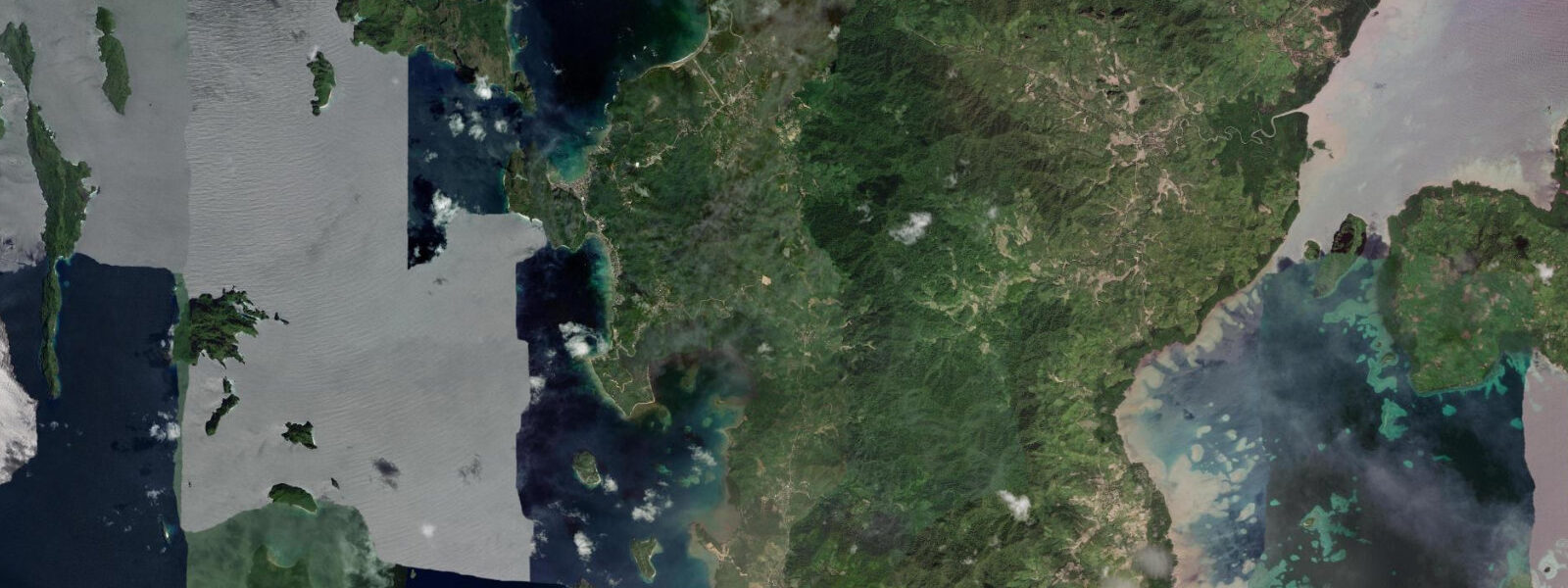
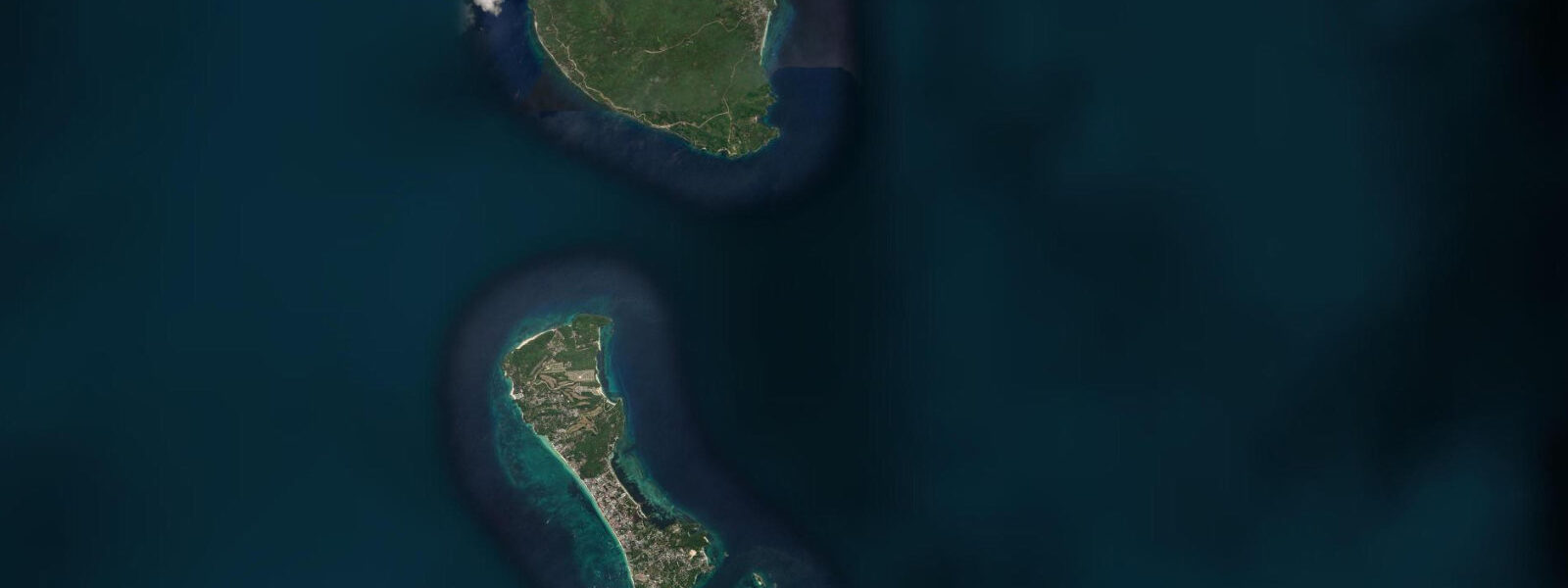
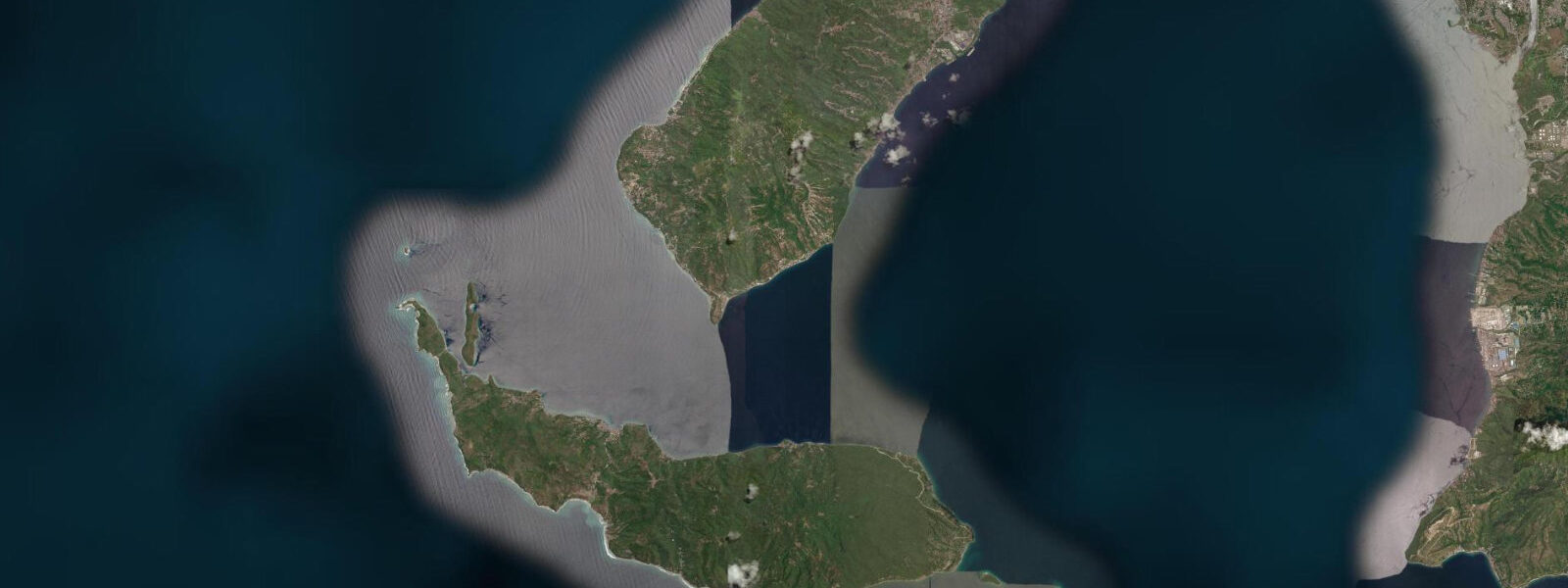
The three closest curated TideTurtle locations to Coron, measured by great-circle distance.
Today's solunar windows
Solunar tradition: major periods are the ≈3h windows around moon transit and opposition; minor are ≈2h around moonrise and moonset. Pair with the local tide stage and wind for the best read.
Cycle dates near Coron
Next spring tide on Mon 10 Aug (range 1.8m). Last neap on Tue 04 Aug.
Spring tides cluster around new and full moons (biggest swings). Neap tides land on quarter moons (smallest swings). See the spring tide and neap tide glossary entries for the why.
About tides at Coron
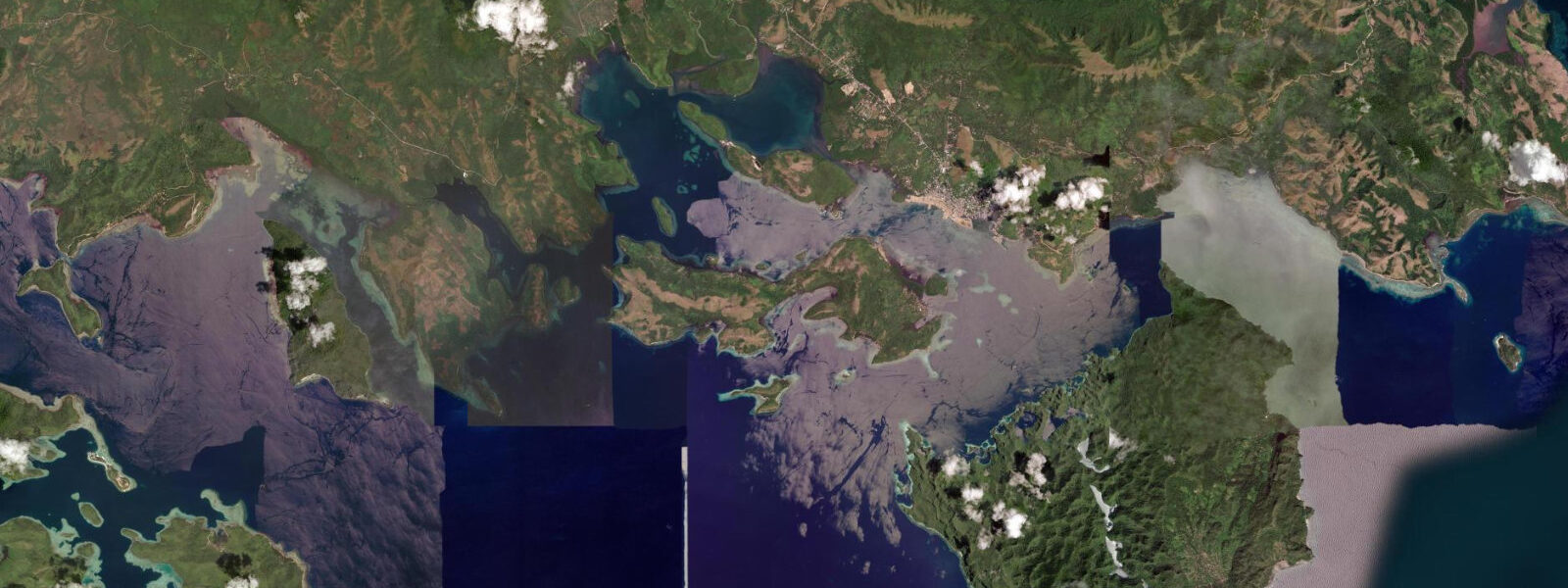
A short guide to the coastline at Coron — geography, sea state, and what the tide is actually doing under your feet.
Coron is the main town on Busuanga Island at the northern end of Palawan province, and it carries two separate identities: one as the gateway to the Calamian Islands' reefs and beaches, the other as one of the world's premier wreck-diving destinations. On 24 September 1944, a strike force of US Navy Grumman Hellcats and Curtiss SB2C Helldivers hit the Japanese fleet sheltering in Coron Bay in a single coordinated attack, sinking 24 vessels — supply ships, oilers, and a seaplane tender — in an action lasting under an hour. The wrecks now lie in 15 to 40 metres of depth across the bay floor, heavily encrusted after eight decades of coral growth.
The most visited are the Irako (passenger-cargo vessel, 37 m depth), the Okikawa Maru (oiler, stern in 22 m), the Kogyo Maru (armed freighter, 20 to 36 m), and the Olympia Maru (cargo ship, top of superstructure at 16 m). All are penetrable by experienced wreck divers. 0 metres, consistent with the broader northern Palawan coast.
Visibility in Coron Bay is typically 5 to 15 metres — murky by Philippine standards, due to the shallow bay's susceptibility to runoff and particulate matter from the surrounding Busuanga terrain. The best visibility windows are in calm settled weather and at or just after slack tide, when the water column has not been stirred by current. The standard dive briefing for most wrecks is to descend on the last of the flood or first of the ebb — slack is roughly 20 to 30 minutes either side of the predicted high — and to stay within the estimated slack window.
The thermocline inside several wrecks sits at about 18 to 24 metres where freshwater seeps from the limestone create a distinct halocline layer; buoyancy control through the halocline is the main technique challenge on penetration dives. Above the water, Coron Island itself (distinct from Coron town on Busuanga) is owned by the Tagbanua indigenous community, who manage access permits to Kayangan Lake and Twin Lagoon. Kayangan Lake is a saltwater lake trapped behind the island's limestone wall, connected to the sea through underground channels; the water clarity inside the lake is exceptional, typically 8 to 10 metres in the shallower areas.
Twin Lagoon at the base of a cliff on the island's northwest coast has a halocline at about 3 metres depth where the freshwater lens from the limestone sits above the saltwater below; snorkellers cross into the outer lagoon through a low cliff-base opening passable by bangka at mid-to-high tide only. The passage requires a kayak duck or bangka tilt at lower tidal stages; during low spring tides it may be impassable. The Coron-to-El Nido live-aboard route passes through the Calamian Group and is a standard live-aboard itinerary of 3 to 4 days, covering the wrecks, the outer reef drop-offs, and Calauit Safari Park on the northwest tip of Busuanga (home to a population of African ungulates introduced in 1977 as part of a wildlife relocation project).
Night diving on the Coron wrecks — the Okikawa Maru deck and the Olympia Maru superstructure in particular — is offered by specialist operators; the macro life active after dark includes skeleton shrimp, rare cephalopods, and bioluminescent organisms in the still water of the sheltered bay. The best window for night dives is at or just after the predicted low when the water column has settled; confirm slack timing with the dive operator using the PAGASA Coron prediction for the current month. Above the water, the town market on the Coron waterfront opens at sunrise for fresh catch brought in by the overnight fishing fleet — the catch unloads on the incoming tide before the market peaks around 06:30.
3 metres on height. PAGASA is the authoritative Philippine tide source.
Tide questions about Coron
Quick answers to the most common questions about tide times, range, and water access at Coron.
What are the main wrecks at Coron and how deep do they lie?
The 1944 US Navy airstrike sank 24 Japanese vessels in Coron Bay. The most frequently dived are: Irako (passenger-cargo, 37 m at the keel, superstructure at 20 m), Okikawa Maru (oiler, stern at 22 m, massive hull), Kogyo Maru (armed freighter, 20 to 36 m, has two cargo cranes), and Olympia Maru (cargo ship, 16 m on top). All are penetrable by qualified wreck divers with overhead-environment training; open-circuit air diving on most sites keeps bottom time tight at the deeper sections. The wrecks are heavily encrusted with coral and sponge growth after 80 years — they are as much reef as wreck.
When is visibility best for wreck diving in Coron Bay?
Coron Bay runs 5 to 15 metres of visibility typically — below-average by Philippine standards due to the shallow bay's particulate load from Busuanga runoff. The clearest windows are after several days of calm settled weather with no rain, and at or just after slack tide. Slack is roughly 20 to 30 minutes either side of the predicted high or low; descend on the last of the flood or first of the ebb to maximise your time in still water. Tidal predictions on this page are from Open-Meteo Marine (±45 minutes on timing, ±0.2 to 0.3 m on height), so treat the slack window estimate as approximate — ask your dive operator for their local timing read.
How do I access Kayangan Lake and Twin Lagoon on Coron Island?
Both are on Coron Island, owned by the Tagbanua indigenous community. Access requires paying the Tagbanua entrance fee at the landing — fees are collected at the island jetty, not in Coron town. For Kayangan Lake, the trail climbs over the limestone ridge (roughly 15 minutes); the lake is tidal-independent and accessible at any time. Twin Lagoon's outer lagoon is reached via a cliff-base opening: at mid-to-high tide, bangkas can pass through; at low spring tide the opening may reduce to a duck-through crawl or close entirely. Your boat crew will assess the tidal stage on arrival. The halocline at 3 metres depth inside Twin Lagoon is clearly visible as a wavy lens between the clear freshwater above and the saltwater below.
Where do these tide predictions come from?
Open-Meteo Marine, a gridded global ocean model; accuracy is typically ±45 minutes on timing and ±0.2 to 0.3 metres on height. PAGASA (Philippine Atmospheric, Geophysical and Astronomical Services Administration) is the authoritative Philippine tide source. The nearest PAGASA harmonic station to Coron Bay is at Coron itself — ask your dive operator for the local predicted slack times; they generally have the PAGASA table for the current month. For the wrecks, the dive briefing from your operator takes precedence over any online prediction.
Is this safe to use for wreck diving or navigation?
No. Wreck diving requires site-specific dive briefings from a qualified operator, certified wreck or overhead-environment training, and current knowledge of local visibility and tidal state — none of which a general tide prediction can substitute. TideTurtle's predictions are for general coastal planning only. For vessel navigation in Coron Bay and the Calamian Group channels, use NAMRIA Philippine charts and the Philippine Coastal Pilot; PAGASA publishes authoritative tide predictions for Coron port. Coron Bay has several shallow reef hazards and the wreck sites themselves are charted obstructions requiring GPS-waypoint navigation.
8-day tide table — Coron
Heights relative to MSL. Predictions: Open-Meteo Marine (MeteoFrance SMOC, 0.08° grid) — heights relative to MSL (not chart datum / LAT). Model-derived.
| Day | Type | Time | Height |
|---|---|---|---|
| Tue 04 Aug | Low | 08:00 | 0.6m |
| Wed 05 Aug | High | 01:55 | 1.2m |
| Low | 08:16 | 0.5m | |
| High | 14:00 | 0.9m | |
| Low | 19:38 | 0.5m | |
| Thu 06 Aug | High | 02:23 | 1.3m |
| Low | 09:55 | 0.4m | |
| High | 15:15 | 0.7m | |
| Low | 19:38 | 0.6m | |
| Fri 07 Aug | High | 03:07 | 1.4m |
| Low | 11:45 | 0.4m | |
| Sat 08 Aug | High | 04:00 | 1.5m |
| Low | 13:21 | 0.2m | |
| Sun 09 Aug | High | 05:12 | 1.6m |
| Low | 14:47 | 0.1m | |
| Mon 10 Aug | High | 06:36 | 1.7m |
| Low | 15:43 | -0.0m | |
| Tue 11 Aug | High | 07:00 | 1.8m |