Ancón, Lima Region tide times
Ancón, Lima Region tide forecast — heights relative to MSL.
Today's tide times for Ancón, Lima Region
Tide times at Ancón, Lima Region on Tuesday, 4 August 2026: first low tide at 02:00, first high tide at 08:15, second low tide at 15:06. Sunrise 06:25, sunset 18:03.
Tide chart for Ancón, Lima Region
24-hour cosine-interpolated curve around the present moment. Heights relative to MSL. Predictions: Predictions: Open-Meteo Marine (MeteoFrance SMOC, 0.08° grid).
Sun, moon and conditions on Tue 04 Aug
Snapshot at build time — refreshes daily. Sea state from Open-Meteo Marine.
Highs and lows next 7 days
Every predicted high and low for the next week, with the daily tidal coefficient (0–120; higher = bigger swing, > 95 means stronger currents).
Other spots nearby
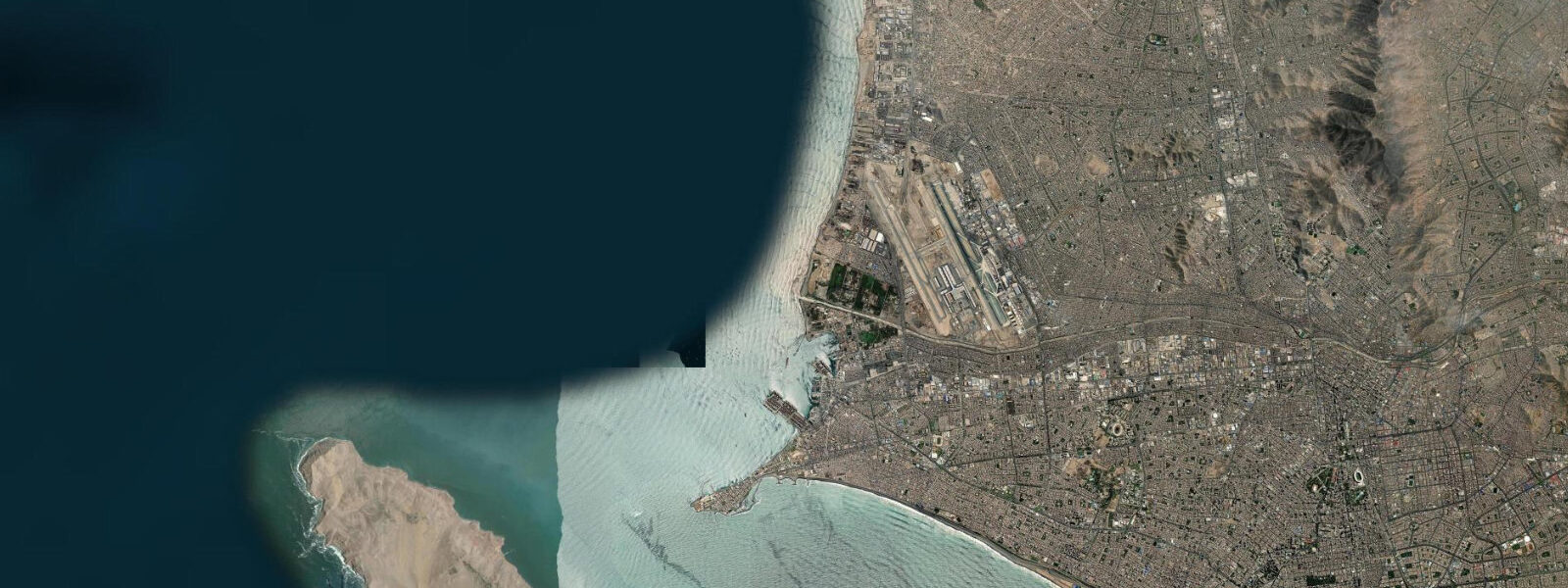
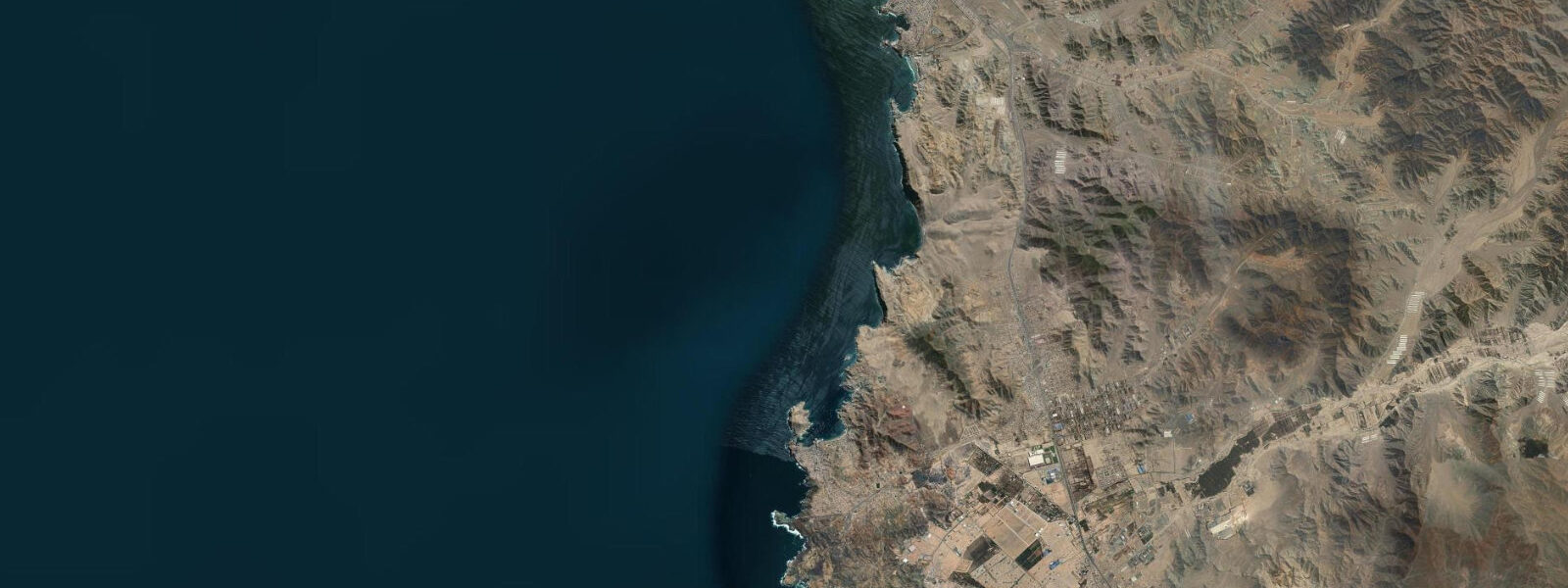
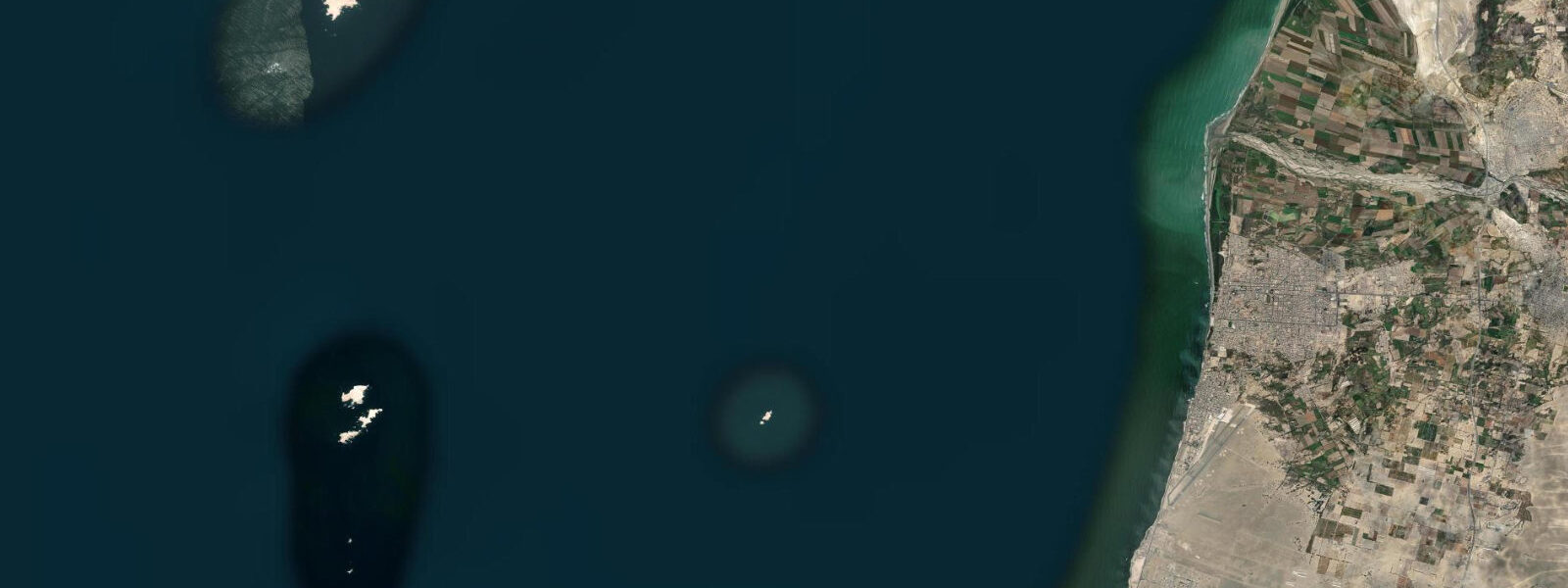
The three closest curated TideTurtle locations to Ancón, Lima Region, measured by great-circle distance.
Today's solunar windows
Solunar tradition: major periods are the ≈3h windows around moon transit and opposition; minor are ≈2h around moonrise and moonset. Pair with the local tide stage and wind for the best read.
Cycle dates near Ancón, Lima Region
Next spring tide on Sun 09 Aug (range 0.9m). Next neap on Fri 07 Aug.
Spring tides cluster around new and full moons (biggest swings). Neap tides land on quarter moons (smallest swings). See the spring tide and neap tide glossary entries for the why.
About tides at Ancón, Lima Region
A short guide to the coastline at Ancón, Lima Region — geography, sea state, and what the tide is actually doing under your feet.
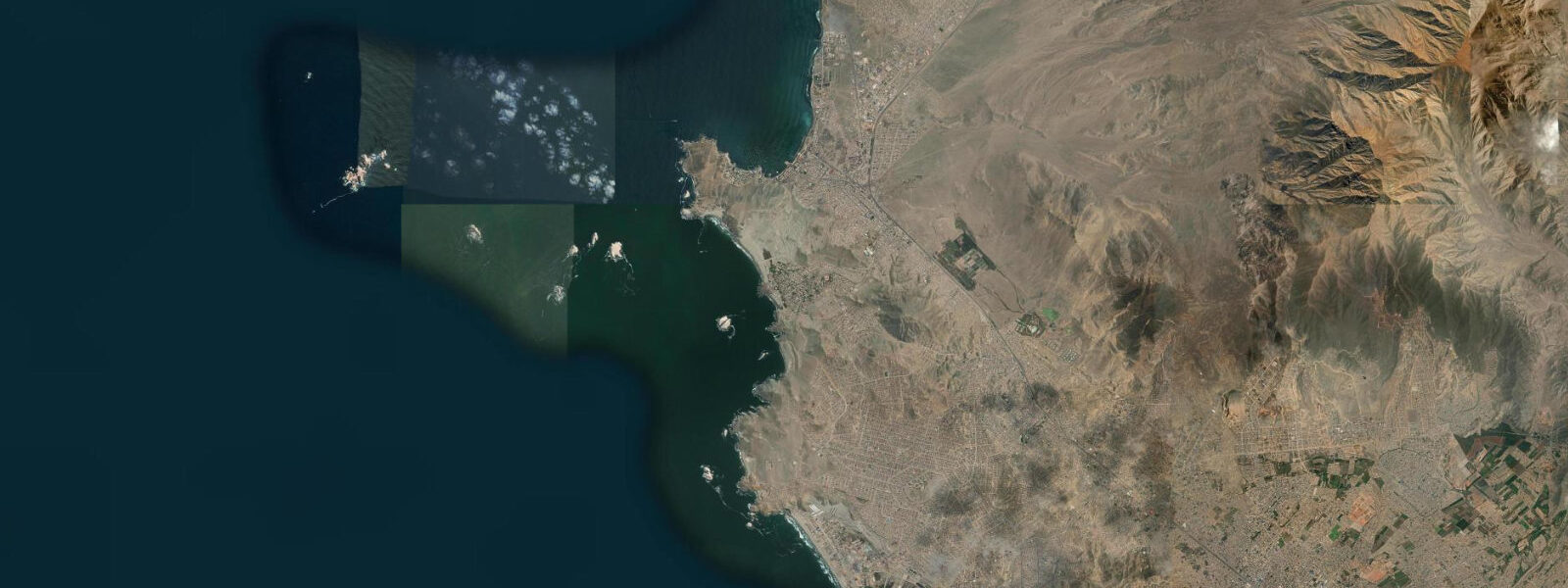
Ancón sits 43 km north of Lima on the Peruvian Pacific coast, tucked inside one of the calmest bays on a coastline that otherwise offers little shelter. The headlands on either side of Ancón Bay deflect the south-southwest swell that runs up from the Southern Ocean, and the bay floor shelves gradually, keeping wave energy low even when the open coast outside is running 1.0–1.5 m. That geometry is why Club Regatas La Punta chose Ancón Bay as its primary open-water regatta venue: the competition conditions are predictable, the water surface is readable, and coaches in chase boats can reach any part of the course in under four minutes.
The tide here is small by global standards. Peru sits on the eastern edge of the South Pacific, where the open-ocean geometry and the continental shelf configuration produce a semidiurnal pattern with a mean spring range of 0.5–1.0 m. High water on a typical spring day reaches around 0.9 m above chart datum; low water drops to roughly 0.1 m. The Humboldt Current — a cold, nutrient-rich upwelling system running north along the Peruvian coast — influences water temperature more than tidal state does: surface temperatures at Ancón stay in the 15–18°C range year-round, with cooler readings during strong upwelling events in the austral winter. Anglers working the rocky points at the south end of the bay time their sessions to the incoming tide, when corvina (Cilus gilberti) and lorna drum move into the shallower water to feed. The two hours before high water produce the most consistent action.
The bay entrance is marked by Caballeros Island, a low rocky outcrop at the northern lip that provides a reference bearing for sailors and a perch for Peruvian pelicans and guanay cormorants. From the beach, Lima's urban mass is visible to the south on clear days — the San Cristóbal hill above central Lima is the easiest landmark to fix. The beach itself is a protected semicircular arc of dark sand backed by a promenade. Families from Lima arrive in numbers from December through March, the Peruvian summer; the water is calm enough for small children and the bay currents are negligible.
Ancón carries historical weight that most Peruvian resort towns do not. The town's government building on the main square was the site of the signing of the Treaty of Ancón on 20 October 1883, which ended the War of the Pacific between Peru, Chile, and Bolivia. Under the treaty's terms, Chile gained permanent sovereignty over the Tarapacá region to the south, and Bolivia ceded its entire Pacific coastline — the landlocked status Bolivia still holds today. The building where the treaty was signed is a modest 19th-century structure, unremarkable except for what it witnessed. A plaque on the facade marks the date.
Directly behind the town, and largely invisible to visitors focused on the beach, lies the Ancón archaeological zone — one of the most important pre-Columbian burial sites on the Peruvian coast. Excavated in the 1870s by German archaeologists Wilhelm Reiss and Alphons Stübel, the site produced hundreds of burial bundles containing textiles, ceramics, and tools from cultures spanning several centuries before the Inca expansion. The Ancón textiles — fine cotton and wool cloths with geometric and figurative designs — are held in museum collections in Berlin, Lima, and London. The site itself is not open for general tourism, but the quality of what came out of it placed Ancón on the map of Andean archaeology.
For paddlers, the bay is accessible year-round. Kayaks and stand-up paddleboards launch from the southern end of the beach where the gradient is gentlest. The circuit around Caballeros Island at the bay mouth takes approximately 90 minutes from the beach at a relaxed pace; the water between the island and the mainland runs 0.5–1.0 knots on the ebb, manageable for intermediate paddlers. Stay in the lee of the island on the return — the exposed north face picks up any swell running from the northwest.
Photographers find the best light in the late afternoon when the sun drops toward the Pacific and the headlands cast shadows across the bay. The pelican roost on Caballeros Island is most active at dusk. For the beach itself, the low tidal range means the waterline position changes only half a metre across the tidal cycle — you can set up at any state of tide without worrying about being stranded or swamped.
Tide data for Ancón, Lima Region comes from the Open-Meteo Marine API, a gridded model product. Timing accuracy is ±45 minutes, height accuracy ±0.3 m — usable for trip planning, not for navigation.
Tide questions about Ancón, Lima Region
Quick answers to the most common questions about tide times, range, and water access at Ancón, Lima Region.
What is the tidal range at Ancón Bay and how does it affect beach conditions?
The mean spring tidal range at Ancón is 0.5–1.0 m — small compared to Atlantic or North Sea coasts. High spring water reaches roughly 0.9 m above chart datum; low water drops to around 0.1 m. In practice, the waterline shifts by less than a metre across the full tidal cycle, so beach area and wave conditions change little between high and low tide. The sheltered bay geometry matters more than tidal state for day-to-day conditions — the headlands keep the water calm regardless of where the tide sits.
When is the best time to fish for corvina at Ancón?
Shore fishing for corvina (Cilus gilberti) and lorna drum at Ancón is most productive on the incoming tide, particularly the two hours before high water. The fish move into the shallower rocky areas along the south headland as water depth increases. Spring tides — when the range reaches the upper end of 0.5–1.0 m — produce the strongest tidal movement and tend to concentrate fish. Water temperatures in the 15–18°C range support good feeding activity year-round, though local anglers report that the austral autumn months (April–June) produce the most consistent catches from the rocky points.
Is Ancón Bay suitable for kayaking and stand-up paddleboarding?
Ancón Bay is well-suited to both kayaking and SUP. The sheltered geometry keeps the water calm on most days, and the small tidal range means current between the beach and Caballeros Island stays below 1.0 knot except during strong ebb. Intermediate paddlers can complete the circuit around Caballeros Island in 90 minutes from the beach launch point at the southern end. The exposed north face of the island picks up northwest swell when conditions outside the bay are active — keep to the lee side on the return leg. The bay is accessible year-round; December through March brings more beach traffic but the water conditions remain similar.
What is the historical significance of Ancón for Peru and the region?
The Treaty of Ancón, signed in the town's government building on 20 October 1883, ended the War of the Pacific. Under its terms, Peru ceded the Tarapacá region to Chile permanently, and Bolivia lost its entire Pacific coastline — the landlocked status Bolivia still holds. A plaque on the facade of the signing building on the main square marks the event. The town is also the location of a major pre-Columbian burial site, excavated in the 1870s, that produced Ancón-culture textiles now held in museum collections in Berlin, Lima, and London — among the finest pre-Inca textile work found on the Peruvian coast.
How accurate is the tide data for Ancón on tideturtle.com?
Tide predictions for Ancón come from the Open-Meteo Marine API, a gridded model that covers the global coast including the Peruvian Pacific. Timing accuracy is ±45 minutes and height accuracy is ±0.3 m. For the small tidal range at Ancón (0.5–1.0 m spring), the height uncertainty is proportionally significant — treat the data as a guide for trip planning rather than a precise instrument. For fishing, kayak trips, and beach visits, the predictions are reliable enough. For any navigation into or out of the bay in a vessel with draught concerns, use official INAHOE (Peruvian hydrographic authority) tide tables.
7-day tide table — Ancón, Lima Region
Heights relative to MSL. Predictions: Open-Meteo Marine (MeteoFrance SMOC, 0.08° grid) — heights relative to MSL (not chart datum / LAT). Model-derived.
| Day | Type | Time | Height |
|---|---|---|---|
| Tue 04 Aug | Low | 02:00 | 0.0m |
| High | 08:15 | 0.5m | |
| Low | 15:06 | -0.1m | |
| Wed 05 Aug | High | 08:54 | 0.4m |
| Low | 15:50 | -0.1m | |
| Thu 06 Aug | High | 09:42 | 0.4m |
| Low | 16:42 | -0.1m | |
| Fri 07 Aug | High | 00:15 | 0.4m |
| Low | 17:45 | -0.1m | |
| Sat 08 Aug | High | 12:00 | 0.3m |
| Low | 18:55 | -0.2m | |
| Sun 09 Aug | High | 02:40 | 0.6m |
| Low | 20:00 | -0.2m | |
| Mon 10 Aug | High | 03:37 | 0.7m |
| Low | 10:18 | 0.1m | |
| High | 14:54 | 0.3m | |
| Low | 18:00 | 0.1m |