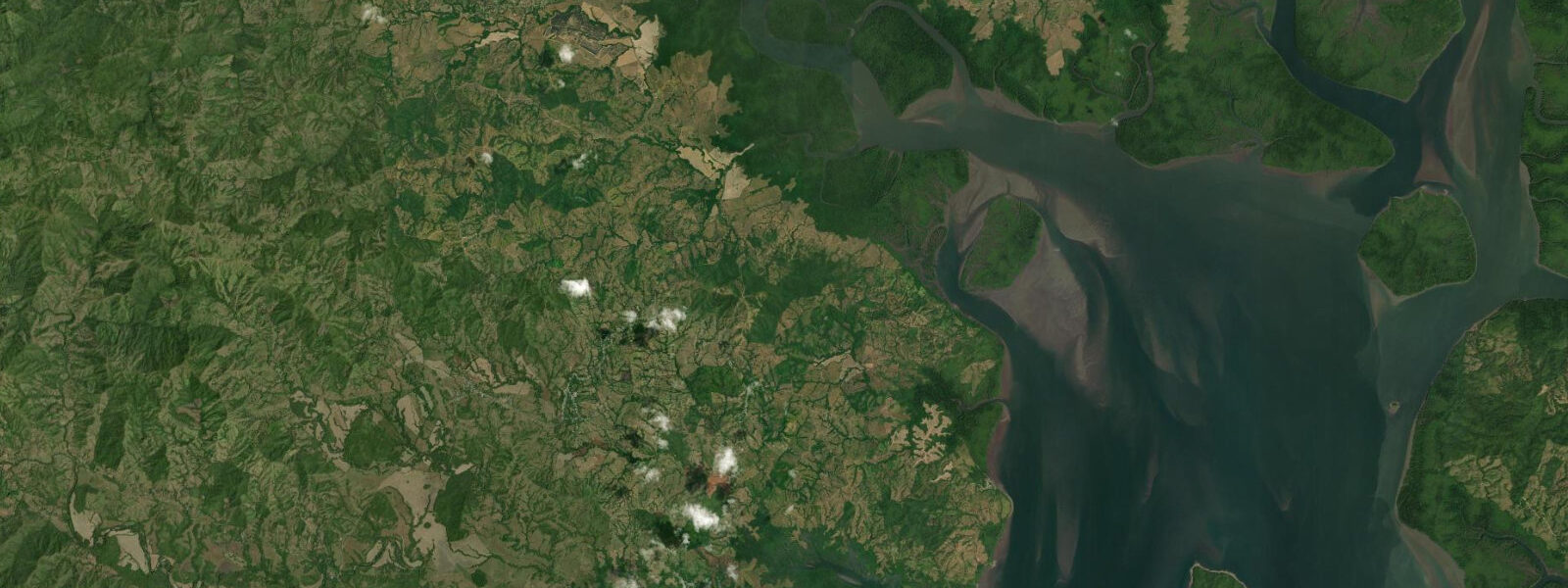
Santa Catalina tide times
Santa Catalina tide forecast — heights relative to MSL.
Today's tide times for Santa Catalina
Tide times at Santa Catalina on Tuesday, 4 August 2026: first low tide at 12:33am, first high tide at 06:44am, second low tide at 01:03pm, second high tide at 07:06pm. Sunrise 06:17am, sunset 06:44pm.
Tide chart for Santa Catalina
24-hour cosine-interpolated curve around the present moment. Heights relative to MSL. Predictions: Predictions: Open-Meteo Marine (MeteoFrance SMOC, 0.08° grid).
Sun, moon and conditions on Tue 04 Aug
Snapshot at build time — refreshes daily. Sea state from Open-Meteo Marine.
Highs and lows next 7 days
Every predicted high and low for the next week, with the daily tidal coefficient (0–120; higher = bigger swing, > 95 means stronger currents).
Other spots nearby
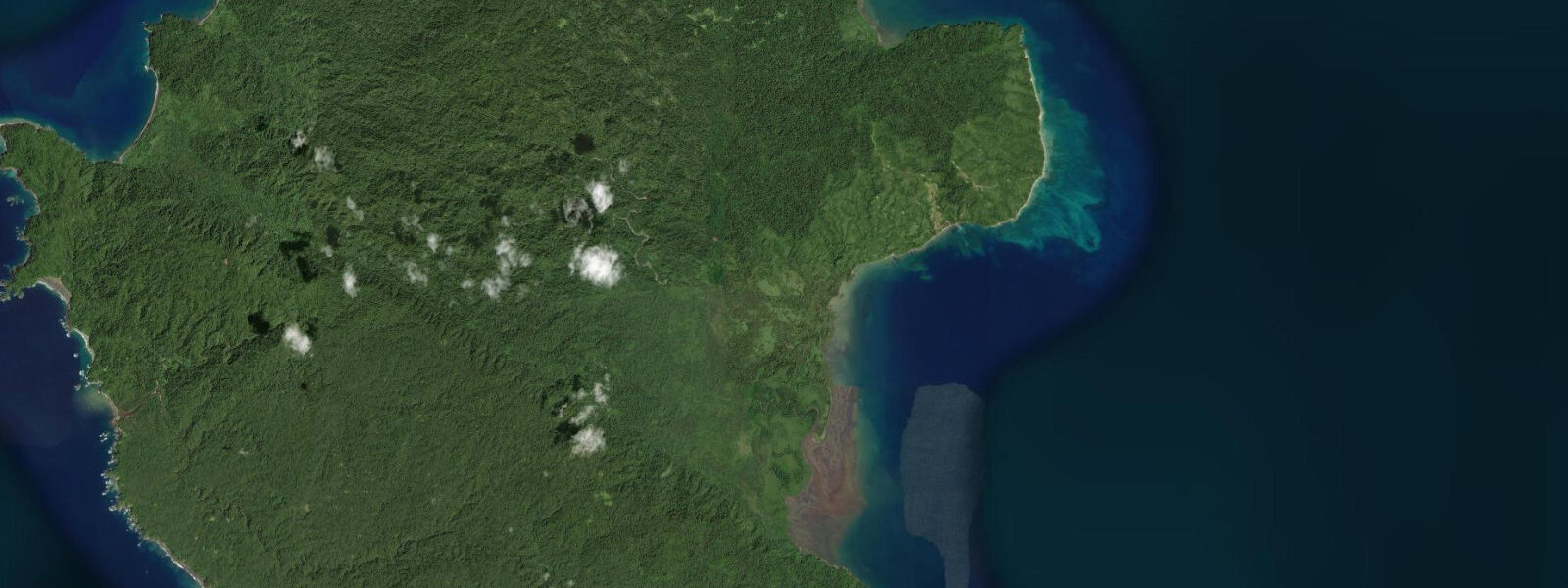
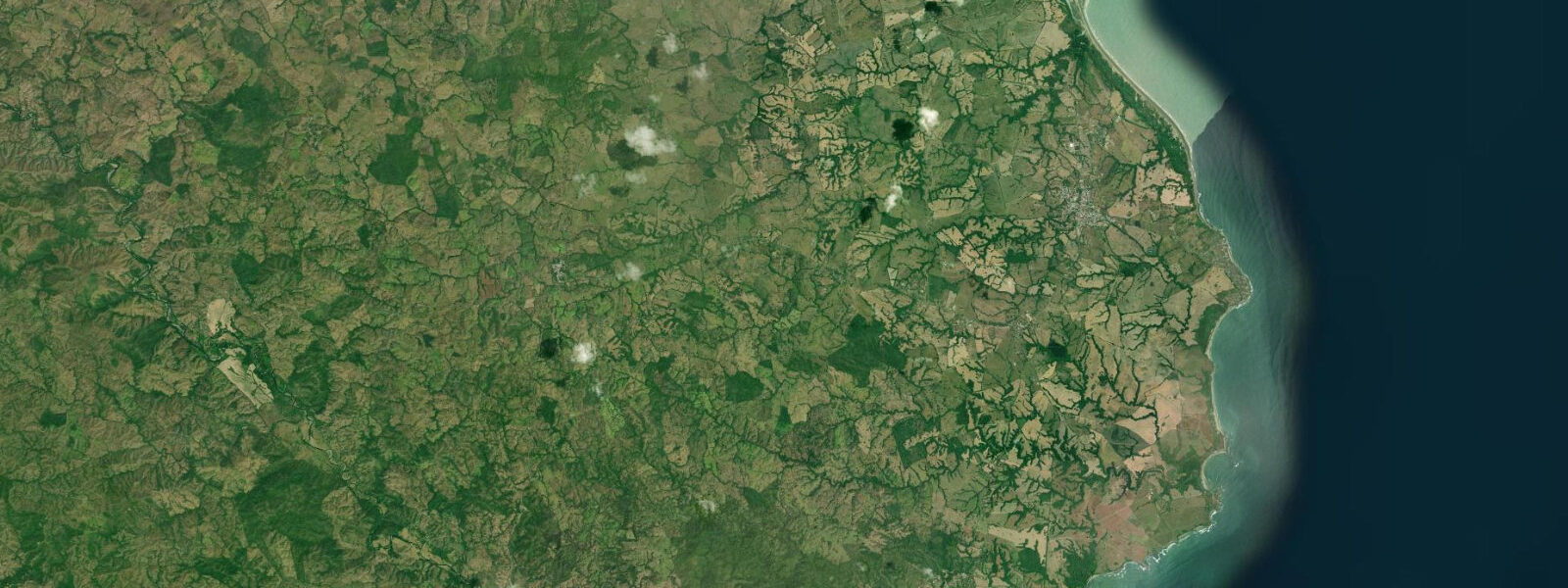
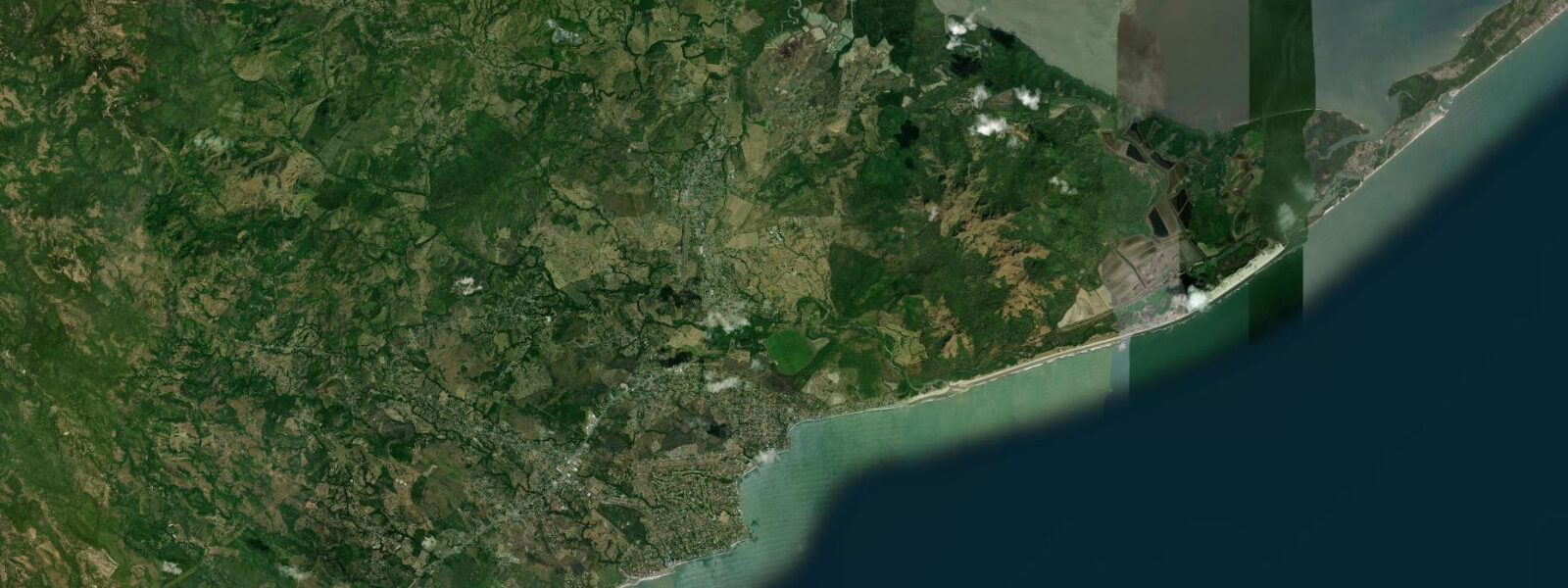
The three closest curated TideTurtle locations to Santa Catalina, measured by great-circle distance.
Today's solunar windows
Solunar tradition: major periods are the ≈3h windows around moon transit and opposition; minor are ≈2h around moonrise and moonset. Pair with the local tide stage and wind for the best read.
Cycle dates near Santa Catalina
Last spring tide on Mon 03 Aug (range 2.8m). Next spring tide on Sun 09 Aug (range 2.4m). Next neap on Thu 06 Aug.
Spring tides cluster around new and full moons (biggest swings). Neap tides land on quarter moons (smallest swings). See the spring tide and neap tide glossary entries for the why.
About tides at Santa Catalina
A short guide to the coastline at Santa Catalina — geography, sea state, and what the tide is actually doing under your feet.
Santa Catalina is a small fishing village on the Pacific coast of Veraguas, accessed by a 2 hour road from the provincial capital Santiago. The road from Santiago is paved throughout; the final descent to the coast passes through dry tropical forest on steep hillsides before opening to the village and the Pacific. The village itself is straightforward — a handful of streets, fishing boats on the beach, a cluster of guesthouses and small restaurants that have grown around the surf and dive visitor economy over the past two decades. The beach at Playa Santa Catalina is best known for its right-hand point break at the north end of the bay. The break works on northwest Pacific swell that arrives from the North Pacific storm tracks; the point deflects the swell into a right-hand wall that peels along the rock shelf for 50 to 100 m depending on swell size and tide. The tidal state matters significantly here. The macrotidal Pacific range at Santa Catalina reaches 4.5 to 5.5 m on spring tides — one of the largest ranges on the Central American coast. At low spring tide, the rocky tidal shelf in front of the point exposes for 100 to 150 m from the shoreline; the water over the shelf is ankle to knee deep and the bottom is bare rock and cobble. At high tide, the shelf is covered and the breaking wave moves closer to the beach and loses much of its shape. The optimum window for the point is on the incoming tide, approximately 2 hours either side of mid-tide when the shelf is covered with 0.5 to 1 m of water over the rocks and the wave shape is at its best. The 5 m tidal range means that window comes and goes on a predictable 6-hour cycle; checking the tide table before paddling out is standard practice at Santa Catalina, not an afterthought. The south-facing beach section (Playa El Estero, a short walk from the main village) has a more beach-break character and works on south and southwest swell from the South Pacific; the tide effect is the same — low tide exposes the rock bottom and makes it unpleasant, mid-incoming is the preferred window. Santa Catalina is the primary embarkation point for day trips and dive live-aboards to Coiba National Park, 30 km offshore. Boat operators run day trips departing early morning (typical departure 06:30–07:00); the return voyage works with the afternoon sea breeze. The Coiba passage is open Pacific ocean — 1.5 hours each way on a fast panga — and requires calm-to-moderate conditions. The dive sites around Coiba hold hammerhead sharks, whale sharks, manta rays, and Pacific species not found on the Caribbean side of Panama. Humpback whales (Megaptera novaeangliae) aggregate around the Coiba park from July through October for breeding season; the passage between Santa Catalina and the island is a reliable sighting area. Shore fishing from the beach and the tidal flat at low water targets roosterfish, jack, and snook; the exposed rock shelf at low spring presents a wide wadeable area where casting into the current surge zone is practical. Tide predictions at Santa Catalina come from Open-Meteo Marine, a gridded global ocean model; accuracy is typically ±45 min on timing and ±0.2–0.3 m on height. AMP (Autoridad Marítima de Panamá) publishes official Pacific-side tide tables and is the authoritative reference for this coast.
The village of Santa Catalina has grown from a subsistence fishing community into a functional surf and dive hub over roughly 25 years, without acquiring the infrastructure of a major resort. Accommodation ranges from budget hammock guesthouses to mid-range surf camps with package deals; the restaurant options are limited but reliable. The frontier character of the town — one main road, fishing boats on the beach, howler monkeys audible from the forest behind at dawn — is a feature rather than a deficit for the visitors it attracts. The village's location on the Pacific side of the Veraguas coast, on a peninsula with the Montijo Gulf behind it, means the road access from Santiago passes through a landscape very different from Panama City: dry tropical forest, cattle ranches, and small agricultural towns. The contrast with the Canal Zone and the capital is immediate and complete.
Tide questions about Santa Catalina
Quick answers to the most common questions about tide times, range, and water access at Santa Catalina.
What is the tidal range at Santa Catalina and why does it matter for surfing?
Santa Catalina has a Pacific macrotidal regime with a spring tidal range of 4.5 to 5.5 m — among the largest on the Central American coast. The tidal state is one of the primary controls on wave quality at the Santa Catalina point break. At low spring tide, the rocky shelf in front of the point is exposed by 100 to 150 m, making it nearly dry. At high tide, the shelf is covered and the wave moves too close to shore. The optimum surf window is approximately 2 hours either side of mid-tide on the incoming phase, when 0.5 to 1 m covers the rock and the wave shape is at its best. Given the 5 m range and a 6-hour tidal phase, that optimum window occurs twice daily at predictable times visible in the tide table on this page. Tide predictions come from Open-Meteo Marine; accuracy is ±45 min on timing and ±0.2–0.3 m on height — minor relative to a 5 m range. AMP is the authoritative tide-table source.
How do I book a day trip from Santa Catalina to Coiba National Park?
Day trips to Coiba National Park are run by several boat operators based in Santa Catalina village. Most depart at 06:30 to 07:00 — the early start allows arrival at the dive/snorkel sites before the afternoon sea breeze builds and the return passage deteriorates. The crossing is 1.5 hours each way on a fast panga (open outboard boat); open Pacific conditions apply and the trip is not suitable in strong wind or heavy swell. Advance booking is essential in the July–October peak season; turn-up availability is limited and operators fill quickly. The AMP (Autoridad Marítima de Panamá) requires a park entry fee and guide for all Coiba National Park visits; the operators include this in their package price. Live-aboard dive boats spending multiple nights in the park are the alternative for serious divers who want extended time on the site.
When do humpback whales pass through the Santa Catalina area?
Humpback whales (Megaptera novaeangliae) use the Coiba National Park area and the Pacific waters off Veraguas as a breeding and nursery ground from approximately July through October. The Southern Hemisphere population migrates from Antarctic feeding grounds; the peak of activity around Coiba Island is typically August and September. Whale watching from Santa Catalina day trip boats is not a dedicated offering from all operators, but sightings of whales and calves in the passage between the mainland and Coiba Island are common from July onward. Snorkellers and divers in the park area also report whale song during dives in this period. The Azuero Peninsula coast (2 hours south toward Pedasí) has dedicated whale-watch operators who offer purpose-built excursions; Santa Catalina does not have the same dedicated infrastructure but the sighting probability on any Coiba day trip in August–September is high.
What are the road and logistics for reaching Santa Catalina?
Santa Catalina is reached from Santiago, the capital of Veraguas Province, on the Interamericana highway (approximately 170 km from Panama City, 2 hours). From Santiago, the road to Santa Catalina is paved throughout and runs 90 km to the coast — approximately 1.5 to 2 hours depending on driving pace, with the final section on a single-lane road through hilly dry forest. Total drive from Panama City to Santa Catalina is 3.5 to 4.5 hours. There is no public transport that runs directly to Santa Catalina from Panama City; the route involves bus to Santiago then connecting minibus or taxi to the coast. Fuel and supplies should be purchased in Santiago — the village has a small shop but limited supplies. Basic guesthouses, hostels, and a few mid-range surf camps operate in the village year-round.
What is the best swell season for Santa Catalina?
Santa Catalina receives swell from two directions. North-northwest swell from the North Pacific storm tracks (November through April) is the primary source for the point break at the north end of the bay; this period coincides with the dry season in Veraguas (December–April), when road access is better and weather more predictable. South-southwest swell from South Pacific storms runs April through September and activates the beach break sections facing southwest. The combination of both swell windows means Santa Catalina has surf year-round at a level rare on the Central American Pacific coast. The consistent 4.5 to 5.5 m tidal range applies year-round; the tide table is essential reading regardless of season. July through October brings both swell and humpback whales in the Coiba passage; this is the most active period for combined surf and marine wildlife activity.
7-day tide table — Santa Catalina
Heights relative to MSL. Predictions: Open-Meteo Marine (MeteoFrance SMOC, 0.08° grid) — heights relative to MSL (not chart datum / LAT). Model-derived.
| Day | Type | Time | Height |
|---|---|---|---|
| Tue 04 Aug | Low | 00:33 | -0.9m |
| High | 06:44 | 2.0m | |
| Low | 13:03 | -0.8m | |
| High | 19:06 | 1.7m | |
| Wed 05 Aug | Low | 01:12 | -0.8m |
| High | 07:26 | 1.9m | |
| Low | 13:50 | -0.7m | |
| High | 19:52 | 1.5m | |
| Thu 06 Aug | Low | 02:00 | -0.6m |
| High | 08:15 | 1.7m | |
| Low | 14:42 | -0.7m | |
| High | 20:49 | 1.4m | |
| Fri 07 Aug | Low | 02:53 | -0.5m |
| High | 09:13 | 1.6m | |
| Low | 15:43 | -0.6m | |
| High | 21:57 | 1.3m | |
| Sat 08 Aug | Low | 04:00 | -0.4m |
| High | 10:22 | 1.6m | |
| Low | 16:56 | -0.6m | |
| High | 23:11 | 1.4m | |
| Sun 09 Aug | Low | 05:16 | -0.4m |
| High | 11:37 | 1.7m | |
| Low | 18:10 | -0.6m | |
| Mon 10 Aug | High | 00:27 | 1.5m |
| Low | 06:32 | -0.5m | |
| High | 12:48 | 1.8m | |
| Low | 18:00 | -0.6m |