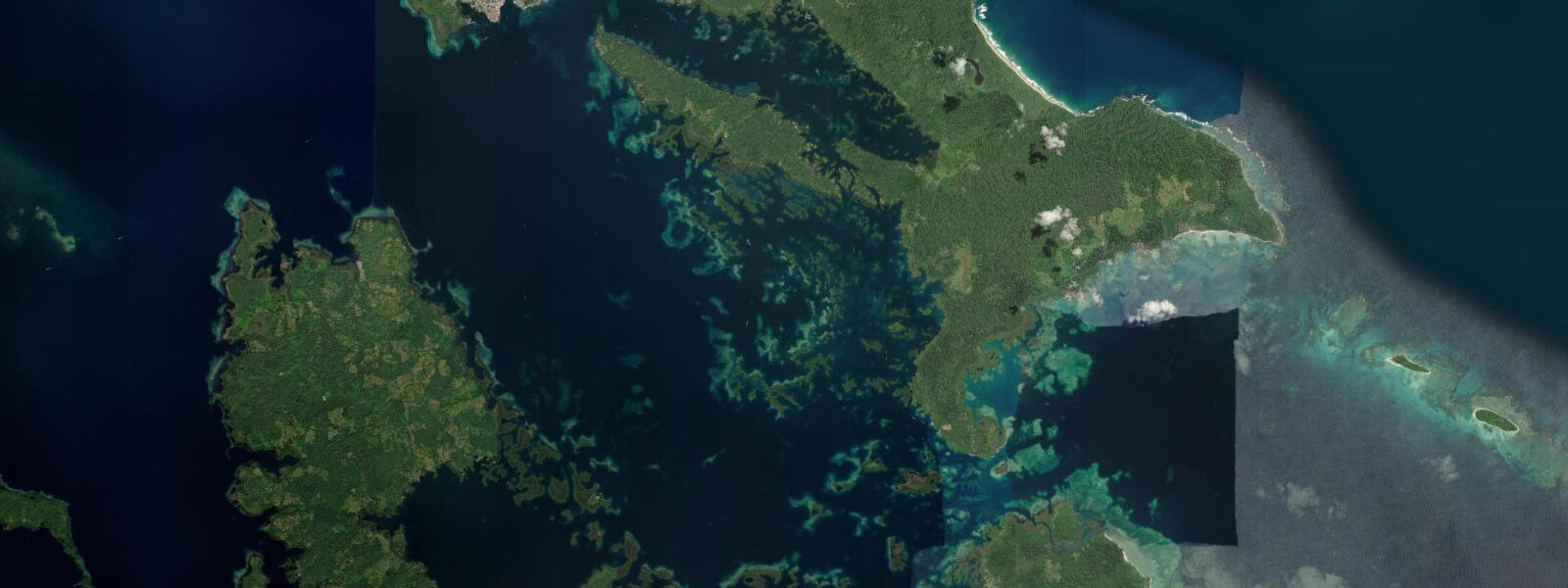
Bastimentos Island, Bocas del Toro tide times
Bastimentos Island, Bocas del Toro tide forecast — heights relative to MSL.
Today's tide times for Bastimentos Island, Bocas del Toro
Tide times at Bastimentos Island, Bocas del Toro on Tuesday, 4 August 2026: first low tide at 10:10am, first high tide at 04:54pm. Sunrise 06:19am, sunset 06:49pm.
Tide chart for Bastimentos Island, Bocas del Toro
24-hour cosine-interpolated curve around the present moment. Heights relative to MSL. Predictions: Predictions: Open-Meteo Marine (MeteoFrance SMOC, 0.08° grid).
Sun, moon and conditions on Tue 04 Aug
Snapshot at build time — refreshes daily. Sea state from Open-Meteo Marine.
Highs and lows next 7 days
Every predicted high and low for the next week, with the daily tidal coefficient (0–120; higher = bigger swing, > 95 means stronger currents).
Other spots nearby
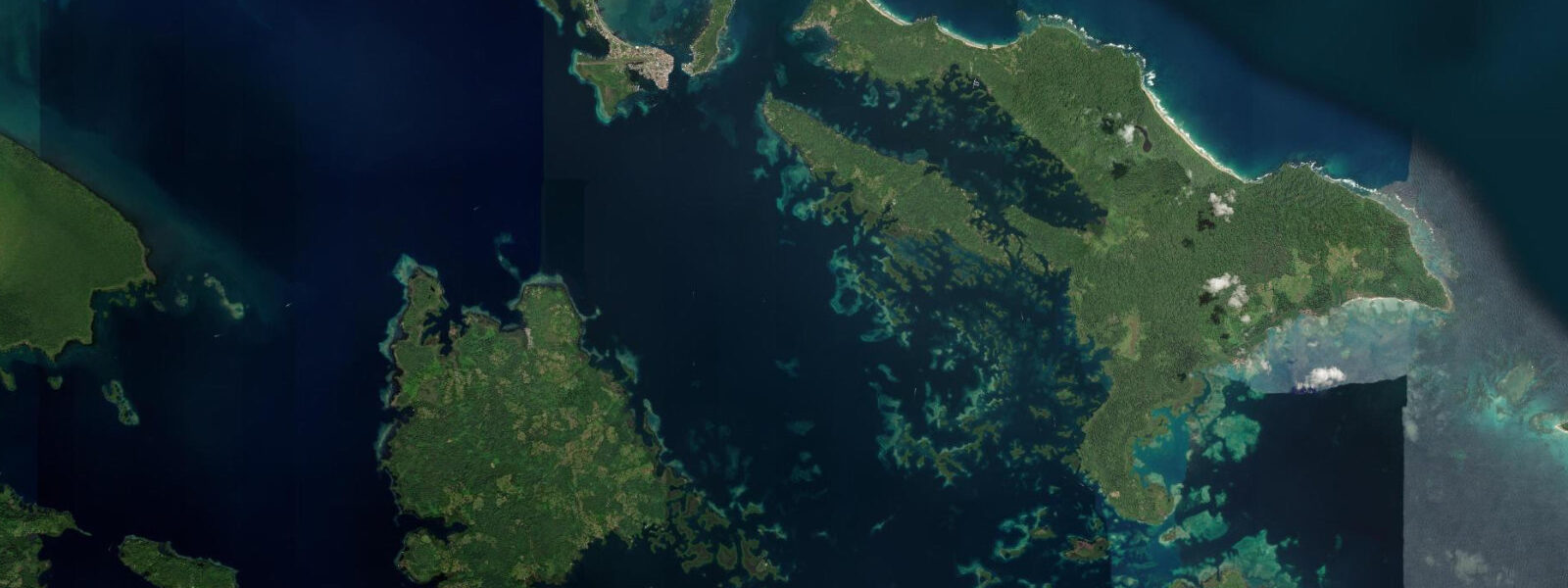
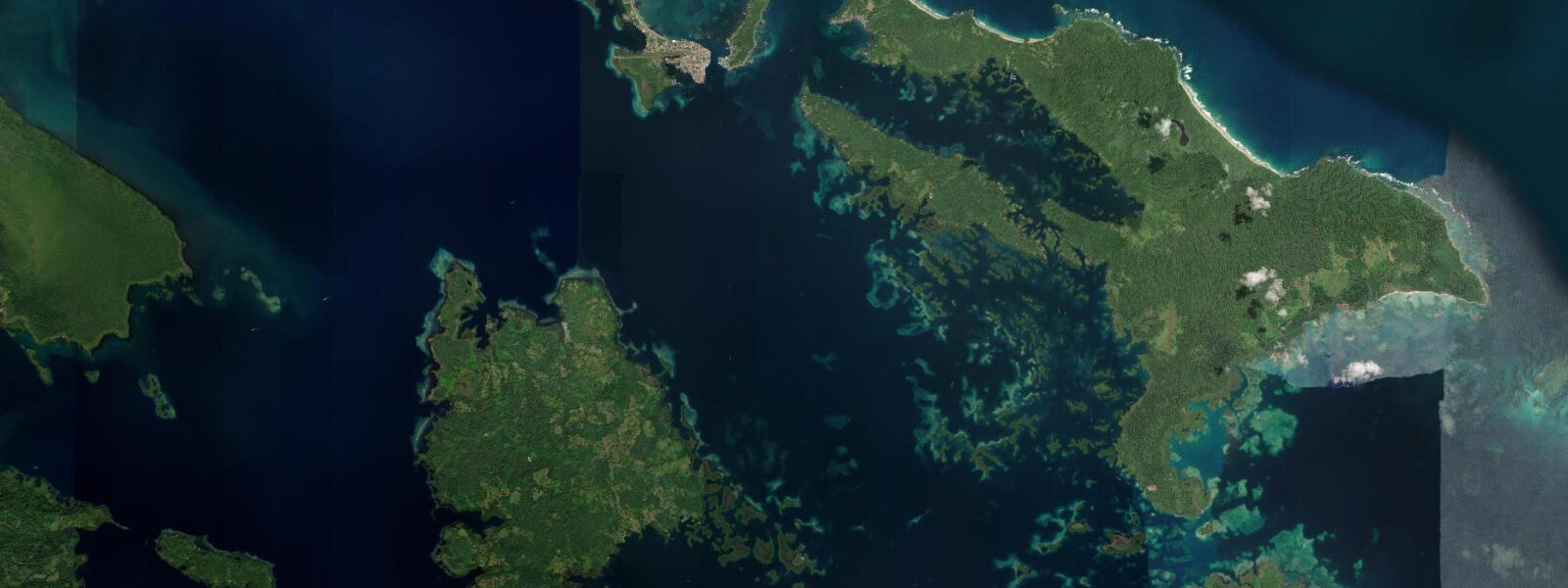
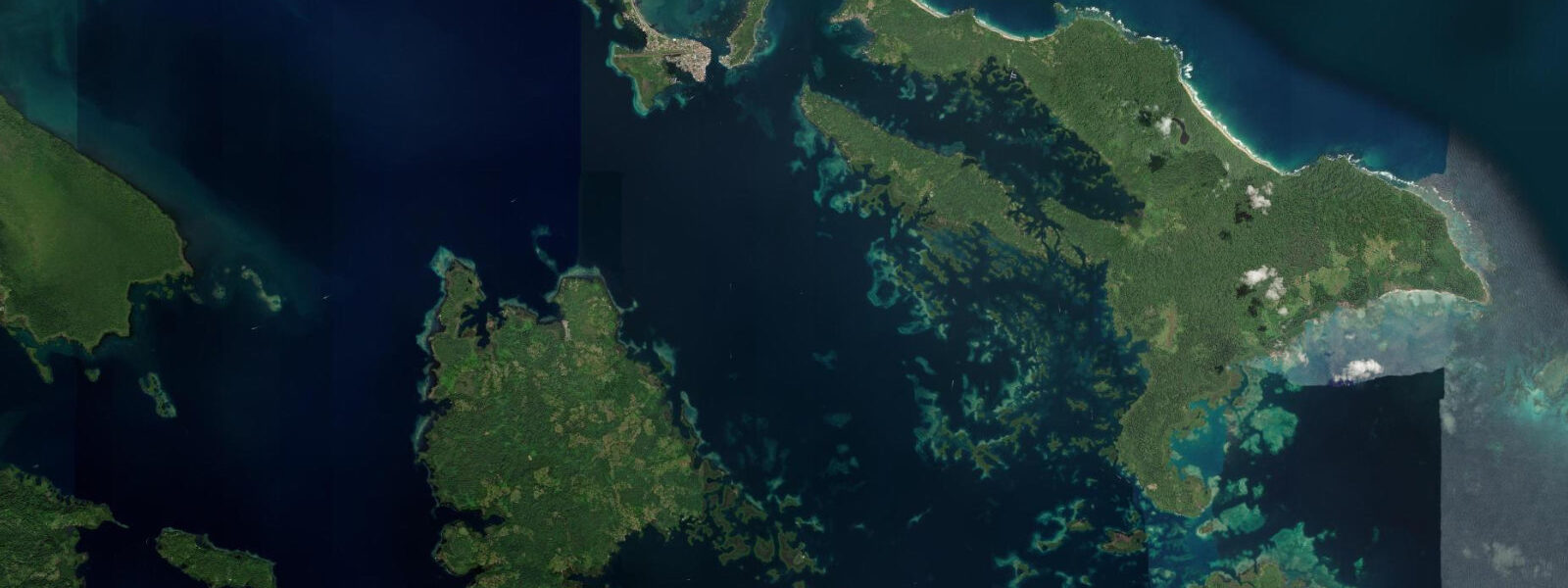
The three closest curated TideTurtle locations to Bastimentos Island, Bocas del Toro, measured by great-circle distance.
Today's solunar windows
Solunar tradition: major periods are the ≈3h windows around moon transit and opposition; minor are ≈2h around moonrise and moonset. Pair with the local tide stage and wind for the best read.
Cycle dates near Bastimentos Island, Bocas del Toro
Next spring tide on Sat 08 Aug (range 0.5m). Next neap on Tue 04 Aug.
Spring tides cluster around new and full moons (biggest swings). Neap tides land on quarter moons (smallest swings). See the spring tide and neap tide glossary entries for the why.
About tides at Bastimentos Island, Bocas del Toro
A short guide to the coastline at Bastimentos Island, Bocas del Toro — geography, sea state, and what the tide is actually doing under your feet.
Isla Bastimentos is the second-largest island in Panama's Bocas del Toro Archipelago, on the Caribbean coast of Bocas del Toro Province. It is larger and less visited than the main tourist hub of Isla Colón, and most of its interior is forested, protected within the Parque Nacional Marino Isla Bastimentos. The island's two coastlines face completely different bodies of water — the north coast meets the open Caribbean, the south coast faces the protected Almirante Bay lagoon system — and the tidal regime here is about as different from the Pacific as you can find in the same country.
Bocas del Toro sits on the Caribbean, and Caribbean tides are microtidal. Mean spring range at Bastimentos is 0.2–0.4 m — less than half the depth of a standard kitchen glass. Neap tides are nearly imperceptible: 0.1 m or less. There is still a predictable tidal signal here, running mixed semidiurnal, but the water level change is so small that most visitors would never notice it without a gauge. The practical implication is that tide stage matters far less for planning most beach or water activities here than it does on any Pacific coast. Reefs, channels, and beach character are governed primarily by swell conditions and wind, not by the tide.
The north coast of Bastimentos faces northeast toward the open Caribbean and receives Atlantic groundswell and trade-wind chop. Wizard Beach (Playa Wizard), on the north coast, is the island's most consistently surf-able beach — a long strand receiving 1–2 m Caribbean swell during the strong trade-wind season (December through March). The surf here is beach break, with quality varying considerably day to day depending on wind direction and swell period. With a tidal range of only 0.3 m, tide stage has almost no influence on wave character at Wizard Beach. Wind is the variable that drives conditions: the best surf comes with steady north or northeast winds pushing consistent 8–12 second period swell, not with a particular tide stage.
The south coast fronts the Almirante Bay lagoon — sheltered, calm, and shallow in parts. The Almirante Bay system is the working waterway of the archipelago: cargo pangas, water taxis, local fishing boats, and the occasional tourist lancha all transit these waters. On the south coast, water depths are shallow enough in some areas that even the 0.3 m spring tidal change makes a difference for draft — local pangas drawing 0.3–0.4 m sometimes wait for the high before crossing the shallower cuts between islands.
Old Bank, also called Bastimentos Town, is the main village on the island, on the south coast at the west end. It is a compact wooden-building community built on pilings partly over the water, connected to Bocas Town on Isla Colón by water taxi — a 15-minute ride across the channel in a motorised panga. There are no roads on Bastimentos; movement between Old Bank and the north coast beaches is by foot along trails through the forest, or by water around the island.
Red Frog Beach, on the north coast, takes its name from the strawberry poison-dart frog (Oophaga pumilio) that inhabits the island's interior forest. The population at Bastimentos is the red colour morph — the same species elsewhere in its range can appear orange, yellow, or blue-and-black, but at Bastimentos the frogs are predominantly red-orange with dark-spotted legs. They are small, diurnal, and bold: males call loudly from leaf litter and low vegetation and are not difficult to find if you spend time on the forest floor trails between Red Frog Beach and the interior. They are toxic — the alkaloid skin secretions are a contact hazard — so they should be observed without handling. The frogs are not a marine species and have no relationship to the tidal cycle; they live in the leaf litter of the humid forest and are active on warm, humid days regardless of tide state.
The Parque Nacional Marino Isla Bastimentos protects not just the forest interior but the coral reef systems and sea turtle nesting beaches on the north coast. Leatherback turtles (Dermochelys coriacea) nest from March through September, with peak nesting in April and May. Hawksbill turtles (Eretmochelys imbricata) nest across a similar but slightly more extended season. Both species nest at night on the north-coast beaches. Authorised nighttime turtle-watching tours operate from Old Bank and from Bocas Town — the guides carry red-light torches (white light disturbs nesting turtles) and know which beaches have active nests. Nesting activity is independent of tidal stage: leatherbacks and hawksbills do not time their nesting emergence to a particular tide height, though they generally emerge after full dark.
For paddlers, the protected south coast lagoon system is the primary kayaking and SUP territory — flat water, mangrove channels to explore, and wildlife (herons, kingfishers, occasional crocodile) along the mangrove edges. The microtidal Caribbean means current is minimal and trip planning is straightforward regardless of the predicted tide. North coast paddling is exposed and subject to swell and trade-wind chop — a different proposition requiring more experience.
Tide data for Bastimentos Island, Bocas del Toro comes from the Open-Meteo Marine API, a gridded model product. Timing accuracy is ±45 minutes, height accuracy ±0.3 m — usable for trip planning, not for navigation.
Tide questions about Bastimentos Island, Bocas del Toro
Quick answers to the most common questions about tide times, range, and water access at Bastimentos Island, Bocas del Toro.
What is the tidal range at Bastimentos Island and does tide affect the beaches here?
Bastimentos Island sits on the Caribbean coast of Panama, where tides are microtidal. Mean spring range is 0.2–0.4 m — less than 40 cm between a spring high and spring low. Neap tides are nearly flat: 0.1 m or less. In practical terms, tidal stage has very little influence on beach width, wave conditions, or most water activities at Bastimentos. The dominant variables here are swell direction, wind, and weather. Wizard Beach on the north coast receives 1–2 m Caribbean swell during the northeast trade-wind season (December through March) regardless of tidal state. The south coast lagoon system stays calm regardless of tide stage. If you are planning a visit, check wind and swell forecasts rather than the tide table — those are the conditions that will determine what the beaches and water look like.
When do sea turtles nest on Bastimentos Island and how can I see them?
Leatherback turtles (Dermochelys coriacea) nest from March through September, peaking in April and May. Hawksbill turtles (Eretmochelys imbricata) have a similar and slightly extended nesting season. Both species nest at night on the north-coast beaches within the Parque Nacional Marino Isla Bastimentos. The best way to see nesting turtles is through an authorised guided tour operating out of Old Bank (Bastimentos Town) or Bocas Town on Isla Colón. Guides use red-light torches to avoid disturbing nesting females and know which beaches have active nests on any given night. Turtles are generally visible on beaches where nesting is confirmed in April–June. Nesting activity is not timed to a particular tidal stage — arrivals happen throughout the night after full dark.
What is the strawberry poison-dart frog at Red Frog Beach?
The strawberry poison-dart frog (Oophaga pumilio) is a small, diurnal frog that lives in the humid forest of Bastimentos Island. The population at Bastimentos is the red colour morph — red-orange body with dark-spotted legs, roughly 2 cm long. The same species in other parts of its range can be orange, yellow, or blue-and-black. Males call from leaf litter and low vegetation and are not difficult to find on the forest floor trails between Red Frog Beach and the interior. They are toxic — the alkaloid skin secretions are a contact hazard — so observe without handling. The frogs are active on warm, humid days and have no relationship to the tidal cycle. Finding them requires walking the interior forest trails rather than staying on the beach; they live in the leaf litter of the forest floor, not on the sand.
How do I get to Bastimentos Island from Bocas Town?
Water taxi is the only way to reach Bastimentos Island from Bocas Town on Isla Colón. The crossing from Bocas Town to Old Bank (Bastimentos Town) takes 15 minutes by motorised panga and costs a few dollars each way. Water taxis depart from the waterfront in Bocas Town throughout the day; the last reliable departure varies by season and operator so confirm return times before you go. There are no roads on Bastimentos — movement between Old Bank on the south coast and the north-coast beaches (Red Frog Beach, Wizard Beach) is by foot on forest trails (30–45 minutes walk) or by water around the island in a hired panga. Given the microtidal Caribbean conditions, water-taxi timing is driven by weather and swell, not by tidal state — the shallow cuts between islands can get choppy in strong trade winds regardless of tide.
Is kayaking or paddleboarding safe around Bastimentos Island?
The south coast lagoon system — the protected water between Bastimentos and the Almirante Bay mainland — is the safest and most practical paddling territory around Bastimentos. The water is sheltered from open Caribbean swell, current is minimal given the microtidal conditions (spring range 0.2–0.4 m), and the mangrove channels offer genuinely interesting paddling with good wildlife sightings. Herons, kingfishers, and the occasional crocodile are regular sightings along the mangrove edges. Paddlers with open-water experience can circumnavigate the island, but the north coast is exposed to northeast trade-wind swell (1–2 m in December through March) and requires skill and appropriate equipment. Wind, not tide, is the planning variable for paddling here. Check wind forecasts before committing to any open-water crossing or exposed north-coast route.
7-day tide table — Bastimentos Island, Bocas del Toro
Heights relative to MSL. Predictions: Open-Meteo Marine (MeteoFrance SMOC, 0.08° grid) — heights relative to MSL (not chart datum / LAT). Model-derived.
| Day | Type | Time | Height |
|---|---|---|---|
| Tue 04 Aug | Low | 10:10 | 0.1m |
| High | 16:54 | 0.4m | |
| Wed 05 Aug | Low | 00:10 | 0.1m |
| High | 05:45 | 0.2m | |
| Low | 10:00 | 0.1m | |
| Thu 06 Aug | High | 18:15 | 0.5m |
| Fri 07 Aug | Low | 02:10 | 0.0m |
| High | 19:00 | 0.5m | |
| Sat 08 Aug | Low | 03:10 | -0.0m |
| High | 19:50 | 0.5m | |
| Sun 09 Aug | Low | 04:10 | -0.0m |
| High | 20:50 | 0.4m | |
| Mon 10 Aug | Low | 05:00 | -0.0m |
| High | 18:00 | 0.3m |