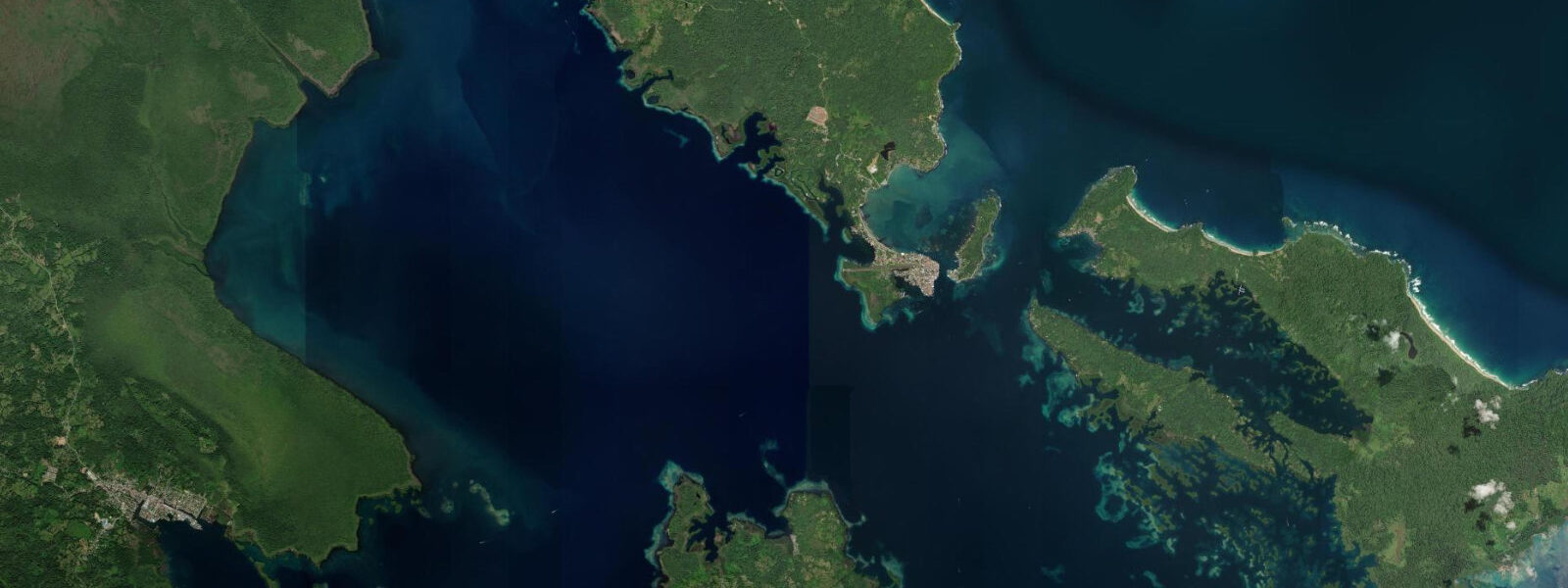
Bocas del Drago, Panama tide times
Bocas del Drago, Panama tide forecast — heights relative to MSL.
Today's tide times for Bocas del Drago, Panama
Tide times at Bocas del Drago, Panama on Tuesday, 4 August 2026: first low tide at 10:00am, first high tide at 05:00pm. Sunrise 06:20am, sunset 06:50pm.
Tide chart for Bocas del Drago, Panama
24-hour cosine-interpolated curve around the present moment. Heights relative to MSL. Predictions: Predictions: Open-Meteo Marine (MeteoFrance SMOC, 0.08° grid).
Sun, moon and conditions on Tue 04 Aug
Snapshot at build time — refreshes daily. Sea state from Open-Meteo Marine.
Highs and lows next 7 days
Every predicted high and low for the next week, with the daily tidal coefficient (0–120; higher = bigger swing, > 95 means stronger currents).
Other spots nearby
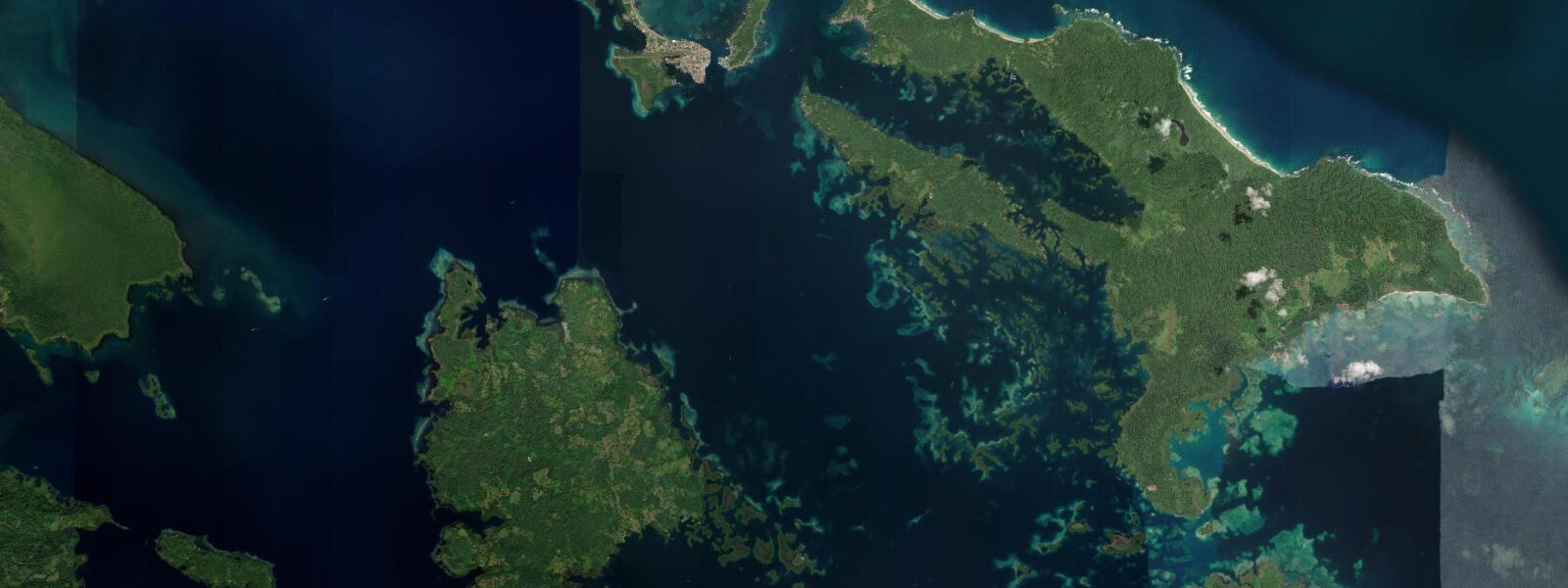
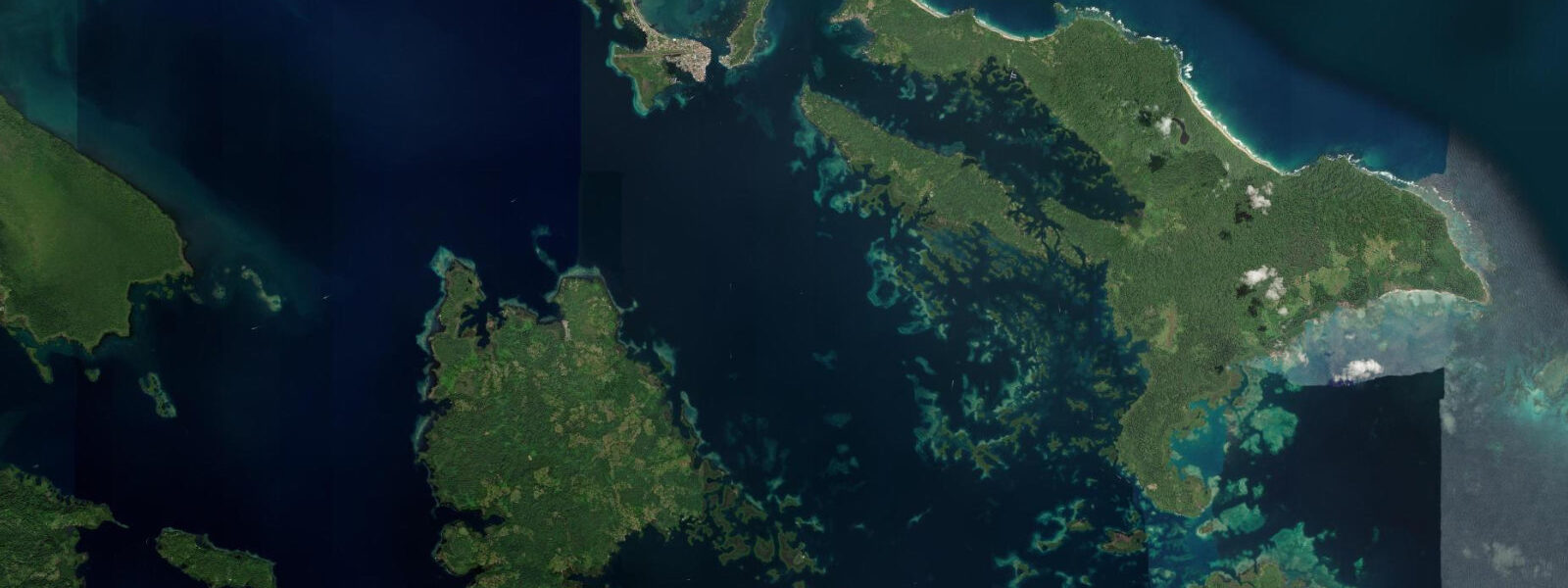
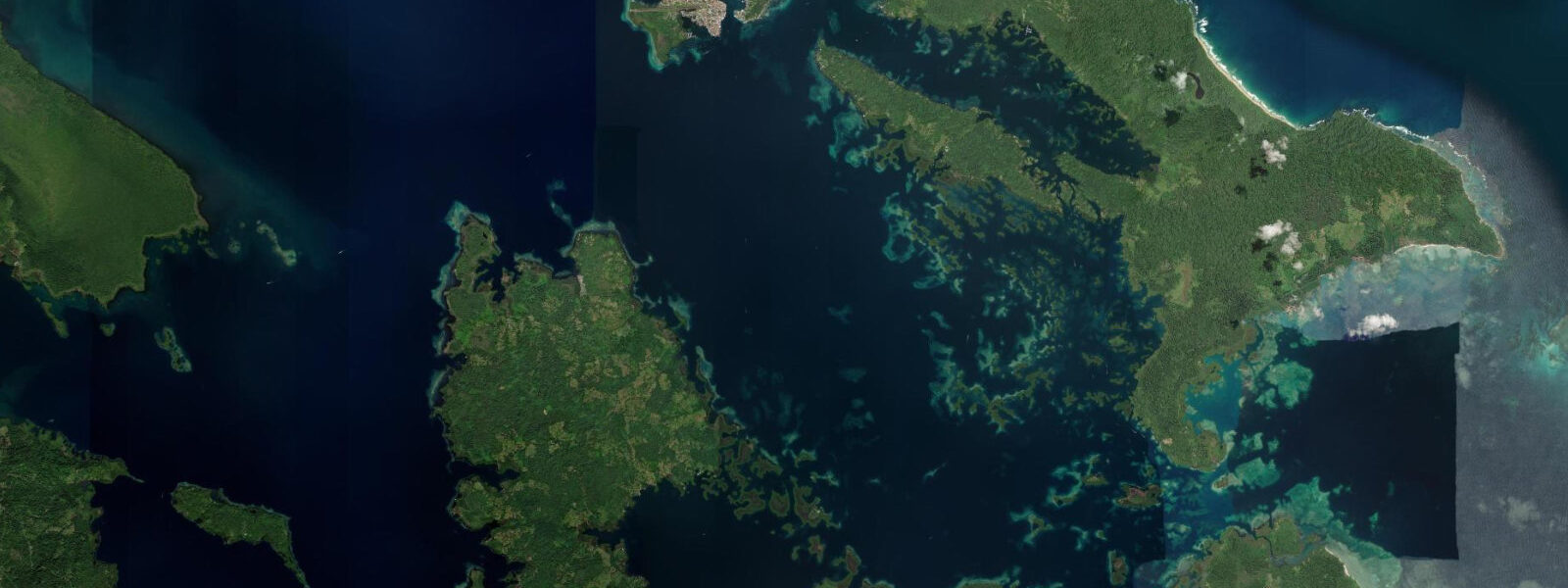
The three closest curated TideTurtle locations to Bocas del Drago, Panama, measured by great-circle distance.
Today's solunar windows
Solunar tradition: major periods are the ≈3h windows around moon transit and opposition; minor are ≈2h around moonrise and moonset. Pair with the local tide stage and wind for the best read.
Cycle dates near Bocas del Drago, Panama
Next spring tide on Sat 08 Aug (range 0.5m). Next neap on Thu 06 Aug.
Spring tides cluster around new and full moons (biggest swings). Neap tides land on quarter moons (smallest swings). See the spring tide and neap tide glossary entries for the why.
About tides at Bocas del Drago, Panama
A short guide to the coastline at Bocas del Drago, Panama — geography, sea state, and what the tide is actually doing under your feet.
Bocas del Drago is on the northwest shore of Isla Colón, at the far end of the road that crosses the island from Bocas del Toro town. The 15-kilometre taxi ride through secondary forest and small farms arrives at a different coast entirely from the town's sheltered inner bay: the open Caribbean facing northwest, a shallow lagoon behind the beach, and a beach that has kept its local character without the tourist infrastructure of the southern end of the island.
The centrepiece is Playa Estrella — Starfish Beach — a shallow tidal lagoon immediately behind the beach where the bottom is sand and seagrass at 0.5 to 1.5 metres depth. Large Oreaster reticulatus sea stars, the West Indian sea star, congregate in this lagoon in visible density: a dozen or more adults visible from standing on the beach, their orange-brown arms spanning 30 to 40 centimetres, resting on the bottom or moving slowly across the sand. The sea stars are present year-round and are visible from the surface at any tidal state given the lagoon's depth range and clarity. Wading in the lagoon, visitors pass directly over them — the water is warm (27 to 28°C), clear, and calm, sheltered from the open sea by the beach berm.
The tidal range at Bocas del Drago is microtidal, consistent with the rest of the archipelago: spring range 20 to 40 centimetres. The lagoon depth relative to the sea star habitat changes by at most 20 centimetres across the tidal cycle, which means the animals are accessible to waders and snorkellers without timing a specific tide window. The outer beach beyond the lagoon berm receives more Caribbean exposure than the inner bay sides of Isla Colón; light northeast swell crosses the bay during the northeast trade season (November through March), producing small waves on the beach face.
The forest behind Playa Estrella and the road from Bocas town is one of the better accessible locations on Isla Colón for red poison-dart frogs (Oophaga pumilio). The Bocas del Drago forest is secondary growth and recovering farmland; the frog density in the undergrowth along the road and the forest edge is high. The 15-kilometre road from town passes through this habitat, and the forest patches immediately behind Bocas del Drago village hold frogs, three-toed sloths, and the toucans that feed in the fruiting trees.
The fishing community at Bocas del Drago is small — a dozen or so families — and operates pangas into the open Caribbean north of the island for reef fish and the lobster grounds in the deeper water offshore. The restaurant at the beach serves the catch simply: grilled fish, ceviche, rice and beans. The cooking is Afro-Caribbean Panamanian — coconut milk in the rice, recado seasoning, plantain in multiple preparations. The meal quality-to-price ratio here is higher than on the main street in Bocas town.
Kayak access from the Bocas town side of the island via the north coast is a full-day commitment for experienced paddlers. The preferred approach for most visitors is the shared taxi (15 minutes) or private taxi from town. Taxis wait at the beach or can be called back via the restaurant; the road is paved and passable by any vehicle year-round.
Snorkelling from the outer beach at Bocas del Drago, on the open Caribbean side of the berm, reaches coral patches at 3 to 6 metres depth depending on how far offshore you swim. The reef here has been less visited than the bay-side sites around Bocas town; fish density and coral condition reflect the lower pressure. The northwest exposure means swell from the northeast trade window can produce surge over the shallow reef that reduces visibility and comfort; the clearest conditions occur from April through September when the trade season eases.
For photographers, the lagoon at Playa Estrella provides a subject that requires no diving, no equipment, and no tide planning: stand in 60 centimetres of clear water and photograph sea stars from above. The colour contrast between orange sea stars and pale sand works best in the overhead light of mid-morning to noon when the sun penetrates the shallow water directly. Early morning the lagoon surface carries glare from the low eastern sun.
Tide predictions for Bocas del Drago come from Open-Meteo Marine, a global gridded ocean model. Accuracy is within plus or minus 45 minutes on timing and 0.2 to 0.3 metres on height. The microtidal Caribbean signal means the lagoon's sea star habitat is accessible at any time of day regardless of tide phase.
Tide questions about Bocas del Drago, Panama
Quick answers to the most common questions about tide times, range, and water access at Bocas del Drago, Panama.
Are the sea stars at Playa Estrella always visible or only at certain tides?
The sea stars in the Playa Estrella lagoon are visible at any tidal state because the lagoon is 0.5 to 1.5 metres deep and the Bocas del Toro tidal range is only 20 to 40 centimetres at spring. The water level change between high and low tide is so small — 20 centimetres at most — that the animals remain covered and visible from above throughout the day. The lagoon is calm, clear, and warm year-round. The main variable affecting visibility is whether recent rain has stirred up sediment from the lagoon floor. On a clear, calm day after a dry period the water is transparent enough to see sea stars from the beach berm without entering the water.
How do I get to Bocas del Drago from Bocas del Toro town?
Bocas del Drago is 15 kilometres northwest of Bocas del Toro town at the far end of the road that crosses Isla Colón. A shared taxi (taxi colectivo) from the town makes the trip regularly, taking 15 to 20 minutes on the paved road. The fare is low for the shared ride; private taxi hire costs more but allows departure at any time. Some visitors rent bicycles in Bocas town for the ride, which is feasible on a dry day but takes 45 to 60 minutes each way with some climbing through the forest road. Water-taxi service to Bocas del Drago is limited; the road route is the standard approach for day-trip visitors.
Can I touch or pick up the sea stars in the lagoon?
No. Handling sea stars causes direct harm — the stress of being lifted from water, exposed to air, and handled by warm human hands triggers a physiological stress response that can be fatal to the animal. The population at Playa Estrella has been subject to years of tourist handling before awareness of the damage spread. Current guidance from the Bastimentos National Marine Park and tour operators is to observe and photograph without touching, and to walk carefully in the lagoon to avoid stepping on animals that may be partially buried in the sand. The sea stars are large, clearly visible, and slow-moving; observing them closely from above the waterline is entirely satisfying without physical contact.
What is the snorkelling like on the open Caribbean side of Bocas del Drago?
The reef patches on the outer Caribbean-facing side of the beach, beyond the lagoon berm, start at 3 to 6 metres depth within 100 to 150 metres of the waterline. The reef here receives less visitor pressure than the sites around Bocas town; coral coverage and fish density are in good condition. Access is a straightforward shore entry once you have crossed the berm from the lagoon side. The northwest orientation means northeast trade swell (November through March) can produce surge over the shallow reef and reduce visibility. The clearest, calmest conditions come from April through September. The site is not operated by dive or snorkel tour boats; it is a self-directed snorkel accessible on foot from the beach.
What should I eat at Bocas del Drago?
The restaurant at the Bocas del Drago beach serves Afro-Caribbean Panamanian cooking using catch from the local fishing fleet and local agricultural produce. The signature preparations include grilled pargo (red snapper) and corvina served with rice cooked in coconut milk and fried patacones (twice-fried green plantain). The ceviche is made with the fresh catch of the day — typically robalo (snook) or corvina — dressed with lime juice, onion, and ají chombo (habanero). Compared to the tourist-facing restaurants in Bocas town, the cooking here is more closely tied to the local food tradition and the prices reflect the lower overheads. Arrive by noon to ensure fish is still available; the kitchen runs out on high-visitor weekends.
7-day tide table — Bocas del Drago, Panama
Heights relative to MSL. Predictions: Open-Meteo Marine (MeteoFrance SMOC, 0.08° grid) — heights relative to MSL (not chart datum / LAT). Model-derived.
| Day | Type | Time | Height |
|---|---|---|---|
| Tue 04 Aug | Low | 10:00 | 0.1m |
| High | 17:00 | 0.4m | |
| Wed 05 Aug | Low | 10:00 | 0.1m |
| High | 17:45 | 0.4m | |
| Thu 06 Aug | Low | 01:10 | 0.0m |
| High | 18:15 | 0.4m | |
| Fri 07 Aug | Low | 02:10 | 0.0m |
| High | 06:50 | 0.1m | |
| Low | 11:00 | 0.0m | |
| High | 19:00 | 0.5m | |
| Sat 08 Aug | Low | 03:00 | -0.0m |
| High | 19:50 | 0.4m | |
| Sun 09 Aug | Low | 04:10 | -0.1m |
| High | 21:00 | 0.4m | |
| Mon 10 Aug | Low | 05:10 | -0.0m |
| High | 18:00 | 0.2m |