Airai, Palau tide times
Airai, Palau tide forecast — heights relative to MSL.
Today's tide times for Airai, Palau
Tide times at Airai, Palau on Tuesday, 4 August 2026: first high tide at 09:39am, first low tide at 03:38pm, second high tide at 09:53pm. Sunrise 05:55am, sunset 06:20pm.
Tide chart for Airai, Palau
24-hour cosine-interpolated curve around the present moment. Heights relative to MSL. Predictions: Predictions: Open-Meteo Marine (MeteoFrance SMOC, 0.08° grid).
Sun, moon and conditions on Tue 04 Aug
Snapshot at build time — refreshes daily. Sea state from Open-Meteo Marine.
Highs and lows next 7 days
Every predicted high and low for the next week, with the daily tidal coefficient (0–120; higher = bigger swing, > 95 means stronger currents).
Other spots nearby
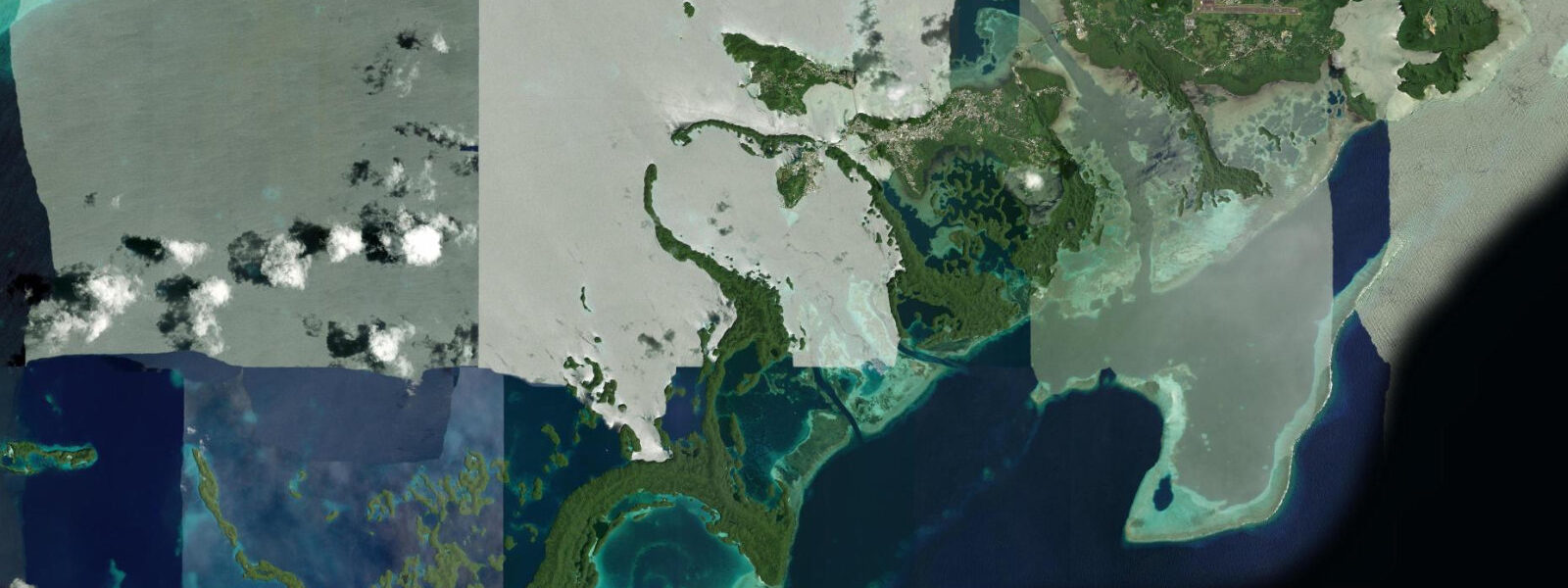
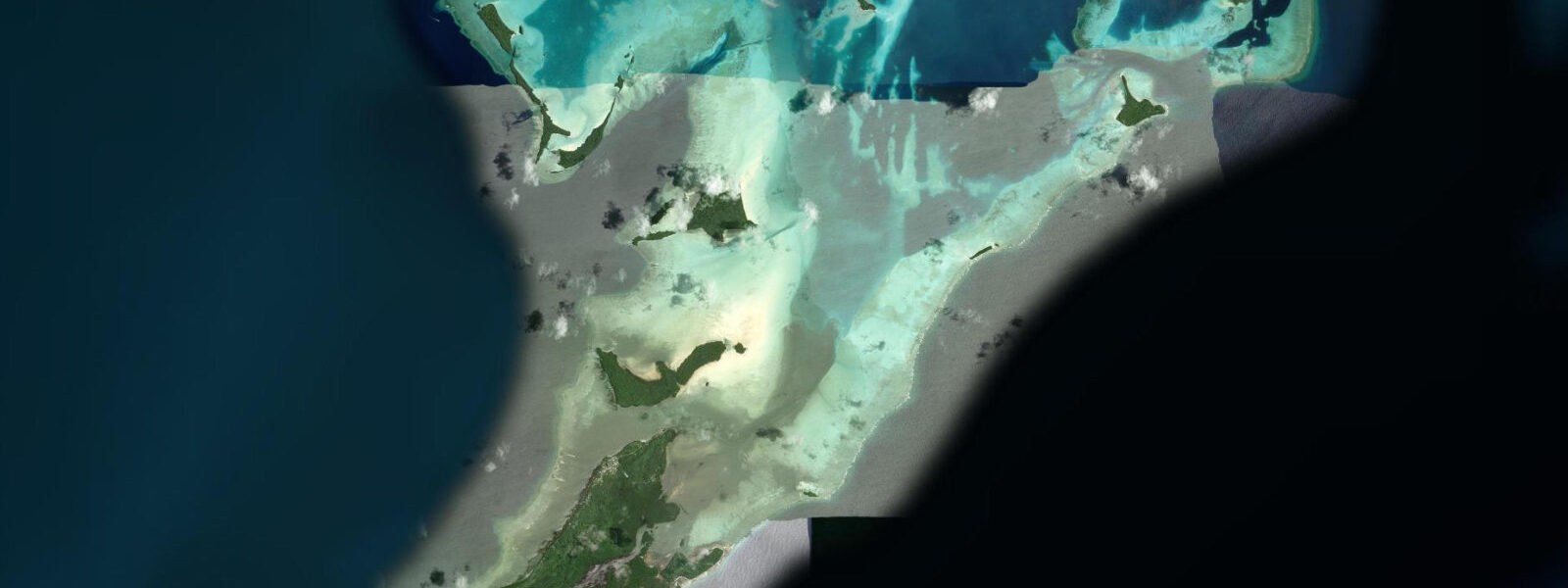
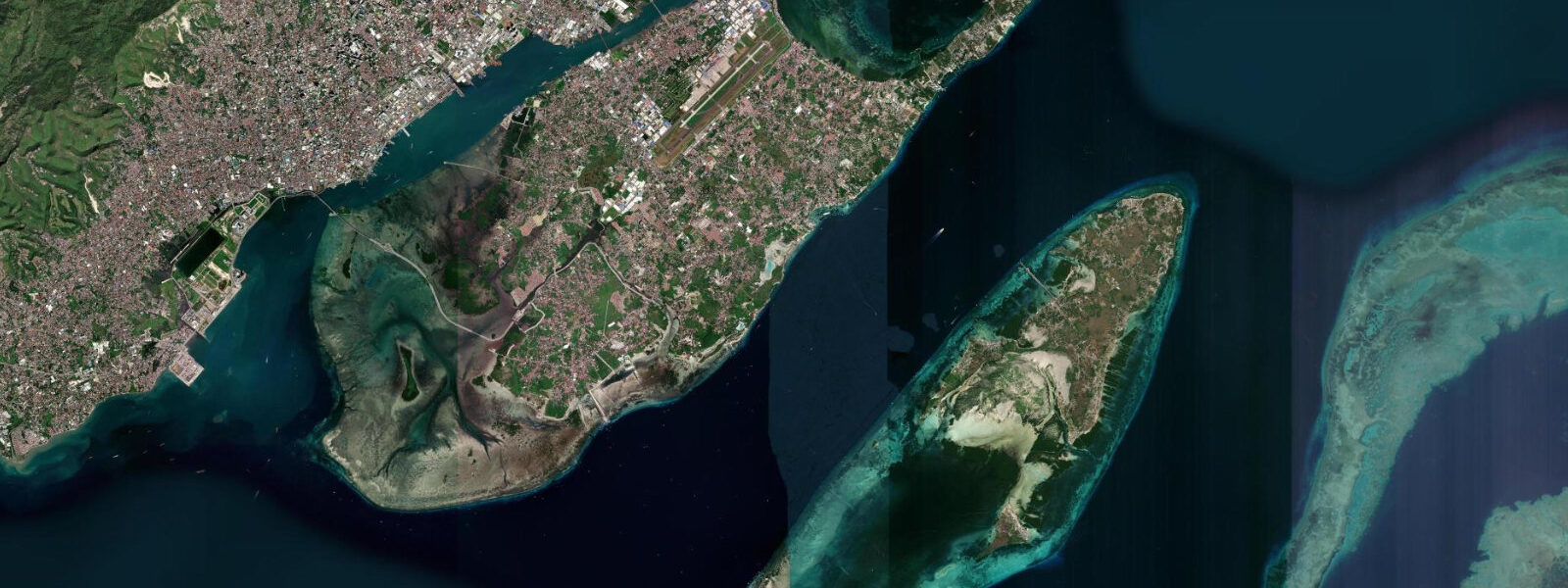
The three closest curated TideTurtle locations to Airai, Palau, measured by great-circle distance.
Today's solunar windows
Solunar tradition: major periods are the ≈3h windows around moon transit and opposition; minor are ≈2h around moonrise and moonset. Pair with the local tide stage and wind for the best read.
Cycle dates near Airai, Palau
Next spring tide on Mon 10 Aug (range 1.5m). Next neap on Sat 08 Aug.
Spring tides cluster around new and full moons (biggest swings). Neap tides land on quarter moons (smallest swings). See the spring tide and neap tide glossary entries for the why.
About tides at Airai, Palau
A short guide to the coastline at Airai, Palau — geography, sea state, and what the tide is actually doing under your feet.
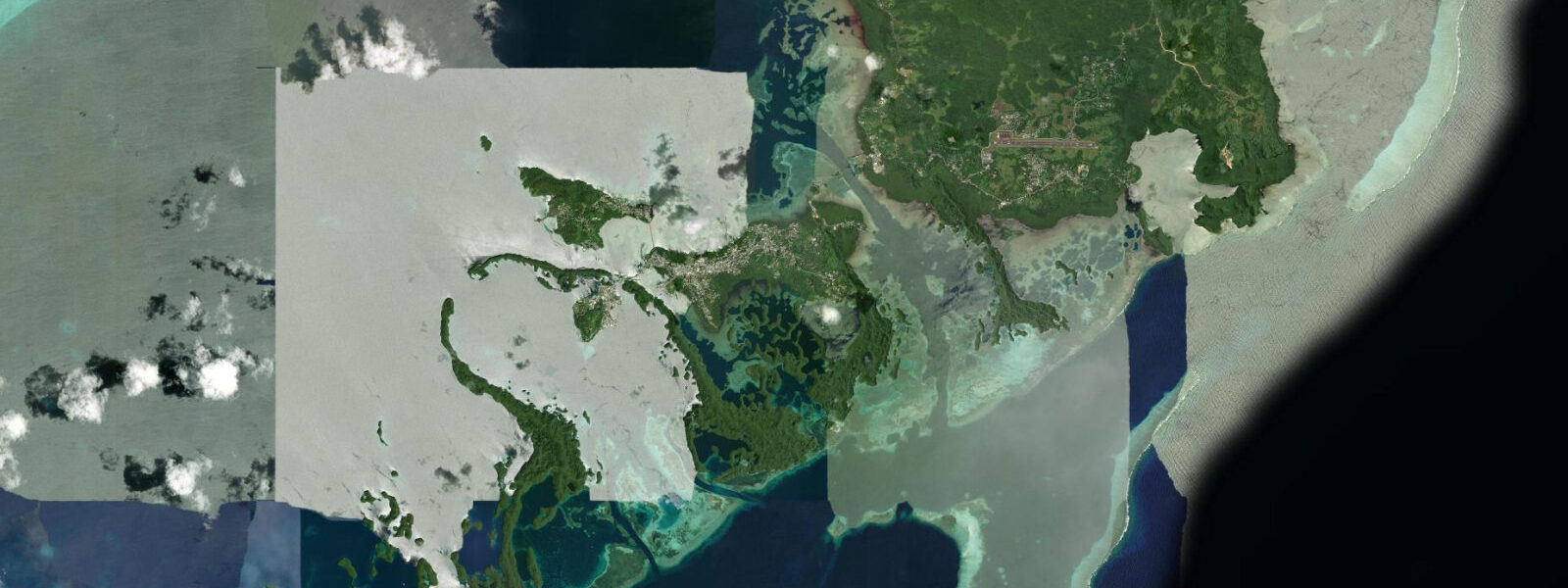
Airai sits on the southern coast of Babeldaob — Palau's largest island and the largest Micronesian island outside Hawaii and Guam — facing the eastern approach to the Rock Islands lagoon. The area encompasses Palau International Airport and holds the oldest extant bai in Palau: a traditional men's meeting house built in the storyboard-painted style of Palauan monumental architecture. That bai, at Airai village, dates to the late 18th or early 19th century and is now a protected historic site accessible to visitors.
Airai's coastal position on southern Babeldaob's mangrove-fringed shoreline means the tidal regime here operates across an intertidal flat markedly different from the open-water channels and reefs of the Rock Islands. The spring tidal range of 1.5 to 2.0 metres that drives Blue Corner's currents produces a very different effect on Babeldaob's mangrove shoreline: a 2-metre swing drains and floods the root systems across a 50 to 200 metre wide band of intertidal forest. The mangroves are productive nursery habitat for juvenile reef fish and invertebrates that will eventually colonise the offshore reefs.
Tide data for Airai comes from Open-Meteo Marine, a global gridded ocean model. Accuracy is typically ±45 minutes on timing and ±0.2 to 0.3 metres on height. The southern Babeldaob coastline is more sheltered than the open-lagoon sites near Koror, but the tidal exposure of the mangrove flat is significant: at low water springs, the root systems stand fully exposed and the flat extends far from the tree line. At high water the same flat is 1.5 metres under water.
For kayakers, the mangrove channels along southern Babeldaob are the primary draw from Airai. The creek mouths and estuary channels cutting into the island's interior are navigable at high tide by flat-water kayak and become progressively more restricted as the tide falls. The two hours centred on high water give the best penetration into the mangrove interior. Timing the return paddle for a falling tide means working with the current flowing seaward through the channel — a 10 to 20 minute advantage on the paddle back to the put-in. The channels are narrow enough that ocean swell has no effect; the limiting factor is water depth, not sea state.
For wildlife observers, the Airai mangrove flats at low water expose the full intertidal community: fiddler crabs sorting sediment on the mud flat, mudskippers surfacing across exposed roots, reef herons (Egretta sacra) working the tide edge for small fish. Dugongs have been recorded feeding on sea-grass beds in the sheltered bays of southern Babeldaob; sightings are occasional rather than reliable, most likely in the early morning when boat traffic is minimal. The sea-grass beds are most accessible by snorkel at high water, when the depth above the grass is 0.8 to 1.5 metres.
The bai at Airai village is not dependent on tidal timing — it is a cultural site visited on foot. The structure is built on a raised platform with storyboards painted on the facade depicting traditional Palauan legends and social customs. The interior is no longer used for active men's assembly functions but is maintained as a living historic site by the Airai State government. Visiting independently is possible; guided visits from Koror-based operators are available and provide context for the storyboard iconography that is not immediately legible to outsiders.
Palau International Airport, immediately north of Airai village, is the country's only international entry point. Flights connect to Guam, Manila, and Seoul. The airport's proximity to the coast and its short sea-level runway make it among the Pacific airports most directly exposed to the combination of king-tide flooding and storm surge — a fact the Palau government has noted in its climate adaptation planning documents. The runway and terminal sit roughly 5 metres above mean sea level, above current flood risk, but the access roads skirt the coast at lower elevations.
Fishing from the Airai shoreline and the adjacent bay targets milkfish, mangrove snapper, and the juvenile species that use the mangrove root system as nursery habitat. Casting into the channel mouths at the turn of a high tide — when small fish shelter in the roots — produces the most consistent results. Trolling the bay between Airai and the Rock Islands passage entrance reaches open-water species including wahoo, mahi-mahi, and Spanish mackerel on the ebb tide when bait is pushed out through the channel mouths.
Photographers working the Airai coast for landscape and wildlife subjects should plan for the two-hour window before low water: the mangrove roots are progressively exposed, the intertidal flat shows its full width, and the birds are most active. The light in the early morning hours hits the south-facing Babeldaob coast obliquely, with the Rock Islands ridge visible to the south over the lagoon providing a layered background for wide-angle compositions.
Tide questions about Airai, Palau
Quick answers to the most common questions about tide times, range, and water access at Airai, Palau.
What does the 1.5 to 2.0 metre tidal range mean for the Airai mangrove coast?
The mixed semidiurnal spring tidal range of 1.5 to 2.0 metres drives a significant intertidal flood-and-drain cycle on Babeldaob's mangrove shoreline. At low water springs, the root systems stand fully exposed and the mud flat extends 50 to 200 metres from the treeline. At high water the same zone is 1.5 metres under. For kayaking the mangrove creek mouths, this means the two hours centred on high water give maximum penetration into the interior channels before water depth becomes limiting. Tidal data here comes from Open-Meteo Marine — accuracy ±45 minutes on timing, ±0.2 to 0.3 metres on height — so plan a 30-minute buffer either side of the predicted high.
What is the Airai bai and can independent visitors see it?
The Airai bai is the oldest surviving traditional men's meeting house in Palau, dated to the late 18th or early 19th century. It is a raised timber structure with a painted facade of storyboards — narrative panels depicting Palauan legends and social customs in a distinctive figurative style. The structure is maintained by the Airai State government as a protected historic site. Independent visitors can access the village and site on foot; Koror-based operators offer guided visits with interpretation of the storyboard iconography, which is not self-explanatory without cultural context. Visiting is not tide-dependent — it is a land site.
Are there dugongs in the Airai bay area?
Dugongs have been recorded in the sheltered bays of southern Babeldaob, including the sea-grass beds adjacent to the Airai coast. Sightings are occasional rather than reliable — most likely in early morning hours before boat traffic increases. The sea-grass beds are most accessible to snorkellers at high water, when depth above the grass is 0.8 to 1.5 metres. Paddling or motoring slowly at high water along the bay edges gives the best chance of a sighting without disturbing feeding animals; approach within 30 metres should be avoided. The Palau dugong population is small and sensitive to disturbance.
When is the best time to fish from the Airai shoreline?
The turn of a high tide — the 30 to 60 minutes either side of the high water mark — is the most productive fishing window from the Airai channel mouths. Small prey fish sheltering in the mangrove roots are pushed out as the tide peaks and begins to fall; predatory species including mangrove snapper stack at the channel exit to intercept them. Casting lures or live bait into the outflow produces consistent results. Trolling the open bay between Airai and the Rock Islands passage entrance on the ebb reaches open-water pelagics — wahoo, mahi-mahi, Spanish mackerel — as bait is swept out of the channel mouths by the falling water.
Is Airai worth stopping at on the way to or from Palau International Airport?
Airai is the closest cultural site to Palau International Airport — the bai is about 2 kilometres from the terminal. A stop of 45 to 60 minutes is enough to walk the site and see the storyboard facade. On tidal timing: if departing from Koror, the Airai mangrove flat at low water (check the tide page for the day's low) is visible from the road bridge over the estuary mouth — a worthwhile 10-minute stop if the timing aligns. The airport itself sits above flood risk, but the access roads skirt coastal elevations that are covered at the highest spring tides; build 15 minutes buffer into airport transfers if a king tide is predicted for the day.
8-day tide table — Airai, Palau
Heights relative to MSL. Predictions: Open-Meteo Marine (MeteoFrance SMOC, 0.08° grid) — heights relative to MSL (not chart datum / LAT). Model-derived.
| Day | Type | Time | Height |
|---|---|---|---|
| Tue 04 Aug | High | 09:39 | 0.9m |
| Low | 15:38 | -0.1m | |
| High | 21:53 | 1.0m | |
| Wed 05 Aug | Low | 04:25 | -0.2m |
| High | 10:36 | 0.8m | |
| Thu 06 Aug | Low | 05:24 | -0.2m |
| High | 11:45 | 0.6m | |
| Low | 16:55 | 0.2m | |
| High | 23:18 | 1.0m | |
| Fri 07 Aug | Low | 06:36 | -0.2m |
| Sat 08 Aug | High | 00:21 | 0.9m |
| Low | 08:03 | -0.3m | |
| High | 15:10 | 0.7m | |
| Low | 20:00 | 0.4m | |
| Sun 09 Aug | High | 01:43 | 0.9m |
| Low | 09:19 | -0.4m | |
| Mon 10 Aug | High | 03:06 | 1.0m |
| Low | 10:25 | -0.5m | |
| High | 17:24 | 0.9m | |
| Low | 22:36 | 0.3m | |
| Tue 11 Aug | High | 04:16 | 1.1m |
| Low | 08:00 | 0.2m |