Hawks Bay tide times
Hawks Bay tide forecast — heights relative to MSL.
Today's tide times for Hawks Bay
Tide times at Hawks Bay on Tuesday, 4 August 2026: first high tide at 05:00am, first low tide at 06:56am, second high tide at 01:10pm, second low tide at 07:50pm. Sunrise 06:01am, sunset 07:16pm.
Tide chart for Hawks Bay
24-hour cosine-interpolated curve around the present moment. Heights relative to MSL. Predictions: Predictions: Open-Meteo Marine (MeteoFrance SMOC, 0.08° grid).
Sun, moon and conditions on Tue 04 Aug
Snapshot at build time — refreshes daily. Sea state from Open-Meteo Marine.
Highs and lows next 7 days
Every predicted high and low for the next week, with the daily tidal coefficient (0–120; higher = bigger swing, > 95 means stronger currents).
Other spots nearby
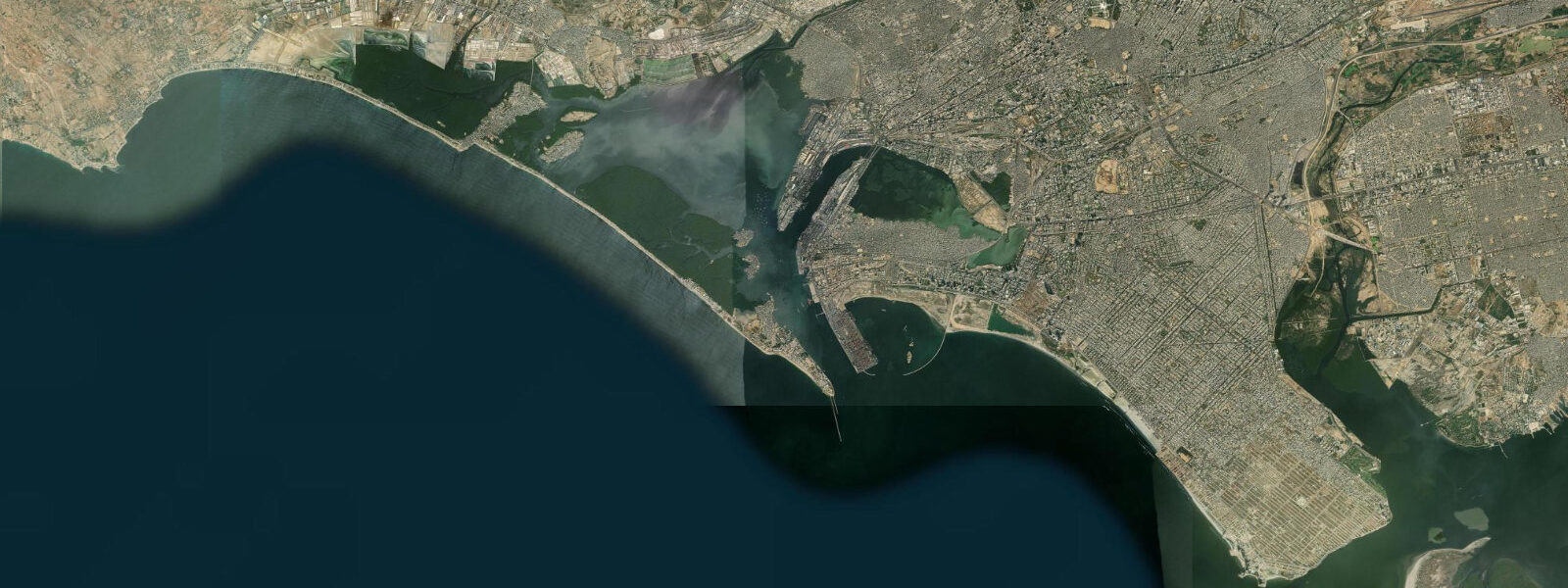
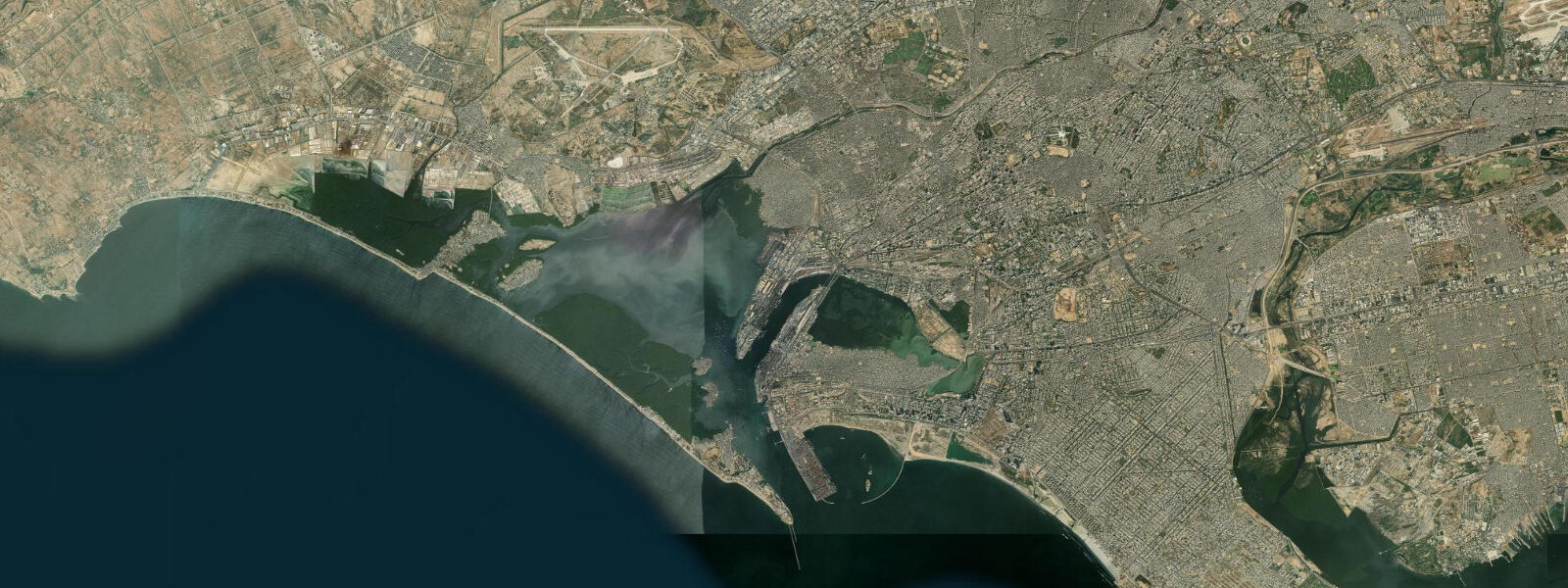
The three closest curated TideTurtle locations to Hawks Bay, measured by great-circle distance.
Today's solunar windows
Solunar tradition: major periods are the ≈3h windows around moon transit and opposition; minor are ≈2h around moonrise and moonset. Pair with the local tide stage and wind for the best read.
Cycle dates near Hawks Bay
Last spring tide on Tue 04 Aug (range 2.1m). Next spring tide on Mon 10 Aug (range 2.5m). Next neap on Fri 07 Aug.
Spring tides cluster around new and full moons (biggest swings). Neap tides land on quarter moons (smallest swings). See the spring tide and neap tide glossary entries for the why.
About tides at Hawks Bay
A short guide to the coastline at Hawks Bay — geography, sea state, and what the tide is actually doing under your feet.
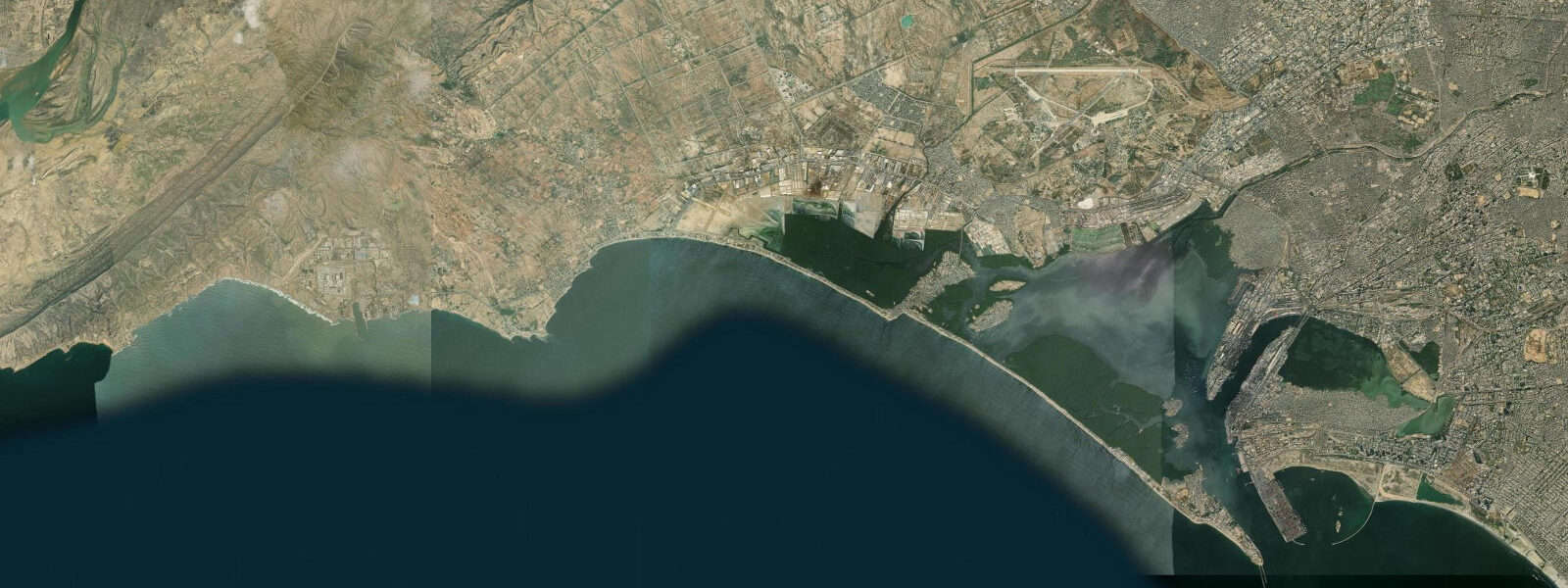
Hawks Bay is a beach approximately 15 kilometres northwest of central Karachi, on the Arabian Sea coast between the rocky Clifton headland and the more exposed northwest shoreline. It is distinct from Sandspit Beach, which is further east along the same stretch of coast: Hawks Bay occupies its own embayment with a slightly different orientation and sand character. French Beach, immediately northwest of Hawks Bay, is a third separate beach in this coastal zone — the three are often conflated but are distinct locations with different access roads.
The beach is one of the primary sea turtle nesting sites on the Pakistani coast. Green turtle (Chelonia mydas) nest at Hawks Bay from June through September, with peak nesting in July and August. Loggerhead turtle (Caretta caretta) also use the beach, though in smaller numbers than the green turtle. The nesting females come ashore at night on high tides — the beach width at high water is the relevant metric for nest site selection, as females typically crawl to the base of the upper beach berm, above the normal high-water line.
WWF-Pakistan operates a sea turtle protection programme at Hawks Bay, with hatcheries on the beach during the nesting season. The hatcheries relocate nests at risk from wave wash or human disturbance to a protected enclosure where incubation can proceed without interference. Hatching occurs approximately 60 days after laying; hatchlings emerge from July through October. The programme conducts overnight nesting patrols; volunteers and organised visitors can join these patrols through WWF-Pakistan's coordination, though direct casual access to nesting beaches at night should be done only with guide accompaniment to avoid inadvertent disturbance.
The Arabian Sea tidal range at Hawks Bay is approximately 1.5 to 2.0 metres on spring tides — mixed semidiurnal. At low water the beach widens 50 to 80 metres beyond the normal dry-sand area, exposing a broad, firm sand flat that is usable for walking and photography. The low-water flat is the best area to look for wading birds in the early morning: Kentish plover, sanderling, and grey plover are regular visitors on the winter migration (September through April).
The southwest monsoon (June-September) that coincides with nesting season brings consistent onshore wind and occasional heavy rain. Sea conditions are rougher during this period; swimming is not recommended during the monsoon months. The northeast monsoon (October-March) brings calmer conditions, clearer water, and the best beach-walking experience. Water temperatures at Hawks Bay run 24-28°C in winter and 28-32°C in summer.
The beach access road from the main Karachi coastal highway (Superhighway/M-9 access road or the coastal road from Clifton) takes approximately 30 to 45 minutes by car from central Karachi depending on traffic. There is informal parking at the beach approach. Facilities are basic — food stalls and basic seating operate on busy days. The beach is quieter than Clifton or Sandspit and the crowd is predominantly local families on weekends.
For photographers, the combination of nesting turtles (with WWF guide, night), wintering wading birds (dawn, low tide), and the broad low-water flat with good Arabian Sea light before 08:00 makes Hawks Bay productive in the November-March window. The nesting patrols (June-September) are an entirely different experience — darkness, warm nights, and the sight of a large female green turtle completing her clutch above the tide line.
French Beach, immediately northwest of Hawks Bay, is a separate beach with a slightly different character: rockier at the southern end, with a small rocky headland that creates a partial shelter from the dominant swell direction. The two beaches share the same tidal regime and the same turtle nesting season, but French Beach has a smaller, quieter crowd character and a few beach-side huts available for day or overnight use. For those planning multiple days on the northwest Karachi coast to cover the nesting patrol season, alternating between Hawks Bay (the main hatchery site) and French Beach (quieter, rockier, different light angles) provides variety.
The northwest Karachi beaches collectively hold a significant proportion of Pakistan's remaining green turtle nesting — the beaches from Hawks Bay to Sandspit represent critical national habitat. WWF-Pakistan's hatchery programme has documented nesting success rates and hatchling emergence data continuously since the 1980s, making the site one of the longer-running turtle monitoring datasets in the northern Indian Ocean region.
Predictions on this page come from Open-Meteo Marine, a gridded global ocean model. Accuracy is typically within plus or minus 45 minutes on timing and 0.2 to 0.3 metres on height — model-derived, not from a local gauge. The authoritative source for tidal data in Pakistan is the Pakistan Meteorological Department (PMD), which operates sea level gauges at Karachi.
Tide questions about Hawks Bay
Quick answers to the most common questions about tide times, range, and water access at Hawks Bay.
When do sea turtles nest at Hawks Bay?
Green turtle nest at Hawks Bay from June through September, with peak nesting in July and August. Loggerhead turtle also nest at the site in smaller numbers over the same period. Females come ashore at night on high tides to lay their clutches above the wave wash line. Hatching occurs approximately 60 days after laying, with hatchlings emerging from July through October depending on when the clutch was laid. WWF-Pakistan operates hatcheries on the beach during the nesting season and runs overnight nesting patrols. Contact WWF-Pakistan to join a patrol — attempting to observe nesting without a guide risks disturbing the animals.
Is Hawks Bay the same as Sandspit Beach?
No. Hawks Bay and Sandspit are separate beaches on the same northwest Karachi coastline. Sandspit is further east (closer to the harbour) and has a different sand and wave character. French Beach is a third distinct beach northwest of Hawks Bay. The three are often grouped together in informal references to the northwest Karachi beaches, but they have different access roads, different visitor demographics, and — for wildlife purposes — somewhat different nesting and wading bird habitats. Hawks Bay has the most established sea turtle protection programme of the three.
What is the tidal range at Hawks Bay?
Hawks Bay experiences the standard northern Arabian Sea mixed semidiurnal tidal regime. Spring tides produce a range of approximately 1.5 to 2.0 metres. At low spring water the beach widens by 50 to 80 metres beyond the normal dry-sand area, exposing a broad firm sand flat. This tidal flat is the feeding habitat for wintering wading birds (Kentish plover, sanderling, grey plover) in the winter months. The nesting turtles are directly influenced by the tidal cycle — females read the high-water line to select nest positions above the wave wash, placing clutches on the upper berm that the normal tide will not reach during the 60-day incubation period.
When is the best time to visit Hawks Bay for non-turtle wildlife?
November through March is the best window for wading birds and general beach conditions. Kentish plover, sanderling, and grey plover winter on the tidal flat at low water; the early morning two hours from first light with a falling spring tide is the most productive session. The northeast monsoon brings calm sea conditions, clear water, and comfortable temperatures (24-28°C). The broad low-water flat provides excellent open sight lines for both photography and casual observation. The southwest monsoon (June-September), while the turtle nesting window, brings rougher seas, onshore wind, and reduced beach-walking comfort.
How do I reach Hawks Bay from central Karachi?
Hawks Bay is approximately 15 kilometres northwest of central Karachi by road. The route runs from Clifton through the coastal road northwest, or from the Karachi Superhighway (M-9) junction via the access roads toward the northwest beaches. Drive time from central Karachi is 30 to 45 minutes depending on traffic — Karachi traffic is highly variable and morning peaks can extend that significantly. Informal parking is available at the beach approach. Taxis and ride-share services cover the route. There is no public transport directly to the beach.
8-day tide table — Hawks Bay
Heights relative to MSL. Predictions: Open-Meteo Marine (MeteoFrance SMOC, 0.08° grid) — heights relative to MSL (not chart datum / LAT). Model-derived.
| Day | Type | Time | Height |
|---|---|---|---|
| Tue 04 Aug | High | 05:00 | -0.1m |
| Low | 06:56 | -0.5m | |
| High | 13:10 | 1.3m | |
| Low | 19:50 | -0.8m | |
| Wed 05 Aug | High | 02:02 | 0.9m |
| Low | 07:41 | -0.2m | |
| High | 13:45 | 1.3m | |
| Low | 20:40 | -0.8m | |
| Thu 06 Aug | High | 03:09 | 0.8m |
| Low | 08:33 | 0.1m | |
| High | 14:22 | 1.2m | |
| Low | 21:38 | -0.9m | |
| Fri 07 Aug | High | 15:15 | 1.0m |
| Low | 22:49 | -0.9m | |
| Sat 08 Aug | High | 06:18 | 0.8m |
| Low | 11:10 | 0.3m | |
| High | 16:33 | 0.9m | |
| Sun 09 Aug | Low | 00:00 | -1.1m |
| High | 07:51 | 1.0m | |
| Low | 12:36 | 0.3m | |
| High | 18:00 | 0.9m | |
| Mon 10 Aug | Low | 01:11 | -1.2m |
| High | 08:42 | 1.2m | |
| Low | 13:57 | 0.1m | |
| High | 19:15 | 1.0m | |
| Tue 11 Aug | Low | 02:10 | -1.4m |
| High | 04:00 | -1.0m |