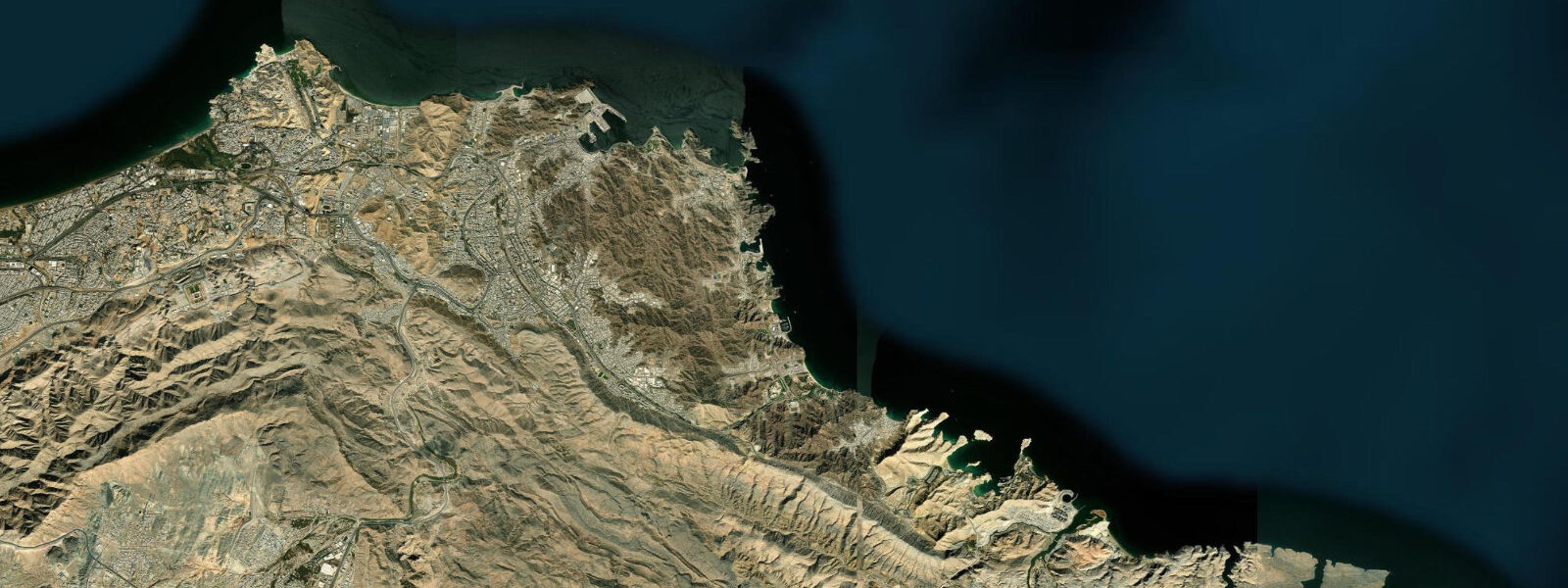
Muscat Marina tide times
Muscat Marina tide forecast — heights relative to MSL.
Today's tide times for Muscat Marina
Tide times at Muscat Marina on Tuesday, 4 August 2026: first high tide at 04:00am, first low tide at 05:54am, second high tide at 12:12pm, second low tide at 06:55pm. Sunrise 05:36am, sunset 06:47pm.
Tide chart for Muscat Marina
24-hour cosine-interpolated curve around the present moment. Heights relative to MSL. Predictions: Predictions: Open-Meteo Marine (MeteoFrance SMOC, 0.08° grid).
Sun, moon and conditions on Tue 04 Aug
Snapshot at build time — refreshes daily. Sea state from Open-Meteo Marine.
Highs and lows next 7 days
Every predicted high and low for the next week, with the daily tidal coefficient (0–120; higher = bigger swing, > 95 means stronger currents).
Other spots nearby
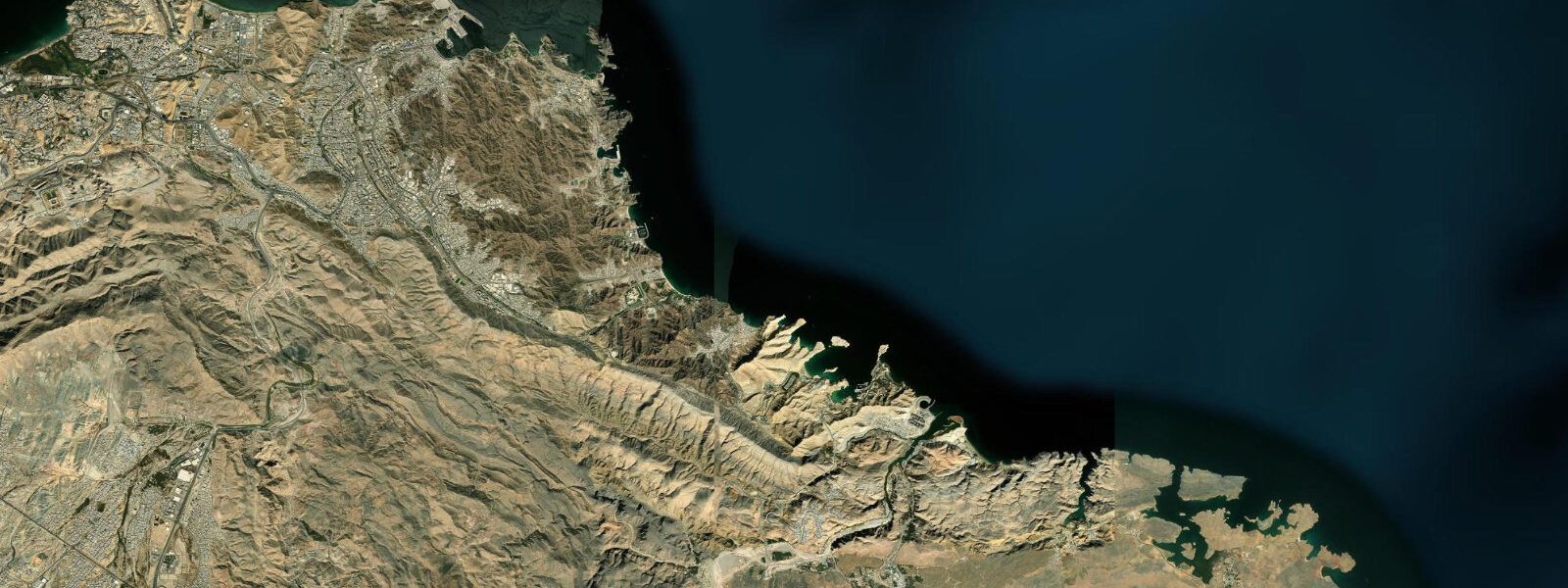
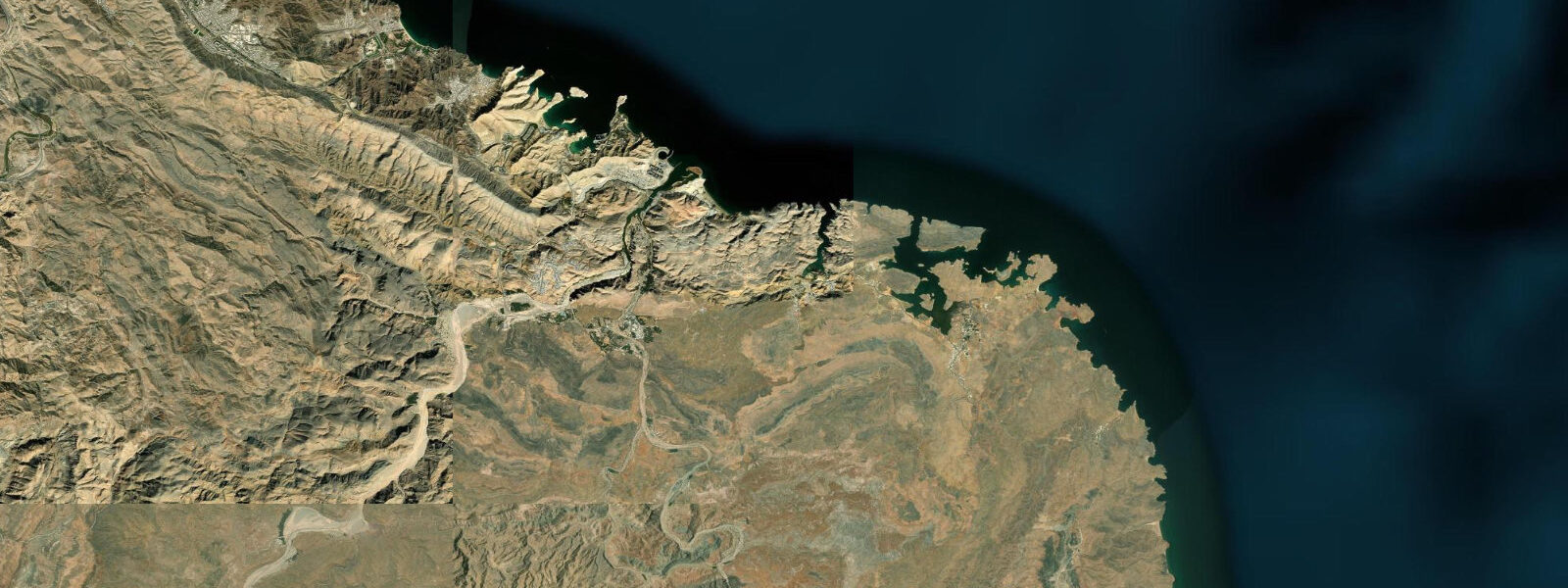
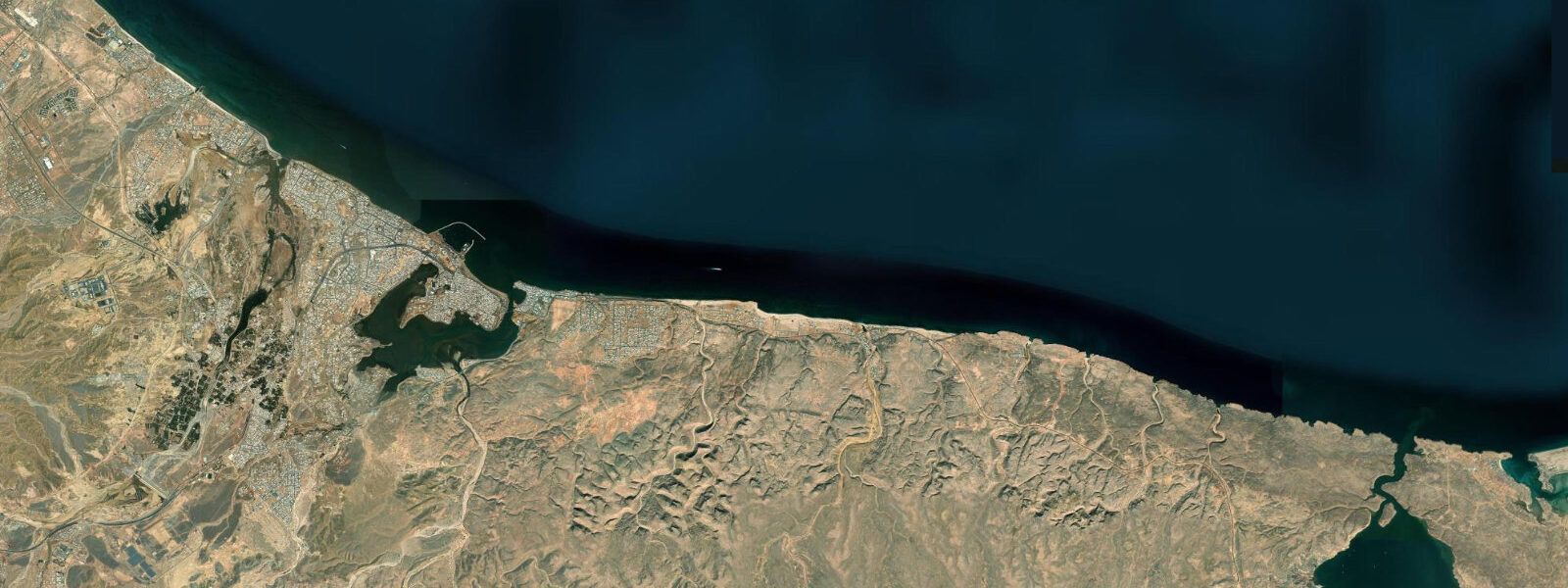
The three closest curated TideTurtle locations to Muscat Marina, measured by great-circle distance.
Today's solunar windows
Solunar tradition: major periods are the ≈3h windows around moon transit and opposition; minor are ≈2h around moonrise and moonset. Pair with the local tide stage and wind for the best read.
Cycle dates near Muscat Marina
Next spring tide on Wed 05 Aug (range 1.9m). Next neap on Fri 07 Aug.
Spring tides cluster around new and full moons (biggest swings). Neap tides land on quarter moons (smallest swings). See the spring tide and neap tide glossary entries for the why.
About tides at Muscat Marina
A short guide to the coastline at Muscat Marina — geography, sea state, and what the tide is actually doing under your feet.
Muscat Marina occupies a purpose-built harbour basin at the eastern edge of the Muttrah area, sheltered from the Gulf of Oman swell by a rubble mole and the rocky headland of Ras Al Hamra. The marina handles a mix of visiting yachts, recreational motorboats, and charter fishing vessels; the promenade along the outer basin wall is one of the cleaner walking stretches in the capital area.
The tidal regime in Muscat is mixed semidiurnal. Spring range at Muscat Port is approximately 1.5–2.0 m above Chart Datum; neap range 0.6–1.0 m. Two unequal highs and two unequal lows occur on most days, with the diurnal inequality noticeable enough that one high is regularly 0.3–0.5 m above the other. The transition between tidal regimes is smooth; the Muscat coast lacks the shallow shelf geometry that would generate strong tidal currents, and currents inside the marina basin are negligible.
The marina is the embarkation point for the main coastal activity operations out of Muscat: dolphin-watching excursions (common bottlenose and spinner dolphin populations are resident in the Gulf of Oman year-round), snorkelling trips to the Fahal Island marine area, and charter fishing for kingfish (Scomberomorus commerson), grouper (Epinephelus species), and emperors (Lethrinus species). Dolphin trips depart at dawn, before the afternoon sea breeze makes the open Gulf crossing choppy. Most operators depart at 06:30–07:00; the return crossing in the afternoon is generally rougher.
Fahal Island, 5 km NW of the marina, is a limestone stack rising 50 m from the Gulf with a productive reef at its base. The snorkelling and diving conditions at Fahal are best from October through April when visibility regularly reaches 15–20 m and water temperatures are 22–28°C. During summer (June–September) the south-to-north Arabian Sea circulation brings warmer, less clear water and reduced visibility. The approach to Fahal from the marina involves crossing the main ship channel; boats give way to commercial traffic.
The Corniche waterfront between the marina and Muttrah souq carries the main coastal walking route for visitors. The inner bay at Muttrah — the area immediately in front of the souq — was historically the main dhow anchorage; traditional wooden dhows still moor here alongside the modern watercraft. The tidal flat on the Muttrah inner bay side exposes a narrow strip of sand and rock at low water.
Fishing from the outer breakwater of the marina targets trevally (Caranx species), barracuda, and various reef fish on the incoming tide from evening through to dawn. The breakwater rock at low water is accessible to anglers; the ledges on the seaward face are the productive positions. Tide predictions here come from Open-Meteo Marine: accuracy ±45 min / ±0.2–0.3 m. The National Hydrographic Office of Oman publishes official tide tables for Muscat and other Omani ports.
The Muttrah Corniche, between the marina and the Muttrah souq (covered market), is the traditional heart of Muscat's waterfront. The souq itself, one of the oldest in Oman, is most accessible by foot from the marina end; the 1.5 km walk along the Corniche passes the fish market (open in the early morning before 09:00, when the night fishing returns) and the harbour boat area. The fish market is most active on the flood tide when the fishing boats unload; the variety of Arabian Sea species on offer — kingfish, hamour (grouper), safi (rabbitfish), and the various snappers and emperors of the Gulf of Oman reef — is exceptional.
The Muttrah Corniche fish market (Souq Al Samak) is the most accessible fresh seafood market in Muscat, open from 05:00 to approximately 10:00 daily. Species from the Gulf of Oman reef system are traded here: the hamour (orange-spotted grouper, Epinephelus coioides) is the prestige fish of the Omani coast, prized in every Gulf country and correspondingly expensive. The fish trader system at Muttrah operates through licensed vendors; the catch arrives primarily by small-boat fishing from local ports and by larger vessels from the open Gulf.
Tide questions about Muscat Marina
Quick answers to the most common questions about tide times, range, and water access at Muscat Marina.
When should I book a dolphin-watching excursion from Muscat Marina?
Dolphin-watching trips from Muscat Marina depart at dawn — most operators leave at 06:30–07:00 — to take advantage of the calm morning sea conditions before the afternoon sea breeze builds. Common bottlenose and spinner dolphins are resident in the Gulf of Oman year-round; sightings are not tide-dependent. The return crossing in the afternoon can be noticeably rougher as the sea breeze reaches 15–20 knots. Book morning departures and confirm with your operator that the boat is suited to the conditions on the day. Dolphin watching is year-round in Muscat waters; the Gulf of Oman spinner dolphin population is one of the largest resident populations in the western Indian Ocean.
Where do the tide predictions on this page come from?
Open-Meteo Marine, a free gridded global ocean model. Accuracy is typically ±45 minutes on timing and ±0.2–0.3 m on height. The National Hydrographic Office of Oman is the authoritative source for Omani tide tables; the official Muscat Port tide gauge is operated by the Oman Meteorology and Air Navigation Directorate. For navigation in Muscat Port and its approaches, use the official Omani tide tables. This page is not for navigation. The National Hydrographic Office website (nhc.gov.om) publishes Omani tide tables in English and Arabic for all major Omani ports.
What is the best season for snorkelling at Fahal Island?
October through April is the prime snorkelling season at Fahal Island. Sea temperatures are 22–27°C and visibility regularly reaches 15–20 m when the Gulf is clear. During summer (June–September), the Arabian Sea circulation shifts and warmer, less transparent water reduces visibility to 5–10 m at some periods; the SW monsoon also increases sea state. Snorkelling trips from the marina are offered year-round but the October–April window gives consistently better water clarity. The reef at Fahal's base is most productive in the morning before the sea breeze picks up. October through April is also when the NE Indian Ocean monsoon produces the calmest sea conditions in the Gulf of Oman.
Is fishing from the marina breakwater productive?
The outer face of the marina breakwater, particularly the ledges at and below low water, is a productive shore-fishing location for trevally (Caranx species), barracuda, grouper, and various reef fish. The most consistent window is the incoming tide from two hours before the predicted high through to high water, when predatory fish move over the reef shelf in the breaking swell at the breakwater base. Evening and night fishing (18:00–22:00) on the incoming tide is particularly consistent for larger trevally. The breakwater face is accessible at low water; use care on the wet rocks at mid-tide. Evening fishing (after 18:00) from the breakwater is particularly productive for trevally; the fish move into the shallower zone on the flood tide in the cooler evening air.
What are sea temperatures in Muscat, and how do they vary?
Gulf of Oman surface temperatures at Muscat range from around 22°C in January–February to 30–32°C in September. The SW monsoon season (June–September) brings upwelling along the Omani coast that can temporarily cool surface water to 24–26°C even in the height of summer, counterintuitively making the sea slightly cooler than the winter value on some days. October–April is the period when water clarity is highest and conditions most predictable for snorkelling and diving. The SW monsoon upwelling effect is felt most strongly along the Dhofar coast and diminishes toward Muscat in the north.
8-day tide table — Muscat Marina
Heights relative to MSL. Predictions: Open-Meteo Marine (MeteoFrance SMOC, 0.08° grid) — heights relative to MSL (not chart datum / LAT). Model-derived.
| Day | Type | Time | Height |
|---|---|---|---|
| Tue 04 Aug | High | 04:00 | -0.0m |
| Low | 05:54 | -0.3m | |
| High | 12:12 | 1.2m | |
| Low | 18:55 | -0.6m | |
| Wed 05 Aug | High | 12:45 | 1.2m |
| Low | 19:45 | -0.7m | |
| Thu 06 Aug | High | 02:21 | 0.7m |
| Low | 07:18 | 0.2m | |
| High | 13:21 | 1.1m | |
| Low | 20:47 | -0.7m | |
| Fri 07 Aug | High | 14:05 | 1.1m |
| Low | 21:56 | -0.8m | |
| Sat 08 Aug | High | 05:45 | 0.8m |
| Low | 10:04 | 0.5m | |
| High | 15:18 | 1.0m | |
| Low | 23:13 | -0.9m | |
| Sun 09 Aug | High | 07:06 | 1.0m |
| Low | 11:56 | 0.5m | |
| High | 16:50 | 1.0m | |
| Mon 10 Aug | Low | 00:24 | -1.0m |
| High | 07:55 | 1.1m | |
| Low | 13:11 | 0.3m | |
| High | 18:14 | 1.0m | |
| Tue 11 Aug | Low | 01:24 | -1.1m |
| High | 03:00 | -0.9m |