Svolvær tide times
Svolvær tide forecast — heights relative to MSL.
Today's tide times for Svolvær
Tide times at Svolvær on Tuesday, 4 August 2026: first low tide at 02:00, first high tide at 03:56, second low tide at 10:48, second high tide at 16:33, third low tide at 23:01. Sunrise 03:22, sunset 22:49.
Tide chart for Svolvær
24-hour cosine-interpolated curve around the present moment. Heights relative to MSL. Predictions: Predictions: Open-Meteo Marine (MeteoFrance SMOC, 0.08° grid).
Sun, moon and conditions on Tue 04 Aug
Snapshot at build time — refreshes daily. Sea state from Open-Meteo Marine.
Highs and lows next 7 days
Every predicted high and low for the next week, with the daily tidal coefficient (0–120; higher = bigger swing, > 95 means stronger currents).
Other spots nearby
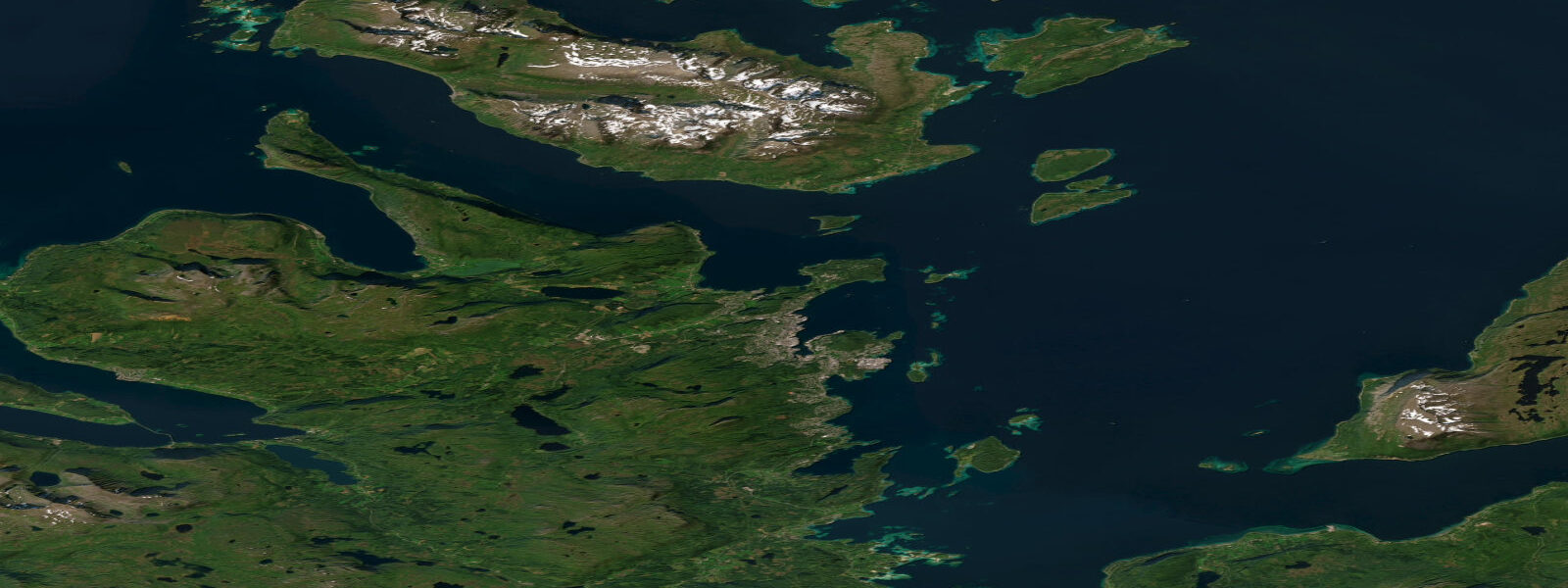
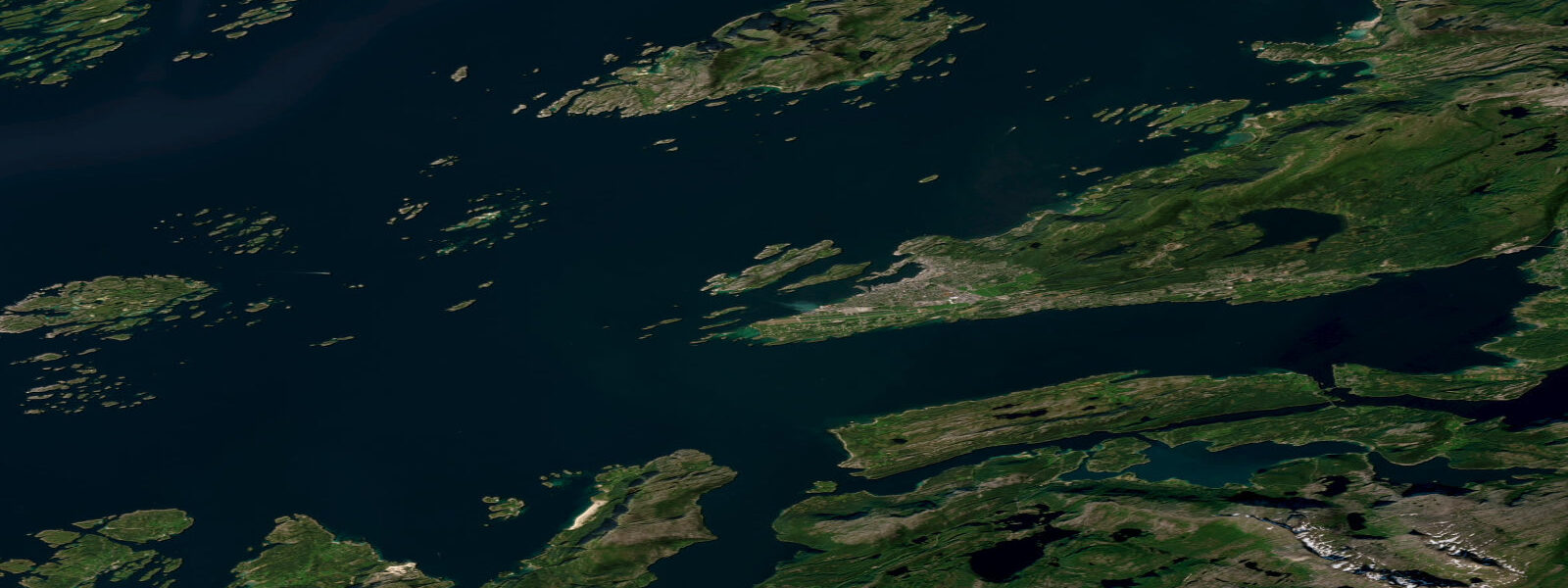
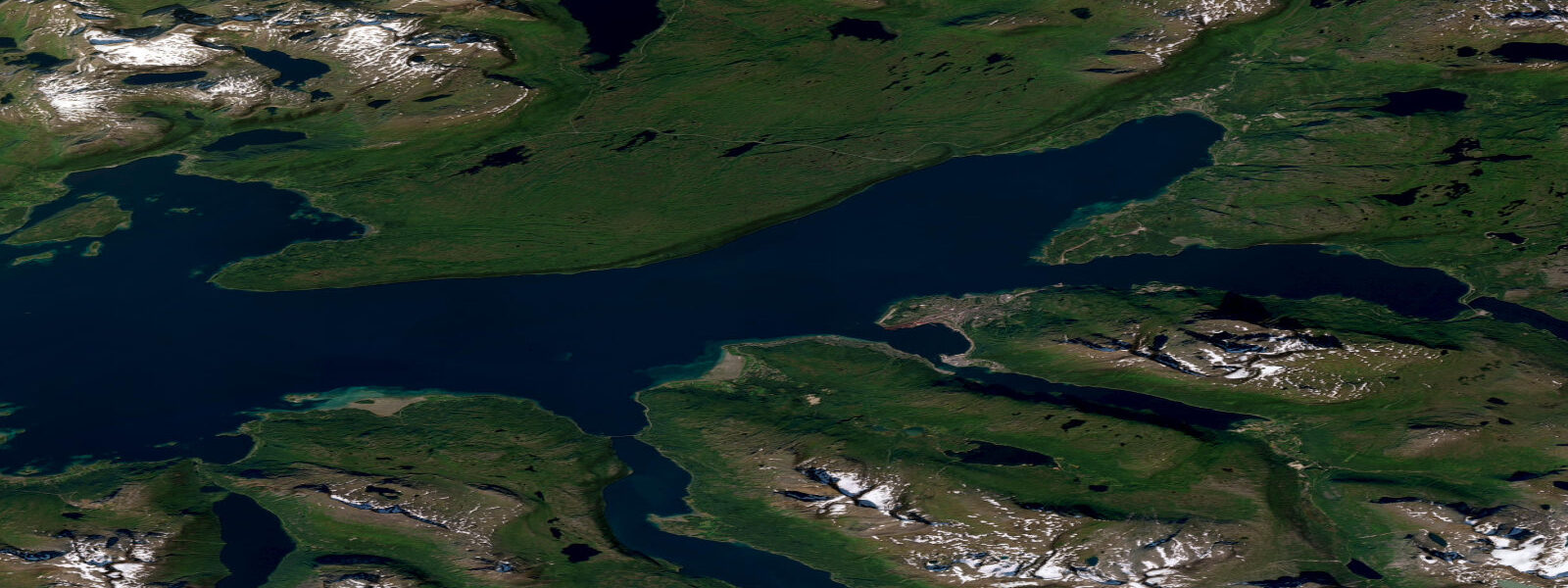
The three closest curated TideTurtle locations to Svolvær, measured by great-circle distance.
Today's solunar windows
Solunar tradition: major periods are the ≈3h windows around moon transit and opposition; minor are ≈2h around moonrise and moonset. Pair with the local tide stage and wind for the best read.
Cycle dates near Svolvær
Last spring tide on Tue 04 Aug (range 2.2m). Next spring tide on Mon 10 Aug (range 2.0m). Next neap on Sat 08 Aug.
Spring tides cluster around new and full moons (biggest swings). Neap tides land on quarter moons (smallest swings). See the spring tide and neap tide glossary entries for the why.
About tides at Svolvær
A short guide to the coastline at Svolvær — geography, sea state, and what the tide is actually doing under your feet.
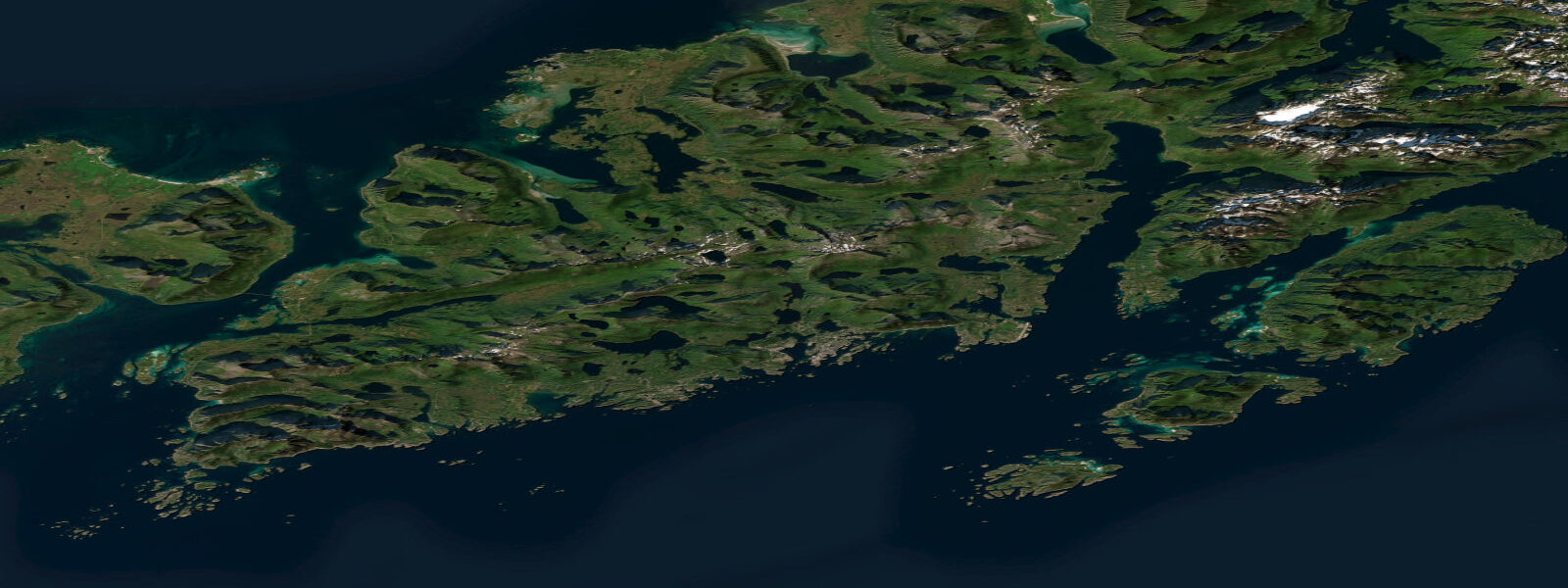
Svolvær is the main town of the Lofoten Islands, sitting on a sheltered harbour on the south coast of Austvågøya, the largest island in the archipelago. The backdrop is the defining feature: the Svolvær mountains rise almost vertically from the harbour edge, including the twin pinnacles of the Svolværgeita (Svolvær Goat) at 764 m, which can be seen from the harbour on clear days. The town is the arrival point for the Hurtigruten coastal express and the Bodø car-ferry, and the departure point for boat trips into the surrounding Vestfjorden and the outer Lofoten islands.
The tidal regime at Svolvær is semidiurnal with a spring range of approximately 2.0 m above Chart Datum. Mean high water springs sits around 1.5 m above Chart Datum; mean low water springs at roughly 0.5 m. Neap range narrows to around 0.8–1.0 m. The harbour is well sheltered from westerly weather by the outer Lofoten island chain; the fetch inside the harbour is short and tidal currents within the inner harbour basin are gentle — typically 0.3–0.5 knots on springs.
The tidal range matters most in the outer islands and in the straits between the main Lofoten islands, where current accelerates through the narrows. Vestfjorden, the 70 km wide body of water between the Lofoten chain and the Norwegian mainland, is the main sea area for fishing from Svolvær. The ebb tide running out of Vestfjorden to the southwest concentrates fish on the leading edge of the current at the western mouths of the fjord; the flood running northeast concentrates them on the eastern approaches. Charter fishing boats out of Svolvær time their runs to these current transitions.
For the boat traffic in and out of Svolvær harbour — Hurtigruten, car-ferries, fishing vessels, tourist RIBs — the 2.0 m spring range is comfortably within the design parameters of the existing berths. The ferry ramp to the Bodø car-ferry adjusts for the tidal range. Small-boat operators mooring at the Svolvær guest marina should set spring-tide scope: a boat tied at high water with lines set for a 1.0 m range will be pulled up short on a spring low 12 hours later.
Winter fishing at Svolvær — specifically the skrei (migratory Arctic cod) season — runs from January to April and is the most economically significant fishery in the Lofotens. The skrei enter Vestfjorden from the Barents Sea to spawn on the shallow banks around the Lofoten islands; the prime fishing grounds are on the continental shelf edge west of the islands at 50–150 m depth. Tidal current on the outer banks runs 0.5–1.5 knots; fishing boats work the current rather than fighting it, drifting with the ebb across the reef tops where spawning cod concentrate.
Sea-kayak touring around the outer skerries south and east of Svolvær is one of the most scenic paddles in Norway. The inner leads between Austvågøya and the smaller islands to the east are partially sheltered from Vestfjorden swell; the tidal current through the inner passage is 0.5–1.0 knots on springs. Paddlers running this route benefit from timing the main exposed crossing of the Vestfjorden entrance early in the flood, when the current helps rather than hinders. The outer skerries on the west side of Svolvær are exposed to Vestfjorden and require a weather window rather than a tidal window.
For photographers, Svolvær's harbour provides a classic composition: fishing boats in the foreground, the peaks of the Svolvær Goat and surrounding mountains vertical behind. The best light falls on the mountain faces in the early morning and again in the late afternoon, when the low Arctic sun sweeps horizontally across the rock. At low water, the harbour ramp area and the concrete jetty faces expose tidal staining and boat-bottom reflections that add foreground texture. Midnight sun is present from late May to mid-July.
All tide predictions for Svolvær come from the Open-Meteo Marine gridded model. Timing accuracy is ±45 minutes; height accuracy is ±0.3 m above Chart Datum.
Tide questions about Svolvær
Quick answers to the most common questions about tide times, range, and water access at Svolvær.
What is the tidal range at Svolvær and how does it affect the ferry terminal?
Svolvær has a semidiurnal spring tidal range of approximately 2.0 m above Chart Datum. Mean high water springs is around 1.5 m above Chart Datum; mean low water springs around 0.5 m. The car-ferry terminal for the Bodø–Svolvær service uses an adjustable ramp that accommodates the full range. The Hurtigruten berth on the main quay is designed for the same range. Passenger boarding from the floating pontoon sections of the guest marina has a noticeable gangway-angle change of 10–15° between spring high and low water — not a safety issue but worth knowing if you are boarding with heavy gear. Tide predictions carry ±45 minutes timing uncertainty and ±0.3 m height uncertainty.
When does the skrei cod season run at Svolvær, and how do tides affect fishing?
The skrei (Arctic migratory cod) season at Lofoten runs January through April, peaking in February and March. The fish spawn on the outer continental shelf and shallow banks west of the Lofoten islands, at depths of 50–150 m. Fishing boats work the tidal current rather than anchoring against it — drifting across the reef tops on the ebb concentrates fish on the upcurrent side of the structure. Spring tides produce stronger drift currents (0.8–1.5 knots) and can give better natural bait presentation; neap tides require more active boat positioning. Charter boats out of Svolvær brief passengers on the drift strategy before departure.
Is sea kayaking around Svolvær safe for intermediate paddlers?
The inner leads east of Svolvær between Austvågøya and the surrounding smaller islands are suitable for intermediate paddlers with good weather judgment. Tidal current through these passages is 0.5–1.0 knots on springs — time the main transitions at or near slack water. The exposed Vestfjorden crossings to the outer skerries west of town require open-water experience and a committed weather window; Vestfjorden swell can reach 2–3 m in westerly airflow. Inner archipelago routes are the right choice for most paddlers. Tide predictions carry ±45 minutes uncertainty — build slack-water timing with a 30-minute safety margin on either side.
What wildlife can be seen from the tidal zone around Svolvær?
White-tailed sea eagles are resident in the Lofoten Islands and are regularly seen from the Svolvær waterfront and on boat trips into the fjords — they hunt the tidal rip zones where small fish concentrate in current seams. Harbour seals haul out on the low-water rocks around the outer skerries and on the exposed reefs east of the main island. Otter presence is reported in the sheltered inner bays. During the skrei season (January–April) orca follow the cod schools into Vestfjorden and are regularly sighted from charter boats. The tidal flats exposed at spring low water support oystercatcher, purple sandpiper, and turnstone in migration periods.
What is the best tidal time for photography in Svolvær harbour?
Low water in Svolvær exposes the tidal ramp, barnacle-covered jetty faces, and the boat-hull reflections that provide foreground texture for harbour compositions. The mountains directly behind the town catch the best light from the east in the early morning and from the northwest in late afternoon (particularly striking in the long Arctic summer evenings). Midnight sun from late May to mid-July means low-water windows that fall at 01:00–03:00 can still be shot in excellent horizontal light. The most dramatic conditions are winter low water in clear weather, when the snow-covered peaks reflect in the still harbour water — but temperatures will be well below freezing.
8-day tide table — Svolvær
Heights relative to MSL. Predictions: Open-Meteo Marine (MeteoFrance SMOC, 0.08° grid) — heights relative to MSL (not chart datum / LAT). Model-derived.
| Day | Type | Time | Height |
|---|---|---|---|
| Tue 04 Aug | Low | 02:00 | 0.3m |
| High | 03:56 | 0.7m | |
| Low | 10:48 | -1.5m | |
| High | 16:33 | 0.5m | |
| Low | 23:01 | -1.2m | |
| Wed 05 Aug | High | 04:36 | 0.6m |
| Low | 11:32 | -1.4m | |
| High | 17:26 | 0.4m | |
| Thu 06 Aug | Low | 12:18 | -1.2m |
| High | 18:25 | 0.4m | |
| Fri 07 Aug | Low | 00:45 | -0.9m |
| High | 06:40 | 0.4m | |
| Low | 13:19 | -1.1m | |
| High | 19:47 | 0.4m | |
| Sat 08 Aug | Low | 02:02 | -0.9m |
| High | 08:08 | 0.3m | |
| Low | 14:37 | -1.1m | |
| High | 21:03 | 0.4m | |
| Sun 09 Aug | Low | 15:58 | -1.0m |
| High | 22:10 | 0.7m | |
| Mon 10 Aug | Low | 04:49 | -1.0m |
| High | 10:39 | 0.6m | |
| Low | 17:11 | -1.0m | |
| High | 23:08 | 0.9m | |
| Tue 11 Aug | Low | 01:00 | 0.5m |