Narvik tide times
Narvik tide forecast — heights relative to MSL.
Tide chart for Narvik
24-hour cosine-interpolated curve around the present moment. Heights relative to MSL. Predictions: Predictions: Open-Meteo Marine (MeteoFrance SMOC, 0.08° grid).
Sun, moon and conditions on Tue 04 Aug
Snapshot at build time — refreshes daily. Sea state from Open-Meteo Marine.
Highs and lows next 7 days
Every predicted high and low for the next week, with the daily tidal coefficient (0–120; higher = bigger swing, > 95 means stronger currents).
Other spots nearby
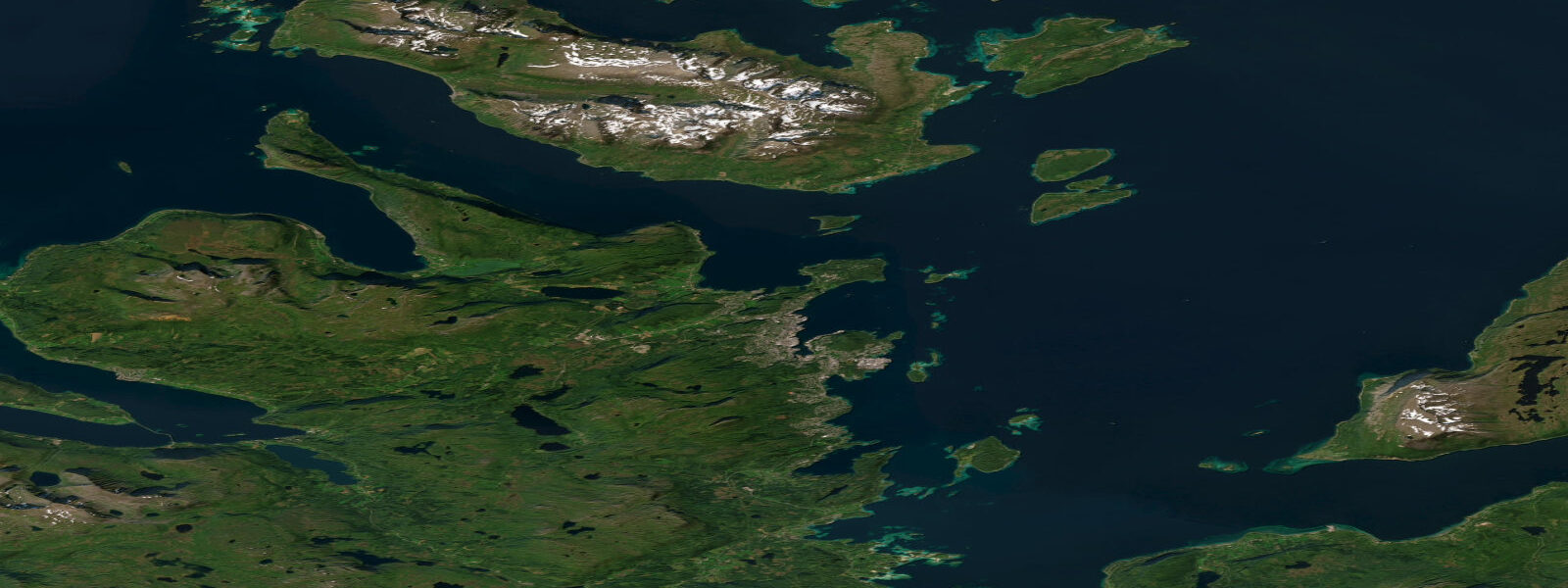
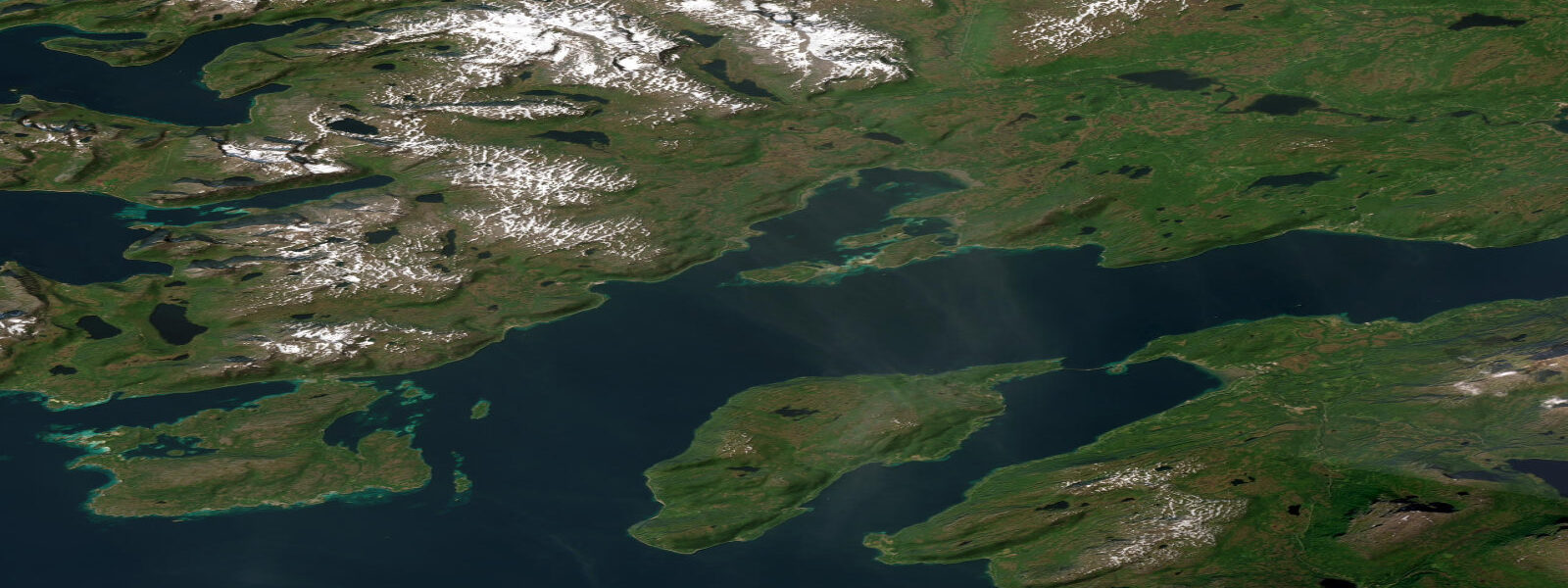
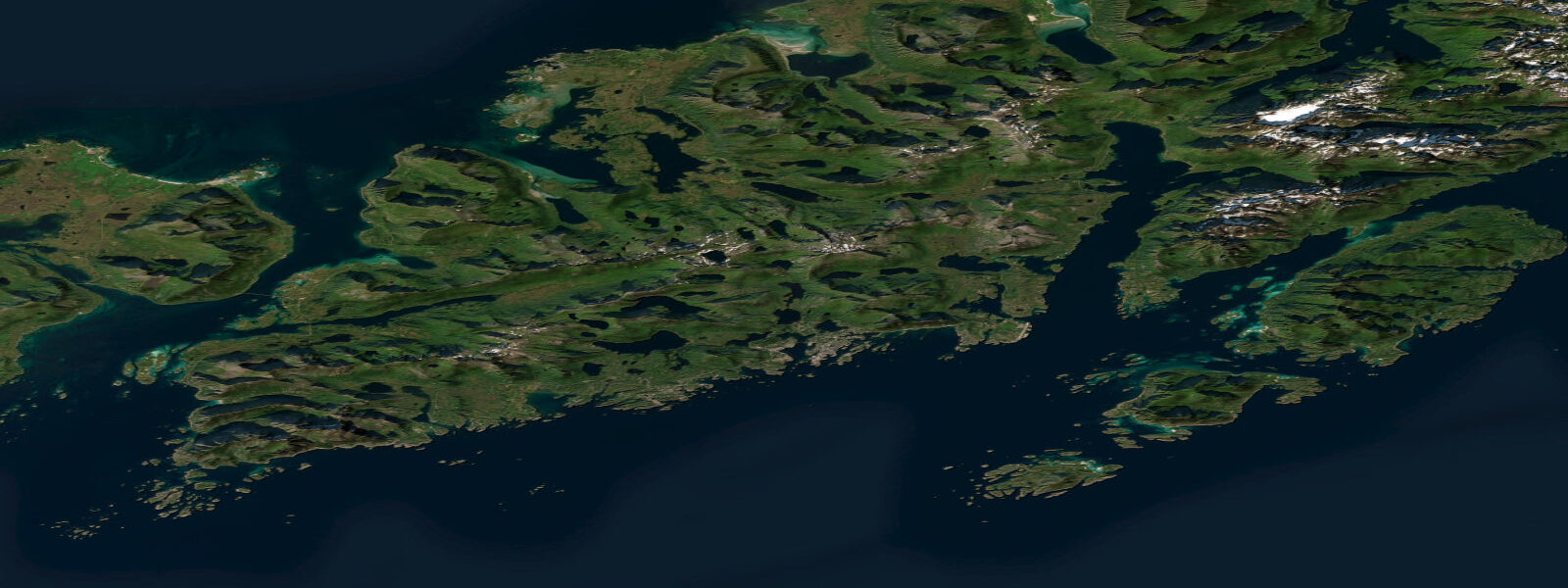
The three closest curated TideTurtle locations to Narvik, measured by great-circle distance.
Today's solunar windows
Solunar tradition: major periods are the ≈3h windows around moon transit and opposition; minor are ≈2h around moonrise and moonset. Pair with the local tide stage and wind for the best read.
About tides at Narvik
A short guide to the coastline at Narvik — geography, sea state, and what the tide is actually doing under your feet.
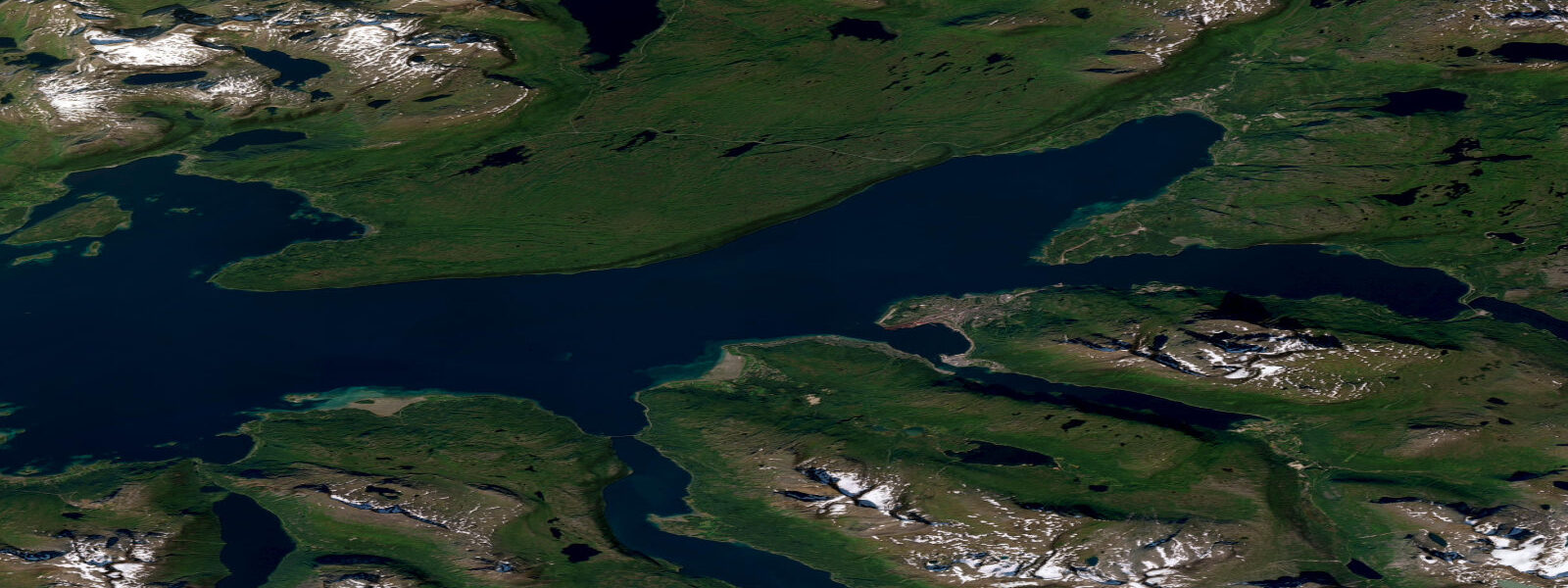
Narvik occupies a steep hillside above the Ofotfjord in northern Nordland, roughly 200 km north of the Arctic Circle. The town exists because of iron ore: the Ofoten Railway, completed in 1902, runs 42 km east from the port to the Swedish iron ore mines at Kiruna across the border, and the year-round ice-free harbour made Narvik the only viable export terminal for ore that would otherwise be locked by Baltic ice for months. The iron ore loading facilities — the long automated ore pier stretching north from the main harbour — are still the defining industrial feature of the waterfront.
The tidal regime at Narvik is semidiurnal with a spring range of approximately 2.2–2.5 m above Chart Datum. The Ofotfjord is a deep, relatively narrow fjord running roughly east-west; the tidal wave enters from the Norwegian Sea to the west and travels up the fjord with modest attenuation. Mean high water springs at Narvik is approximately 1.8 m above Chart Datum; mean low water springs is approximately 0.4 m. The tidal current through the main body of the Ofotfjord is gentle — typically 0.3–0.8 knots at mid-channel — but accelerates in the several narrows and side fjords branching off the main waterway.
The naval battles of Narvik in April–May 1940 are the most historically significant events that took place on this water. Two engagements were fought in the Ofotfjord and in the narrow Herjangsfjord to the north; the wrecks of destroyer-class vessels from both the German and British/Norwegian navies lie in the fjord at depths of 15–100 m. The Narvik War Museum covers the 1940 battles in detail and coordinates with local dive operators who run wreck dives on the accessible sites. Tidal current on the dive sites in the Herjangsfjord narrows can reach 1.0–1.5 knots on springs; the dive window is on the slack.
For recreational boaters using Narvik as a base for fjord exploration, the Ofotfjord and its side arms — the Beisfjord to the south, the Rombaken to the east, the Herjangsfjord to the north — offer 150+ km of protected deep water. The mountain scenery is exceptional: the fjord walls rise from sea level to over 1,600 m within a few kilometres. Sea depths in the main fjord run 100–200 m; anchoring is possible only in the side bays and inlets where the bottom shallows. The tidal range of 2.2–2.5 m makes anchor scope calculations important — set for the spring range, not mid-tide depth.
Fishing in the Ofotfjord targets cod, coalfish, and the occasional halibut. The deep fjord channel holds cod year-round; they move shallower to feed on the incoming flood tide. The flat transition areas at fjord bends — where the current slackens and baitfish collect — are the productive shore-fishing spots. Local knowledge on the exact timing of these current transitions is more reliable than a generic tide table, as fjord geometry introduces local lags of 30–90 minutes.
The Narvik ski area on Narvikfjellet behind the town is one of Norway's best, with gondola access from near sea level to 1,011 m. Spring skiing (March–May) coincides with the period when the fjord below is at its clearest: blue water, snow on the mountains, long daylight hours. From the upper lifts, the tide in the Ofotfjord is visible far below — the difference between spring high and spring low water is marked by the exposed ore-pier foundations and the waterline on the quay walls.
All tide predictions for Narvik come from the Open-Meteo Marine gridded model. Timing accuracy is ±45 minutes; height accuracy is ±0.3 m above Chart Datum.
Tide questions about Narvik
Quick answers to the most common questions about tide times, range, and water access at Narvik.
What is the tidal range at Narvik and how does it affect anchoring in the Ofotfjord?
Narvik has a semidiurnal spring tidal range of approximately 2.2–2.5 m above Chart Datum. Mean high water springs is around 1.8 m; mean low water springs around 0.4 m. The main Ofotfjord is very deep — 100–200 m in the channel — and anchoring is only practical in the shallow side bays and inlets. Set anchor scope for the spring range plus a safety margin; a boat anchored in 8 m at mid-tide needs scope calculated from a low-water depth of approximately 6.8 m. The tidal current at mid-channel runs 0.3–0.8 knots; current in the Herjangsfjord narrows can reach 1.0–1.5 knots on springs.
Can divers access the WWII wrecks in the Ofotfjord, and what tidal conditions are needed?
Several destroyer-class wrecks from the April 1940 naval battles lie in the Ofotfjord and Herjangsfjord at depths of 15–100 m. The accessible wreck sites in the Herjangsfjord narrows are dived on the slack water window — tidal current through the narrows reaches 1.0–1.5 knots on springs and makes drift control impractical during active flow. Slack water lasts 20–30 minutes; dive plans must be timed precisely. Narvik dive operators who specialise in the war wrecks calculate the local slack from their own current observations rather than the tide table alone, as the fjord geometry introduces a lag. Contact Narvik War Museum for operator contacts.
What fish species are caught in the Ofotfjord near Narvik?
Cod, coalfish (saithe), and occasional halibut are the main species in the Ofotfjord. Cod hold at depth in the main channel year-round and move shallower on the flooding tide to feed at the transition zones where the bottom rises from the channel. The productive shore-fishing spots are at fjord bends and shallowing points where the flooding current slackens and baitfish collect. Local anglers know the specific timing at each spot — the fjord geometry introduces 30–90 minute lags from the tide table. The Narvik harbour area and the Rombaken fjord arm to the east are the most accessible fishing grounds from town.
Is the Ofotfjord safe for sea kayakers, and what tidal hazards exist?
The main Ofotfjord is deep and sheltered from ocean swell, making it a spectacular kayaking destination for paddlers who can read fjord weather. Tidal current in the main channel is 0.3–0.8 knots — manageable for experienced paddlers. The narrows entering side fjords (Herjangsfjord in particular) accelerate to 1.0–1.5 knots on springs; time these passages at slack. The main hazard in the Ofotfjord is katabatic wind: cold air draining down the steep fjord walls can create localised gusts of 20–30 knots with little warning, independent of the broader weather pattern. Stay close to shore and have a landing plan.
When is the best season to visit Narvik's coast, and how does tidal timing vary by season?
The spring season (March–May) offers the best combination of accessible tidal windows and dramatic scenery: long daylight hours, snow on the mountains, and a frost-free fjord below. Midnight sun runs approximately May 28 to July 14 — tidal windows at any hour of the day are usable in daylight. Winter (November–February) has 1–3 hours of civil twilight daily above the horizon; tidal planning in winter means working within a narrow light window. Summer is the main tourist season, but the fjord is equally accessible. Open-Meteo tide predictions carry ±45 minutes timing uncertainty — build this buffer into any tidal passage plan.
0-day tide table — Narvik
Heights relative to MSL. Predictions: Open-Meteo Marine (MeteoFrance SMOC, 0.08° grid) — heights relative to MSL (not chart datum / LAT). Model-derived.
| Day | Type | Time | Height |
|---|