Mandal tide times
Mandal tide forecast — heights relative to MSL.
Today's tide times for Mandal
Tide times at Mandal on Tuesday, 4 August 2026: first low tide at 02:00. Sunrise 05:27, sunset 21:43.
Tide chart for Mandal
24-hour cosine-interpolated curve around the present moment. Heights relative to MSL. Predictions: Predictions: Open-Meteo Marine (MeteoFrance SMOC, 0.08° grid).
Sun, moon and conditions on Tue 04 Aug
Snapshot at build time — refreshes daily. Sea state from Open-Meteo Marine.
Highs and lows next 7 days
Every predicted high and low for the next week, with the daily tidal coefficient (0–120; higher = bigger swing, > 95 means stronger currents).
Other spots nearby
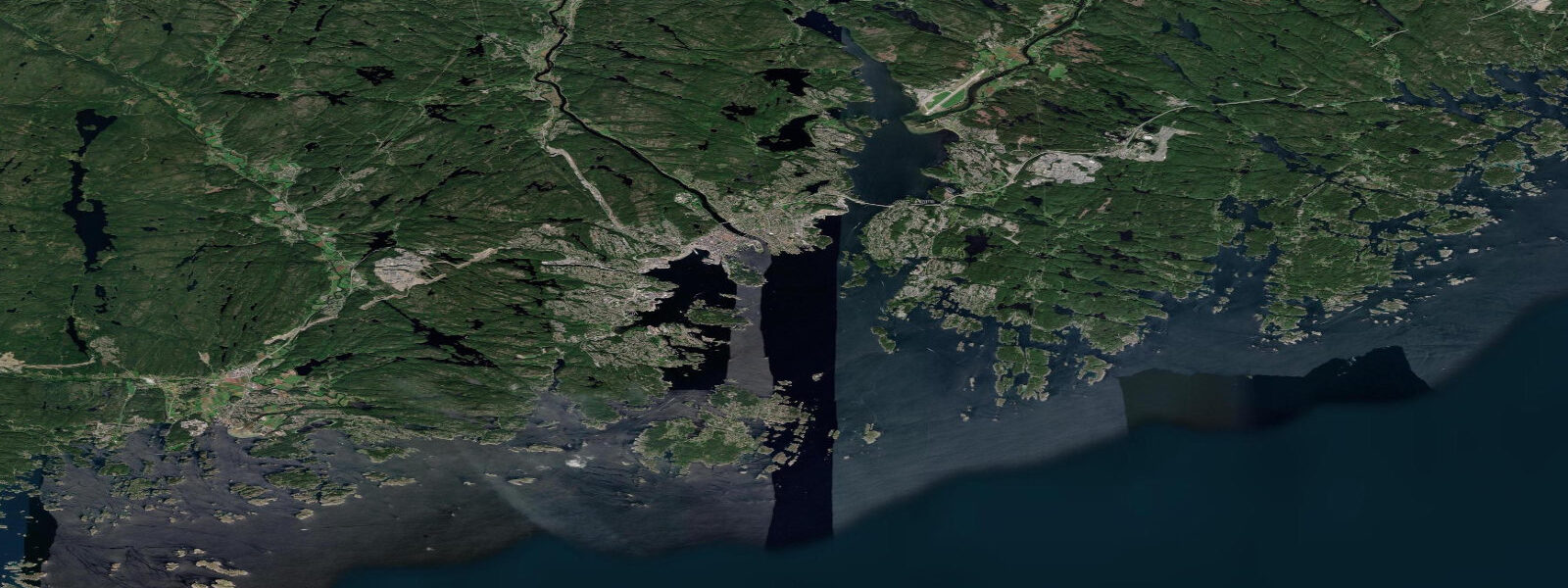
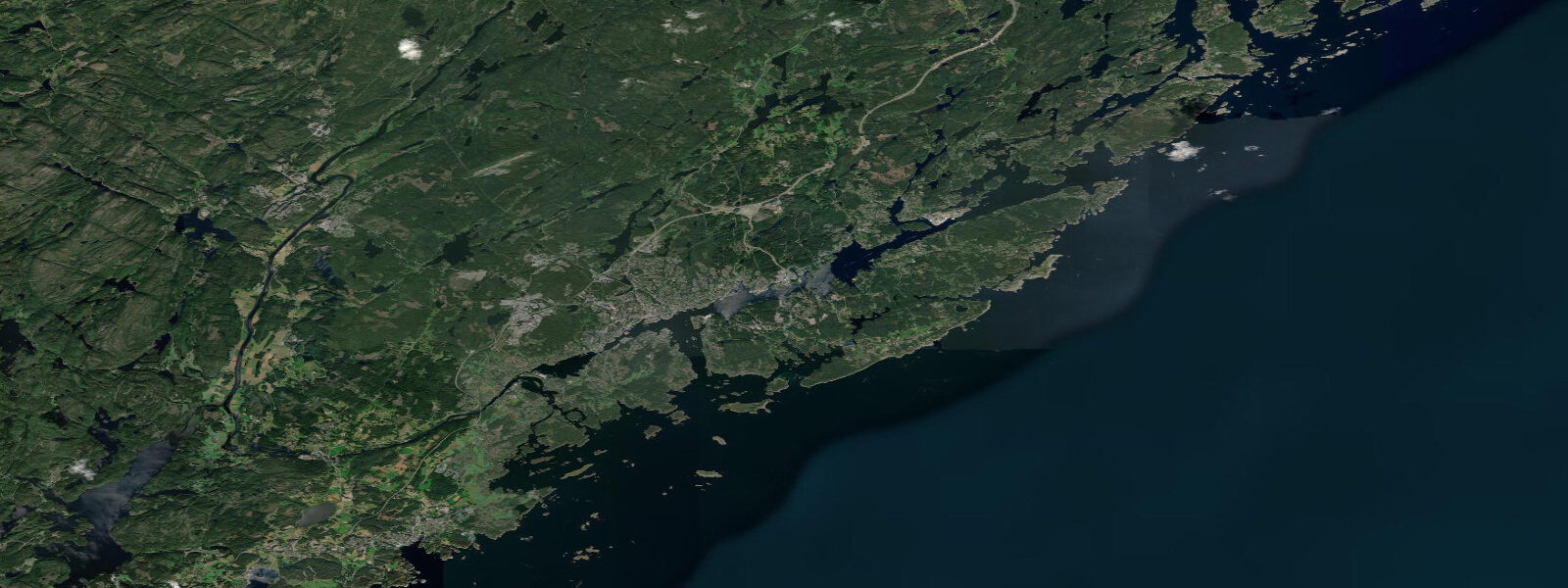
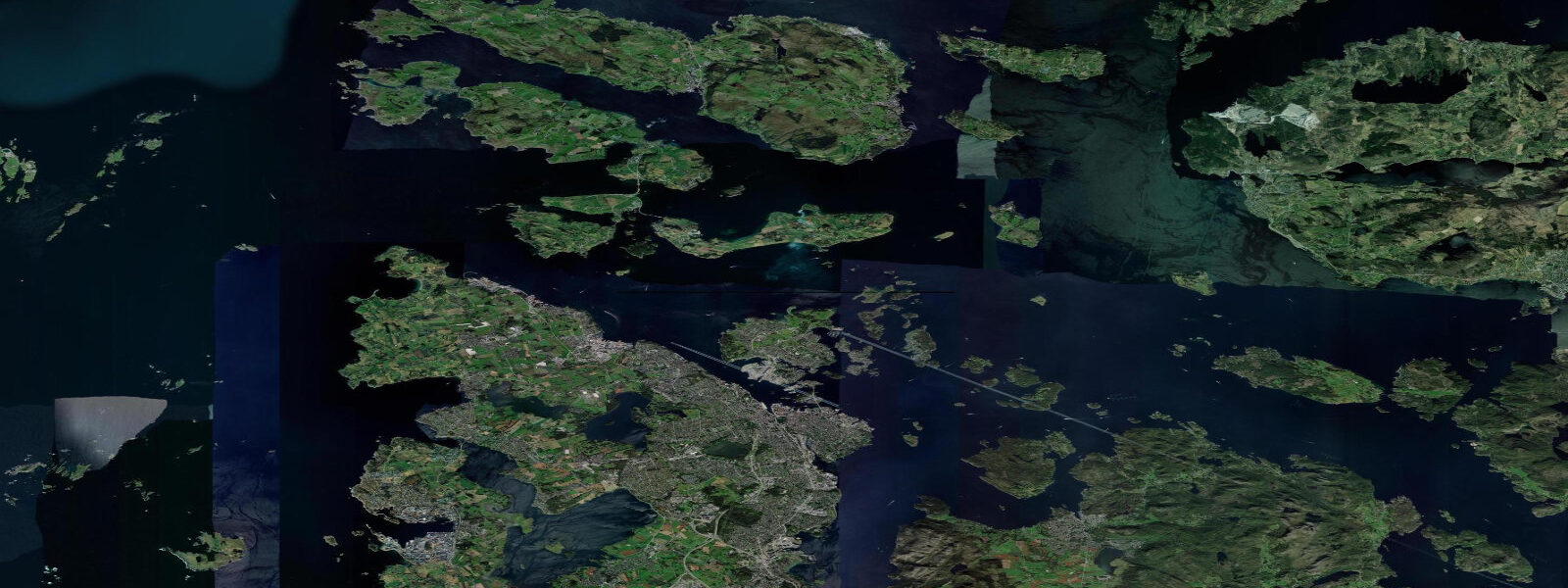
The three closest curated TideTurtle locations to Mandal, measured by great-circle distance.
Today's solunar windows
Solunar tradition: major periods are the ≈3h windows around moon transit and opposition; minor are ≈2h around moonrise and moonset. Pair with the local tide stage and wind for the best read.
About tides at Mandal
A short guide to the coastline at Mandal — geography, sea state, and what the tide is actually doing under your feet.
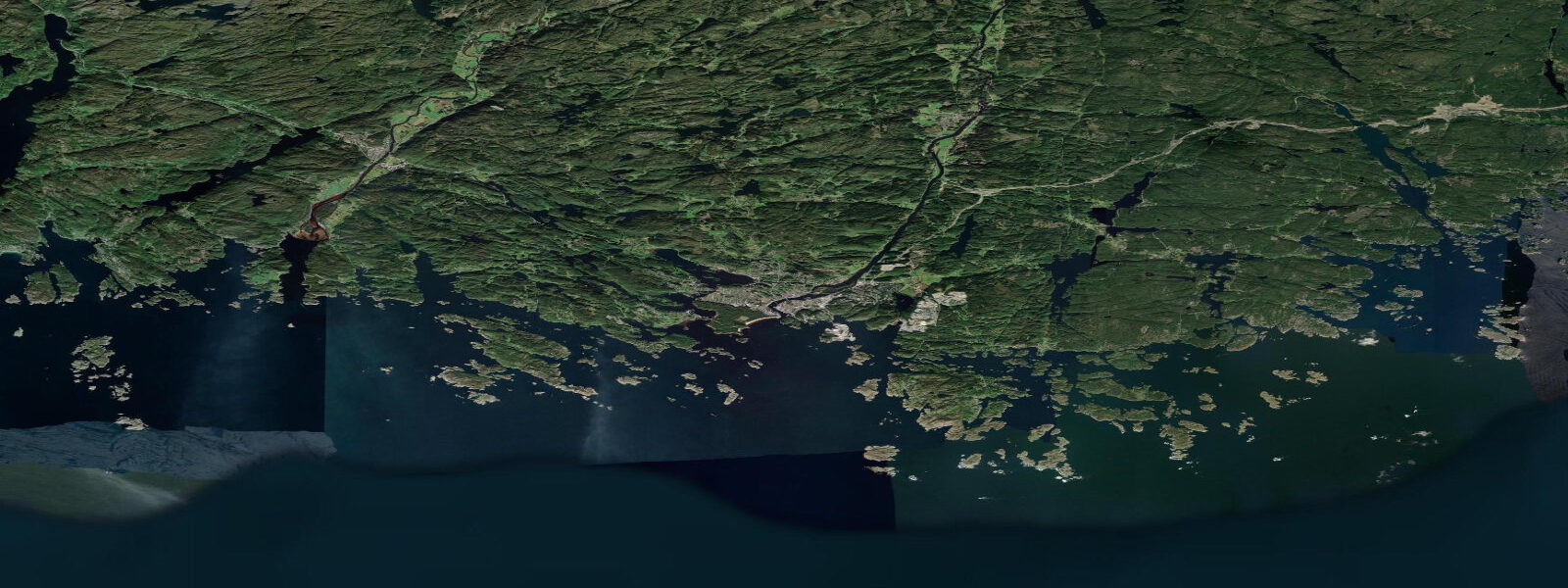
Mandal is the southernmost town in Norway, sitting at the mouth of the Mandalselva river where it meets a sheltered bay on the Skagerrak. It is small — around 16,000 people — but disproportionately significant in two respects: Sjøsanden, the long sandy beach on the west side of the river mouth, is the longest natural sandy beach in Norway; and the town's position at the absolute southern tip of the Norwegian coast means it catches more hours of sunshine than anywhere else in the country. This combination has made Mandal the most popular summer destination on the Agder coast.
The tidal regime at Mandal is semidiurnal with a spring range of approximately 0.5 m above Chart Datum — the smallest along the Agder coast and among the smallest in Norway. Mean high water springs is around 0.3 m above Chart Datum; mean low water springs at roughly 0.1 m. The practical consequence: the tide barely moves at Mandal. Water level fluctuation of 0.5 m is a rounding error compared to the effects of onshore southerly wind pushing water into the bay, or offshore northerly wind drawing the sea level down by a similar amount. Sjøsanden beach has almost no tidal change in the beach profile from a 0.5 m range on a gentle slope — the waterline shift is 15–25 m, barely perceptible.
Sjøsanden is 800 m long and faces south-southwest across open Skagerrak water. The beach has a consistent fine sand surface, a gentle slope, and a sheltered lagoon at its eastern end where the Mandalselva river meets the bay. The river outflow creates a freshwater mixing zone in the lagoon that is noticeably cooler than the open bay water in summer — sea temperature here peaks at 20–22 °C in July–August, the warmest on the Norwegian coast. The lagoon end of the beach has the most sheltered swimming; the western end nearest the outer skerries gets more direct southern swell.
For sea anglers, the Mandal coast offers two distinct zones: the open Skagerrak skerries to the south and west, where mackerel, pollock, and occasional garfish are taken in summer; and the Mandalselva estuary, one of the most productive sea-trout rivers on the Agder coast. The sea trout run peaks from August through October; fish enter the lower river on the flooding tide, and the best fishing position moves 200–300 m upstream with each 0.5 m tidal push. The estuary mouth is public water; upstream sections have regulated fishing with permits available from the local angling association.
For families, Sjøsanden is the destination. The beach has parking, cafe facilities, and toilets at the eastern end near the town. The shallow water and gentle slope make it safe for small children; the warming effect of the river-mixed water in the lagoon section makes it one of the warmest natural swimming spots in Norway. July and August see the beach busy; the shoulder weeks of late June and early September are excellent — warm enough, less crowded.
The outer skerries west of Mandal — the Skjernøy and Listerskjær lighthouse areas — are popular small-boat fishing grounds. The passage from Mandal harbour to the outer skerries runs south through a series of marked channels; tidal current in these channels is 0.2–0.5 knots, contributing little to navigation decisions. The real variable is the southwesterly swell rolling in from the Skagerrak; the outer skerries are exposed to this and require a flat-weather window for safe small-boat access.
Photographers visiting Mandal find two distinct subjects: the colourful wooden merchant town along the Mandalselva river bank (best light in morning from the east, warm tones on the 18th-century wooden buildings) and Sjøsanden in evening light facing south-southwest — the beach catches late afternoon sun directly, and the reflections on the wet sand at low water carry the most colour in the hour before sunset.
All tide predictions for Mandal come from the Open-Meteo Marine gridded model. Timing accuracy is ±45 minutes; height accuracy is ±0.3 m above Chart Datum.
Tide questions about Mandal
Quick answers to the most common questions about tide times, range, and water access at Mandal.
What is the tidal range at Mandal and how does it affect Sjøsanden beach?
Mandal has Norway's smallest semidiurnal spring tidal range at approximately 0.5 m above Chart Datum. At Sjøsanden's gentle gradient, this produces a waterline shift of 15–25 m — barely perceptible on an 800 m beach. The beach works well at all tidal stages. The practical variable at Sjøsanden is southerly wind and swell: onshore southwesterly wind raises the water level 0.2–0.4 m and creates chop along the beach face. The calmest conditions are in the sheltered lagoon at the eastern end of the beach near the Mandalselva mouth, protected from the western swell. Tide predictions carry ±45 minutes timing uncertainty and ±0.3 m height uncertainty.
Is Mandal the southernmost town in Norway and what does that mean for swimmers?
Mandal is the southernmost town in mainland Norway. Its southern latitude and the shallow Sjøsanden bay mean sea temperatures peak at 20–22 °C in July–August — the warmest swimming water in Norway. The river mixing zone in the eastern lagoon section of the beach adds a freshwater layer that can feel slightly warmer than the open bay on calm days. The beach season runs from mid-June to early September. The 0.5 m tidal range has no meaningful effect on swimming conditions; the main seasonal variable is sea temperature, which tracks air temperature and sun hours — both at their maximum here.
When does the sea-trout fishing season run at Mandal, and how does the tide affect it?
Sea trout run the Mandalselva from August through October, peaking in September. Fish enter the lower river on the flooding tide; the estuary mouth is the primary position, and it shifts 200–300 m upstream as the 0.5 m tidal push advances the saltwater wedge. Fish the tidal transition zone on the incoming tide, from one hour before to one hour after high water. The estuary mouth is public water; upstream sections require a permit from the Mandal angling association. Check regulations before fishing — some sections have seasonal closures. Tide predictions carry ±45 minutes uncertainty; time the incoming tide rather than the exact peak.
What are the best outer skerry fishing spots near Mandal?
The Skjernøy and Listerskjær skerry chains west of Mandal are the main small-boat fishing grounds. Mackerel arrive from late June and are present on the outer skerries through September. Pollock and coalfish hold on the reef structures year-round. The passages from Mandal harbour to the outer skerries run through marked channels with 0.2–0.5 knot tidal current — not a navigation challenge for any capable small boat. The key variable is Skagerrak swell: southwesterly swell of 1.5–2.5 m can make the outer skerry landing points and boat handling dangerous. Check the swell forecast, not just the wind, before heading out.
What photography subjects does Mandal offer, and what time of day is best?
Mandal has two distinct photographic subjects. The old wooden merchant town along the Mandalselva river bank catches warm morning light from the east — the 18th and 19th-century painted wooden buildings face the river and are best photographed 07:00–10:00 in summer. Sjøsanden beach faces south-southwest and catches the last hour of direct late-afternoon and evening sun, which reflects strongly off the wet sand at low-water tidal stage. The best Sjøsanden images are taken in the 60–90 minutes before sunset; the small tidal range means low water and sunset coincide at useful photography times on roughly half of any given week's evenings.
8-day tide table — Mandal
Heights relative to MSL. Predictions: Open-Meteo Marine (MeteoFrance SMOC, 0.08° grid) — heights relative to MSL (not chart datum / LAT). Model-derived.
| Day | Type | Time | Height |
|---|---|---|---|
| Tue 04 Aug | Low | 02:00 | -0.5m |
| Wed 05 Aug | — | ||
| Thu 06 Aug | High | 09:10 | -0.2m |
| Fri 07 Aug | Low | 05:50 | -0.4m |
| Sat 08 Aug | High | 00:50 | -0.3m |
| Low | 06:50 | -0.4m | |
| Sun 09 Aug | High | 02:00 | -0.1m |
| Low | 08:00 | -0.3m | |
| Mon 10 Aug | High | 02:42 | -0.1m |
| Low | 21:00 | -0.4m | |
| Tue 11 Aug | High | 01:00 | -0.2m |