Tinapa Waterfront tide times
Tinapa Waterfront tide forecast — heights relative to MSL.
Today's tide times for Tinapa Waterfront
Tide times at Tinapa Waterfront on Tuesday, 4 August 2026: first low tide at 01:41am, first high tide at 08:03am, second low tide at 02:14pm, second high tide at 08:15pm. Sunrise 06:23am, sunset 06:42pm.
Tide chart for Tinapa Waterfront
24-hour cosine-interpolated curve around the present moment. Heights relative to MSL. Predictions: Predictions: Open-Meteo Marine (MeteoFrance SMOC, 0.08° grid).
Sun, moon and conditions on Tue 04 Aug
Snapshot at build time — refreshes daily. Sea state from Open-Meteo Marine.
Highs and lows next 7 days
Every predicted high and low for the next week, with the daily tidal coefficient (0–120; higher = bigger swing, > 95 means stronger currents).
Other spots nearby
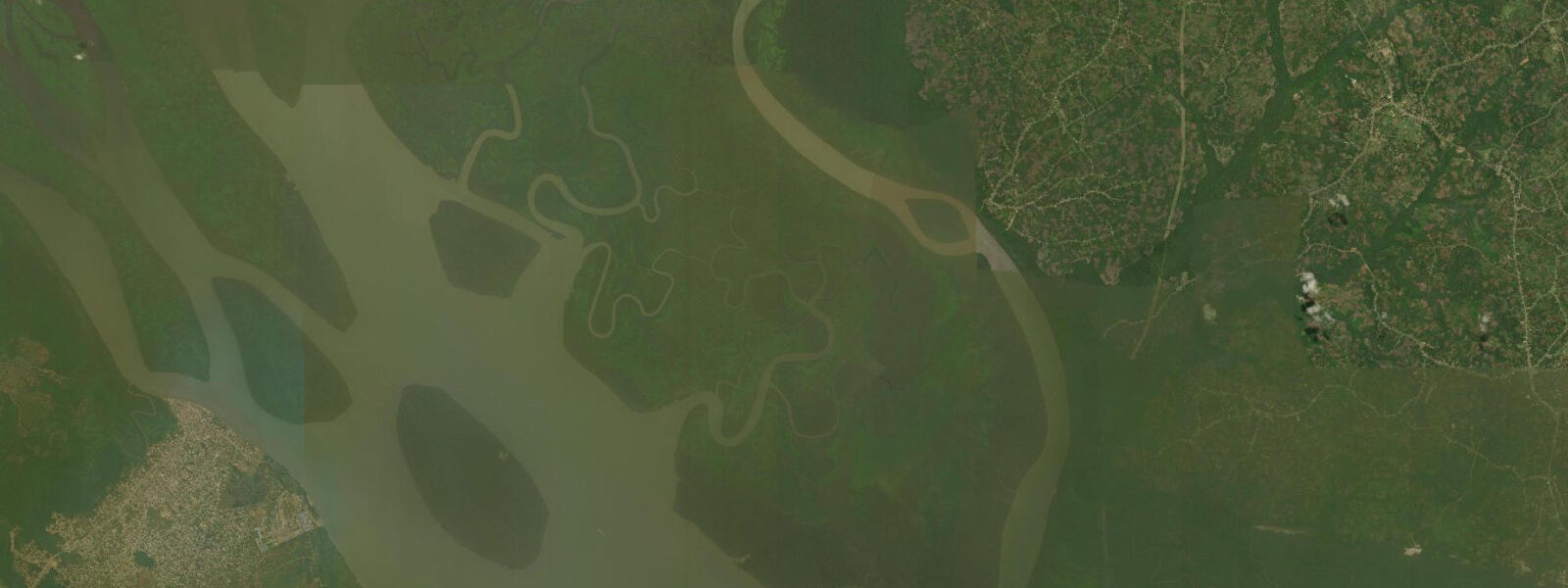
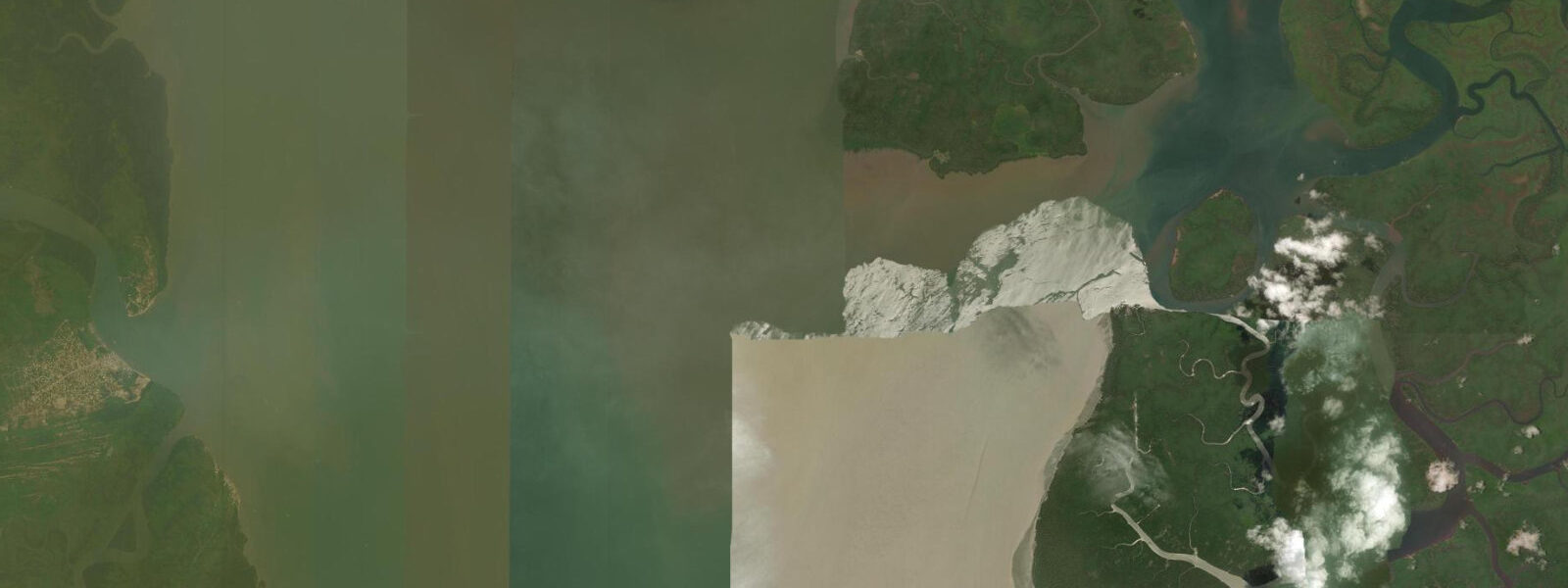
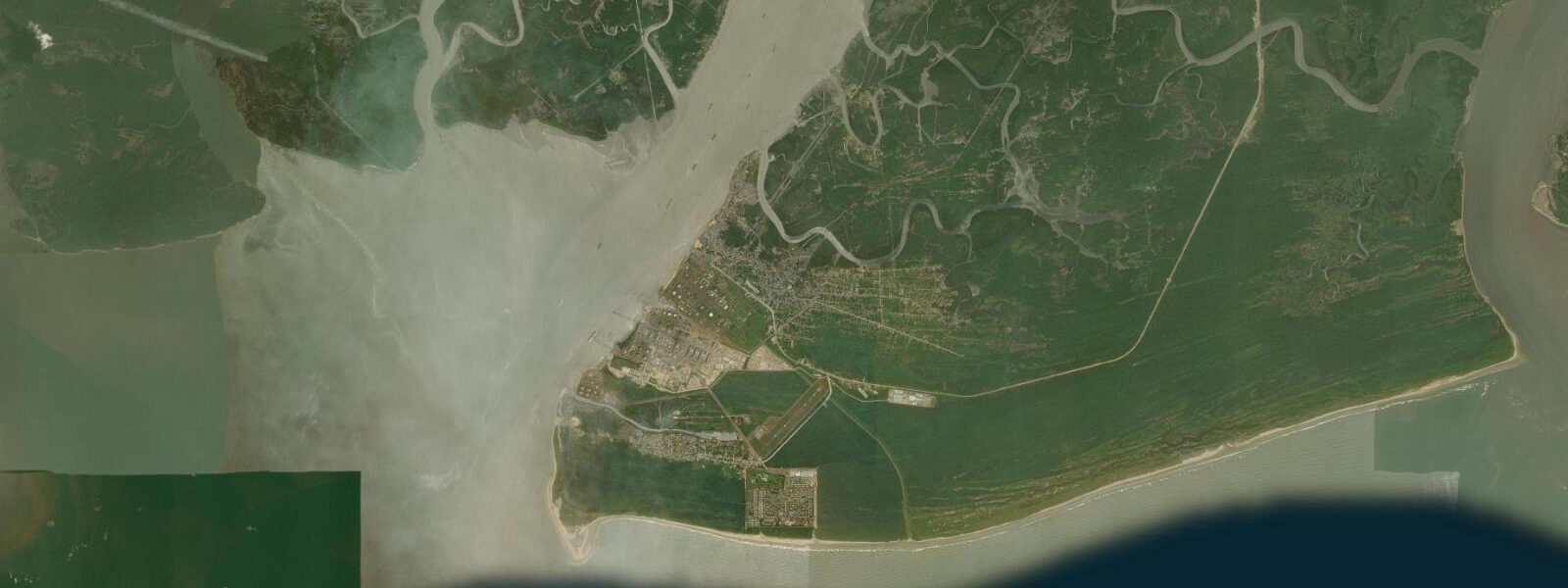
The three closest curated TideTurtle locations to Tinapa Waterfront, measured by great-circle distance.
Today's solunar windows
Solunar tradition: major periods are the ≈3h windows around moon transit and opposition; minor are ≈2h around moonrise and moonset. Pair with the local tide stage and wind for the best read.
Cycle dates near Tinapa Waterfront
Last spring tide on Tue 04 Aug (range 1.9m). Next spring tide on Mon 10 Aug (range 1.9m). Next neap on Fri 07 Aug.
Spring tides cluster around new and full moons (biggest swings). Neap tides land on quarter moons (smallest swings). See the spring tide and neap tide glossary entries for the why.
About tides at Tinapa Waterfront
A short guide to the coastline at Tinapa Waterfront — geography, sea state, and what the tide is actually doing under your feet.
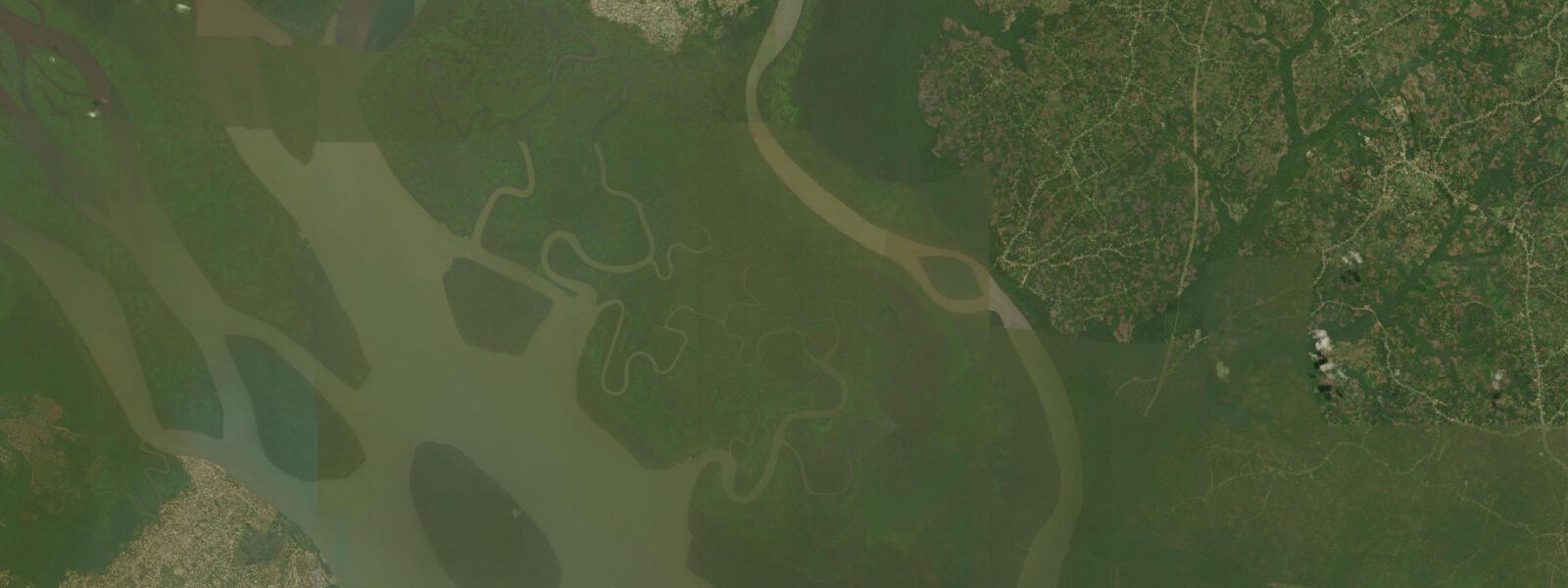
Tinapa Business Resort sits on the Cross River 5 kilometres from central Calabar, on the southern bank of the river where it widens before emptying into the Cross River Estuary. The resort was developed in the 2000s as a free-trade zone with marina, film studios, and leisure facilities. The marina component — a concrete quay on the tidal Cross River — remains operational and gives Tinapa a defined waterfront that most of the Calabar coast lacks.
The Cross River at this point is a tidal estuary, not a freshwater river. The tidal signal from the Atlantic penetrates at least 50 kilometres upstream from the coast, and at Tinapa's latitude the salinity and tidal range are strongly influenced by the oceanic signal. Spring tidal range here runs approximately 1.0 to 1.5 metres — within the typical Niger Delta and Cross River estuary band.
Tide predictions for Tinapa come from Open-Meteo Marine's global gridded model. The model captures the large-scale tidal signal; accuracy is ±45 minutes on timing and ±0.2 to 0.3 metres on height. River discharge from the upper Cross River basin adds a seasonal component: during the main rainy season (July to September), increased freshwater flow can raise river levels by 0.5 metres or more above the tidal baseline, effectively raising the baseline from which tidal oscillations occur.
For users of the marina, the tidal range determines available depth at the quay. At low water on spring tides, the Cross River shallows to 2 to 3 metres at the main quay face; at high water this increases to 3.5 to 4.5 metres. Most leisure and tourism vessels operating on the Cross River have drafts of 1.0 to 1.5 metres; the marina is accessible at all tide stages for this class of vessel. Commercial vessels with deeper drafts should check predicted low-water depths against current silting.
The waterfront at Tinapa offers some of the more accessible water-level observation on the Cross River. The concrete quay walls have growth lines — barnacles, algae, and tide-deposited debris — that show the recent tidal range visually. The river current runs at 0.5 to 1.5 knots on the ebb, building to 2 knots or more during high-discharge periods. Paddlers and canoeists using the river should note that the ebb current runs strongly from approximately 2 hours after high water to 2 hours before the next low.
Birdwatching on the river at Tinapa focuses on the mangrove fringe on the opposite bank. African fish eagles call from the tall riverside trees and are visible year-round. Kingfishers — pied, giant, and malachite — work the river edge on all tide stages. The mangrove channels on the Calabar side of the estuary, accessible by motor canoe from Tinapa's jetty, hold a fuller range of mangrove specialists.
Calabar as a city is notable as Nigeria's greenest and one of its historically most connected to maritime trade: the Portuguese arrived in the 15th century, and the Cross River was a major axis of the Atlantic slave trade before abolition. The Slave History Museum in central Calabar documents this history. The combination of colonial heritage, Cross River mangrove ecology, and estuary tidal dynamics makes Calabar an unusually layered coastal destination.
The Cross River National Park, accessed from Calabar, preserves lowland and montane forest habitat that is home to the Cross River gorilla — the most endangered subspecies of gorilla, with fewer than 300 individuals remaining. The park is accessible as a day or overnight trip from Calabar. Conservation tourism, though nascent in scale, is the primary reason international visitors make the journey to Calabar and the Cross River area. The combination of estuarine waterfront at Tinapa, colonial heritage in central Calabar, and biodiversity conservation context in the national park makes the Cross River State combination one of Nigeria's more layered destination propositions.
The tidal Cross River at Tinapa provides a sensory contrast to Calabar's urban centre. From the quay, the view south looks toward the estuarine widening where the river opens toward the coast; the mangrove fringe on the far bank frames the water. On calm mornings the river surface is flat and the reflected sky and forest make the water photogenic. The best light is in the first two hours after sunrise, before the heat haze builds over the water.
Calabar's designation as Nigeria's cleanest city reflects active municipal waste management and civic enforcement that is unusual in Nigerian urban context. The city's relative prosperity and order make it one of the more comfortable bases for visiting southeastern Nigeria's coastal and forest environments.
Tide questions about Tinapa Waterfront
Quick answers to the most common questions about tide times, range, and water access at Tinapa Waterfront.
What is the tidal range on the Cross River at Tinapa?
The Cross River at Tinapa is a tidal estuary. Spring tidal range runs approximately 1.0 to 1.5 metres, consistent with the southeastern Nigeria and Cross River estuary pattern. Neap range drops to 0.4 to 0.7 metres. Tide data here uses Open-Meteo Marine's global model, with ±45 minutes timing accuracy and ±0.2 to 0.3 metres height accuracy. During the rainy season (July to September), increased river discharge raises the effective water level by up to 0.5 metres above the tidal prediction, which can complicate navigation planning for vessels relying on predicted depths.
Is Tinapa Resort still operational?
Tinapa Business Resort opened in 2007 and has had a mixed operational history. The free-trade zone element has operated intermittently; the leisure and marina facilities have been more consistently available to the public. The marina quay and waterfront are accessible, and the Cross River boat excursion industry operates from the Tinapa jetty area. For the most current information on which facilities are open, check with local operators in Calabar before planning a visit. The waterfront location and tidal access remain regardless of the resort's commercial activity.
Can I take a boat from Tinapa to see the mangroves?
Motor canoe and speedboat excursions into the Cross River mangrove system are available from Tinapa and from the central Calabar waterfront. The mangrove creeks on the southern and eastern banks of the Cross River estuary are accessible within 20 to 40 minutes. Falling tide is the preferred departure time — the current assists the outbound journey and water levels in the creeks are still navigable. Returns on the flood tide are easier. Full mangrove excursions to the Creek Town and Calabar River confluence area take 3 to 4 hours return. A knowledgeable local boat operator is essential for navigating the creek network safely.
What is the best time to visit the Cross River waterfront?
Tinapa Business Resort opened in 2007 as a combined free-trade zone, leisure complex, and marina on the Cross River. The resort's commercial operations have had a variable history. The marina quay and waterfront areas have been accessible to the public during various phases of the resort's operation. The Cross River boat excursion industry has used the Tinapa jetty area as a launch point for river and mangrove tours. For the most current information on which specific facilities are open, contact local Calabar tourism operators or the Calabar Tourism Bureau before visiting. The tidal Cross River waterfront access remains functional regardless of the resort's commercial status.
What fish species are found in the Cross River estuary?
The Cross River estuary supports a diverse estuarine fish assemblage. Commercially important species include the West African croaker, bonga shad (a small herring-type fish that is the most important protein source in the local fishery), barracuda, snappers, and juvenile stages of offshore species that use the estuary as a nursery. The African manatee has been recorded in the lower Cross River; it is critically endangered and protected under Nigerian law. The estuary also supports mud crabs and shrimp, harvested by trap fishers working the mangrove channels on the lower half of the tidal cycle.
8-day tide table — Tinapa Waterfront
Heights relative to MSL. Predictions: Open-Meteo Marine (MeteoFrance SMOC, 0.08° grid) — heights relative to MSL (not chart datum / LAT). Model-derived.
| Day | Type | Time | Height |
|---|---|---|---|
| Tue 04 Aug | Low | 01:41 | -1.0m |
| High | 08:03 | 0.9m | |
| Low | 14:14 | -0.8m | |
| High | 20:15 | 0.6m | |
| Wed 05 Aug | Low | 02:21 | -0.8m |
| High | 09:00 | 0.9m | |
| Low | 14:58 | -0.7m | |
| High | 21:25 | 0.6m | |
| Thu 06 Aug | Low | 03:07 | -0.6m |
| High | 09:50 | 0.8m | |
| Low | 16:12 | -0.6m | |
| High | 22:19 | 0.5m | |
| Fri 07 Aug | Low | 04:33 | -0.5m |
| High | 10:48 | 0.8m | |
| Low | 17:43 | -0.5m | |
| Sat 08 Aug | High | 11:48 | 0.8m |
| Low | 18:50 | -0.7m | |
| Sun 09 Aug | High | 00:46 | 0.5m |
| Low | 07:04 | -0.5m | |
| High | 13:07 | 0.8m | |
| Low | 19:46 | -0.8m | |
| Mon 10 Aug | High | 14:38 | 0.9m |
| Low | 20:36 | -1.0m | |
| Tue 11 Aug | High | 00:00 | 0.0m |