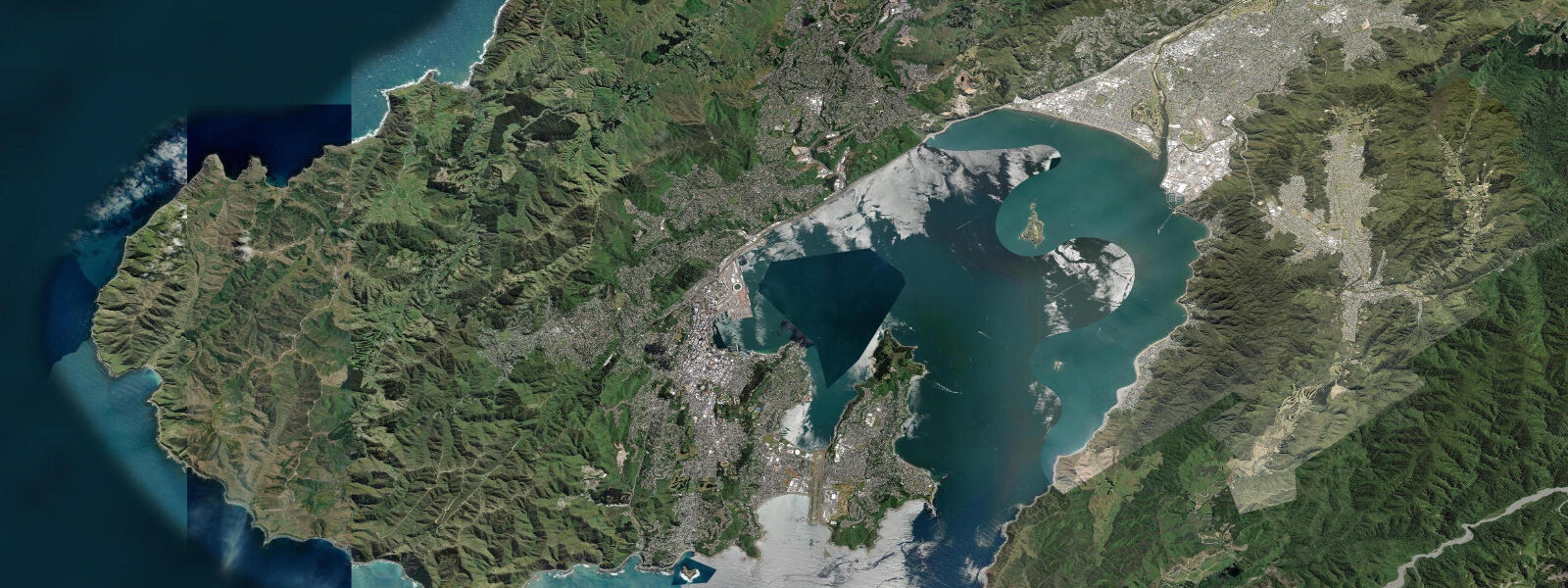
Wellington tide times
Wellington tide forecast — heights relative to MSL.
Tide chart for Wellington
24-hour cosine-interpolated curve around the present moment. Heights relative to MSL. Predictions: Predictions: Open-Meteo Marine (MeteoFrance SMOC, 0.08° grid).
Sun, moon and conditions on Wed 05 Aug
Snapshot at build time — refreshes daily. Sea state from Open-Meteo Marine.
Highs and lows next 7 days
Every predicted high and low for the next week, with the daily tidal coefficient (0–120; higher = bigger swing, > 95 means stronger currents).
Other spots nearby
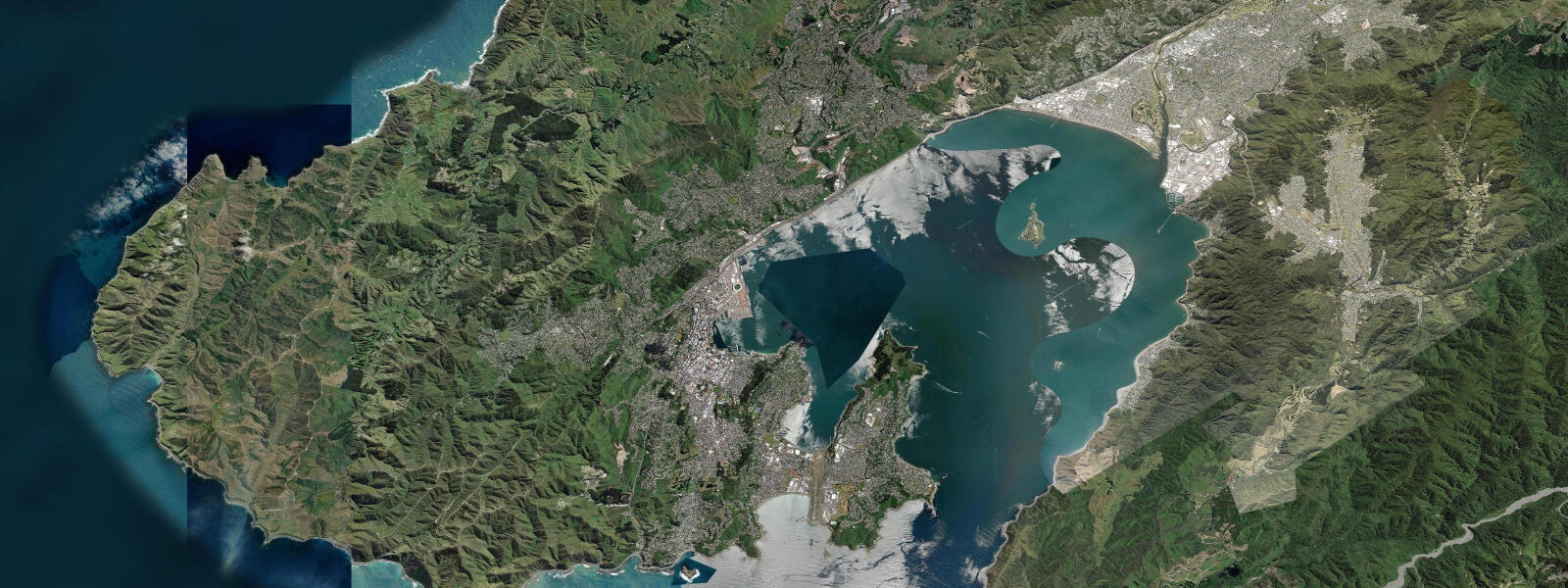
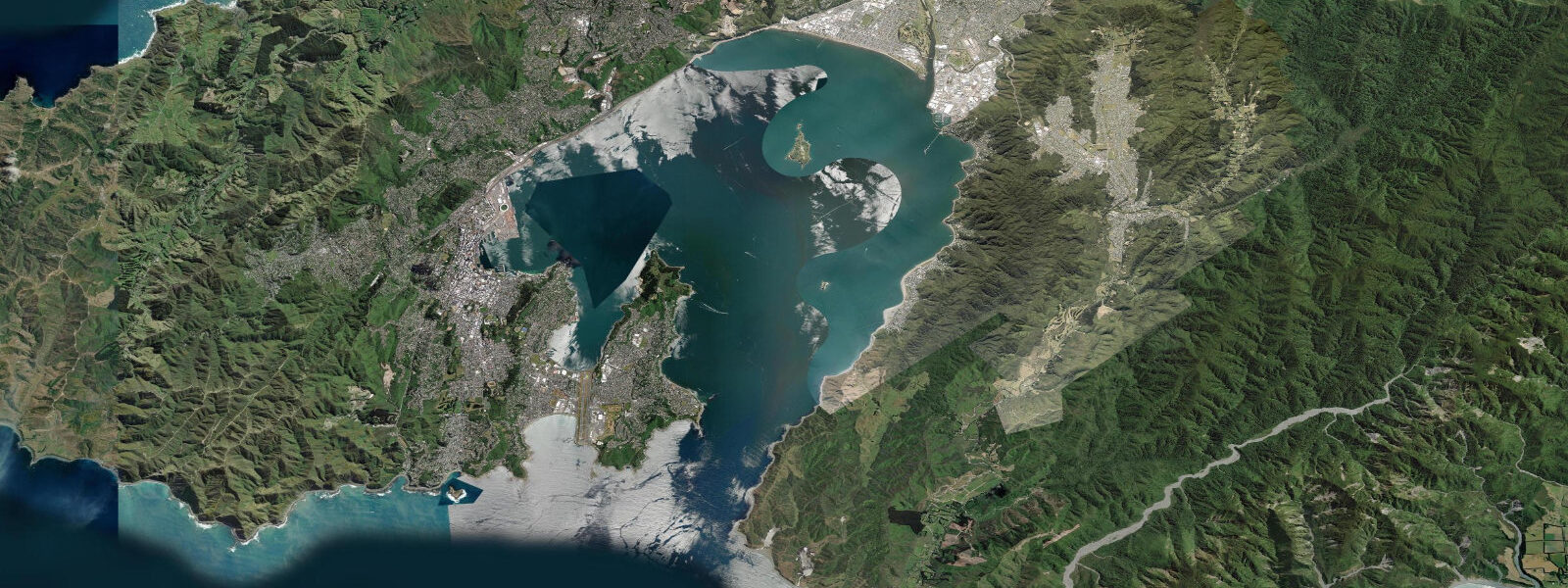
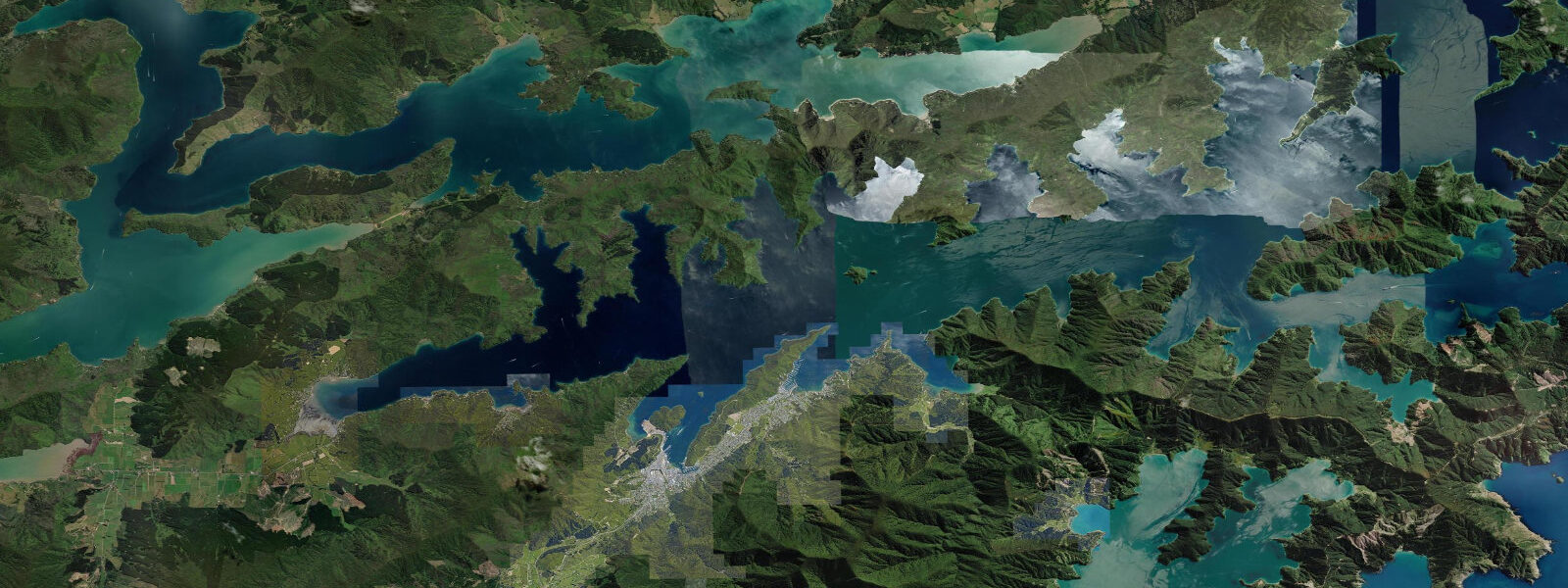
The three closest curated TideTurtle locations to Wellington, measured by great-circle distance.
Today's solunar windows
Solunar tradition: major periods are the ≈3h windows around moon transit and opposition; minor are ≈2h around moonrise and moonset. Pair with the local tide stage and wind for the best read.
Cycle dates near Wellington
Next spring tide on Fri 07 Aug (range 1.0m). Last neap on Mon 03 Aug.
Spring tides cluster around new and full moons (biggest swings). Neap tides land on quarter moons (smallest swings). See the spring tide and neap tide glossary entries for the why.
About tides at Wellington
A short guide to the coastline at Wellington — geography, sea state, and what the tide is actually doing under your feet.
Wellington is on the southern tip of the North Island at the entrance to Cook Strait — the 22-kilometre channel that separates the North and South Islands and is one of the windiest passages in the Southern Hemisphere. The city's relationship with wind is the defining fact of coastal life here. Mean spring tidal range in Wellington Harbour is about 1.2 metres, but wind-driven sea level changes and the Cook Strait tidal exchange significantly influence conditions in the harbour and the strait itself.
Cook Strait tidal current is powerful: up to 4 knots in the narrows between the North and South Islands during peak spring tides. Ferries crossing from Wellington to Picton in the Marlborough Sounds need to account for the tidal current direction and the sea state it generates. The strait's famous chop — 'Cooks Strait conditions' — results from the combination of strong wind, tidal current, and the compression of waves between the islands.
Island Bay, Lyall Bay, and Princess Bay on the south coast of Wellington face directly into Cook Strait and receive the full effect. Lyall Bay has the best surf in Wellington — a beach break that works on southerly swells generated by Southern Ocean storms, which track north through Cook Strait. The surf season runs April through September; summer is largely flat. Kite surfing is extremely popular at Lyall Bay due to the reliable wind — Wellington's southerly buster is a regular 25 to 35 knot event. The airport's runway ends at Lyall Bay's north end; planes landing over the bay create a unique backdrop.
Wellington Harbour is sheltered from the southern Cook Strait exposure but not immune to northerlies, which funnel down through the Hutt Valley and across the harbour. In settled conditions, the harbour is excellent for sailing and paddling from Oriental Bay and the waterfront. The Wellington waterfront from Te Papa museum to Frank Kitts Park is one of the more active urban waterfronts in New Zealand.
For snorkelling, the rocky reefs at Red Rocks (along the south coast, accessible from Owhiro Bay) hold blue cod, spotties, and crayfish in cold, clear water. The area around Sinclair Head has a New Zealand fur seal colony — resident year-round, most visible from the rocky shore. Water temperature is 11 to 15°C year-round; a 5mm wetsuit is standard.
Predictions on this page come from Open-Meteo Marine, a gridded global ocean model. Accuracy is typically within plus or minus 45 minutes on timing and 0.2 to 0.3 metres on height — model-derived, not from a local gauge. For authoritative New Zealand tide data, consult Land Information New Zealand (LINZ) at linz.govt.nz.
Tide questions about Wellington
Quick answers to the most common questions about tide times, range, and water access at Wellington.
What is the tidal range at Wellington?
Wellington Harbour has a mean spring tidal range of about 1.2 metres. Cook Strait tidal current reaches 4 knots in the narrows during spring tides, producing the characteristic chop of 'Cook Strait conditions' when combined with the strong prevailing southerly wind. Wind-driven sea level changes in the harbour can exceed the astronomical tidal range in strong southerly or northerly storm events.
Is there surf in Wellington?
Lyall Bay is Wellington's main surf beach — a beach break facing south into Cook Strait that receives southerly groundswell from Southern Ocean storms. Best from April through September; summer is generally flat. The wind is often strong and onshore (Wellington's southerly buster), but early mornings before the wind fills in can produce clean surf. Mākara Beach (on the west coast, outside Cook Strait) also gets surf but is more exposed and harder to access.
Can I kitesurf at Wellington?
Wellington is one of New Zealand's premier kitesurfing locations due to its reliable strong wind (average wind speed is among the highest for any city in the world). Lyall Bay is the main kite beach. The southerly buster (25 to 35 knots from the south) is the prime kiting wind, typically arriving in the afternoon. Lyall Bay Kiteboarding and several other operators run lessons and equipment hire from the beach. Be aware that the airport approach path runs over the north end of the beach — kitesurfing is restricted in that zone.
Where can I see fur seals near Wellington?
New Zealand fur seals are resident at Sinclair Head and the Red Rocks area on Wellington's south coast. The colony is accessible via a 2.5 km walk along the coast from Owhiro Bay. Seals haul out on the rocks throughout the year; pup season is October through January. Keep 10 metres distance (legally required — seals can be aggressive during pupping season). The drive along the south coast to Owhiro Bay passes through the wind-swept Wellington coastline.
How windy is Wellington really?
Wellington averages around 7.5 days per month with wind gusts exceeding 63 km/h — among the highest for any city in the world. The main wind patterns are the northerly (which accelerates through Cook Strait from the north) and the southerly buster (which arrives suddenly from the south, dropping temperatures 10°C in minutes). Wind forecasting is a daily necessity for anyone planning water activities. MetService (metservice.com) provides detailed Wellington wind forecasts; Cook Strait marine forecasts are also available.
7-day tide table — Wellington
Heights relative to MSL. Predictions: Open-Meteo Marine (MeteoFrance SMOC, 0.08° grid) — heights relative to MSL (not chart datum / LAT). Model-derived.
| Day | Type | Time | Height |
|---|---|---|---|
| Wed 05 Aug | Low | 02:40 | -0.2m |
| High | 08:12 | 0.5m | |
| Low | 14:50 | -0.3m | |
| High | 20:43 | 0.5m | |
| Thu 06 Aug | Low | 03:22 | -0.3m |
| High | 09:12 | 0.4m | |
| Low | 15:42 | -0.3m | |
| High | 21:40 | 0.5m | |
| Fri 07 Aug | Low | 04:07 | -0.3m |
| High | 10:02 | 0.5m | |
| Low | 16:36 | -0.3m | |
| Sat 08 Aug | High | 23:16 | 0.6m |
| Sun 09 Aug | Low | 05:40 | -0.2m |
| High | 11:39 | 0.7m | |
| Low | 18:18 | -0.3m | |
| Mon 10 Aug | High | 00:06 | 0.7m |
| Low | 19:12 | -0.3m | |
| Tue 11 Aug | High | 00:57 | 0.7m |
| Low | 07:18 | -0.3m | |
| High | 11:00 | 0.4m |