Eastbourne, Wellington tide times
Eastbourne, Wellington tide forecast — heights relative to MSL.
Tide chart for Eastbourne, Wellington
24-hour cosine-interpolated curve around the present moment. Heights relative to MSL. Predictions: Predictions: Open-Meteo Marine (MeteoFrance SMOC, 0.08° grid).
Sun, moon and conditions on Wed 05 Aug
Snapshot at build time — refreshes daily. Sea state from Open-Meteo Marine.
Highs and lows next 7 days
Every predicted high and low for the next week, with the daily tidal coefficient (0–120; higher = bigger swing, > 95 means stronger currents).
Other spots nearby
The three closest curated TideTurtle locations to Eastbourne, Wellington, measured by great-circle distance.
Today's solunar windows
Solunar tradition: major periods are the ≈3h windows around moon transit and opposition; minor are ≈2h around moonrise and moonset. Pair with the local tide stage and wind for the best read.
Cycle dates near Eastbourne, Wellington
Next spring tide on Sun 09 Aug (range 1.2m). Last neap on Mon 03 Aug.
Spring tides cluster around new and full moons (biggest swings). Neap tides land on quarter moons (smallest swings). See the spring tide and neap tide glossary entries for the why.
About tides at Eastbourne, Wellington
A short guide to the coastline at Eastbourne, Wellington — geography, sea state, and what the tide is actually doing under your feet.
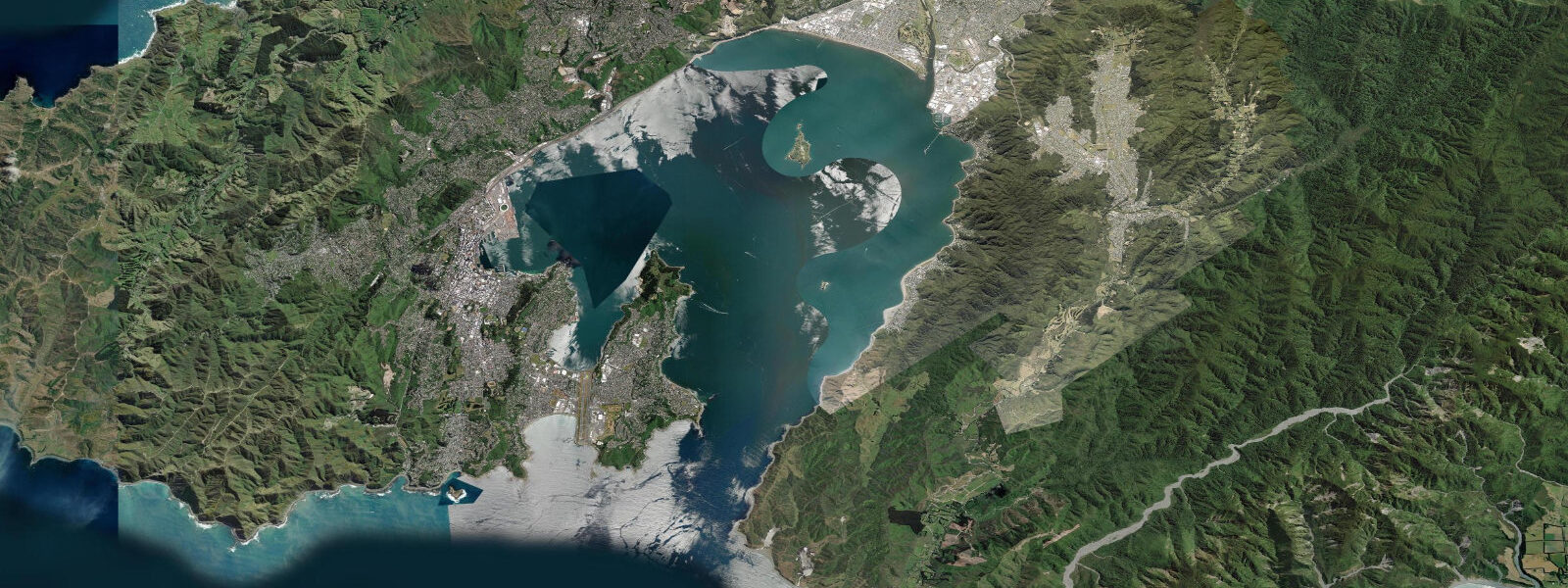
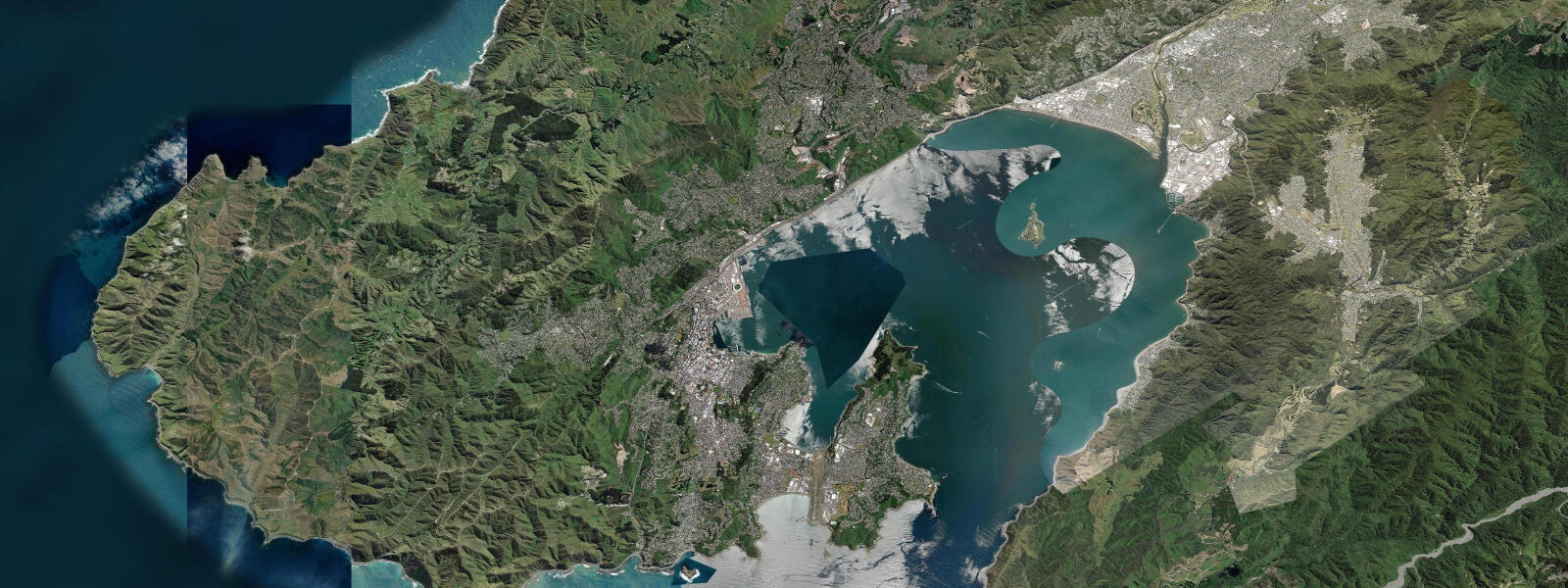
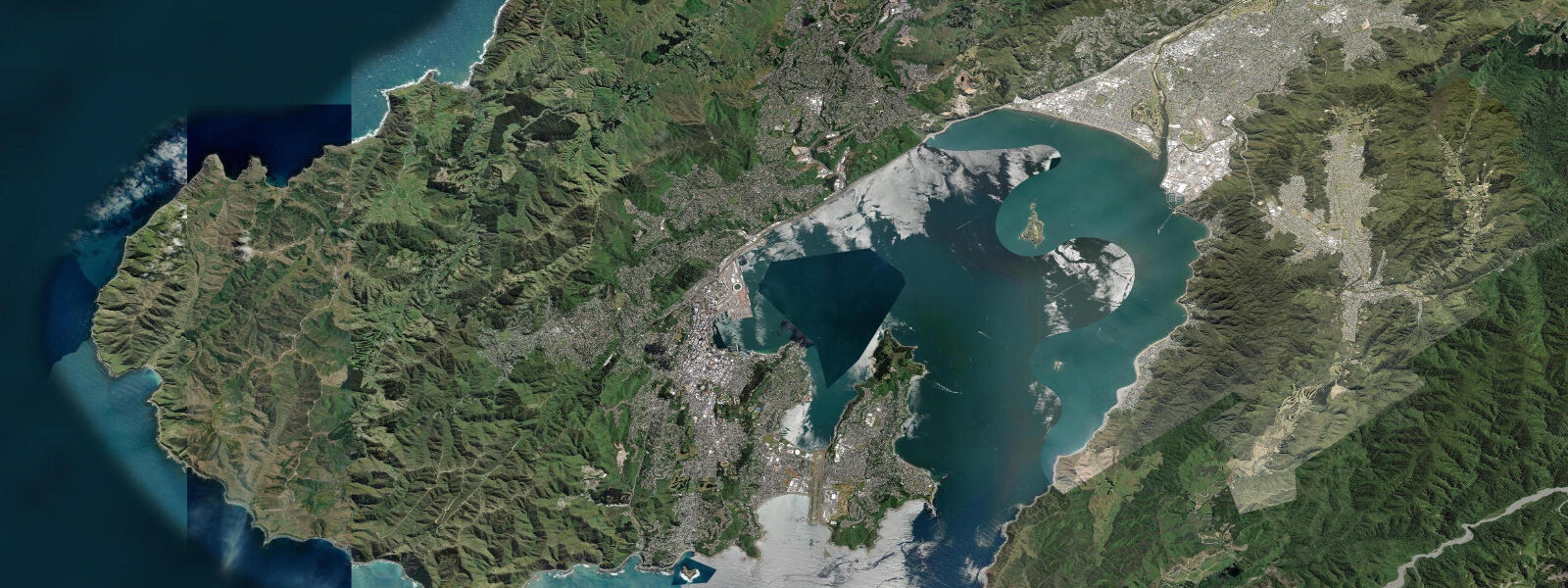
Eastbourne is a beachside suburb on the eastern shore of Wellington Harbour, in the Wellington Region of New Zealand. Wellington Harbour — formally Port Nicholson — is a large, roughly circular harbour connected to Cook Strait through a relatively narrow southern entrance at Pencarrow Head. The tidal regime inside the harbour reflects this geometry: Cook Strait's open-water spring range of 1.5–2.5 m is dampened inside the harbour to 1.0–1.5 m on springs. The attenuation is real enough to matter for planning. A spring low inside the harbour at Days Bay runs around 0.1–0.2 m above chart datum, while a spring high reaches around 1.3–1.4 m — modest by national standards but enough to shift the beach by 20–30 m and reveal or conceal the northern rocky outcrops of Days Bay entirely.
Eastbourne is most practically accessed from Wellington CBD by passenger ferry. The Eastbourne Ferry runs from Queens Wharf in central Wellington to Days Bay wharf in around 20 minutes across the inner harbour. The alternative is the road around the harbour through Hutt City, which takes 50 minutes. The ferry schedule is shaped by commuter demand and runs a reduced timetable on weekends, so checking departure times before relying on a particular crossing is straightforward sense. The ferry ride itself gives an unobstructed view of Wellington's container terminal, the Kaikoura Range in clear conditions to the northwest, and the eastern harbour hills dropping to the water.
Days Bay beach lies adjacent to Eastbourne township and is the main swimming and recreation beach. It is 400 m of gravel-sand — mixed sediment, with coarser material toward the northern end and finer sand in the central section. The beach width varies noticeably with the tide: at low spring water the beach extends 20–30 m beyond its normal high-water margin, and the rocky outcrops at the north end emerge. At high water, particularly on a spring high, the beach narrows to a narrow strip and the water reaches close to the grass and picnic area. Families with young children tend to find the beach most comfortable from the mid-rising tide through the couple of hours following high water, when the shorebreak is gentle and the water has warmed on the flats before the ebb pulls cooler harbour water in.
The Eastern Bays suburb chain runs south and north of Eastbourne along the harbour shore — Point Howard to the north, with its marina, and the township continuing south through Muritai, Mahina Bay, and Sunshine Bay toward the harbour entrance. The Rimutaka Range rises steeply behind the entire eastern shore, forming an abrupt green wall behind the suburb strip. The range receives significant rainfall and its runoff drains through several small streams that reach the harbour between the townships. After heavy rain the stream mouths discolour the harbour water and create minor freshwater plumes that disperse within a tidal cycle.
Seven kilometres south of Eastbourne, at the harbour entrance proper, stands the Pencarrow Head lighthouse. Built in 1859, it was the first lighthouse established in New Zealand. It has been decommissioned as a working navigational light and the current operational lighthouse is an automated structure nearby. The original lighthouse building is in good condition and is accessible by a foreshore track from Eastbourne — cycling or walking, roughly 7 km one way. The track runs along the base of the Rimutaka Range foreshore, passing through tidal rock platform sections and kelp-edged points. At Pencarrow Head the current in the entrance channel runs 1–2 knots on spring tides, and the area is visually dramatic — Wellington city is visible 6 km across the water to the west, and on southerly days the Cook Strait swell sets into the channel entrance in short, steep waves.
Snapper and trevally fishing from the eastern harbour shore is most productive from the rocky points — the section around Mahina Bay and between Points Howard and Eastbourne holds ground where both species move in on the flood. The standard approach is to fish from about 90 minutes before high water until high water, working the rocky edges in 3–6 m of water. At low tide these points are largely dry rock and offer good access for crabbing and shellfish observation.
Tide data for Eastbourne, Wellington comes from the Open-Meteo Marine API, a gridded model product. Timing accuracy is ±45 minutes, height accuracy ±0.3 m — usable for trip planning, not for navigation.
Tide questions about Eastbourne, Wellington
Quick answers to the most common questions about tide times, range, and water access at Eastbourne, Wellington.
What tidal range does Eastbourne experience?
Eastbourne sits inside Wellington Harbour, which dampens the Cook Strait tidal range. In the open strait, spring range runs 1.5–2.5 m. Inside the harbour at Days Bay, that drops to around 1.0–1.5 m on springs, with neap range around 0.5–0.8 m. In practical terms this means beach width at Days Bay changes by 20–30 m between high and low spring water, and the rocky outcrops at the north end of the beach either emerge fully or disappear depending on tidal state. The tidal pattern is semidiurnal — two high waters and two low waters per day, with a minor diurnal inequality in this part of New Zealand.
How do I get to Eastbourne from Wellington?
The fastest option is the Eastbourne Ferry from Queens Wharf in central Wellington to Days Bay wharf — roughly 20 minutes across the inner harbour. The ferry runs a timetable shaped by commuter demand, with reduced sailings on weekends. Check the current schedule before planning around a specific departure. The road alternative runs through Hutt City and around the harbour, taking about 50 minutes in normal traffic. If you're planning a beach day, the ferry is the more practical choice: it drops you directly at Days Bay wharf, a few metres from the beach, and you arrive with Wellington's CBD visible across the water rather than behind you.
What is the Pencarrow Head lighthouse and how do I reach it?
The Pencarrow Head lighthouse, built in 1859, was New Zealand's first lighthouse. It sits 7 km south of Eastbourne at the harbour entrance and is now decommissioned, with an automated light on a separate structure serving navigation. The original building is in good condition and accessible by a foreshore track from Eastbourne — walking or cycling, roughly 7 km each way along the base of the Rimutaka Range foreshore. The track passes several rocky tidal platforms and kelp-edged points. At Pencarrow Head, the entrance channel current runs 1–2 knots on spring tides, and on southerly days short-period Cook Strait swell sets into the channel. Wellington city is visible 6 km across the water from the point.
Is Days Bay beach suitable for families?
Days Bay is well suited to families. The 400 m gravel-sand beach has a gentle gradient in the central and southern sections. The best swimming window is from mid-rising tide through the two hours after high water, when the shorebreak is at its most gentle and surface water temperature is highest after warming on the intertidal flats during the previous ebb. At low spring water the beach extends 20–30 m further than normal and shallow water extends far out, which suits young children. Spring high tides narrow the beach significantly and bring water close to the picnic area — families should check the forecast tide height before setting up at the upper beach margin. Facilities including a cafe, playground, and toilets are close to Days Bay wharf.
Where are the best fishing spots around Eastbourne?
The rocky points between Point Howard and Eastbourne, and around Mahina Bay further south, are the most productive shore-fishing marks on the eastern harbour shore. Snapper and trevally move onto the rocky edges in 3–6 m of water during the flood tide. The productive window runs from about 90 minutes before high water until high water itself. At low tide these points are largely exposed rock, which makes them good for exploring but not for fishing. Evening high tides in summer tend to produce the most consistent snapper activity. At Pencarrow Head, the entrance channel fishes for kahawai on the tidal run — both flood and ebb produce activity here as the current concentrates baitfish at the pinch point.
7-day tide table — Eastbourne, Wellington
Heights relative to MSL. Predictions: Open-Meteo Marine (MeteoFrance SMOC, 0.08° grid) — heights relative to MSL (not chart datum / LAT). Model-derived.
| Day | Type | Time | Height |
|---|---|---|---|
| Wed 05 Aug | Low | 02:19 | -0.3m |
| High | 08:18 | 0.5m | |
| Low | 14:35 | -0.3m | |
| High | 20:43 | 0.5m | |
| Thu 06 Aug | Low | 03:02 | -0.4m |
| High | 09:12 | 0.5m | |
| Low | 15:25 | -0.4m | |
| High | 21:36 | 0.5m | |
| Fri 07 Aug | Low | 03:50 | -0.4m |
| High | 10:02 | 0.6m | |
| Low | 16:19 | -0.4m | |
| Sat 08 Aug | High | 10:55 | 0.7m |
| Low | 17:10 | -0.3m | |
| Sun 09 Aug | High | 11:43 | 0.8m |
| Low | 18:06 | -0.3m | |
| Mon 10 Aug | High | 00:11 | 0.7m |
| Low | 06:25 | -0.3m | |
| High | 12:34 | 0.8m | |
| Low | 19:02 | -0.3m | |
| Tue 11 Aug | High | 01:04 | 0.7m |
| Low | 07:12 | -0.4m | |
| High | 11:00 | 0.4m |