Havelock, Marlborough tide times
Havelock, Marlborough tide forecast — heights relative to MSL.
Tide chart for Havelock, Marlborough
24-hour cosine-interpolated curve around the present moment. Heights relative to MSL. Predictions: Predictions: Open-Meteo Marine (MeteoFrance SMOC, 0.08° grid).
Sun, moon and conditions on Wed 05 Aug
Snapshot at build time — refreshes daily. Sea state from Open-Meteo Marine.
Highs and lows next 7 days
Every predicted high and low for the next week, with the daily tidal coefficient (0–120; higher = bigger swing, > 95 means stronger currents).
Other spots nearby
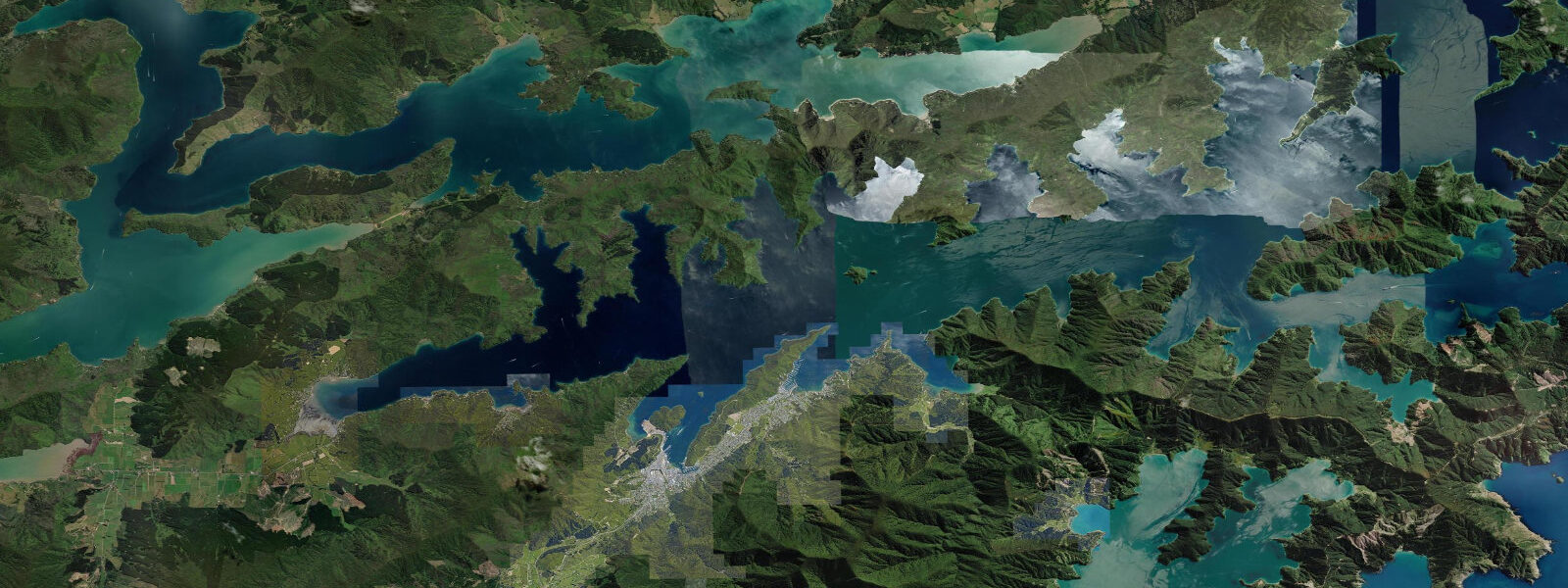
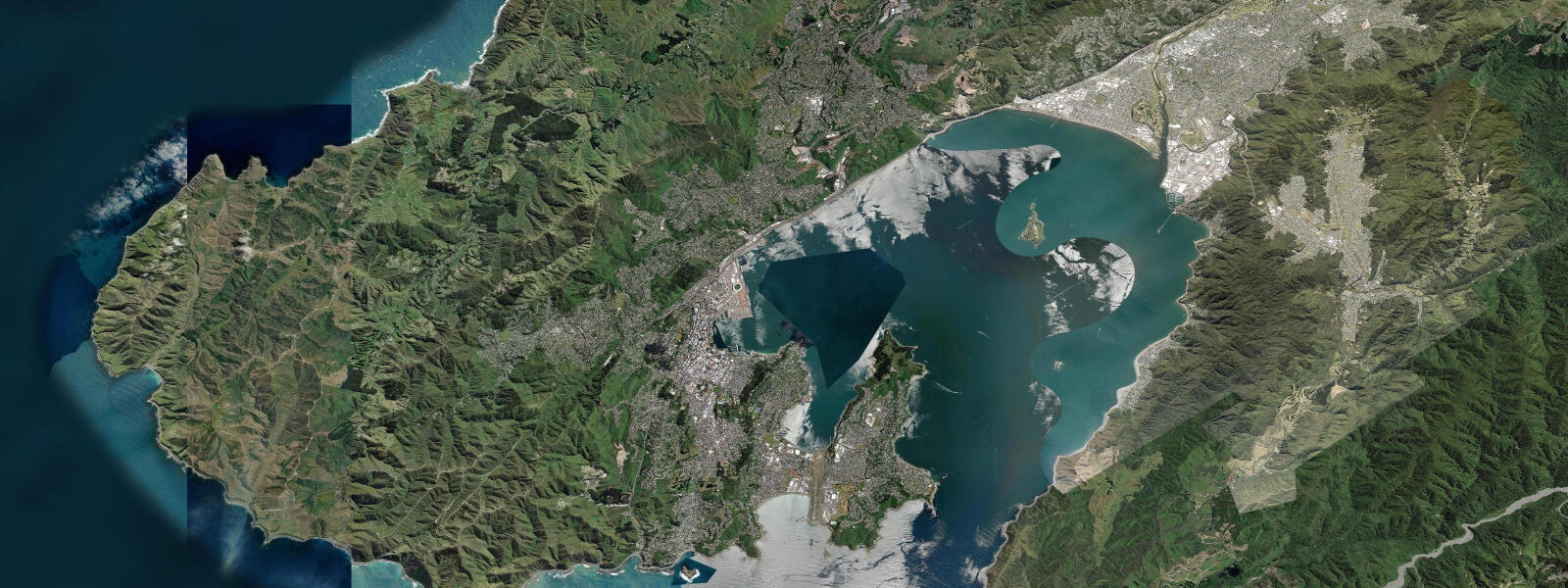
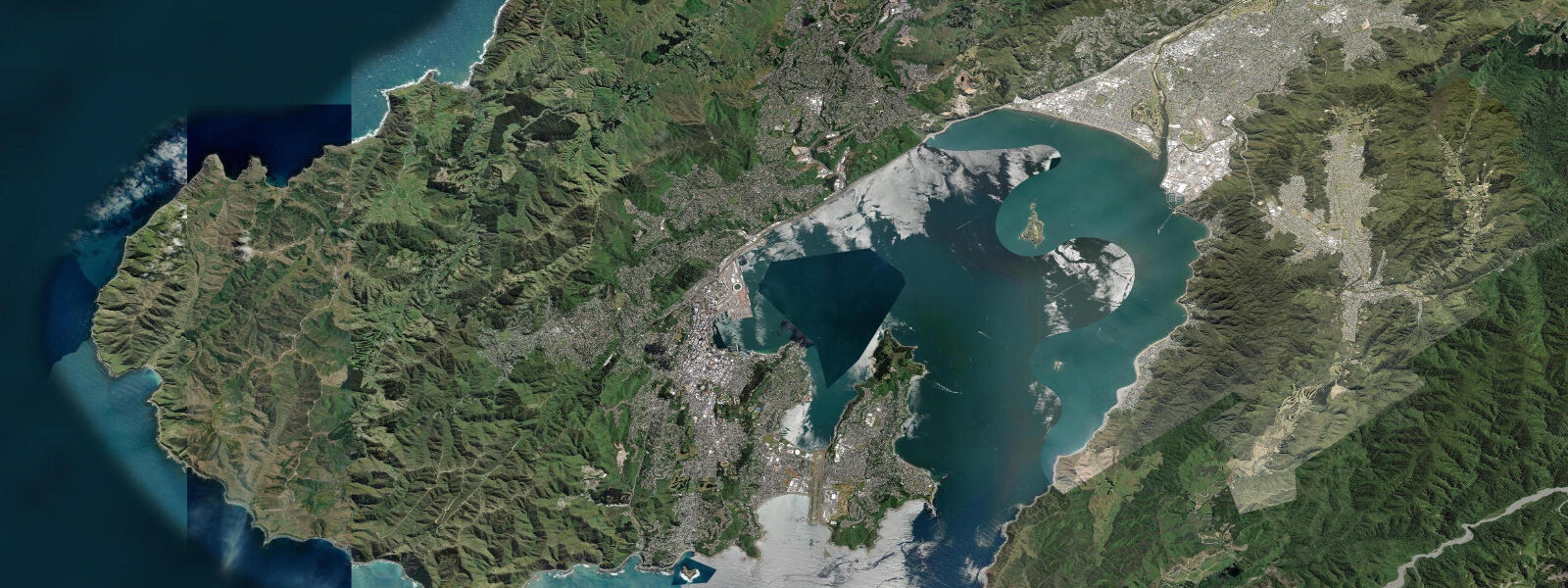
The three closest curated TideTurtle locations to Havelock, Marlborough, measured by great-circle distance.
Today's solunar windows
Solunar tradition: major periods are the ≈3h windows around moon transit and opposition; minor are ≈2h around moonrise and moonset. Pair with the local tide stage and wind for the best read.
About tides at Havelock, Marlborough
A short guide to the coastline at Havelock, Marlborough — geography, sea state, and what the tide is actually doing under your feet.
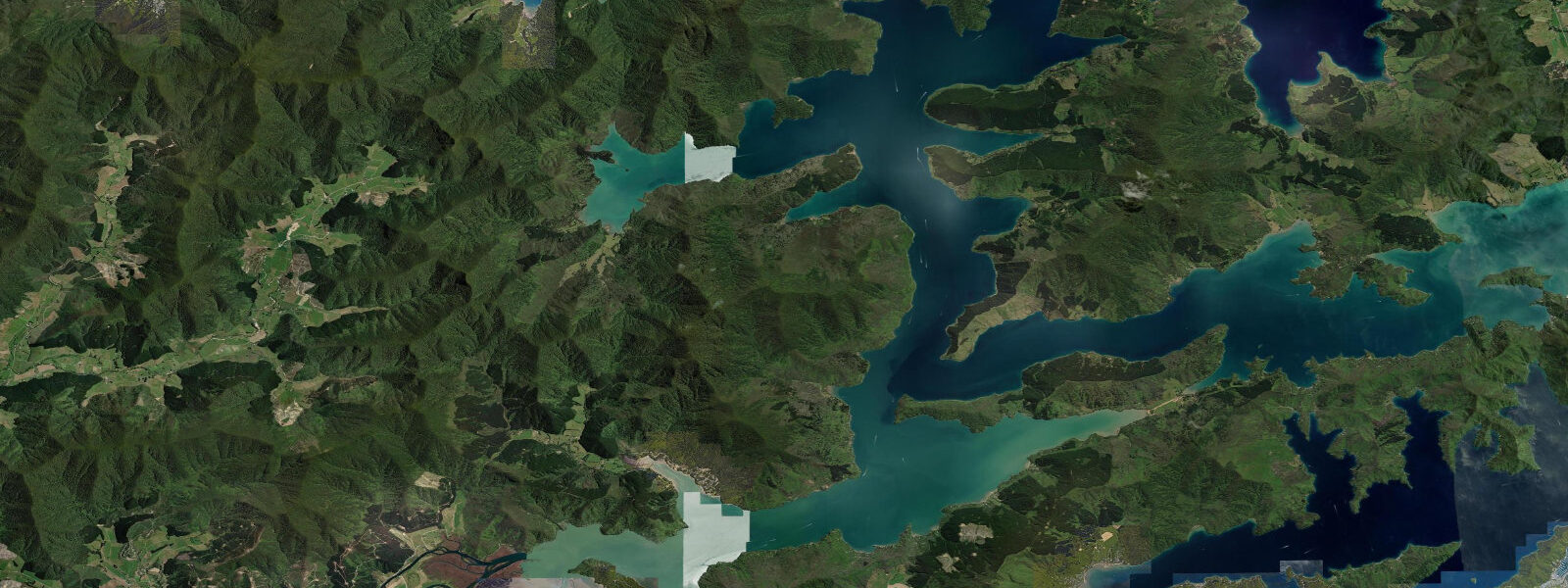
Havelock sits at the head of Pelorus Sound, 35 km west of Picton, in the Marlborough Sounds. It is a town of roughly 500 people built around a single main street, a harbour, and a mussel industry that punches well above the town's weight on the global seafood market. The claim that Havelock is the greenshell mussel capital of the world is not marketing hyperbole — Pelorus Sound produces the majority of New Zealand's green-lipped mussel (Perna canaliculus) export, and the farms that line the sound's margins are the reason.
The tides at Havelock tell a different story from Picton, even though the two towns sit within the same sound system. The spring range at Havelock runs 1.5–2.5 m, similar to the broader Marlborough Sounds average, but the diurnal inequality is more pronounced here. Two high tides in a day are often markedly unequal in height — one may reach 2.1 m above chart datum, the next only 1.6 m. For anyone planning an early-morning boat departure, this matters: the tide at 06:00 may be a foot lower than the tide at the same nominal state on the previous evening. The lag relative to Cook Strait can reach 1–2 hours this far into the sound system, which means Picton tide tables need a correction before they apply here.
The mussel farms in Pelorus Sound are anchored to the tidal regime in a direct way. Perna canaliculus filter-feed by drawing water across their gill surfaces — they eat what the current brings. The farms are positioned where the tidal flow through the sound carries the highest concentrations of phytoplankton and suspended organic matter. Farm managers know the current patterns on each longline row: which side floods, which side ebbs, how strong the flow runs at neaps versus springs. In low-current zones, mussels grow slowly and with lower meat yield. In high-current zones they grow faster but must be spaced to avoid crowding. The farm layout visible from a boat through Pelorus Sound is not random — every line reflects a decision about tidal flow.
The sound itself runs roughly 50 km from Havelock Harbour to the outer reaches near Pelorus Island, where it opens toward Cook Strait and the Tasman Bay to the west. The water is deep, sheltered, and dark green from the tannin run-off of the surrounding bush-covered hills. Boat trips from Havelock penetrate the full length of the sound, passing mussel farm zones, private baches built on the water's edge with no road access, and occasional fur seal haul-outs on the outer rocks.
Pelorus Jack was a Risso's dolphin who escorted ships through the Pelorus Sound and the Pelorus/Admiralty Bay area from 1888 until his last recorded sighting in 1912. He would ride the bow waves of the interisland steamers as they entered the sound from French Pass at the western end — the dolphins' habit of working the turbulent water around the bow of a moving vessel translated, to 19th-century passengers, as a deliberate act of guidance. Pelorus Jack became famous enough that New Zealand passed the Sea Fisheries Amendment Act 1904 specifically to protect him, making him the first individual sea creature protected by statute anywhere in the world. The protection worked — he was not harmed, and simply disappeared in 1912 after 24 years of documented sightings. The species designation, Risso's dolphin (Grampus griseus), was confirmed by measurements taken after his death.
For kayakers, Pelorus Sound is long enough and sheltered enough that multi-day trips are practical. The water surface in calm conditions is flat; in wind it chops quickly because the fetch within the sound, while limited compared to open coast, still builds over 20–30 km reaches. The tidal current inside the sound is gentle enough in most areas that kayakers can ignore it for route planning — but at the sound's outer western end, at French Pass, the tidal current is violent. French Pass is a narrow strait between D'Urville Island and the South Island mainland where the flow between Pelorus Sound and Tasman Bay compresses to 3–5 knots on springs. No kayaker transits French Pass without timing the slack precisely.
Anglers fishing Pelorus Sound target blue cod, snapper, and kingfish (yellowtail kingfish, Seriola lalandi). The sound's structure — deep channel, shallower margins, kelp beds on the rocky points — provides habitat diversity that concentrates fish near any current-affected structure. The mussel farm lines themselves attract fish: the longline anchors and dropper ropes accumulate fouling organisms, which attract small fish, which attract predators. Anglers working near the farm zones time the current to find the aggregations on the downstream side of a longline cluster on the flood, then the upstream side on the ebb.
Nelson is 70 km to the west; Picton 35 km to the east. Havelock occupies the geographic midpoint of the Marlborough Sounds, which makes it the natural base for exploring Pelorus Sound in one direction and Queen Charlotte Sound in the other.
Tide data for Havelock, Marlborough comes from the Open-Meteo Marine API, a gridded model product. Timing accuracy is ±45 minutes, height accuracy ±0.3 m — usable for trip planning, not for navigation.
Tide questions about Havelock, Marlborough
Quick answers to the most common questions about tide times, range, and water access at Havelock, Marlborough.
How do the tides at Havelock differ from Picton, and why does it matter for boat trips in Pelorus Sound?
Havelock's tides lag Cook Strait (and Picton) by up to 1–2 hours because the tidal signal has to travel the full length of the sound before it reaches the town. The spring range at Havelock is similar — 1.5–2.5 m — but the diurnal inequality is more pronounced: the two daily highs can differ by 0.5 m or more. If you are departing Havelock Harbour at low water to launch a tender over a shingle ramp, the actual depth at your planned departure time may be significantly different from what Picton tide tables suggest. Water-taxi operators and mussel farm vessels use Havelock-specific corrections. For casual boat hire, ask the operator what the tide state will be at the harbour at your specific departure time rather than relying on general Cook Strait tide data.
Why are the mussel farms in Pelorus Sound placed where they are, and how do tides support their productivity?
Green-lipped mussels (Perna canaliculus) feed by filtering phytoplankton and suspended organic matter from the water moving past them. The farms in Pelorus Sound are sited in zones where the tidal flow through the sound delivers a steady supply of that food. Farm managers measure current patterns on individual longline rows — the flow speed, direction through the flood and ebb, and the difference between spring and neap performance — and space their dropper lines to ensure each mussel is in moving water without crowding its neighbour. In low-current bays, the same mussel species grows more slowly and with less meat. The visible geometry of the farm zones in the sound reflects decades of empirical calibration to the tidal regime.
Who was Pelorus Jack and is there still dolphin activity in Pelorus Sound?
Pelorus Jack was a Risso's dolphin (Grampus griseus) who spent 24 years — 1888 to 1912 — escorting ships through the Pelorus Sound and Admiralty Bay approaches. He rode bow waves and was seen by thousands of passengers on the interisland steam services. His fame was large enough that New Zealand's parliament passed the Sea Fisheries Amendment Act 1904 to protect him specifically — the first statutory protection of an individual sea creature anywhere in the world. He disappeared in 1912 without explanation. Risso's dolphins still occur in the Marlborough Sounds and Cook Strait, and common dolphins regularly work the outer sound, but no individual has attracted the same documentation as Pelorus Jack.
Is French Pass navigable by kayak, and what tidal conditions are required?
French Pass — the narrow channel between D'Urville Island and the South Island at the western outer end of Pelorus Sound — is navigable by sea kayak, but only at slack water. On springs the tidal current runs 3–5 knots through the pass, with standing waves and boils on the ebb that make it dangerous for any vessel that cannot maintain directional control in turbulent water. The slack window is short — typically 20–30 minutes before the current builds to an uncomfortable level. Paddlers who time their transit correctly can ride the pass in flat water; those who miss the slack face a committing, high-consequence situation. Check the specific slack time for French Pass from a local source before committing to the western route around D'Urville Island.
What fish species do anglers target in Pelorus Sound and when is the best tidal stage to fish?
The main targets in Pelorus Sound are blue cod, snapper, and kingfish. Blue cod hold on rocky structure — the sound's deep margins and kelp-covered points — and are relatively tide-independent in their feeding, though the current-scoured faces of headlands are consistently productive. Snapper move on the tide: they follow baitfish pushed into the shallower bays on the flood and hold on channel edges on the ebb. Kingfish work the surface near current lines and bait schools, making them most catchable on a strong tide when baitfish are being pushed around. The mussel farm infrastructure also concentrates fish — the anchor chains and dropper lines carry fouling that attract small fish, which attract kingfish and snapper in numbers. Anglers fishing near the farms time the flood to work the downstream faces of the longline clusters.
0-day tide table — Havelock, Marlborough
Heights relative to MSL. Predictions: Open-Meteo Marine (MeteoFrance SMOC, 0.08° grid) — heights relative to MSL (not chart datum / LAT). Model-derived.
| Day | Type | Time | Height |
|---|