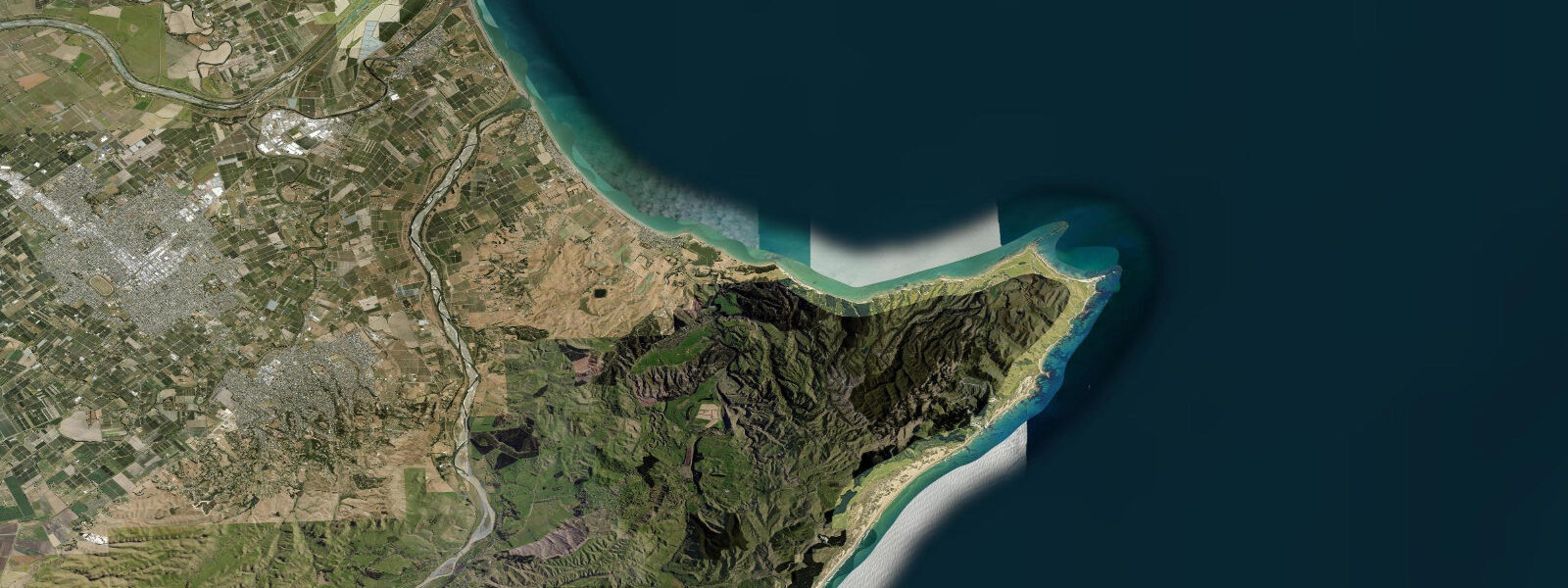
Cape Kidnappers tide times
Cape Kidnappers tide forecast — heights relative to MSL.
Tide chart for Cape Kidnappers
24-hour cosine-interpolated curve around the present moment. Heights relative to MSL. Predictions: Predictions: Open-Meteo Marine (MeteoFrance SMOC, 0.08° grid).
Sun, moon and conditions on Thu 06 Aug
Snapshot at build time — refreshes daily. Sea state from Open-Meteo Marine.
Highs and lows next 7 days
Every predicted high and low for the next week, with the daily tidal coefficient (0–120; higher = bigger swing, > 95 means stronger currents).
Other spots nearby
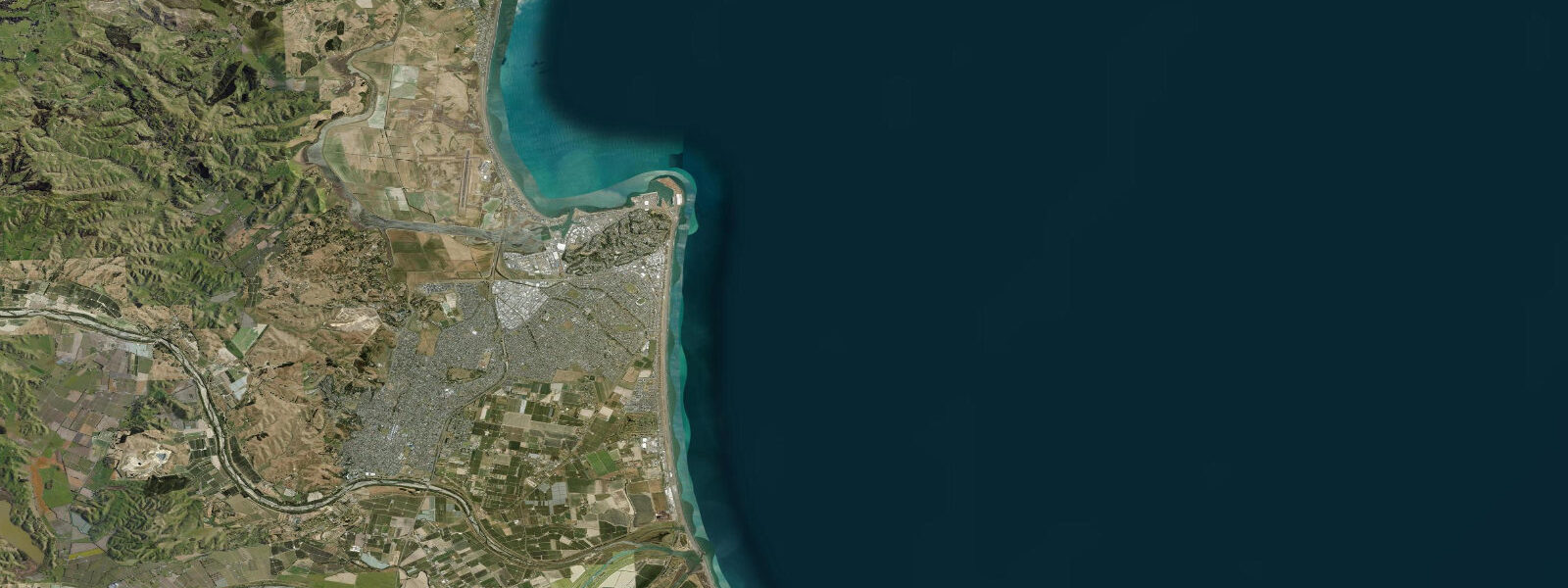
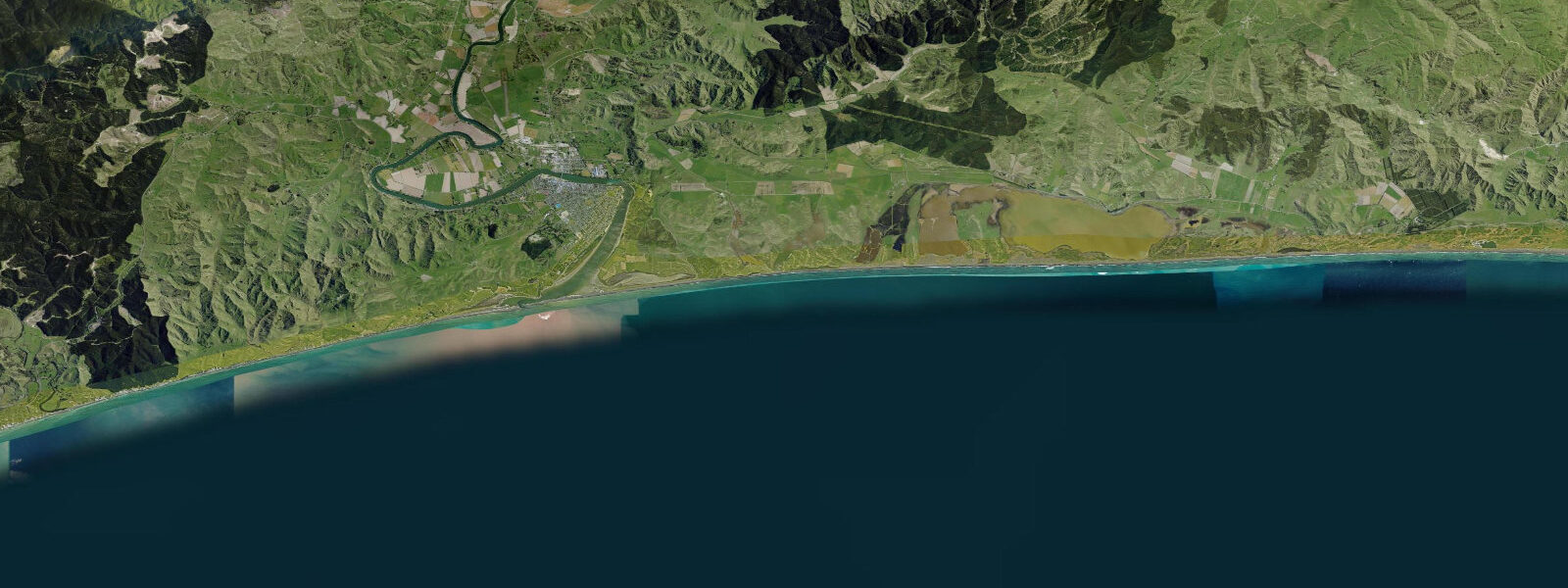
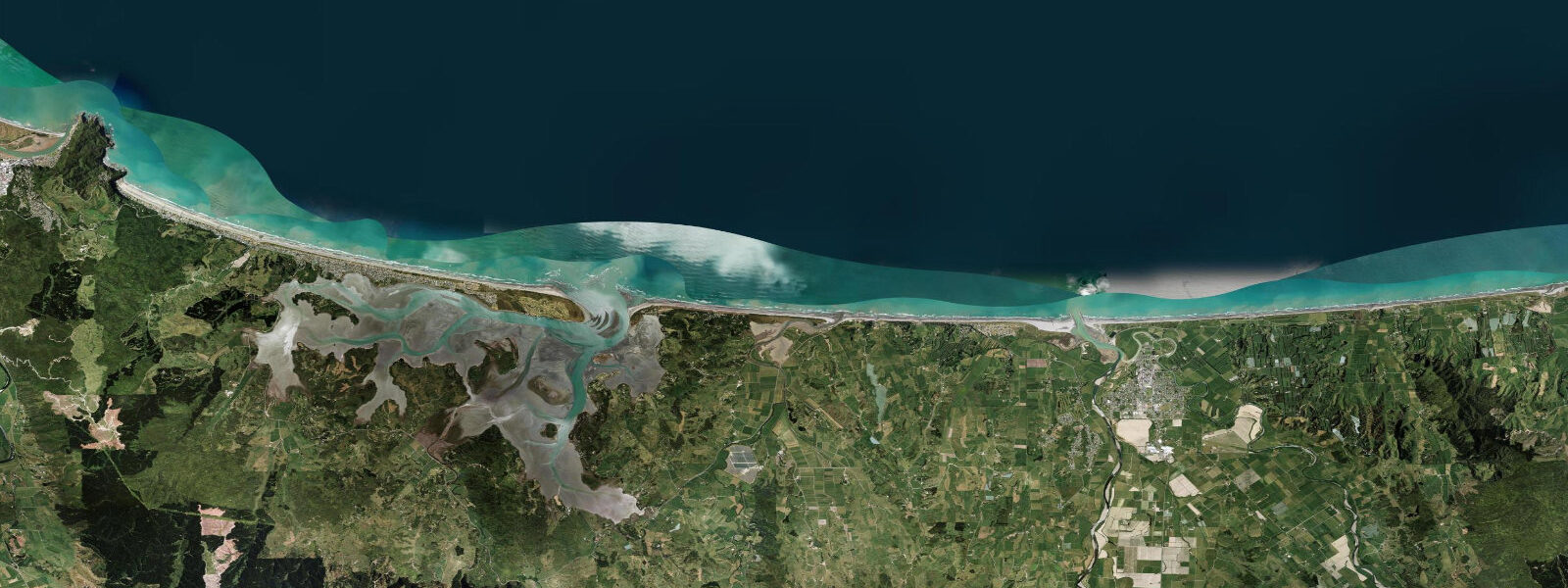
The three closest curated TideTurtle locations to Cape Kidnappers, measured by great-circle distance.
Today's solunar windows
Solunar tradition: major periods are the ≈3h windows around moon transit and opposition; minor are ≈2h around moonrise and moonset. Pair with the local tide stage and wind for the best read.
Cycle dates near Cape Kidnappers
Next spring tide on Wed 05 Aug (range 1.3m). Last neap on Tue 04 Aug.
Spring tides cluster around new and full moons (biggest swings). Neap tides land on quarter moons (smallest swings). See the spring tide and neap tide glossary entries for the why.
About tides at Cape Kidnappers
A short guide to the coastline at Cape Kidnappers — geography, sea state, and what the tide is actually doing under your feet.
Cape Kidnappers is a narrow headland that extends 5 km into Hawke Bay, 22 km southeast of Napier, formed by Miocene marine sediments pushed into a promontory by coastal erosion. The cape's knife-edge ridge ends in dramatic pale clay and mudstone cliffs dropping to rock platforms and the sea. On the flat ground at the cliff tops sits the world's largest accessible mainland gannet colony — approximately 6,500 breeding pairs of Australasian gannets (Morus serrator) across three separate colony groups: Black Reef, Saddle, and Plateau colonies.
The Australasian gannet is a large seabird (wingspan 1.7 m) that breeds only in New Zealand and southeastern Australia. The Cape Kidnappers colony, established here since at least the 1870s, is exceptional for its size and for being on a mainland headland rather than an offshore island — most other large gannet colonies in NZ are on predator-free islands. At Cape Kidnappers, the sheer cliff terrain provides effective protection from ground predators. The colony is active from July (arrival) through March (departure), with peak activity — eggs, chicks, and adult pairs at nest — from October through January.
Access to the gannet colony requires planning around the tides. Two routes exist:
**Beach route (vehicle):** A tractor-trailer tour (run by several commercial operators from Clifton Reserve) travels along the beach beneath the cliffs from Clifton to the colony, a return trip of about 17 km. This route is only possible when the tidal platform and beach at the base of the cliffs is exposed. The beach closes approximately 1.5 hours before high water and reopens 1.5 hours after — a window of roughly 9 hours per tidal cycle on average spring tides. On higher spring tides the window narrows further. Commercial operators monitor the tidal window and schedule departures accordingly; individual vehicle access beyond Clifton Reserve is prohibited.
**Walking route (foot):** The Clifton to Cape Kidnappers walkway (10 km one way, ~3 hours) follows the beach and cliff base on foot. Near the Cape, the track passes through a rock platform section that is completely impassable when covered by the sea. DOC signage at Clifton marks the safe tidal window; the standard advice is to depart no later than 3 hours before high water and be back past the rock platform 3 hours before the following high.
The tidal range at Cape Kidnappers, approximately in line with the Napier gauge, runs ~1.3 m mean range above LAT. The restriction on access is real and cannot be overridden by urgency — walkers and vehicles have been trapped on the wrong side of the platform by misjudging the tide window.
Predictions on this page come from Open-Meteo Marine, a gridded global ocean model accurate to within ±45 minutes on timing and ±0.2–0.3 m on height. For tidal access planning at Cape Kidnappers, this tolerance is insufficient — consult LINZ (linz.govt.nz) for authoritative Napier tide times before visiting.
Tide questions about Cape Kidnappers
Quick answers to the most common questions about tide times, range, and water access at Cape Kidnappers.
Why is the Cape Kidnappers gannet colony the world's largest mainland colony?
The colony sits on the cliff tops at the end of Cape Kidnappers, where the terrain — sheer marine sediment cliffs dropping to the sea on three sides — effectively prevents ground predators (stoats, rats, cats) from reaching the nesting areas. Most large gannet colonies in New Zealand are on offshore islands for the same reason. Cape Kidnappers has been a confirmed gannet colony since at least the 1870s and now holds approximately 6,500 breeding pairs across three separate colony groups. The Plateau colony, at the tip of the headland, is the largest and most photogenic — dozens of nests are visible from as close as 3 metres along the permitted viewing line.
When does the Cape Kidnappers tidal window close?
Both the beach vehicle route and the foot track pass through terrain that is covered by the sea at and around high tide. For vehicle tours from Clifton Reserve, operators schedule around the tidal window and do not depart outside the safe period. For walkers on the Clifton to Cape Kidnappers walkway, DOC signage at Clifton advises departing no later than 3 hours before high water. The rock platform near the Cape that closes first — once covered, the route is impassable. Plan using the authoritative LINZ tide tables for Napier (linz.govt.nz). Do not rely solely on model-predicted times, which carry a ±45 minute uncertainty.
What is the best time of year to visit Cape Kidnappers?
October through January is peak colony activity — eggs are laid from late October, chicks hatch from December, and both parents are present tending the nest. By March, chicks fledge and the colony disperses. The colony is completely empty April through June. July and August see adults returning and displaying, which is interesting for behaviour but lacks the chicks that most visitors want to see. Summer visits (November through February) combine the most active colony with the longest low-tide windows for access.
Can I drive myself to Cape Kidnappers?
Individual vehicles are permitted on the beach as far as Clifton Reserve only — the 17 km beach route to the gannet colony beyond that point is accessible only via the licensed tractor-trailer tours or on foot (Clifton to Cape Kidnappers walkway). The commercial tours include a ranger or guide who monitors the tidal window and checks conditions. Walk-in visitors must self-assess the tidal timing using the LINZ Napier tide table. DOC publishes conditions and closures at the Clifton Reserve notice board; check before walking.
Are the tide predictions on this page safe to use for planning my visit to Cape Kidnappers?
Not as a sole reference. Predictions here come from Open-Meteo Marine, a global ocean model with typical accuracy of ±45 minutes on timing. At Cape Kidnappers, where a timing error of 45 minutes relative to high water directly affects whether the access route is passable, that tolerance is not sufficient for safety planning. Use the LINZ authoritative tide predictions at linz.govt.nz (Napier station) to determine your safe departure window. TideTurtle predictions give a useful planning overview; LINZ gives the precise times you need for tidal-access decisions at the Cape.
7-day tide table — Cape Kidnappers
Heights relative to MSL. Predictions: Open-Meteo Marine (MeteoFrance SMOC, 0.08° grid) — heights relative to MSL (not chart datum / LAT). Model-derived.
| Day | Type | Time | Height |
|---|---|---|---|
| Thu 06 Aug | Low | 03:38 | -0.4m |
| High | 09:46 | 0.8m | |
| Low | 16:00 | -0.4m | |
| High | 22:07 | 0.8m | |
| Fri 07 Aug | Low | 04:26 | -0.5m |
| High | 10:38 | 0.7m | |
| Low | 16:51 | -0.5m | |
| High | 23:02 | 0.7m | |
| Sat 08 Aug | Low | 05:17 | -0.5m |
| High | 23:55 | 0.8m | |
| Sun 09 Aug | Low | 06:10 | -0.5m |
| Mon 10 Aug | High | 00:52 | 0.9m |
| Low | 07:06 | -0.4m | |
| High | 13:22 | 1.0m | |
| Low | 19:47 | -0.4m | |
| Tue 11 Aug | High | 01:48 | 0.9m |
| Low | 08:05 | -0.5m | |
| High | 14:22 | 1.0m | |
| Low | 20:46 | -0.5m | |
| Wed 12 Aug | High | 02:51 | 0.9m |
| Low | 09:03 | -0.5m | |
| High | 11:00 | -0.2m |