Ōpōtiki, Bay of Plenty tide times
Ōpōtiki, Bay of Plenty tide forecast — heights relative to MSL.
Tide chart for Ōpōtiki, Bay of Plenty
24-hour cosine-interpolated curve around the present moment. Heights relative to MSL. Predictions: Predictions: Open-Meteo Marine (MeteoFrance SMOC, 0.08° grid).
Sun, moon and conditions on Wed 05 Aug
Snapshot at build time — refreshes daily. Sea state from Open-Meteo Marine.
Highs and lows next 7 days
Every predicted high and low for the next week, with the daily tidal coefficient (0–120; higher = bigger swing, > 95 means stronger currents).
Other spots nearby
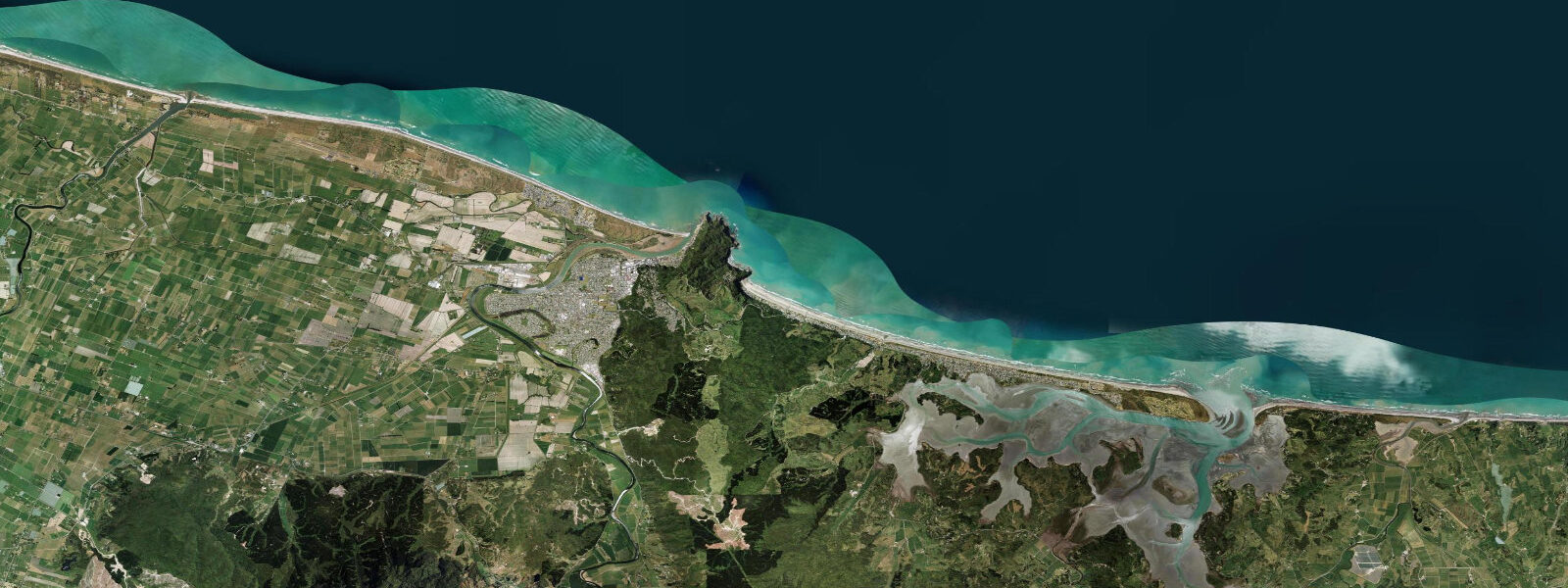
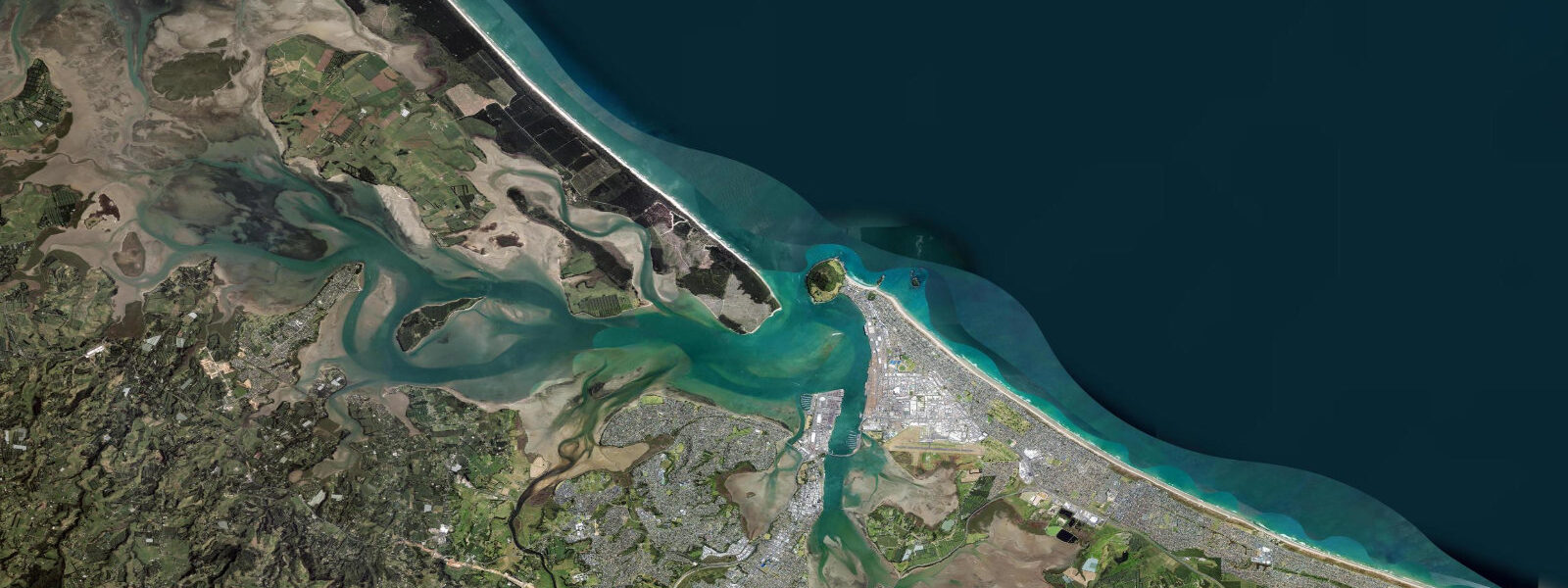
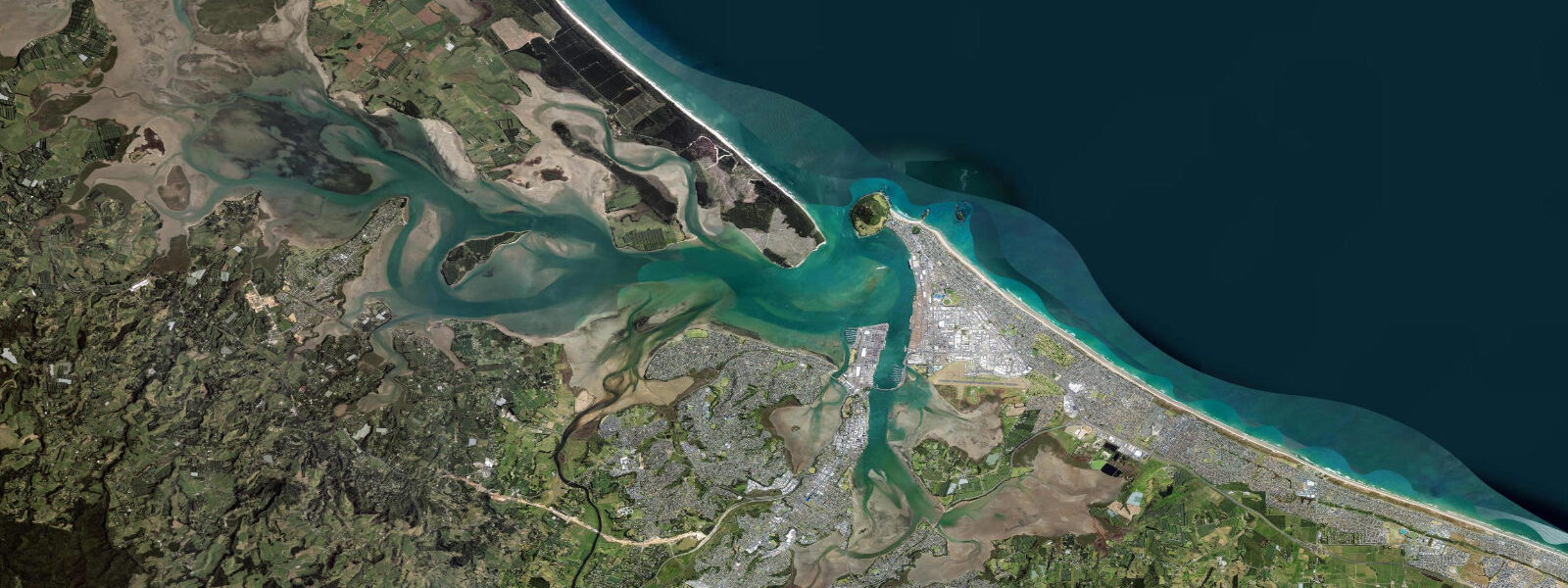
The three closest curated TideTurtle locations to Ōpōtiki, Bay of Plenty, measured by great-circle distance.
Today's solunar windows
Solunar tradition: major periods are the ≈3h windows around moon transit and opposition; minor are ≈2h around moonrise and moonset. Pair with the local tide stage and wind for the best read.
Cycle dates near Ōpōtiki, Bay of Plenty
Next spring tide on Tue 04 Aug (range 1.5m). Last neap on Mon 03 Aug. Next neap on Fri 07 Aug.
Spring tides cluster around new and full moons (biggest swings). Neap tides land on quarter moons (smallest swings). See the spring tide and neap tide glossary entries for the why.
About tides at Ōpōtiki, Bay of Plenty
A short guide to the coastline at Ōpōtiki, Bay of Plenty — geography, sea state, and what the tide is actually doing under your feet.
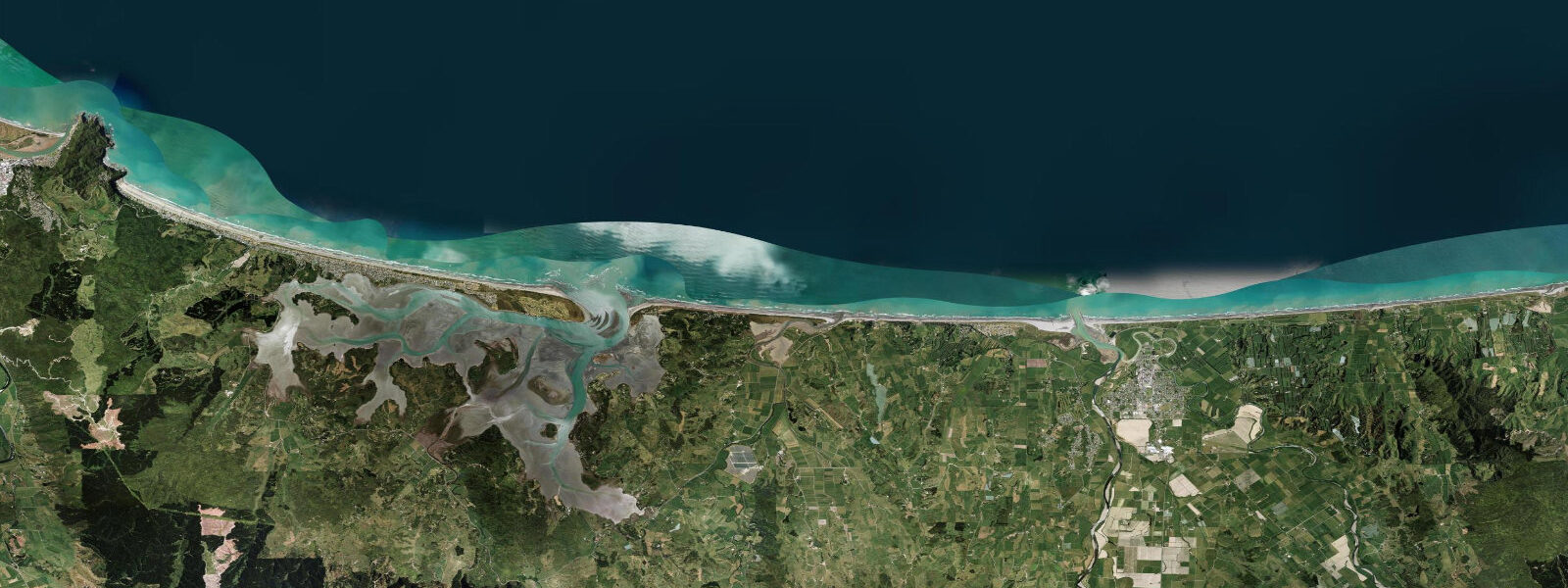
Ōpōtiki lies at the easternmost corner of the Bay of Plenty, where the Waioeka and Otara rivers drain through the coastal plain and reach the Pacific across a bar-constricted harbour entrance. The town is the administrative centre of the Ōpōtiki District and the gateway to the East Cape Road, one of New Zealand's most remote and scenic coastal drives. The Pacific New Zealand semidiurnal tide here runs a mean spring range of 1.5–2.0 m, consistent with the eastern Bay of Plenty's open coast geometry. Two high waters and two lows occur each day, with a moderate diurnal inequality — the second high water of the day is typically 0.1–0.25 m lower than the first.
The Ōpōtiki Harbour entrance is the most tide-critical feature of this location. The Waioeka and Otara rivers combine their freshwater flow and push it through a bar-constricted channel before it meets Pacific swell. The bar shifts with storm events and is maintained by periodic council-managed dredging. The crossing is dangerous at or near low water: depth over the bar drops to less than 1 m on a spring low, which is impassable for all but flat-bottomed tenders. The standard local practice is to cross the bar on the first hour of the rising tide, when water depth is improving and the ebb-driven current has reversed. In swell over 1.5 m from the northeast or east, the bar breaks across its full width regardless of tidal state — attempting a crossing in those conditions is hazardous. Vessels returning from the coast should time their arrival to coincide with the mid-flood, around 2.5–3 hours after low water. Local knowledge and VHF contact with the harbour office are important; the bar can change significantly after heavy rain in the Waioeka Gorge catchment when river flows spike.
The Waioeka Gorge itself reaches 30 km inland through steep native bush and is one of the main arterial routes into the Ōpōtiki hinterland via State Highway 2. The gorge catchment is within the rohe of Whakatōhea, the principal iwi of the eastern Bay of Plenty. The Whakatōhea hold significant mana over the Ōpōtiki coast and harbour, with customary fishing rights and a direct governance interest in the horse mussel beds that lie offshore between Ōpōtiki and the East Cape.
Horse mussels — Atrina zelandica, the native New Zealand horse mussel — form dense reef-like beds in 5–30 m of water along the East Cape coastal zone. These beds are a commercially important shellfish resource. Boats targeting the beds work the grounds on the incoming tide in calm weather, particularly in the window from two hours before high water when the current is manageable and the boat can be held on station without excessive anchor chain or significant swing. The beds closest to Ōpōtiki are around 5–10 km offshore in the eastern bay. Commercial harvesting is regulated, and the beds are monitored for sustainable stock levels.
East of Ōpōtiki, State Highway 35 — the East Cape Road — follows 334 km of coastline around New Zealand's easternmost peninsula to Gisborne. The road is lightly trafficked, and many of the small beaches it passes are accessible only to those driving the full cape loop. Te Kaha, Waihau Bay, Hicks Bay, and Te Araroa are the main settlements along the route. The East Cape Lighthouse, the most eastern lighthouse in mainland New Zealand, sits 182 km from Ōpōtiki by road, on the headland above East Cape. The cape receives the first direct sunlight of any mainland New Zealand point on most mornings. The beach sections of the road are gravel-backed in places, and the tidal zone along much of the cape coastline is a narrow flat of rock platform and coarse sand that empties dramatically on spring lows, exposing rock reefs 30–50 m from the high-water mark.
Fishing the Ōpōtiki coast from the beach targets snapper, gurnard, and kahawai. The incoming tide concentrates snapper feeding activity on the irregular rock platform edges that appear between sandy beach sections. The section of coast immediately east of the harbour entrance, known locally around the Waiotahi Beach area, fishes well from three hours before high water to the top of the tide.
Tide data for Ōpōtiki, Bay of Plenty comes from the Open-Meteo Marine API, a gridded model product. Timing accuracy is ±45 minutes, height accuracy ±0.3 m — usable for trip planning, not for navigation.
Tide questions about Ōpōtiki, Bay of Plenty
Quick answers to the most common questions about tide times, range, and water access at Ōpōtiki, Bay of Plenty.
When is it safe to cross the Ōpōtiki Harbour bar?
The safest crossing window is the first hour of the rising tide, when water depth is improving and the outflowing river current has weakened. At or near low water the bar depth can drop below 1 m on spring tides, which is too shallow for most trailer boats. In any swell over 1.5 m from the northeast or east, the bar breaks across its full width and is dangerous regardless of tide height. Heavy rainfall in the Waioeka Gorge catchment raises river levels quickly and shifts the bar — local knowledge matters here. Always check with the Ōpōtiki harbour office by VHF before crossing if you're unfamiliar with current conditions. If in doubt, wait for the mid-flood when depth is well established and the current is running at its most manageable rate.
What tidal range does Ōpōtiki experience?
Ōpōtiki lies on the open eastern Bay of Plenty coast and runs a Pacific New Zealand semidiurnal tidal pattern — two high waters and two low waters per day. Mean spring range is 1.5–2.0 m. A moderate diurnal inequality means the second high of the day typically runs 0.1–0.25 m lower than the first, which can matter when timing a bar crossing at the top of the tide. Neap range drops to around 0.7–1.0 m. The combination of tidal state and river flow through the Waioeka and Otara rivers significantly affects water depth and current strength at the harbour entrance.
What is the East Cape Road and how does it relate to Ōpōtiki?
The East Cape Road — State Highway 35 — begins at Ōpōtiki and follows 334 km of coastline around the East Cape peninsula to Gisborne. It is one of New Zealand's most remote coastal drives, with minimal traffic and multiple small, largely undiscovered beaches accessible from the road shoulder. Main settlements along the route include Te Kaha, Waihau Bay, Hicks Bay, and Te Araroa. The East Cape Lighthouse, mainland New Zealand's easternmost, sits 182 km from Ōpōtiki by road. The coastal zone along much of the cape is a narrow platform of rock and sand that exposes significantly at spring low tides, making low-water timing relevant for beach access and rock-platform exploring along the route.
Are there good fishing spots near Ōpōtiki?
The coast immediately east of the Ōpōtiki Harbour entrance — around the Waiotahi Beach area — is a productive snapper, gurnard, and kahawai ground when fished from three hours before high water to the top of the tide. The rock platform edges interspersed between sandy beach sections concentrate snapper during the flood. Offshore, horse mussel beds in 5–30 m of water extend east along the coast toward the East Cape and are worked commercially in calm weather on the incoming tide. For recreational boat fishing, timing the departure to clear the bar on the early flood and return on the mid-flood keeps both the crossing and the fishing in the productive tidal windows.
What wildlife can I see along the Ōpōtiki coast?
The coastal zone between Ōpōtiki and the East Cape supports horse mussel reef beds that underpin a broader benthic community — these are significant habitat structures, not just a commercial resource. Shore birds including variable oystercatchers, reef herons, and white-fronted terns work the rock platforms and river mouths. The Ohiwa Harbour, 10 km west of Ōpōtiki, hosts internationally significant populations of bar-tailed godwits from late September through March. Offshore, common dolphins and bottlenose dolphins are regularly seen in the bay. Further along the East Cape Road, the coastline is remote enough that dawn and dusk visits to beach sections sometimes produce sightings of wading birds and shearwaters without any other people present.
7-day tide table — Ōpōtiki, Bay of Plenty
Heights relative to MSL. Predictions: Open-Meteo Marine (MeteoFrance SMOC, 0.08° grid) — heights relative to MSL (not chart datum / LAT). Model-derived.
| Day | Type | Time | Height |
|---|---|---|---|
| Wed 05 Aug | Low | 03:55 | -0.6m |
| High | 10:00 | 0.9m | |
| Low | 16:10 | -0.5m | |
| High | 22:19 | 0.9m | |
| Thu 06 Aug | Low | 04:39 | -0.6m |
| High | 10:50 | 0.8m | |
| Low | 16:55 | -0.5m | |
| High | 23:03 | 0.9m | |
| Fri 07 Aug | Low | 05:26 | -0.6m |
| High | 11:40 | 0.9m | |
| Low | 17:47 | -0.5m | |
| High | 23:53 | 0.9m | |
| Sat 08 Aug | Low | 06:19 | -0.6m |
| High | 12:33 | 0.8m | |
| Low | 18:45 | -0.5m | |
| Sun 09 Aug | High | 00:51 | 0.8m |
| Low | 07:15 | -0.6m | |
| High | 13:33 | 0.9m | |
| Low | 19:46 | -0.4m | |
| Mon 10 Aug | High | 01:51 | 0.9m |
| Low | 08:15 | -0.5m | |
| High | 14:33 | 1.0m | |
| Low | 20:51 | -0.4m | |
| Tue 11 Aug | High | 02:53 | 0.9m |
| Low | 09:16 | -0.6m | |
| High | 11:00 | -0.3m |