Browns Bay, Auckland tide times
Browns Bay, Auckland tide forecast — heights relative to MSL.
Tide chart for Browns Bay, Auckland
24-hour cosine-interpolated curve around the present moment. Heights relative to MSL. Predictions: Predictions: Open-Meteo Marine (MeteoFrance SMOC, 0.08° grid).
Sun, moon and conditions on Wed 05 Aug
Snapshot at build time — refreshes daily. Sea state from Open-Meteo Marine.
Highs and lows next 7 days
Every predicted high and low for the next week, with the daily tidal coefficient (0–120; higher = bigger swing, > 95 means stronger currents).
Other spots nearby
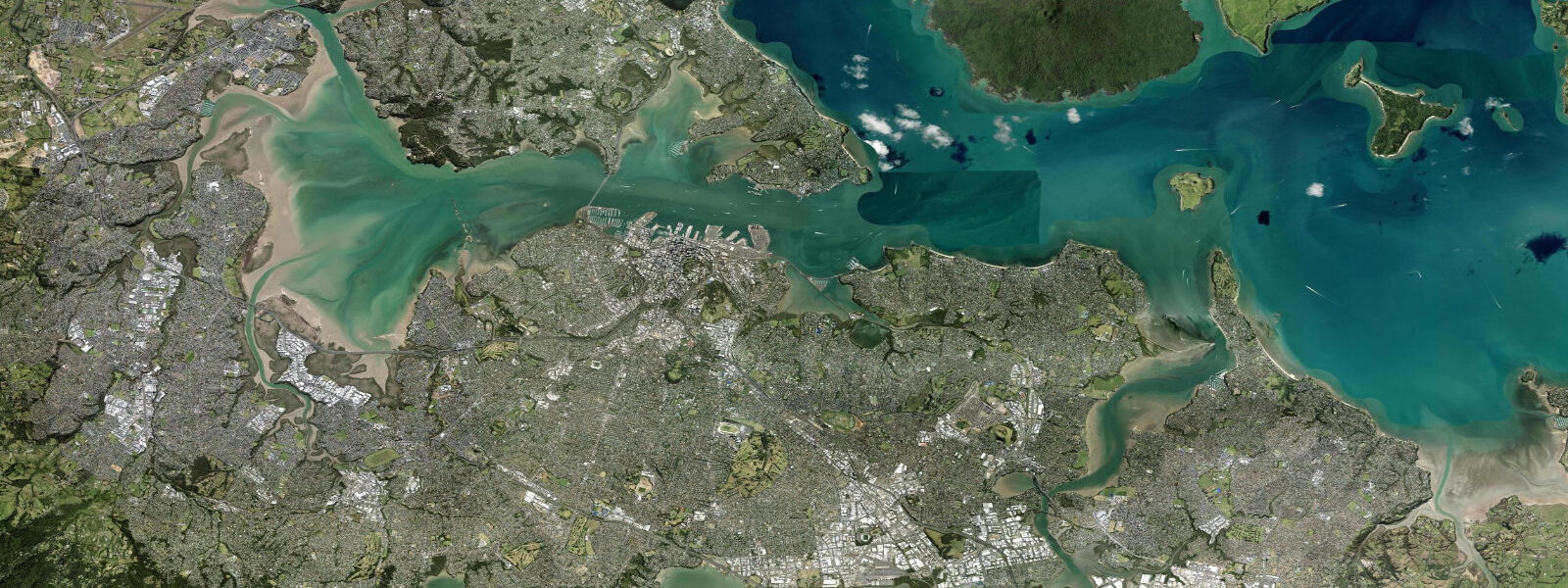
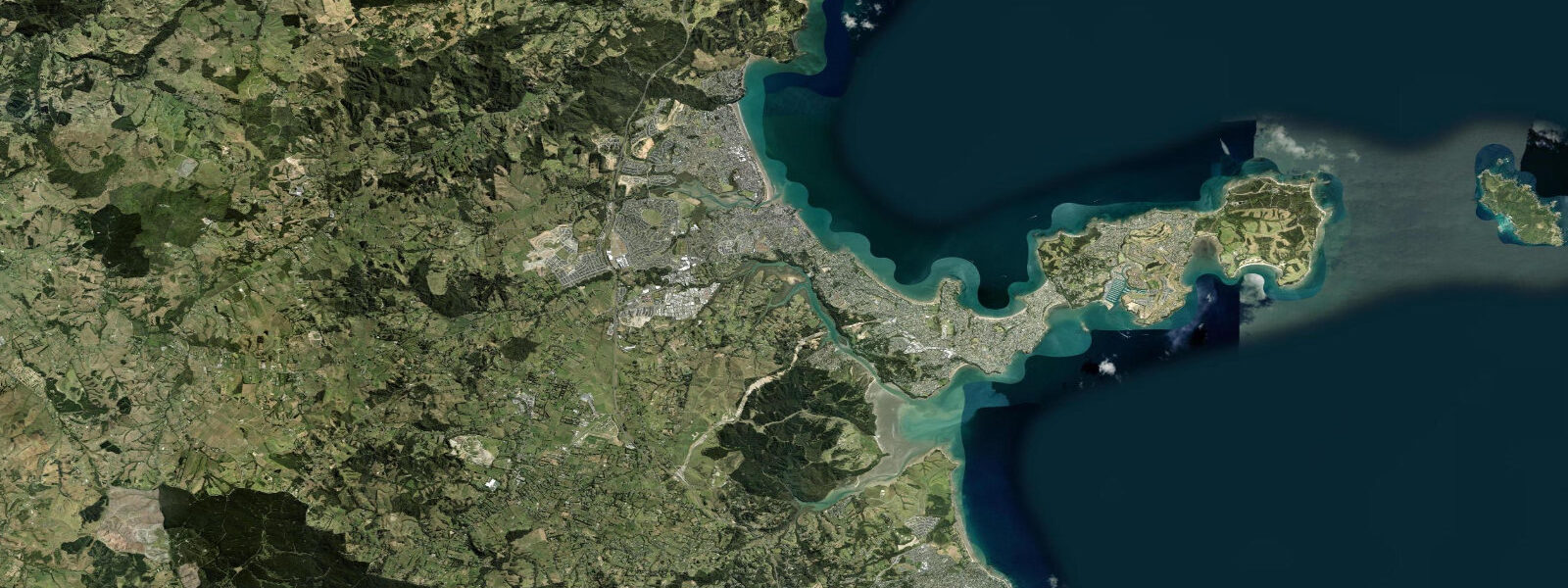
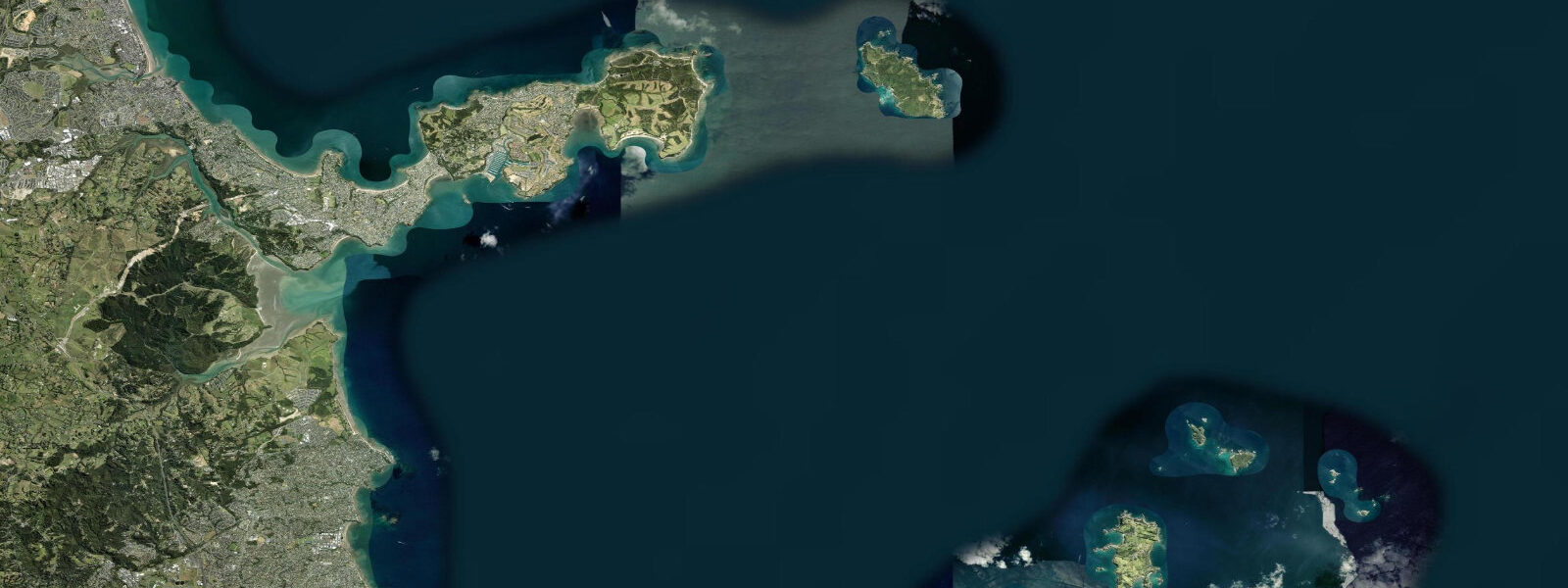
The three closest curated TideTurtle locations to Browns Bay, Auckland, measured by great-circle distance.
Today's solunar windows
Solunar tradition: major periods are the ≈3h windows around moon transit and opposition; minor are ≈2h around moonrise and moonset. Pair with the local tide stage and wind for the best read.
Cycle dates near Browns Bay, Auckland
Next spring tide on Tue 04 Aug (range 2.1m). Next neap on Fri 07 Aug.
Spring tides cluster around new and full moons (biggest swings). Neap tides land on quarter moons (smallest swings). See the spring tide and neap tide glossary entries for the why.
About tides at Browns Bay, Auckland
A short guide to the coastline at Browns Bay, Auckland — geography, sea state, and what the tide is actually doing under your feet.
Browns Bay is a suburban beach on the Hauraki Gulf coast, 18 km north of the Auckland CBD, in the Auckland Region. The Hauraki Gulf is a semi-enclosed body of water between the Auckland mainland and the Coromandel Peninsula, and the tidal regime within it is semidiurnal with diurnal inequality — two highs and two lows per day, with consecutive highs frequently differing by 0.3–0.5 m. Mean spring range at Browns Bay is in the 2.8–3.5 m band, making it one of the higher-range suburban beaches in the Auckland area.
The bay is partially sheltered by a low headland to the north, which cuts the southerly swell that would otherwise run straight down the gulf. The beach itself is 600 m of white sand. At high spring water the beach between the sea wall and the waterline is 40–50 m wide — a normal suburban beach. At low spring water that width extends to 80–120 m, with a hard-packed tidal flat that families use for cricket, volleyball, and general play that the high-tide beach cannot accommodate. The low-spring-water flat is firm enough for toddlers to walk on and shallow enough in the runout zone for very young children. The overall beach character shifts completely between the two tide states.
The small boat ramp at the southern end of the bay is a practical illustration of the tidal range. The ramp was designed with a mid-tide range in mind, and at low spring water the bottom of the ramp sits at the edge of the water with a steep gradient — boats need to be backed in further than most drivers expect, and retrieval requires precise positioning of the tow vehicle. At high spring water the ramp is more forgiving: the gradient is gentler and the launch point is closer to the car park. Launching around mid-tide on an incoming tide is the practical standard for trailered boats at Browns Bay. The Browns Bay Boat Club, which operates from the bay, has accumulated generations of local knowledge about the ramp's behaviour across the tidal range.
The gulf waters north and east of Browns Bay are part of the productive Hauraki Gulf snapper fishery. Snapper is the primary target species for recreational and commercial boats working the gulf. The fish congregate on reef edges and underwater structure, and their feeding behaviour correlates with tidal current — snapper feed most actively when water is moving. The standard departure for snapper fishing from Browns Bay is around 05:00. This timing gets the boat to the reef grounds before the morning tidal turn, typically somewhere between 06:00 and 08:00 depending on the day. The period immediately before and during the slack-to-flood transition on the reef is consistently the highest-activity window. Boats that arrive after the tidal turn often find the bite has already peaked.
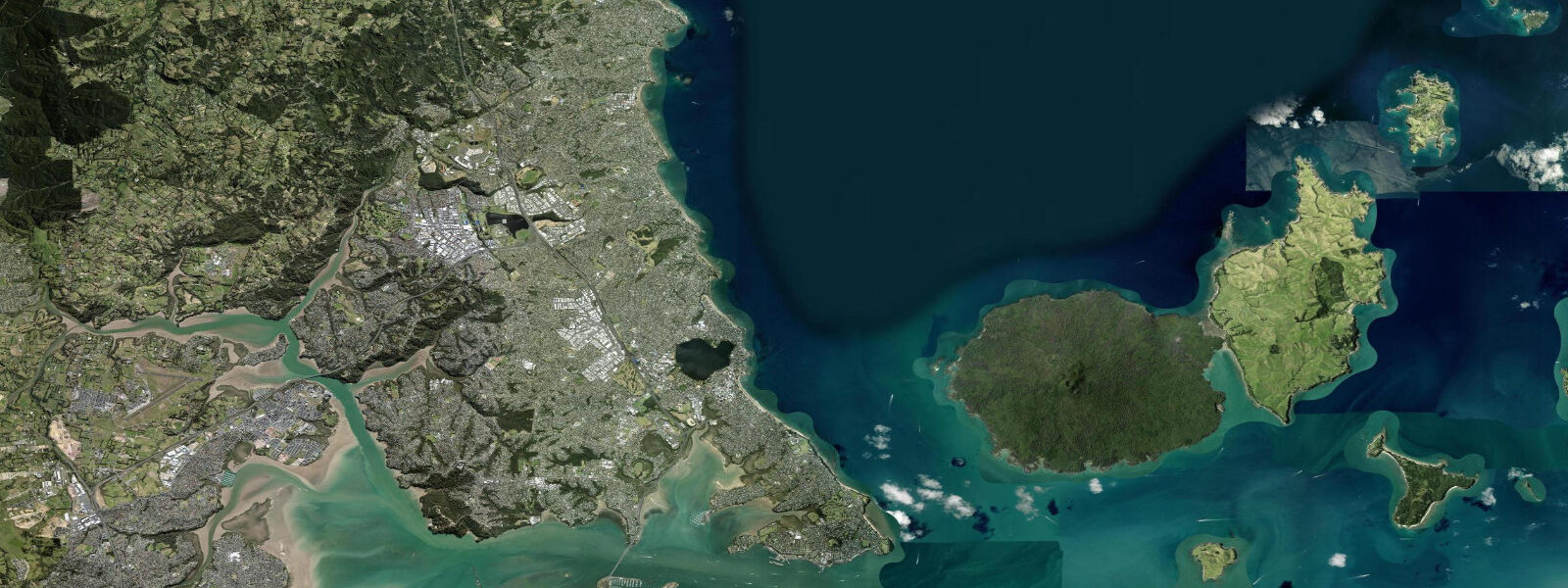
From Browns Bay, the visible gulf islands to the east include Rangitoto Island — the youngest and most recognisable volcano in the Auckland volcanic field, about 15 km to the south-east — and further north, Tiritiri Matangi Island, an open wildlife sanctuary accessible by ferry from Gulf Harbour. The island horizon changes through the day as haze and light shift, but on clear mornings from the beach the volcanic cone of Rangitoto is the defining landmark.
Torbay is 2 km north of Browns Bay — a similar suburban beach with slightly less commercial infrastructure behind it. Long Bay Regional Park is 5 km north — the last significant green space before the Hibiscus Coast begins, with a longer beach and a tidal stream at the northern end of the park that is accessible by foot at low tide. Both are viable extensions of a day based at Browns Bay.
The town centre immediately behind the beach is the most complete of any beach suburb in the northern Auckland corridor: supermarket, pharmacy, cafes, fish and chip shops, and a bakery open from 06:00. This makes Browns Bay a practical base for families who want beach access without driving into the city for supplies. For early-morning fishing departures, the bakery opening at 06:00 means food before the 05:00 departure requires preparation the night before — a small but real planning consideration.
For paddleboard users, the sheltered northern section of Browns Bay in the lee of the headland offers flat-water conditions for most of the tidal cycle. As the tide drops and the flat expands, the water in the northern corner stays shallow and calm — suitable for beginners and young children on boards. The increasing tidal current in the main bay on springs is noticeable for paddlers heading south toward open water.
Tide data for Browns Bay, Auckland comes from the Open-Meteo Marine API, a gridded model product. Timing accuracy is ±45 minutes, height accuracy ±0.3 m — usable for trip planning, not for navigation.
Tide questions about Browns Bay, Auckland
Quick answers to the most common questions about tide times, range, and water access at Browns Bay, Auckland.
How wide is Browns Bay beach at low tide compared to high tide?
The tidal range at Browns Bay is among the larger in the Auckland area — mean spring range is 2.8–3.5 m. The beach is 600 m long and the width changes substantially across the tidal cycle. At high spring water the beach is approximately 40–50 m wide between the sea wall and waterline. At low spring water the exposed sand extends to 80–120 m, creating a flat hard-packed area significantly larger than the high-tide beach. The low-water flat is firm enough for family activities that cannot happen on the narrow high-tide beach — cricket, volleyball, kids running. The widest conditions occur at low spring water, which falls at different times each day as the tidal cycle advances through its 12.4-hour period.
What is the best time to launch a boat from the Browns Bay ramp?
The Browns Bay boat ramp performs best in the mid-tide-to-high range. The ramp gradient at low spring water is steep — the bottom of the ramp reaches the water's edge at an angle that requires precise trailer positioning and careful driving. At high spring water the gradient is more forgiving and the launch point is closer to level ground. The practical recommendation is to launch on an incoming tide, around mid-tide or higher, to combine a manageable ramp gradient with enough water depth at the bottom. For early-morning snapper fishing departures (typically 05:00), check whether the tide is incoming or outgoing and whether the low precedes or follows the departure time — at a 05:00 departure on a low-water morning, the ramp will be at or near its steepest.
When do snapper feed in the Hauraki Gulf and how does the tide drive departure times?
Snapper in the Hauraki Gulf feed most actively when tidal current is moving over reef structure and reef edges, particularly during the slack-to-flood transition — the period just before and just after low water when current direction reverses and begins running flood. Snapper concentrate on the upstream edge of structure in the current, ambushing baitfish. Boats departing Browns Bay for the gulf snapper grounds typically leave around 05:00 to position on the reef before the morning tidal turn, which on most days falls between 06:00 and 08:00. Arriving on the reef 30–45 minutes before the tidal turn and fishing through it and into the building flood gives access to the most active feeding window. Boats arriving after the turn often find the peak bite has ended.
What can you see from Browns Bay looking east across the Hauraki Gulf?
From Browns Bay the most prominent landmark to the south-east is Rangitoto Island, the youngest volcano in the Auckland volcanic field, approximately 15 km away. Its symmetrical cone is visible on clear days and is a consistent orientation point for boats leaving the bay. Further north and east, Tiritiri Matangi Island is visible — it operates as an open wildlife sanctuary and is accessible by ferry from Gulf Harbour to the north. On clear winter mornings the Coromandel Peninsula is visible as a darker ridge on the horizon to the east, across the full width of the gulf. The visible island geometry changes with light and haze through the day; the clearest views are typically in the early morning before sea haze builds.
Is Browns Bay suitable for paddleboarding and at what tidal state?
Browns Bay is suitable for paddleboarding, particularly in the sheltered northern corner of the bay in the lee of the headland. At any tidal state this corner offers relatively flat water compared with the open beach to the south. As the tide drops and the tidal flat extends, the northern corner stays shallow and calm — the depth at low spring water in the sheltered section is 0.3–0.8 m over the flat, which is safe and manageable for beginners and young children on boards. The main consideration is tidal current: on spring tides the current running through the bay is noticeable, particularly for paddlers heading south into open water. The incoming tide runs northward along the coast; paddlers heading back to the north end of the beach on a flood will be working against a light current.
7-day tide table — Browns Bay, Auckland
Heights relative to MSL. Predictions: Open-Meteo Marine (MeteoFrance SMOC, 0.08° grid) — heights relative to MSL (not chart datum / LAT). Model-derived.
| Day | Type | Time | Height |
|---|---|---|---|
| Wed 05 Aug | Low | 04:25 | -0.9m |
| High | 10:22 | 1.1m | |
| Low | 16:38 | -0.9m | |
| High | 22:43 | 1.2m | |
| Thu 06 Aug | Low | 05:10 | -1.0m |
| High | 23:22 | 1.1m | |
| Fri 07 Aug | Low | 05:58 | -0.9m |
| High | 12:03 | 1.1m | |
| Low | 18:18 | -0.7m | |
| Sat 08 Aug | High | 00:19 | 1.1m |
| Low | 06:51 | -0.9m | |
| High | 12:57 | 1.1m | |
| Low | 19:22 | -0.7m | |
| Sun 09 Aug | High | 01:14 | 1.1m |
| Low | 07:52 | -0.8m | |
| High | 13:55 | 1.1m | |
| Low | 20:27 | -0.7m | |
| Mon 10 Aug | High | 02:15 | 1.1m |
| Low | 08:56 | -0.8m | |
| High | 15:02 | 1.2m | |
| Low | 21:32 | -0.7m | |
| Tue 11 Aug | High | 03:24 | 1.1m |
| Low | 10:00 | -0.9m |