Texel tide times
Texel tide forecast — heights relative to MSL.
Today's tide times for Texel
Tide times at Texel on Tuesday, 4 August 2026: first high tide at 02:00, first low tide at 04:05, second high tide at 08:59, second low tide at 11:14, third high tide at 11:54, third low tide at 17:03, fourth high tide at 21:14, fourth low tide at 23:45. Sunrise 06:01, sunset 21:31.
Tide chart for Texel
24-hour cosine-interpolated curve around the present moment. Heights relative to MSL. Predictions: Predictions: Open-Meteo Marine (MeteoFrance SMOC, 0.08° grid).
Sun, moon and conditions on Tue 04 Aug
Snapshot at build time — refreshes daily. Sea state from Open-Meteo Marine.
Highs and lows next 7 days
Every predicted high and low for the next week, with the daily tidal coefficient (0–120; higher = bigger swing, > 95 means stronger currents).
Other spots nearby
The three closest curated TideTurtle locations to Texel, measured by great-circle distance.
Today's solunar windows
Solunar tradition: major periods are the ≈3h windows around moon transit and opposition; minor are ≈2h around moonrise and moonset. Pair with the local tide stage and wind for the best read.
Cycle dates near Texel
Last spring tide on Tue 04 Aug (range 2.0m). Next spring tide on Mon 10 Aug (range 1.6m). Next neap on Sun 09 Aug.
Spring tides cluster around new and full moons (biggest swings). Neap tides land on quarter moons (smallest swings). See the spring tide and neap tide glossary entries for the why.
About tides at Texel
A short guide to the coastline at Texel — geography, sea state, and what the tide is actually doing under your feet.
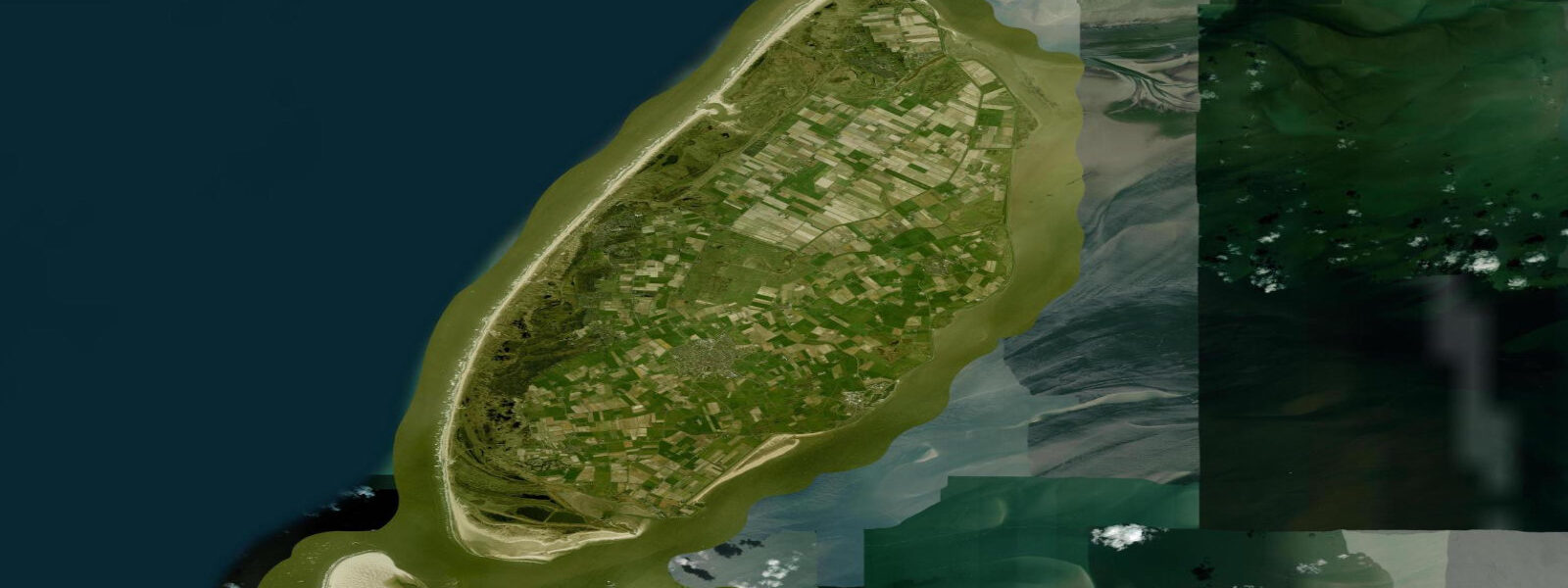
Texel is the largest of the five Dutch Wadden Islands and the easiest to reach — a 20-minute ferry from Den Helder deposits you on an island that manages to contain North Sea beach, tidal mudflat, nature reserve, farmland, and a functioning fishing harbour within 24 km. Spring tidal range on the North Sea-facing west coast reaches 1.8 m. Inside the Waddenzee on the island's east coast, the range is slightly less, around 1.5 m, but the tidal effect on the landscape is more visible: at low water the Wadden flats east of De Cocksdorp dry out for kilometres, exposing the dark grey mud that underpins the island's ecology.
The tide on the North Sea side is energetic but forgiving by Atlantic standards. At high water the wide beach at De Koog — the main resort strip — has 50 m of clean sand between dune and waterline. At low tide the same beach widens to over 200 m, exposing firm rippled sand that is ideal for kite buggies, beach runners, and families who want space without crowds. Water temperature ranges from 8°C in February to 19°C in August; the North Sea is not tropical, but Texel's beach culture is genuine and the season runs April through October.
Kitesurfing is the island's signature sport. Paal 17 — a beach access point in the island's northern stretch — is the established launch site when the wind swings southwest to northwest, which accounts for the majority of summer sailing days. A southwest wind on the ebb produces the cleanest flat-water riding. The Waddenzee side offers lighter-wind flatwater options in southerly conditions when the inside channel is glassy.
Ecomare, the island's seal rehabilitation and natural history centre, houses around 80 seals at any time recovering from strandings. The on-site tidal exhibit explains why the flats matter. Wild seals haul out on the outer sandbanks north of De Cocksdorp, accessible by boat and visible with binoculars from the dike at low water when the banks emerge. Both harbour and grey seals use the outer bars in significant numbers from August through October.
De Slufter is a tidal inlet cut through the western dunes, one of the last functioning tidal valley systems on the Dutch North Sea coast. The channel floods on every flood tide and drains on every ebb; the resulting salt-marsh and mudflat supports breeding avocets, godwits, and oystercatchers as well as thousands of passage waders in August and September. Enter on foot from the north via the dune path — the channel is wide and impassable at high water, crossable in rubber boots at low tide. Time the visit for mid-ebb to see the most birds on the exposed flat.
For birdwatchers, Texel is a serious destination year-round. The Muy freshwater lake in the island interior holds breeding spoonbills and marsh harriers; the Waddenzee shore produces waders on every autumn tide; the dune ridge is a migration watch point in spring and autumn. September and October bring arrivals of Siberian rarities after sustained east winds — the island has a well-staffed observatory at De Cocksdorp. The island's oyster farms in the western Waddenzee channels are harvested September through March; several producers sell direct from the harbour at Oudeschild on weekend mornings. The fishing harbour at Oudeschild also contains the Kaap Skil museum covering the maritime history of the Wadden Sea and is worth a two-hour visit on any tidal stage. Texelaar lamb, grazed on the island's dike tops and saltmarsh edges, appears on restaurant menus from April through July.
Tidal predictions here use the Open-Meteo Marine gridded model (±45 minutes on timing, ±0.3 m on height). Not for navigation.
Tide questions about Texel
Quick answers to the most common questions about tide times, range, and water access at Texel.
What is the tidal range at Texel?
Spring tidal range on the North Sea side of Texel reaches approximately 1.8 m. Inside the Waddenzee on the eastern shore the range is slightly less, around 1.5 m. Neap tides produce a range of roughly 1.2 m on the North Sea side. The difference in range between the two coasts is small, but the Waddenzee's shallow basin means the same range produces dramatically wider exposed flats — several kilometres at low spring water on the east side versus a few hundred metres of beach widening on the North Sea side.
Where is the best kitesurfing on Texel?
Paal 17 on the northern stretch of the North Sea beach is the established kitesurfing launch for Texel. A southwest to northwest wind — the dominant direction — produces the best conditions here, particularly on the ebb when the beach is widest and the water surface is cleanest. The Waddenzee side at De Cocksdorp offers flatwater riding in southerly winds and lighter conditions. The season runs April through October; a wetsuit is advisable until late June and from early September.
When can I see seals at Texel?
Wild harbour and grey seals haul out on the outer sandbanks north of De Cocksdorp year-round, though numbers are highest August through October after the pupping season. The banks are only exposed at low water; from the dike at De Cocksdorp's north end you need binoculars and a low-tide window to see them reliably. Ecomare seal centre near De Koog keeps around 80 recovering seals at all times and is open daily regardless of tidal stage — a guaranteed sighting but managed not wild.
What is De Slufter and when should I visit?
De Slufter is a tidal inlet valley cut through the western dune ridge, one of the few functioning natural tidal systems left on the Dutch North Sea coast. The channel floods on every flood tide and empties on every ebb, sustaining a salt marsh and mudflat that supports breeding avocets, black-tailed godwits, and oystercatchers plus thousands of passage waders August through October. Visit at mid-ebb for the widest exposed flats and the most visible bird activity. Enter from the north on foot via the dune path; rubber boots are useful at low tide.
Is Texel good for families?
Yes. The North Sea beach at De Koog is wide, clean, and safe for children at all tidal stages. At low water it extends over 200 m across firm sand — good for ball games, kite flying, and the beach buggy rentals available at the resort. Water temperature reaches 19°C in August. Ecomare combines a seal hospital, aquarium, and nature exhibits in a single site and works well for a half-day. The cycling network covers the island thoroughly and is flat throughout. The island's one-hour ferry from Den Helder is manageable for all ages.
7-day tide table — Texel
Heights relative to MSL. Predictions: Open-Meteo Marine (MeteoFrance SMOC, 0.08° grid) — heights relative to MSL (not chart datum / LAT). Model-derived.
| Day | Type | Time | Height |
|---|---|---|---|
| Tue 04 Aug | High | 02:00 | -0.8m |
| Low | 04:05 | -1.2m | |
| High | 08:59 | 0.8m | |
| Low | 11:14 | 0.3m | |
| High | 11:54 | 0.4m | |
| Low | 17:03 | -1.0m | |
| High | 21:14 | 0.6m | |
| Low | 23:45 | 0.0m | |
| Wed 05 Aug | High | 00:34 | 0.1m |
| Low | 04:23 | -1.1m | |
| High | 09:45 | 0.9m | |
| Low | 12:10 | 0.4m | |
| High | 12:46 | 0.5m | |
| Low | 17:18 | -0.9m | |
| High | 22:03 | 0.7m | |
| Thu 06 Aug | Low | 00:26 | -0.0m |
| High | 00:47 | 0.1m | |
| Low | 05:03 | -1.0m | |
| High | 10:31 | 0.8m | |
| Low | 13:11 | 0.3m | |
| High | 13:39 | 0.4m | |
| Low | 17:45 | -0.8m | |
| High | 22:56 | 0.5m | |
| Fri 07 Aug | Low | 01:20 | -0.1m |
| High | 01:47 | 0.0m | |
| Low | 05:56 | -1.1m | |
| High | 11:24 | 0.5m | |
| Low | 14:15 | 0.0m | |
| High | 14:31 | 0.1m | |
| Low | 18:20 | -1.0m | |
| High | 23:58 | 0.3m | |
| Sat 08 Aug | Low | 02:06 | -0.1m |
| High | 02:51 | 0.0m | |
| Low | 06:42 | -0.9m | |
| Low | 08:43 | -0.9m | |
| High | 12:26 | 0.4m | |
| Low | 19:20 | -0.7m | |
| Low | 21:40 | -0.8m | |
| Sun 09 Aug | High | 00:59 | 0.4m |
| Low | 02:55 | 0.1m | |
| High | 03:46 | 0.2m | |
| Low | 10:04 | -0.9m | |
| High | 13:26 | 0.4m | |
| High | 16:25 | 0.3m | |
| Low | 22:45 | -0.8m | |
| Mon 10 Aug | High | 02:07 | 0.5m |
| High | 04:43 | 0.4m | |
| Low | 11:15 | -1.1m | |
| High | 14:28 | 0.2m | |
| High | 17:13 | 0.2m | |
| Low | 23:44 | -1.1m |