Den Helder tide times
Den Helder tide forecast — heights relative to MSL.
Today's tide times for Den Helder
Tide times at Den Helder on Tuesday, 4 August 2026: first high tide at 02:00, first low tide at 03:58, second high tide at 08:51, second low tide at 11:15, third high tide at 11:52, third low tide at 16:42, fourth high tide at 21:05. Sunrise 06:02, sunset 21:31.
Tide chart for Den Helder
24-hour cosine-interpolated curve around the present moment. Heights relative to MSL. Predictions: Predictions: Open-Meteo Marine (MeteoFrance SMOC, 0.08° grid).
Sun, moon and conditions on Tue 04 Aug
Snapshot at build time — refreshes daily. Sea state from Open-Meteo Marine.
Highs and lows next 7 days
Every predicted high and low for the next week, with the daily tidal coefficient (0–120; higher = bigger swing, > 95 means stronger currents).
Other spots nearby
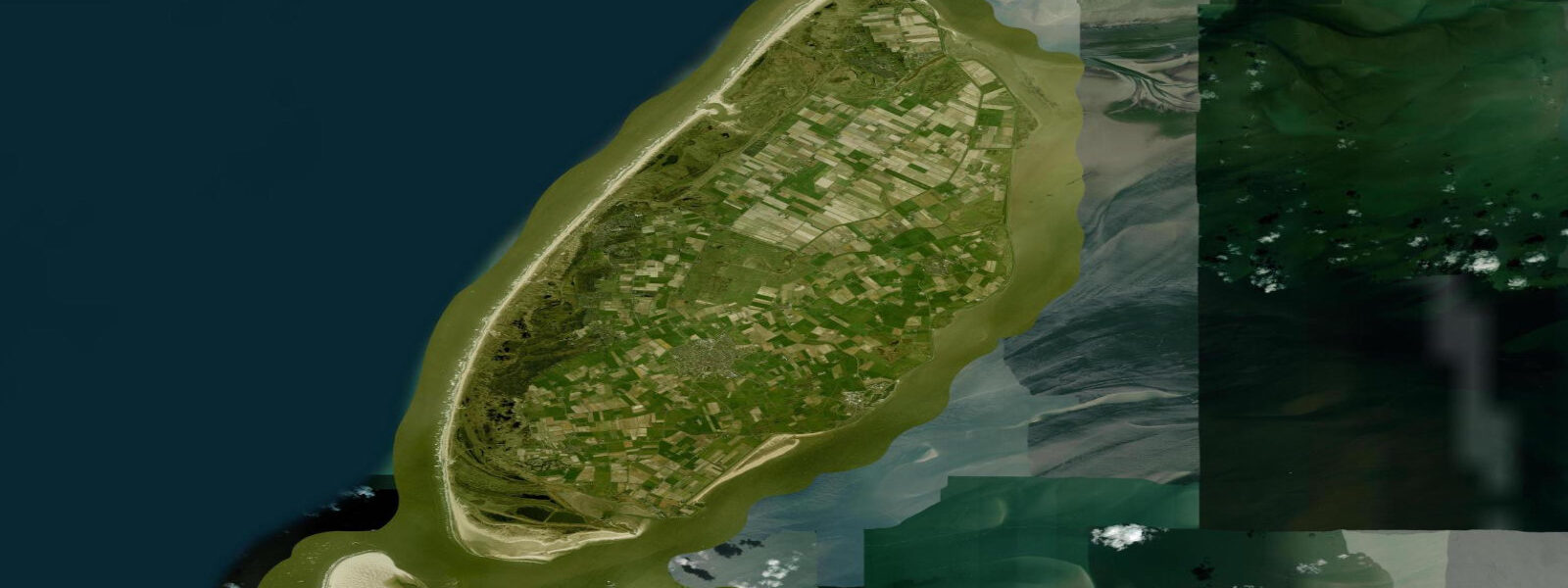
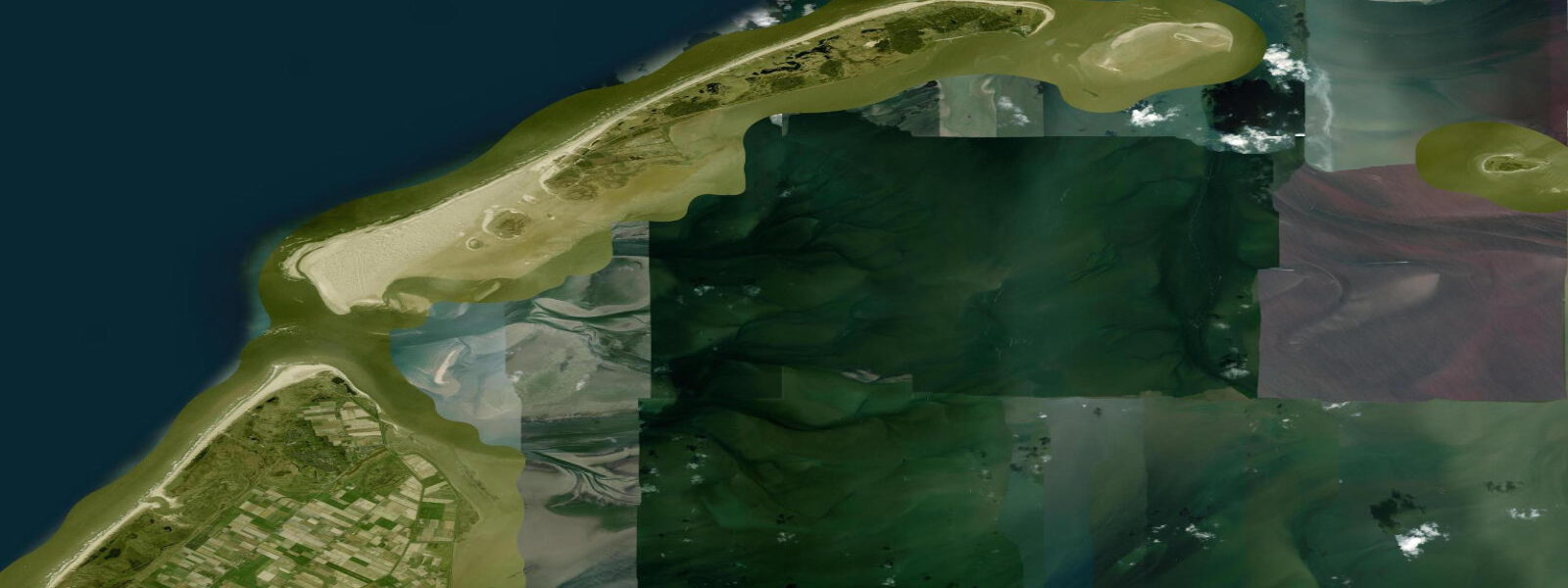
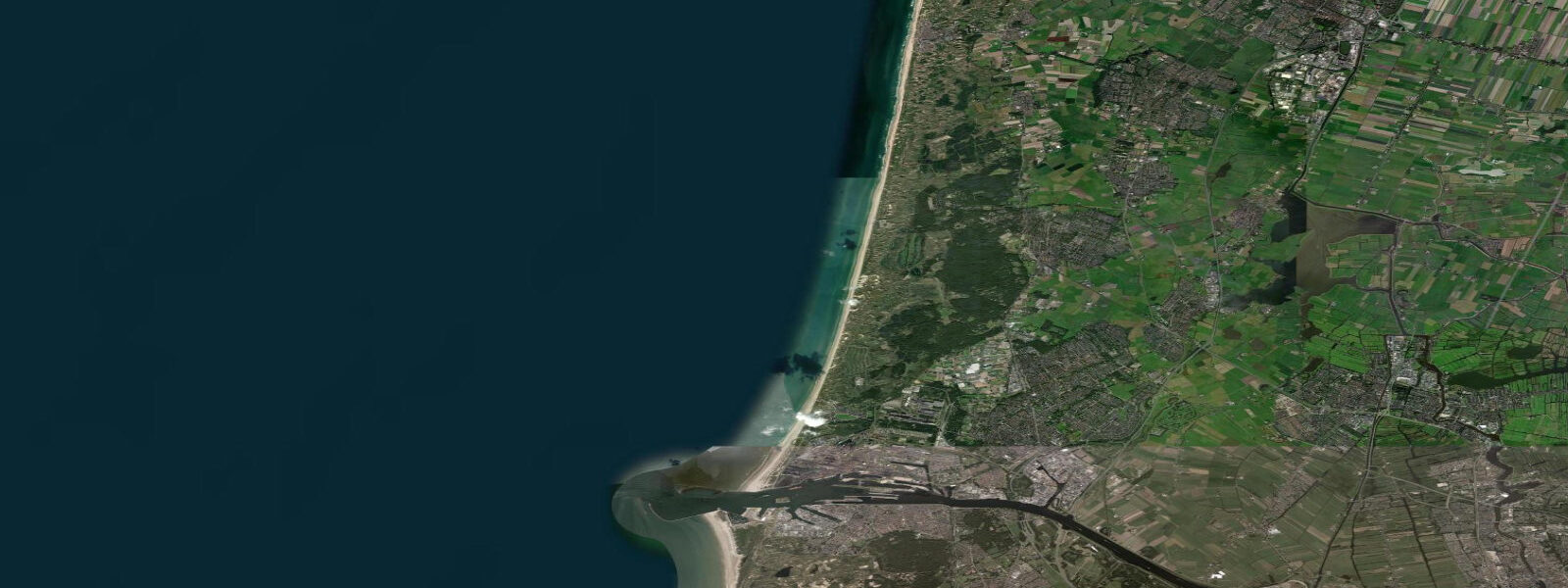
The three closest curated TideTurtle locations to Den Helder, measured by great-circle distance.
Today's solunar windows
Solunar tradition: major periods are the ≈3h windows around moon transit and opposition; minor are ≈2h around moonrise and moonset. Pair with the local tide stage and wind for the best read.
Cycle dates near Den Helder
Last spring tide on Tue 04 Aug (range 2.0m). Next neap on Mon 10 Aug.
Spring tides cluster around new and full moons (biggest swings). Neap tides land on quarter moons (smallest swings). See the spring tide and neap tide glossary entries for the why.
About tides at Den Helder
A short guide to the coastline at Den Helder — geography, sea state, and what the tide is actually doing under your feet.
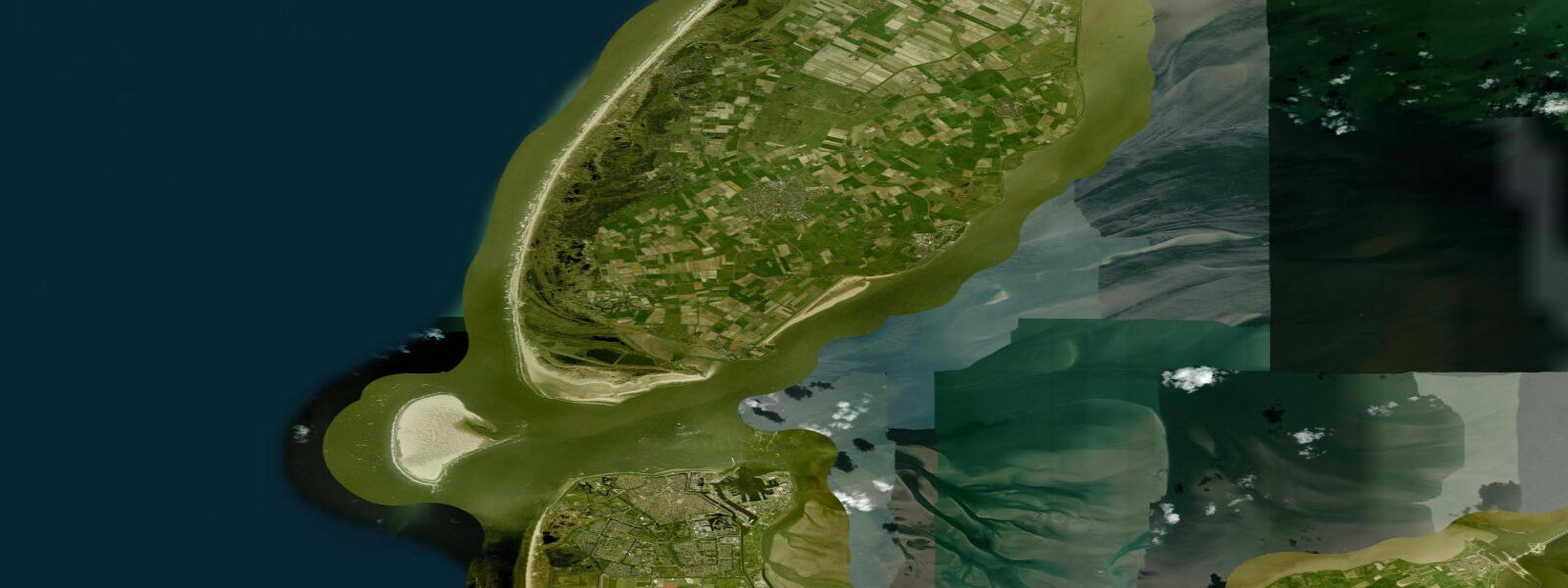
Den Helder stands at the northern tip of North Holland, where the province narrows to a point and the mainland coast ends. North across the Marsdiep channel is Texel, the southernmost of the Wadden Islands, separated from the mainland by a 20-minute ferry crossing that runs continuously from the ferry terminal on the Den Helder waterfront. The Marsdiep is not a narrow gap; it is a tidal channel of significant current.
The channel connects the North Sea directly to the Waddenzee basin, and the tidal prism — the volume of water flooding and ebbing through the Marsdiep twice a day — is enormous. 0 metres, somewhat larger than at Zandvoort to the south as the North Sea tidal wave has amplified slightly in the embayment approaching the Marsdiep. The Koninklijke Marine — the Royal Netherlands Navy — has its principal base at Den Helder.
The Marinemuseum on the harbour front displays historic naval vessels including a 19th-century wooden sailing frigate (Hr. Ms. Bonaire), a Cold War submarine, and naval aircraft.
The naval base and the museum together make the waterfront here a working harbour with historical depth. The beach at Julianadorp, 4 kilometres south of Den Helder along the coastal dune front, faces the North Sea directly without the harbour infrastructure; behind the beach is the Helderse Bos, a small planted woodland in the dune zone that provides shelter from the prevailing westerlies. The ferry to Texel departs from the terminal at the harbour's southwest corner; Texel island has the most extensive network of exposed Waddenzee mud flats accessible on foot of any location in the Dutch Wadden region.
At low spring tide, the Waddenzee flats on Texel's eastern shore expose kilometres of mud and sand that can be walked under supervision — the guided Wadlopen (mud flat walking) activity, in which participants cross from the outer shore to exposed sandbanks and back with an experienced guide, is one of the signature outdoor experiences of the Wadden region. The tide windows for Wadlopen are precise: the walk departs at low water and must complete the return before the flood covers the flats. nl.
The gauge records one of the longest instrumental sea-level series in the Netherlands, extending back to the 19th century and contributing to global sea-level rise assessments. The North Sea here is where the tidal character of the Dutch coast transitions from the open coast regime to the Wadden Sea regime; the two face each other across the Marsdiep. Shore anglers fishing the groyne tips and the harbour walls around Den Helder target bass, flatfish, and garfish; the ebb current concentrated through the Marsdiep produces the strongest fish-holding structure on this part of the coast.
The Helderse Zeedijk, the sea wall protecting the low-lying Noord-Holland interior, runs along the eastern side of Den Helder; from the top of the dijk the view extends westward over the beach and Marsdiep channel and eastward over the polder flat. The town centre of Den Helder, a few minutes from the ferry terminal, has a compact shopping street and the Helders Marinemuseum on the inner harbour; the museum's outdoor exhibits include the historic vessel Hr. Ms.
Schorpioen (an 1868 ironclad turret ship) permanently moored at the quay. Texel island, reached by the 20-minute ferry, has its own distinct character: wider than the mainland coast, with a sheep-farming interior, the Hoge Berg landscape reserve, and De Slufter, a tidal inlet on the western coast that floods and empties with the North Sea tide and is one of the more dramatic visual expressions of North Sea tidal movement in the Dutch Wadden region. 3 metres on height.
For the Marsdiep channel and ferry operations, the Rijkswaterstaat Den Helder gauge provides authoritative real-time water-level data.
Tide questions about Den Helder
Quick answers to the most common questions about tide times, range, and water access at Den Helder.
When is high tide at Den Helder?
The hero block at the top of this page shows the next predicted high at Den Helder in local Central European Time (CET/CEST, UTC+1/UTC+2). Spring tidal range at Den Helder is approximately 2.0 metres — slightly larger than at Zandvoort due to tidal-wave amplification as the North Sea narrows toward the Marsdiep channel entrance. Neap tides compress the range to around 1.2 metres. The Rijkswaterstaat Den Helder (Marsdiep) gauge is one of the key reference stations in the Dutch coastal sea-level network; real-time data and forecasts are published at waterinfo.rws.nl and are the authoritative source for this location.
How strong are the tidal currents at Den Helder?
The Marsdiep channel between Den Helder and Texel is one of the main tidal inlets of the Waddenzee, carrying a substantial tidal prism twice a day. On a spring ebb, the main channel current reaches 2 to 3 knots; on the flood it runs 1.5 to 2.5 knots. The current is strongest in the main navigation channel and weaker in the shoal areas east and west of it. The ferry to Texel is engineered to cross the Marsdiep on all states of the tide and current; paddlers and small-boat operators should plan the crossing carefully and use the Rijkswaterstaat real-time current data.
What are the Wadlopen mud-flat walks from Texel?
Wadlopen (Watt walking or mud-flat walking) is a guided outdoor activity in which participants cross the exposed Waddenzee tidal flats from the Texel shore to sandbanks and back at low water. The activity is tide-critical: the walk departs around low water, crosses the exposed flat to a distant sandbank, and returns before the flood covers the route. Water knee-deep in places; the mud can reach mid-calf in soft spots. Commercial operators offer guided walks from Texel during the summer season; booking in advance is essential as departures are tied to specific spring-low-water windows. Never attempt unsupported — the Waddenzee flood comes in faster than it looks.
Where do these predictions come from?
Open-Meteo Marine, a gridded global ocean model; accuracy is typically plus or minus 45 minutes on timing and 0.2 to 0.3 metres on height. The Rijkswaterstaat Den Helder gauge — one of the longest-running sea-level records in the Netherlands — provides authoritative real-time water-level and tidal-current data for the Marsdiep channel at waterinfo.rws.nl. For any vessel operation in the Marsdiep or Waddenzee, or for planning Wadlopen walks on the Texel flats where the tidal window is safety-critical, use the Rijkswaterstaat gauge data directly rather than the Open-Meteo gridded prediction.
Is this page safe to use for navigation?
No. The Marsdiep channel is a principal North Sea shipping lane and carries Royal Netherlands Navy vessel movements daily; the channel is buoyed and requires standard chart navigation with traffic separation awareness. The Waddenzee behind Texel has shallow shifting sandbanks and a complex buoyage system; navigation in the Waddenzee requires Wadden-specific charts and continuous attention to the Rijkswaterstaat buoyage updates. Use the Dutch Hydrographic Service charts (Dienst der Hydrografie) and Rijkswaterstaat's published water-level, current, and navigational notices. Open-Meteo Marine gridded predictions are not authoritative for any vessel operation in the Marsdiep or Waddenzee.
7-day tide table — Den Helder
Heights relative to MSL. Predictions: Open-Meteo Marine (MeteoFrance SMOC, 0.08° grid) — heights relative to MSL (not chart datum / LAT). Model-derived.
| Day | Type | Time | Height |
|---|---|---|---|
| Tue 04 Aug | High | 02:00 | -0.8m |
| Low | 03:58 | -1.2m | |
| High | 08:51 | 0.8m | |
| Low | 11:15 | 0.2m | |
| High | 11:52 | 0.3m | |
| Low | 16:42 | -1.0m | |
| High | 21:05 | 0.7m | |
| Wed 05 Aug | Low | 00:00 | -0.0m |
| High | 00:31 | 0.0m | |
| Low | 04:20 | -1.0m | |
| High | 09:34 | 1.0m | |
| Low | 12:11 | 0.4m | |
| High | 12:44 | 0.5m | |
| Low | 17:11 | -0.8m | |
| High | 21:55 | 0.7m | |
| Thu 06 Aug | Low | 00:28 | -0.0m |
| High | 00:37 | 0.0m | |
| Low | 05:00 | -1.0m | |
| High | 10:23 | 0.9m | |
| Low | 13:15 | 0.3m | |
| High | 13:35 | 0.4m | |
| Low | 17:43 | -0.8m | |
| High | 22:48 | 0.5m | |
| Fri 07 Aug | Low | 01:23 | -0.1m |
| High | 01:39 | -0.0m | |
| Low | 05:50 | -1.1m | |
| High | 11:17 | 0.5m | |
| Low | 18:16 | -1.0m | |
| High | 23:51 | 0.3m | |
| Sat 08 Aug | Low | 02:14 | -0.1m |
| High | 02:42 | -0.0m | |
| Low | 06:27 | -0.9m | |
| Low | 08:32 | -0.9m | |
| High | 12:20 | 0.5m | |
| Low | 14:22 | 0.1m | |
| High | 14:52 | 0.2m | |
| Low | 19:19 | -0.7m | |
| Low | 21:32 | -0.8m | |
| Sun 09 Aug | High | 00:52 | 0.4m |
| Low | 03:12 | 0.1m | |
| High | 03:37 | 0.1m | |
| Low | 07:23 | -0.6m | |
| High | 07:43 | -0.6m | |
| Low | 09:57 | -0.8m | |
| High | 13:21 | 0.4m | |
| Low | 15:09 | 0.2m | |
| High | 16:05 | 0.3m | |
| Low | 22:39 | -0.7m | |
| Mon 10 Aug | High | 01:59 | 0.5m |
| Low | 11:07 | -1.1m | |
| High | 14:23 | 0.2m | |
| High | 16:54 | 0.1m | |
| Low | 23:36 | -1.1m |