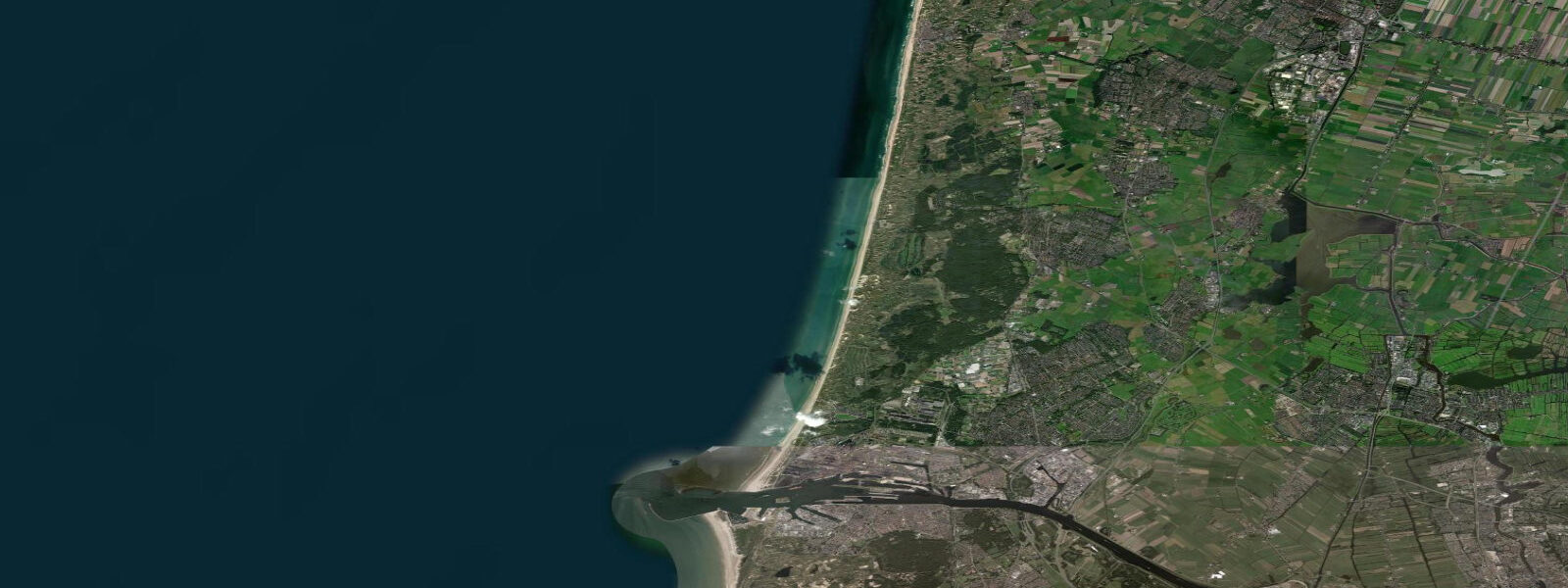
Castricum aan Zee tide times
Castricum aan Zee tide forecast — heights relative to MSL.
Today's tide times for Castricum aan Zee
Tide times at Castricum aan Zee on Tuesday, 4 August 2026: first high tide at 08:00, first low tide at 16:06, second high tide at 20:13. Sunrise 06:04, sunset 21:30.
Tide chart for Castricum aan Zee
24-hour cosine-interpolated curve around the present moment. Heights relative to MSL. Predictions: Predictions: Open-Meteo Marine (MeteoFrance SMOC, 0.08° grid).
Sun, moon and conditions on Tue 04 Aug
Snapshot at build time — refreshes daily. Sea state from Open-Meteo Marine.
Highs and lows next 7 days
Every predicted high and low for the next week, with the daily tidal coefficient (0–120; higher = bigger swing, > 95 means stronger currents).
Other spots nearby
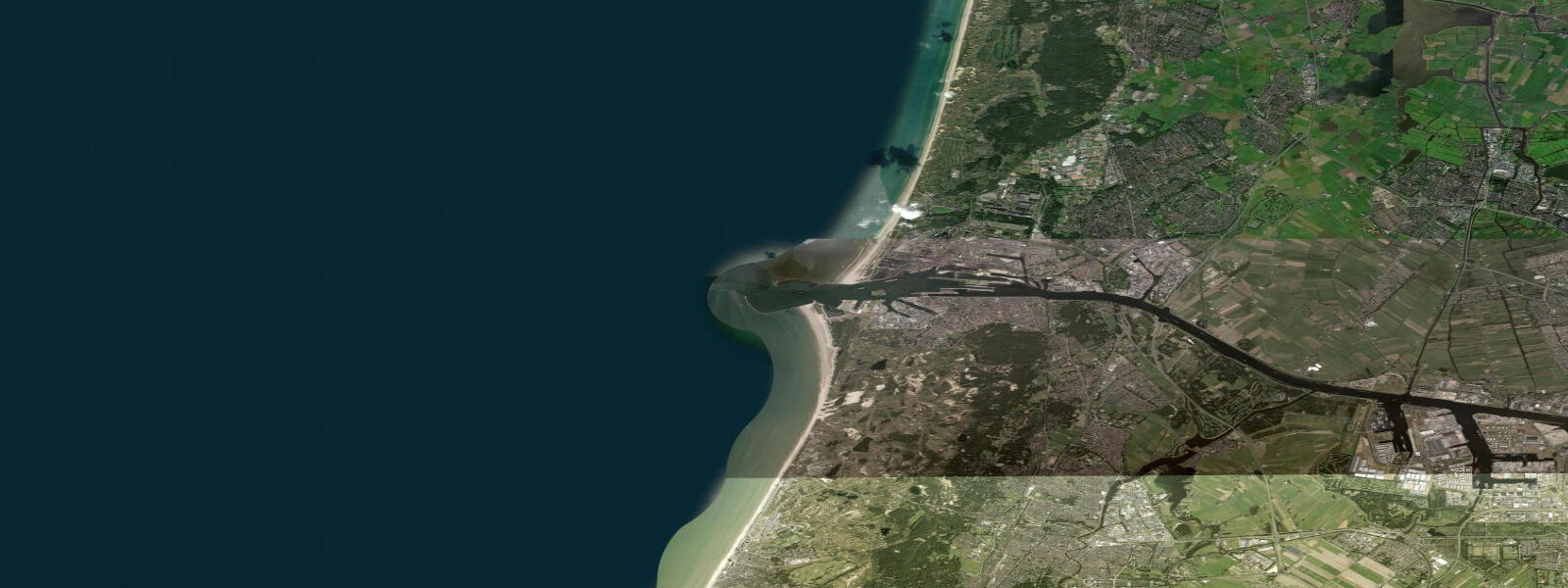
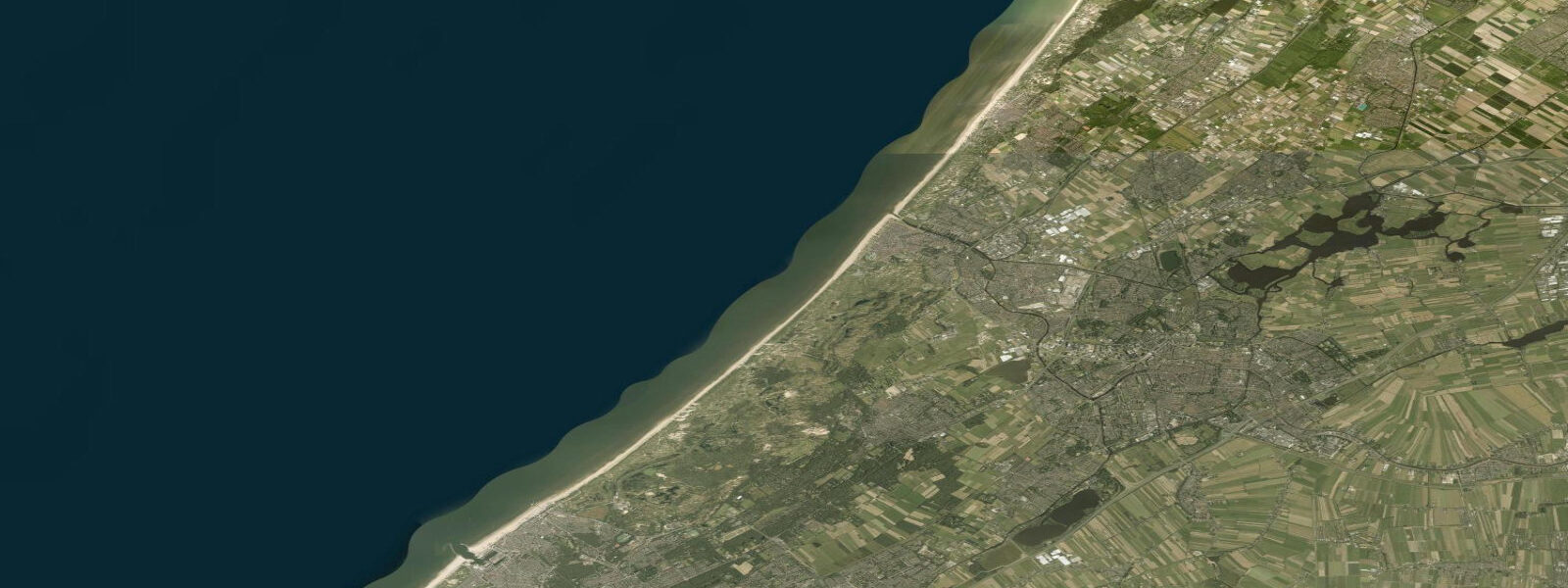
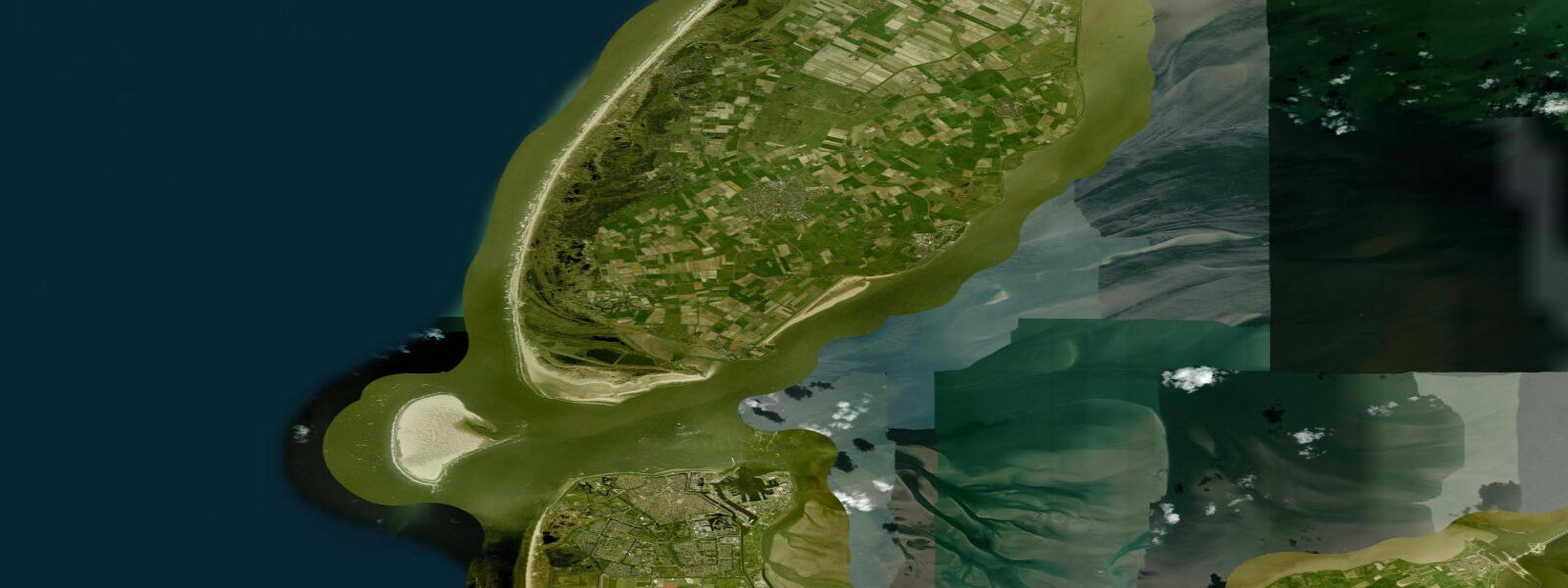
The three closest curated TideTurtle locations to Castricum aan Zee, measured by great-circle distance.
Today's solunar windows
Solunar tradition: major periods are the ≈3h windows around moon transit and opposition; minor are ≈2h around moonrise and moonset. Pair with the local tide stage and wind for the best read.
Cycle dates near Castricum aan Zee
Next spring tide on Wed 05 Aug (range 2.1m). Next neap on Fri 07 Aug.
Spring tides cluster around new and full moons (biggest swings). Neap tides land on quarter moons (smallest swings). See the spring tide and neap tide glossary entries for the why.
About tides at Castricum aan Zee
A short guide to the coastline at Castricum aan Zee — geography, sea state, and what the tide is actually doing under your feet.
Castricum aan Zee is the beach extension of the inland town of Castricum, reached by a 3-kilometre road and cycle path from the town centre, 15 kilometres north of Zandvoort. The resort is noticeably less developed than Zandvoort: fewer concessions, shorter rows of beach cabins, a longer stretch of unoccupied beach per visitor in high summer. Behind the dune foot, the Noord-Hollands Duinreservaat — one of the larger remaining dune nature reserves in the Netherlands — extends several kilometres inland and northward along the coast.
The reserve serves three simultaneous functions: ecological habitat for dune vegetation, nesting birds, and rabbit populations; a protected freshwater aquifer (rainwater filtrates through the sand and is extracted by the Amsterdam and North Holland drinking-water utilities from wells sunk into the dunes); and a recreational walking and cycling area accessible via a network of paths from the beach and the inland villages. The interaction between these three functions is managed carefully. The ecological and water-extraction demands limit public access in certain zones; the walking trails thread between the restricted areas and give access to the dune interior.
0 metres. The beach faces west into the North Sea. The surf zone is broad at low water; the beach narrows as the tide floods and the dune foot becomes more exposed.
Shore anglers here work the wet-sand face for flatfish — sole, plaice, and flounder — on the incoming tide, typically from the first two hours of the flood to mid-tide when the water is covering the lower-beach zone but before the upper beach drowns the casting distance. Autumn evenings on the incoming tide are the traditional flatfish session window on this coast. For families, the beach is a straightforward swimming shore in summer with lifeguard supervision; the generally lower crowd density relative to Zandvoort makes it easier to find space.
Kite-flyers favour Castricum for the same reason: the afternoon onshore sea-breeze in summer and the autumn westerly sessions both work consistently on this open western-facing beach. Bird-watchers walking the dune reserve encounter migratory waders and passerines in spring and autumn, with the dune slacks providing freshwater habitat that draws species not found on the pure North Sea beach. The September–October migration through the North Holland dune corridor regularly produces unusual passerine falls when Atlantic low-pressure systems grounded birds moving south along the coast; Castricum is one of the recognised ringing-station locations for Dutch coastal migration monitoring.
The inland village of Castricum is 3 kilometres east of the beach along the dune path or the access road; the combination of train connection (Castricum station, direct intercity service to Amsterdam and Alkmaar) and the beach road makes the beach accessible without a car from a wide catchment. The village holds the Nationaal Monument Psychische Gezondheid, a landmark building complex from the former Meer en Bosch psychiatric hospital dating to the early 20th century, now converted to mixed residential and creative use — visible from the dune path. The combination of the quiet beach, the large nature reserve, and the easy rail access makes Castricum a practical alternative to Zandvoort for visitors who prefer less crowd density without sacrificing the ease of a direct train from Amsterdam.
nl); the nearest gauges are at IJmuiden to the south and Petten to the north. KNMI publishes the wave and wind forecast for the Dutch North Sea coast. 3 metres on height.
For planning around the tidal change — particularly for anglers and paddlers — use the Rijkswaterstaat data directly.
Tide questions about Castricum aan Zee
Quick answers to the most common questions about tide times, range, and water access at Castricum aan Zee.
When is high tide at Castricum aan Zee?
The hero block at the top of this page shows the next predicted high at Castricum aan Zee in local Central European Time (CET/CEST, UTC+1/UTC+2). The North Sea tidal pattern here is semidiurnal — two highs and two lows per day — with a mean spring range of approximately 1.8 to 2.0 metres. The half-cycle runs about 6 hours 12 minutes. The nearest Rijkswaterstaat gauges are IJmuiden (about 15 km south) and Petten (about 15 km north); both publish real-time water-level data and short-range forecasts at waterinfo.rws.nl and are the most accurate reference for the Castricum stretch timing.
What is the Noord-Hollands Duinreservaat and can visitors walk there?
The Noord-Hollands Duinreservaat is a protected dune nature reserve running along the North Holland coast from Castricum north toward Bergen aan Zee. It covers roughly 5,000 hectares of dune heath, dune slacks, and wooded dune ridges. Public access is allowed on marked walking and cycling paths; some zones are restricted for ecological reasons and water-extraction protection. Entry is free; parking is at the beach village car parks. The reserve's paths are accessible from the beach at Castricum aan Zee and from inland entry points at Castricum and Akersloot. In autumn, the migratory bird passage through the reserve is significant.
What are the best conditions for flatfish angling at Castricum?
Shore casting for sole, plaice, and flounder on the North Holland beach coast traditionally focuses on the incoming-tide window — from low water to approximately mid-flood. The flood covers the sandy lower-shore zone where the fish feed. Autumn evenings after September are the most consistent period for sole in particular, when the water temperature drops enough to bring the fish closer inshore. Spring evenings from April onward produce plaice and flounder. A northwesterly swell combined with a flooding tide turns the water colour and brings the fish in; flat, calm conditions in high summer tend to be the least productive period for shore casting.
Where do these predictions come from?
Open-Meteo Marine, a gridded global ocean model; accuracy is typically plus or minus 45 minutes on timing and 0.2 to 0.3 metres on height. For activity-critical tidal timing at Castricum aan Zee — particularly for anglers working the incoming-tide window and paddlers planning a launch — the Rijkswaterstaat national gauge network publishes authoritative real-time and short-range forecast water-level data at waterinfo.rws.nl. The IJmuiden gauge (15 km south) and the Petten gauge (15 km north) bracket the Castricum stretch and are updated in near real time.
Is this page safe to use for navigation?
No. The North Sea approaches off the North Holland coast between IJmuiden and Petten carry commercial shipping and offshore traffic operating under traffic separation schemes. Chart navigation is required; use Dutch Hydrographic Service charts (Dienst der Hydrografie, Netherlands Ministry of Defence) and Rijkswaterstaat real-time water-level data. The offshore approaches to IJmuiden harbour entrance have a dredged channel and sandbar shoals on either side; standard chart navigation applies. Open-Meteo Marine gridded predictions are not gauge-calibrated and are not authoritative for any vessel operation on this coast.
8-day tide table — Castricum aan Zee
Heights relative to MSL. Predictions: Open-Meteo Marine (MeteoFrance SMOC, 0.08° grid) — heights relative to MSL (not chart datum / LAT). Model-derived.
| Day | Type | Time | Height |
|---|---|---|---|
| Tue 04 Aug | High | 08:00 | 0.9m |
| Low | 16:06 | -1.0m | |
| High | 20:13 | 0.8m | |
| Wed 05 Aug | Low | 04:01 | -1.0m |
| High | 08:46 | 1.1m | |
| Low | 16:45 | -0.8m | |
| High | 21:01 | 0.8m | |
| Thu 06 Aug | Low | 04:40 | -0.9m |
| High | 09:34 | 0.9m | |
| Low | 17:26 | -0.7m | |
| High | 21:54 | 0.6m | |
| Fri 07 Aug | Low | 18:06 | -0.9m |
| High | 23:02 | 0.4m | |
| Sat 08 Aug | Low | 06:20 | -0.9m |
| High | 11:41 | 0.5m | |
| Low | 19:48 | -0.7m | |
| Sun 09 Aug | High | 00:10 | 0.5m |
| Low | 08:42 | -0.8m | |
| High | 12:54 | 0.5m | |
| Low | 18:16 | -0.4m | |
| High | 18:47 | -0.4m | |
| Low | 21:35 | -0.6m | |
| Mon 10 Aug | High | 01:22 | 0.7m |
| Low | 10:14 | -0.9m | |
| High | 14:04 | 0.4m | |
| Low | 19:00 | -0.5m | |
| High | 19:40 | -0.5m | |
| Low | 22:43 | -1.0m | |
| Tue 11 Aug | High | 01:00 | 0.1m |