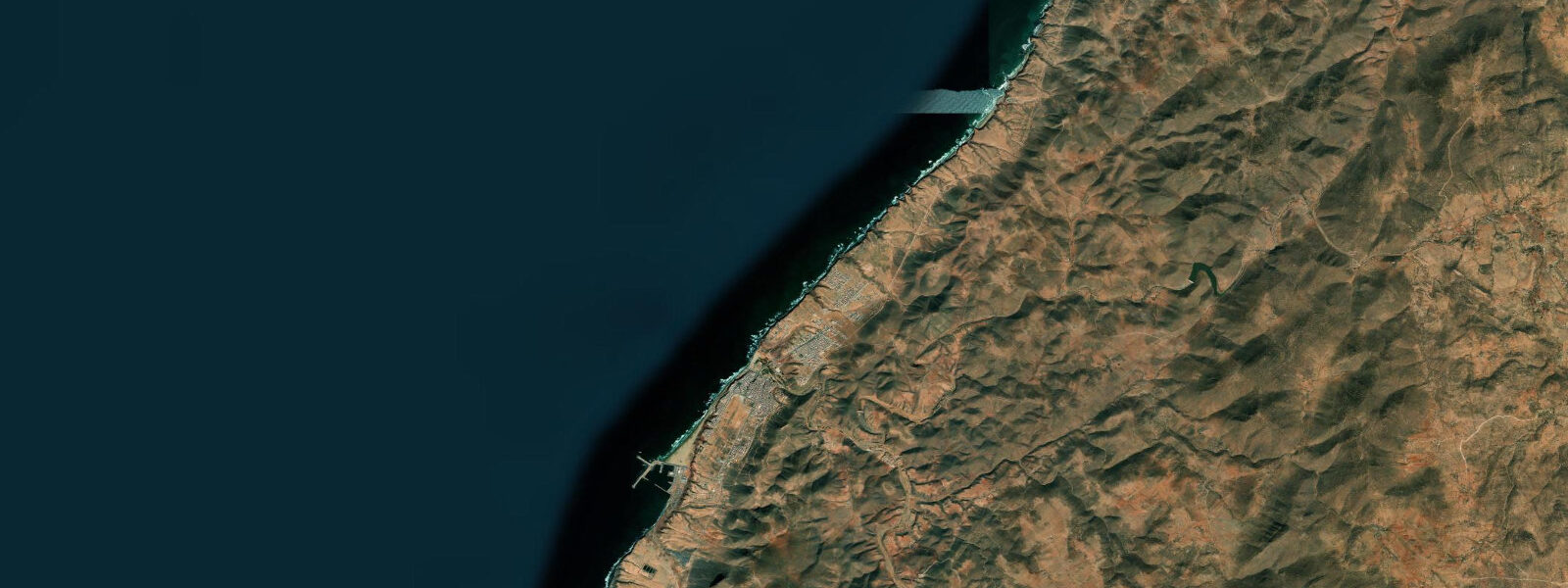
Sidi Ifni tide times
Sidi Ifni tide forecast — heights relative to MSL.
Today's tide times for Sidi Ifni
Tide times at Sidi Ifni on Tuesday, 4 August 2026: first low tide at 11:32, first high tide at 17:46. Sunrise 07:02, sunset 20:31.
Tide chart for Sidi Ifni
24-hour cosine-interpolated curve around the present moment. Heights relative to MSL. Predictions: Predictions: Open-Meteo Marine (MeteoFrance SMOC, 0.08° grid).
Sun, moon and conditions on Tue 04 Aug
Snapshot at build time — refreshes daily. Sea state from Open-Meteo Marine.
Highs and lows next 7 days
Every predicted high and low for the next week, with the daily tidal coefficient (0–120; higher = bigger swing, > 95 means stronger currents).
Other spots nearby
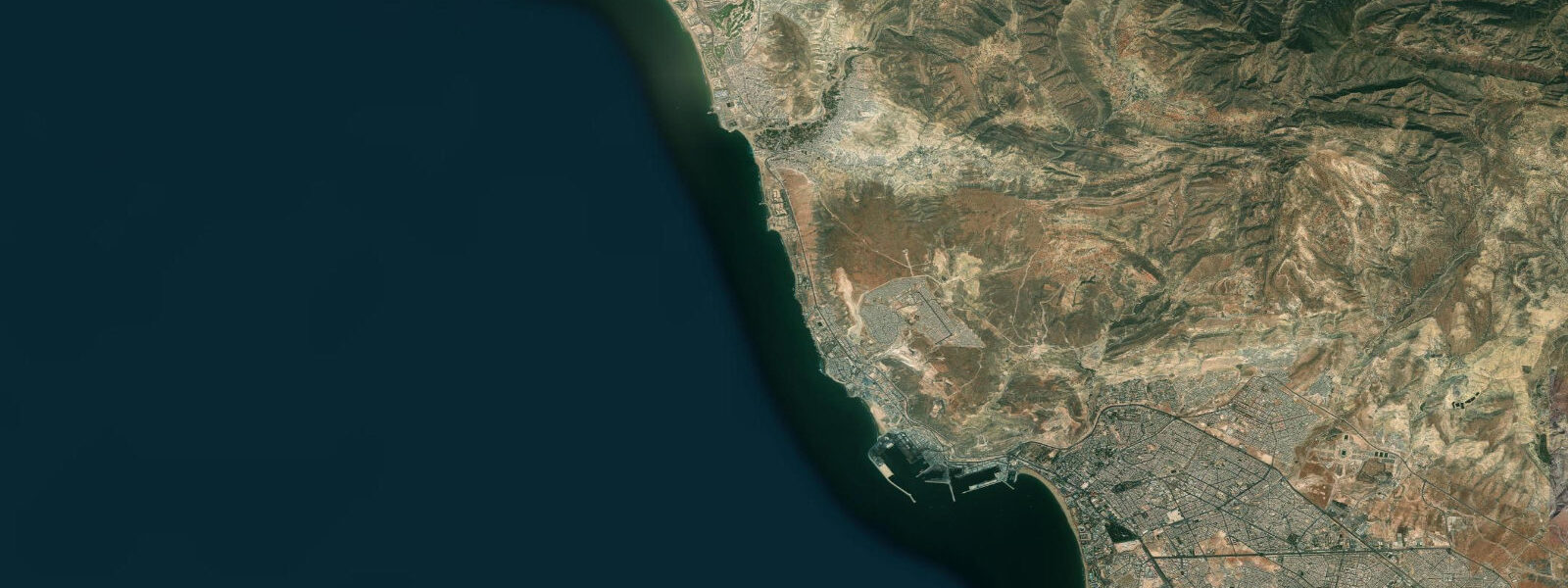
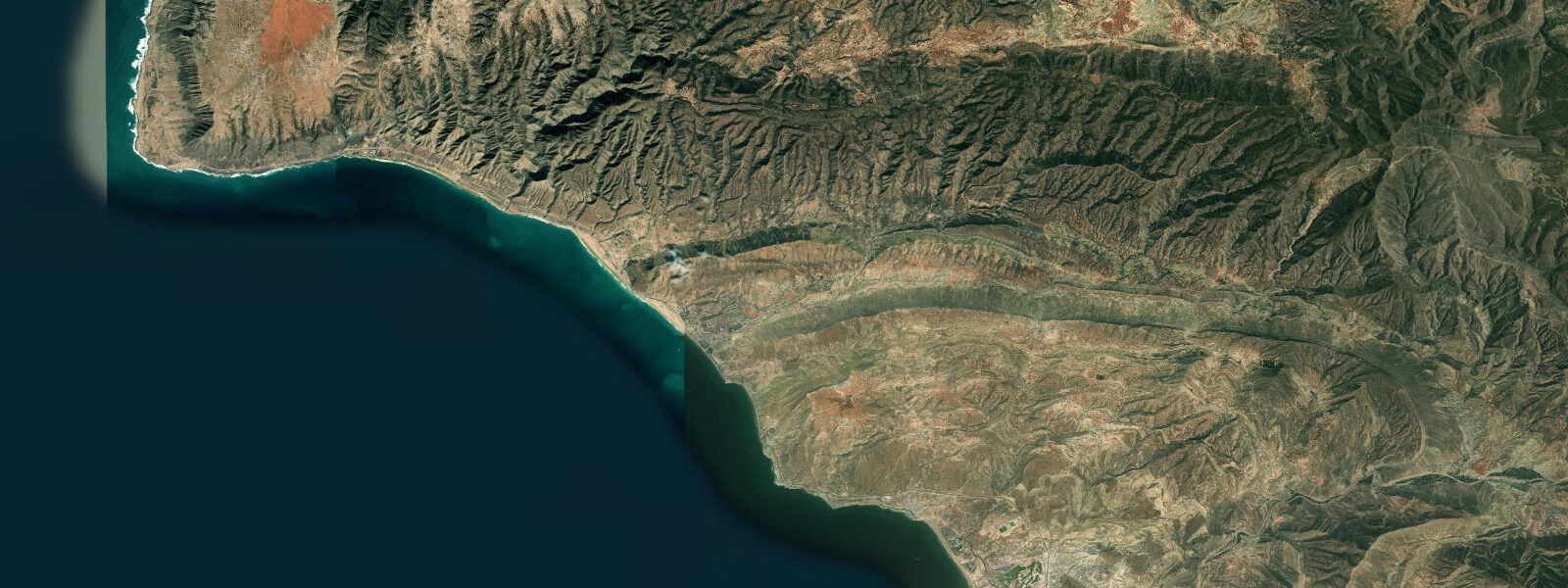
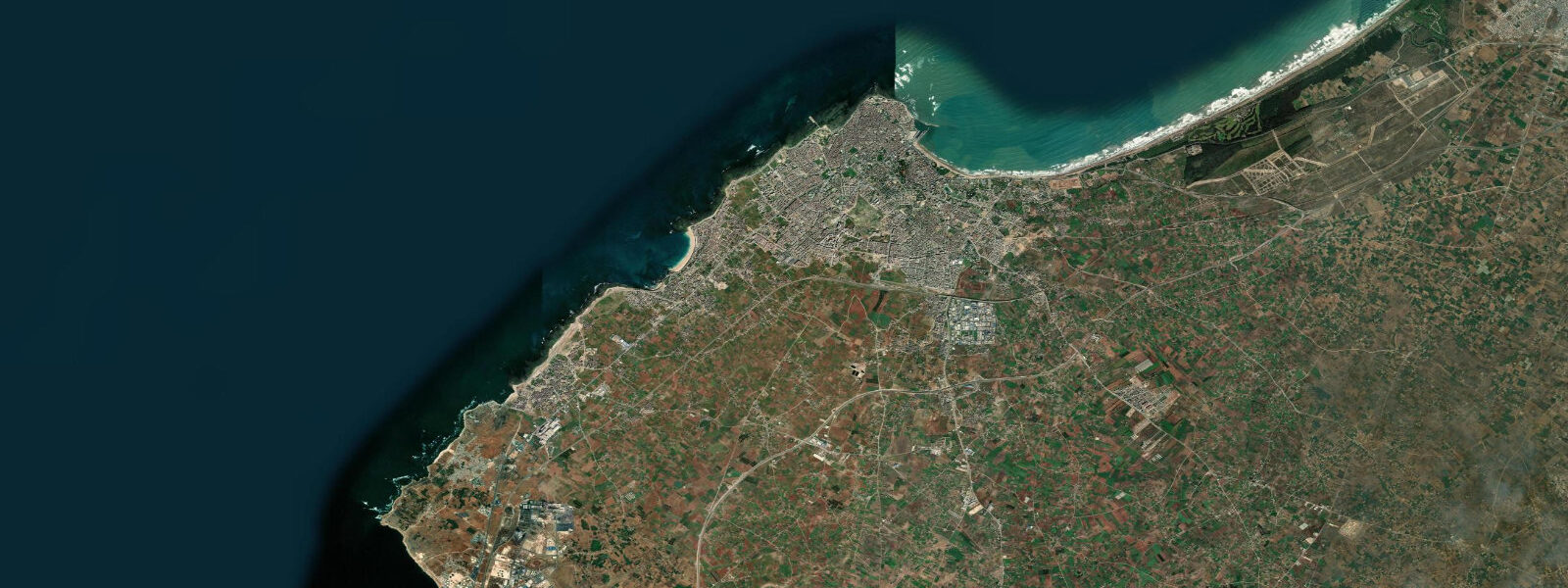
The three closest curated TideTurtle locations to Sidi Ifni, measured by great-circle distance.
Today's solunar windows
Solunar tradition: major periods are the ≈3h windows around moon transit and opposition; minor are ≈2h around moonrise and moonset. Pair with the local tide stage and wind for the best read.
Cycle dates near Sidi Ifni
Last spring tide on Tue 04 Aug (range 2.0m). Next spring tide on Mon 10 Aug (range 2.3m). Next neap on Fri 07 Aug.
Spring tides cluster around new and full moons (biggest swings). Neap tides land on quarter moons (smallest swings). See the spring tide and neap tide glossary entries for the why.
About tides at Sidi Ifni
A short guide to the coastline at Sidi Ifni — geography, sea state, and what the tide is actually doing under your feet.
Sidi Ifni is 75 kilometres south of Tiznit, sitting on a sea terrace above a boulder beach on one of the most remote stretches of the Moroccan Atlantic coast. The town is elevated — the central plaza and the old Spanish administrative buildings stand 30 to 40 metres above the ocean on a flat terrace, with the cliff dropping straight to the rocky shore below. The tidal regime is semidiurnal mesotidal, with a mean range of approximately 1.7 metres at Chart Datum and spring range around 2.2 metres. The town was a Spanish enclave — the Ifni province — until it was ceded to Morocco in 1969; the colonial infrastructure remains.
The Spanish occupation left a distinctive architectural layer: the town centre has a working Art Deco colonial building stock — the former governor's palace, a circular post office, the Spanish consulate, the church — built in the 1930s and 1940s in a style that mixed Spanish colonial with Art Deco motifs and local Moroccan elements. Most buildings are intact and in use, though some are in gradual decay. The harbour crane from the Spanish era still stands on the coast below the town; it was the mechanism for the cable car system that loaded and unloaded cargo from ships anchored offshore when the coast was too exposed for a conventional harbour approach.
The boulder beach below the terrace is exposed to open Atlantic swell with no offshore protection. The swell reaches the coast from the northwest and west; the beach receives 1 to 3 metre surf regularly from October through March. The rocks below the cliff face are covered at high water and partially exposed at low water — the intertidal zone here is a wide stretch of tumbled boulders with rock pools. Fishing from the rocks at low water targets grouper, sea bass, and bream; the clarity of the water in the rock pools is notable given the Atlantic swell energy.
The surf at Sidi Ifni is not organised around named breaks in the way Taghazout is — there are beach and reef breaks north and south of the town that work on northwest swells, but the infrastructure for surf tourism is minimal compared to the Taghazout coast. The remoteness and the colonial town aesthetic attract a different type of visitor: overland travellers, photographers, and surfers looking for uncrowded waves rather than surf camp packages.
The market day in Sidi Ifni is Sunday — the largest weekly souk on this section of coast, with Berber traders arriving from the Anti-Atlas interior. Argan products, Tiznit silver, Saharan minerals, and agricultural produce from the Souss hinterland all move through the market. The town has a small selection of guesthouses and riads; the nearest city is Tiznit (75 km north) or Guelmim (75 km southeast), making Sidi Ifni a genuine endpoint rather than a transit stop.
Tide predictions on this page come from Open-Meteo Marine, a gridded global ocean model. Accuracy is typically within plus or minus 45 minutes on timing and 0.2 to 0.3 metres on height. For authoritative official tide predictions for this section of the Moroccan Atlantic coast, consult SHOMAR — Service Hydrographique et Océanographique de la Marine.
Tide questions about Sidi Ifni
Quick answers to the most common questions about tide times, range, and water access at Sidi Ifni.
What is the Spanish colonial heritage visible in Sidi Ifni today?
Sidi Ifni was the capital of the Spanish Province of Ifni from 1934 until Morocco reclaimed the territory in 1969. The Spanish administration built a complete colonial town on the sea terrace: a governor's palace, a circular post office, a church, administrative buildings, and residential quarters — almost all in an Art Deco colonial style from the 1930s and 1940s. Most of these buildings are still standing and in use, though some are deteriorating. The harbour crane below the terrace is from the same era — it was part of a cable-car loading system used to transfer cargo to ships anchored offshore, as the exposed Atlantic coast made conventional harbour operations impossible.
What is the tidal range at Sidi Ifni and how does it affect the coast?
Sidi Ifni shares the same semidiurnal mesotidal regime as the broader Souss-Massa coast: mean range approximately 1.7 metres, spring range around 2.2 metres. The boulder beach below the sea terrace is steep and the tidal change translates to roughly 20 to 35 metres of horizontal waterline movement on this gradient. At mean low water the full intertidal boulder zone is exposed — wide stretches of rock pools and boulders are accessible for fishing and wildlife observation. At mean high water springs, the boulders are submerged and the swell drives directly against the cliff base in some sections.
Is surfing possible at Sidi Ifni and what are the conditions like?
Surfing is possible at Sidi Ifni — beach and reef breaks north and south of the town pick up northwest Atlantic swell from October through March, typically running 1 to 3 metres. The surf infrastructure here is minimal: no organised surf camps, no named-break reputation of the Taghazout variety, and limited board hire in town. For surfers, that is the point — consistently uncrowded waves. Mid to high tide produces the cleaner conditions on the reef sections; low tide exposes rocks on the shallower breaks. The Sidi Ifni area suits experienced surfers who can read unfamiliar breaks and are comfortable in remote conditions.
When is the best time to visit Sidi Ifni?
October through February for surf and mild temperatures (22 to 26°C daytime, 14 to 16°C nights). March and April for the transition to spring — still uncrowded, comfortable temperatures, wildflowers on the Anti-Atlas hillsides above the coast. The Sunday souk runs year-round and is worth timing a visit around. Summer (June–August) brings consistent heat (30 to 35°C) and flat surf; the Alizé wind picks up most afternoons. Sidi Ifni is a 3.5 to 4-hour drive south of Agadir on the N1 coast road; Tiznit provides a practical stop and fuel midway.
Are the tide predictions on this page official forecasts I can use for navigation or safety decisions?
No. Predictions shown here come from Open-Meteo Marine, a global ocean model with a typical accuracy of plus or minus 45 minutes on timing and 0.2 to 0.3 metres on height. The Sidi Ifni coast is exposed Atlantic with no enclosed harbour — wave conditions can change rapidly and the tidal range affects access to the boulder beach and rock platforms. For any maritime or safety-critical planning on this section of coast, rely on official predictions from SHOMAR, the Service Hydrographique et Océanographique de la Marine, which publishes authoritative tide tables for Moroccan Atlantic waters.
8-day tide table — Sidi Ifni
Heights relative to MSL. Predictions: Open-Meteo Marine (MeteoFrance SMOC, 0.08° grid) — heights relative to MSL (not chart datum / LAT). Model-derived.
| Day | Type | Time | Height |
|---|---|---|---|
| Tue 04 Aug | Low | 11:32 | -1.2m |
| High | 17:46 | 0.8m | |
| Wed 05 Aug | Low | 00:03 | -1.3m |
| High | 06:16 | 0.6m | |
| Low | 12:21 | -1.1m | |
| High | 18:36 | 0.6m | |
| Thu 06 Aug | Low | 00:54 | -1.1m |
| High | 07:13 | 0.5m | |
| Low | 13:26 | -1.0m | |
| High | 19:41 | 0.4m | |
| Fri 07 Aug | Low | 02:02 | -1.0m |
| High | 21:12 | 0.3m | |
| Sat 08 Aug | Low | 03:26 | -0.9m |
| High | 10:00 | 0.4m | |
| Low | 16:22 | -1.0m | |
| High | 22:43 | 0.4m | |
| Sun 09 Aug | Low | 04:54 | -1.0m |
| High | 11:15 | 0.6m | |
| Low | 17:41 | -1.2m | |
| High | 23:55 | 0.6m | |
| Mon 10 Aug | Low | 06:00 | -1.2m |
| High | 12:16 | 0.9m | |
| Low | 18:41 | -1.4m | |
| Tue 11 Aug | High | 00:00 | 0.7m |