Tulum tide times
Tulum tide forecast — heights relative to MSL.
Tide chart for Tulum
24-hour cosine-interpolated curve around the present moment. Heights relative to MSL. Predictions: Predictions: Open-Meteo Marine (MeteoFrance SMOC, 0.08° grid).
Sun, moon and conditions on Sun 02 Aug
Snapshot at build time — refreshes daily. Sea state from Open-Meteo Marine.
Highs and lows next 7 days
Every predicted high and low for the next week, with the daily tidal coefficient (0–120; higher = bigger swing, > 95 means stronger currents).
Other spots nearby
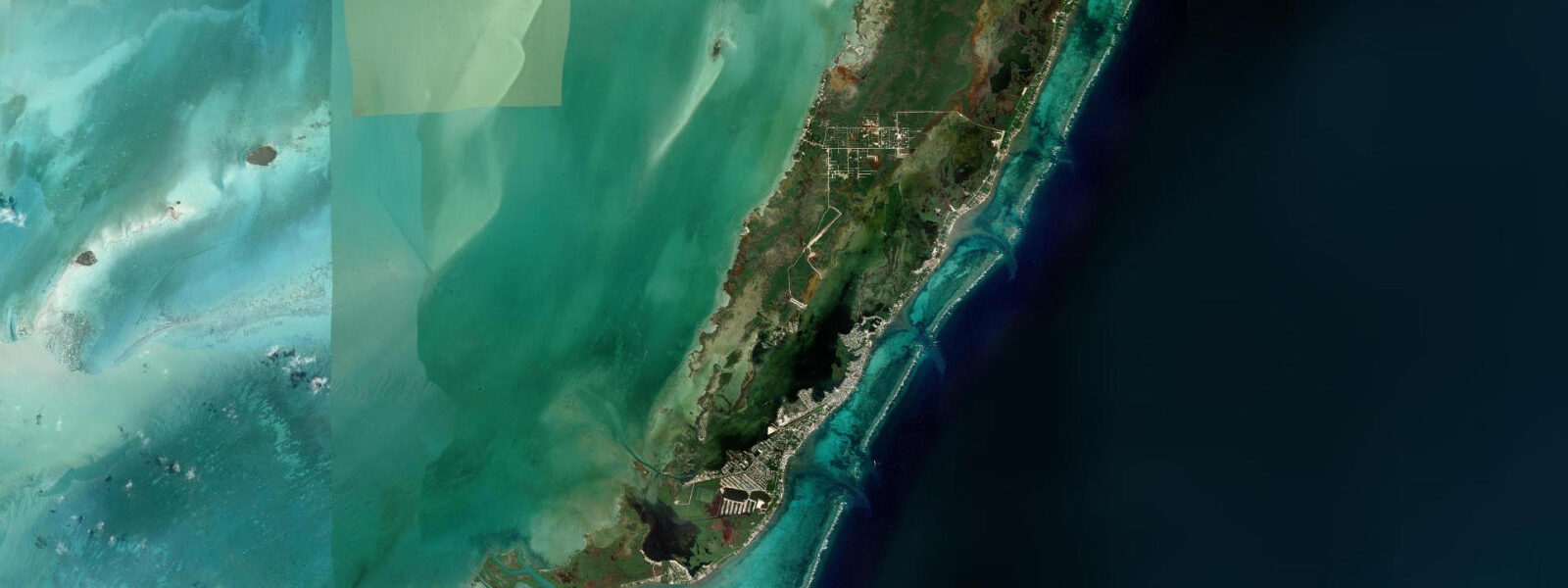
The three closest curated TideTurtle locations to Tulum, measured by great-circle distance.
Today's solunar windows
Solunar tradition: major periods are the ≈3h windows around moon transit and opposition; minor are ≈2h around moonrise and moonset. Pair with the local tide stage and wind for the best read.
Cycle dates near Tulum
Next spring tide on Sat 08 Aug (range 0.3m). Last neap on Sun 02 Aug.
Spring tides cluster around new and full moons (biggest swings). Neap tides land on quarter moons (smallest swings). See the spring tide and neap tide glossary entries for the why.
About tides at Tulum
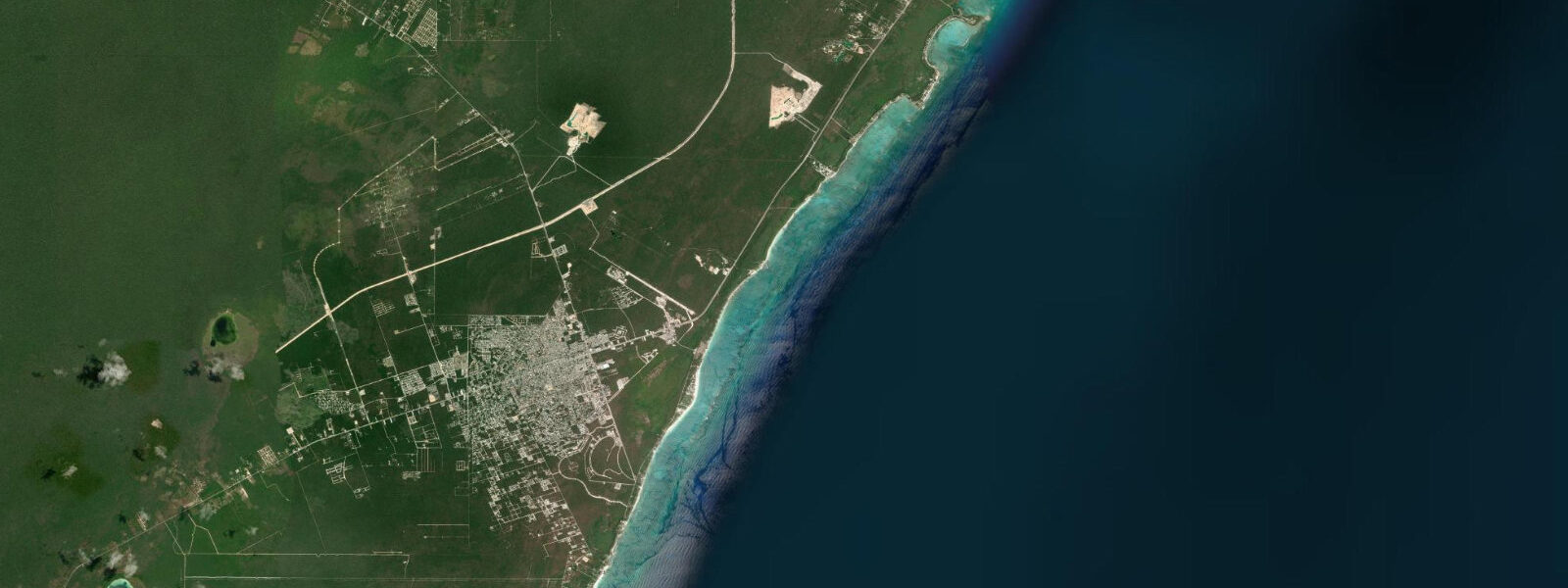
A short guide to the coastline at Tulum — geography, sea state, and what the tide is actually doing under your feet.
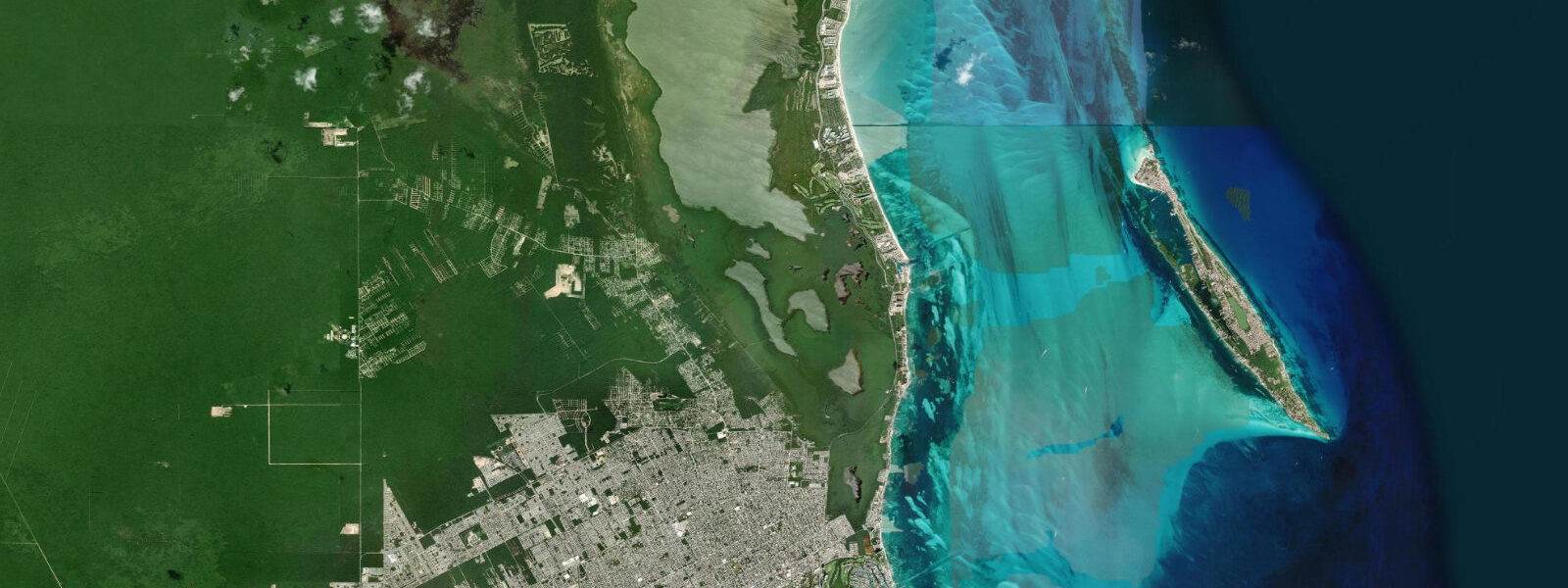
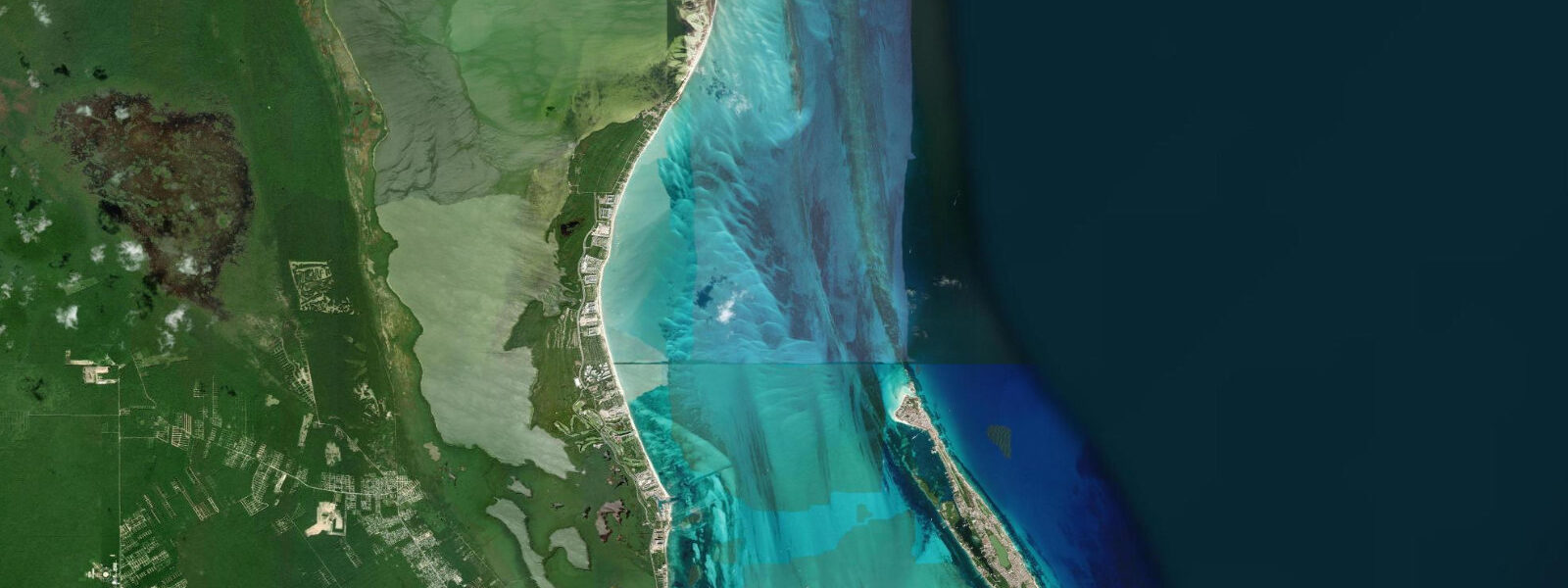
Tulum is on the Caribbean coast of the Yucatán Peninsula, south of Playa del Carmen, where a late Maya archaeological zone sits on a cliff directly above the beach. The ruins-on-cliff-above-turquoise-water composition is the most recognised image in Mexican beach tourism. The Caribbean tidal range here is diurnal and small: one high and one low per day, mean range about 0.3 to 0.5 metres. Water level changes are more significantly driven by wind and swell than by the astronomical tide.
The Gran Cenote and the Dos Ojos cave system — just inland from Tulum beach — are the headline snorkelling and diving experiences. The Yucatán Peninsula sits on a massive porous limestone platform with an underground cave system (Sistema Dos Ojos and Sac Actun) that is the world's largest flooded cave system by mapped length (approximately 380 km explored). The cenotes (sinkholes where the cave roof has collapsed) give access to the cave system; visibility in the freshwater sections exceeds 100 metres. Snorkelling in the Gran Cenote is accessible to anyone who can swim; cave diving requires technical cave certification.
The Caribbean reef just offshore from Tulum Beach is part of the Mesoamerican Barrier Reef — the world's second-largest coral reef system. Snorkelling from the beach is possible in calm conditions but the reef section offshore from the hotel zone is damaged by boat anchoring; the best reef snorkelling requires a short boat trip to healthier sections. Dive boats from Tulum operate to the Cozumel channel (30 minutes north) for world-class wall diving.
Humpback whale sharks aggregate in the open Caribbean north of Tulum from May through September — day trips from Puerto Morelos (1.5 hours north) or Cancún access the aggregation sites. The experience is ocean-based, more exposed than La Paz in Baja, requiring comfortable ocean swimming skills.
Tulum town has shifted dramatically from a backpacker destination to a high-end 'boho-luxury' beach resort in the past decade. The hotel zone on the beach road has very high accommodation prices; the town centre (Tulum Pueblo) 3 km inland is more affordable. The archaeological zone entry is by foot or bicycle from the parking area; no vehicles inside the site.
Predictions on this page come from Open-Meteo Marine, a gridded global ocean model. Accuracy is typically within plus or minus 45 minutes on timing and 0.2 to 0.3 metres on height — model-derived, not from a local gauge. For Mexican tide data, consult SEMAR at digmer.semar.gob.mx.
Tide questions about Tulum
Quick answers to the most common questions about tide times, range, and water access at Tulum.
What is the tidal range at Tulum?
The Caribbean at Tulum has a diurnal tidal pattern — one high and one low per day — with a very small range of 0.3 to 0.5 metres. Wind and weather systems affect water level more than the astronomical tide. Swell from the northeast (common November through April) can increase wave size on the beach significantly; the protected sections near the reef are calmer in most conditions.
What is snorkelling in the cenotes like?
The cenotes near Tulum (Gran Cenote, Dos Ojos, Aktun-Ha) have crystal-clear freshwater with visibility exceeding 100 metres — unlike anything in open-ocean snorkelling. The experience is in a flooded cave/sinkhole environment: light enters from the surface opening and illuminates stalactites hanging into the water. Gran Cenote is the most accessible for snorkellers. Life in the cenotes includes tiny fish, freshwater turtles, and bats. Water temperature is a constant 25°C year-round.
Is cave diving at Dos Ojos suitable for recreational divers?
No — cave diving requires a technical cave diving certification (not recreational Open Water or Advanced Open Water). The cave system extends hundreds of kilometres without air pockets; disorientation or equipment failure inside the cave is potentially fatal. Recreational cavern diving (staying within sight of the cave entrance, in natural light) is available to certified Open Water divers under guide supervision. Full cave diving is for divers who have completed dedicated cave diving courses. Do not enter beyond light zones without certification.
How do I get to the Tulum archaeological zone?
The Tulum archaeological zone is 3 km south of the main hotel zone, at the end of the Tulum beach road. Entry by car is no longer permitted to the immediate ruins area; park at the designated lot and walk 5 to 10 minutes (or take the tourist train from the parking lot). Entry fee applies; the site is open daily from 8 a.m. to 5 p.m. Arrive before 9 a.m. to beat tour groups from Playa del Carmen and Cancún, which arrive from 10 a.m. onwards.
Is Tulum crowded in 2025?
Yes — Tulum has become one of Mexico's most heavily visited destinations. The Tulum hotel zone beach road is very busy July through August and December through January. The archaeological zone receives hundreds of tour buses daily in high season. For less crowded experiences: visit the ruins at opening time (8 a.m.), snorkel the cenotes in the morning before day-tour groups arrive (before 10 a.m.), and explore the hotel zone beach on weekdays rather than weekends. The new Tulum International Airport (opened 2024) is increasing accessibility further.
8-day tide table — Tulum
Heights relative to MSL. Predictions: Open-Meteo Marine (MeteoFrance SMOC, 0.08° grid) — heights relative to MSL (not chart datum / LAT). Model-derived.
| Day | Type | Time | Height |
|---|---|---|---|
| Sun 02 Aug | — | ||
| Mon 03 Aug | Low | 05:00 | -0.0m |
| High | 12:00 | 0.1m | |
| Tue 04 Aug | Low | 07:00 | -0.1m |
| Wed 05 Aug | High | 01:00 | 0.1m |
| Low | 08:00 | -0.1m | |
| Thu 06 Aug | High | 02:00 | 0.1m |
| Low | 09:00 | -0.1m | |
| Fri 07 Aug | High | 03:00 | 0.1m |
| Low | 10:10 | -0.1m | |
| Sat 08 Aug | High | 04:00 | 0.1m |
| Low | 11:00 | -0.2m | |
| High | 17:50 | 0.0m | |
| Low | 23:10 | -0.1m | |
| Sun 09 Aug | High | 05:00 | 0.1m |
| Low | 11:50 | -0.2m | |
| High | 17:00 | 0.0m | |