Loreto tide times
Loreto tide forecast — heights relative to MSL.
Tide chart for Loreto
24-hour cosine-interpolated curve around the present moment. Heights relative to MSL. Predictions: Predictions: Open-Meteo Marine (MeteoFrance SMOC, 0.08° grid).
Sun, moon and conditions on Sun 02 Aug
Snapshot at build time — refreshes daily. Sea state from Open-Meteo Marine.
Highs and lows next 7 days
Every predicted high and low for the next week, with the daily tidal coefficient (0–120; higher = bigger swing, > 95 means stronger currents).
Other spots nearby
The three closest curated TideTurtle locations to Loreto, measured by great-circle distance.

Today's solunar windows
Solunar tradition: major periods are the ≈3h windows around moon transit and opposition; minor are ≈2h around moonrise and moonset. Pair with the local tide stage and wind for the best read.
About tides at Loreto
A short guide to the coastline at Loreto — geography, sea state, and what the tide is actually doing under your feet.
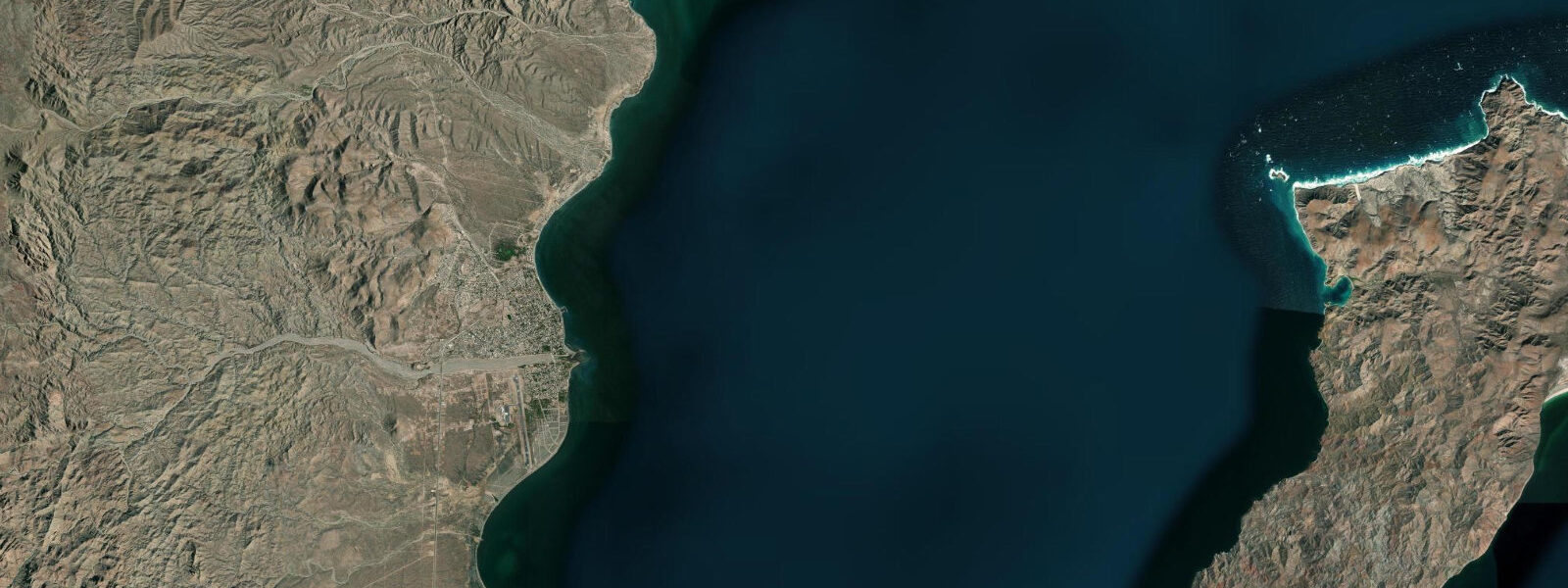
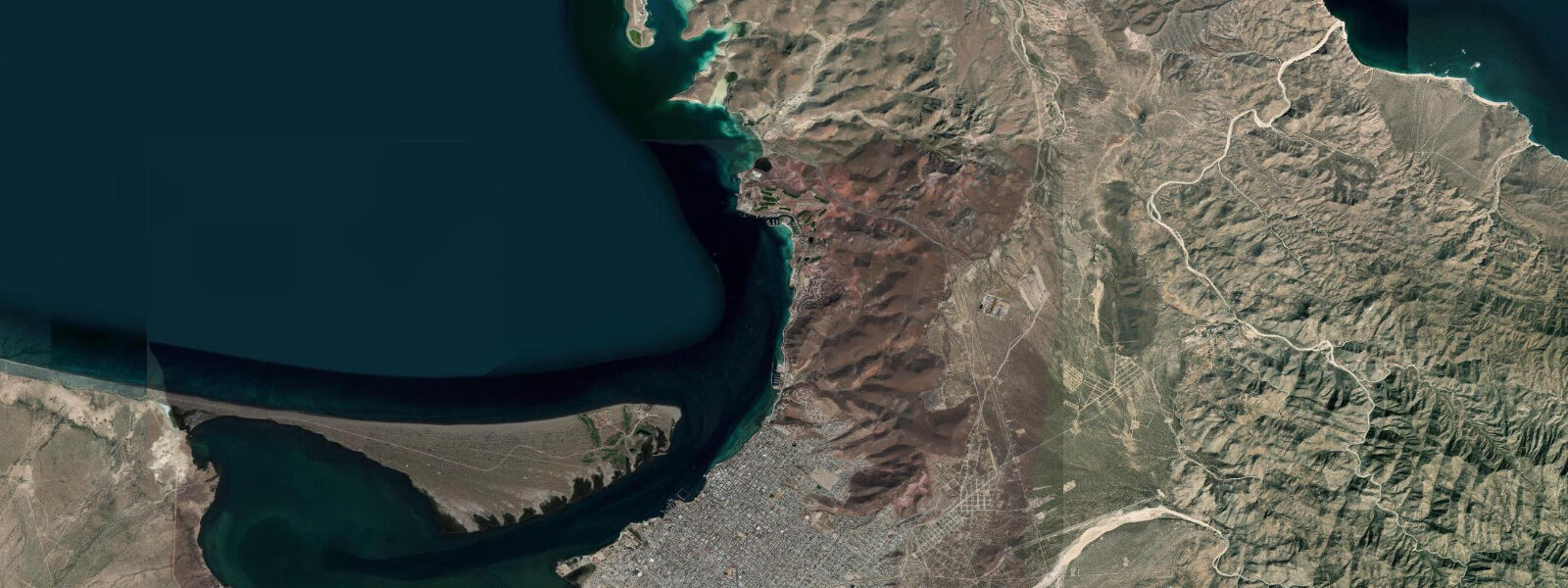
Loreto is on the Sea of Cortez coast of Baja California Sur, backed by the Sierra de la Giganta and facing the Loreto Bay National Marine Park — an archipelago of five islands (Carmen, Danzante, Monserrat, Santa Catalina, and Coronados) that protect a section of the 'world's aquarium' as Jacques Cousteau named it. Tidal pattern is mixed semidiurnal with a mean spring range of about 0.6 to 1.0 metres in the central Sea of Cortez. The tidal range increases dramatically toward the northern end of the Cortez (reaching 6+ metres at the Colorado River mouth), but at Loreto's latitude it remains moderate.
The Loreto Bay National Marine Park covers 2065 km² and prohibits commercial fishing within its boundaries. The results are visible in the fish density — the reefs and kelp zones around the five islands hold some of the highest concentrations of large grouper, snapper, and roosterfish in Mexican waters. Sport fishing from Loreto targets dorado (mahi-mahi) in summer, yellowtail in winter, and roosterfish from shore and panga year-round. The daily panga (small motorboat) fishing trips departing from the Loreto waterfront are a direct-access route to productive fishing within 20 minutes of the dock.
Kayaking in the Loreto Bay archipelago is one of the premier multi-day paddling trips in North America. The standard route launches from the beach at Loreto, paddles to Coronados Island (5 km), then proceeds south through the passage between Carmen and Danzante islands, camping on beaches accessible only by sea. The Sea of Cortez is calm in the morning; afternoon winds (cohuanas from the south or winds from the north) build 15 to 20 knots by 2 p.m. — plan morning crossings, camp by noon.
Whale watching near Loreto focuses on blue whales in winter (December through March), when the largest animals on earth feed in the deep-water zones south of the archipelago. Blue whale sightings near Loreto are reliable from December through March; the animals are visible from panga tours from the waterfront. Finback whales are also common in winter; dolphins (bottlenose, common) are year-round residents.
Snorkelling on the reefs around Coronados and Carmen islands produces encounters with leopard grouper, Moorish idols, sergeant major damselfish, and sea lions (California sea lion colonies on several islands). Water temperature ranges from 18°C in winter to 29°C in August.
Predictions on this page come from Open-Meteo Marine, a gridded global ocean model. Accuracy is typically within plus or minus 45 minutes on timing and 0.2 to 0.3 metres on height — model-derived, not from a local gauge. For Mexican tide data, consult the SEMAR (Secretaría de Marina) tide service at digmer.semar.gob.mx.
Tide questions about Loreto
Quick answers to the most common questions about tide times, range, and water access at Loreto.
What is the tidal range at Loreto?
Mean spring tidal range at Loreto in the central Sea of Cortez is approximately 0.6 to 1.0 metres — moderate compared to the northern Cortez (which reaches 6+ metres near the Colorado River delta). The mixed semidiurnal pattern means the two daily highs and lows are often unequal in height. Tidal current between the Loreto Bay islands can run 1 to 1.5 knots on spring tides in the narrower passages.
Is fishing in the Loreto Bay National Marine Park permitted?
Commercial fishing is prohibited within the marine park boundaries; recreational fishing (sport fishing) with a valid Mexican fishing licence is permitted. Daily catch limits apply per species. Panga fishing trips from Loreto waterfront operate within the park; guides are licensed and can advise on current regulations. Spearfishing is prohibited in the marine park. The no-take commercial zone is what has allowed the fish populations to recover to the densities visible today.
Can I kayak from Loreto to the islands?
Yes — Coronados Island is 5 km from Loreto beach, a one-way paddle of about 1.5 to 2 hours in calm morning conditions. The full archipelago multi-day route visits Carmen, Danzante, Monserrat, and Coronados islands, camping on beaches accessible only by sea. Plan all crossings for the morning before the afternoon wind builds. Rental kayaks and guided trips are available from several outfitters in Loreto; the guided multi-day trip is recommended for first-timers due to the exposed crossings and limited fresh water on the islands.
When can I see blue whales near Loreto?
Blue whales are present in the deep water zones south of the Loreto archipelago from December through March. They feed on krill in the cold, productive winter water of the southern Sea of Cortez. Panga whale watching tours from Loreto have reliable sightings in January and February. Blue whales are the largest animals on earth; even a surface blow visible at 500 metres is an extraordinary experience. Finback whales and humpback whales are also commonly encountered in winter.
What is the best time to visit Loreto?
October through May is the sweet spot — comfortable temperatures (18 to 28°C), calm morning sea conditions, and active wildlife. June through September is very hot (35 to 40°C) with high humidity and the risk of tropical storms (chubascos). December through March is peak whale season and excellent for kayaking. March through May is the transition: warm and calm but before the summer heat. Avoid July and August for paddling — afternoon heat plus strong winds makes conditions demanding.
8-day tide table — Loreto
Heights relative to MSL. Predictions: Open-Meteo Marine (MeteoFrance SMOC, 0.08° grid) — heights relative to MSL (not chart datum / LAT). Model-derived.
| Day | Type | Time | Height |
|---|---|---|---|
| Sun 02 Aug | — | ||
| Mon 03 Aug | Low | 04:04 | 0.1m |
| High | 11:15 | 0.7m | |
| Tue 04 Aug | Low | 03:54 | 0.2m |
| High | 11:40 | 0.8m | |
| Wed 05 Aug | Low | 03:00 | 0.2m |
| Thu 06 Aug | High | 12:42 | 0.8m |
| Fri 07 Aug | Low | 00:00 | -0.0m |
| Sat 08 Aug | High | 15:00 | 0.9m |
| Sun 09 Aug | Low | 01:07 | -0.3m |
| High | 16:00 | 0.9m | |