Sainte-Anne tide times
Sainte-Anne tide forecast — heights relative to MSL.
Today's tide times for Sainte-Anne
Tide times at Sainte-Anne on Tuesday, 4 August 2026: first low tide at 12:10pm, first high tide at 06:50pm. Sunrise 05:47am, sunset 06:31pm.
Tide chart for Sainte-Anne
24-hour cosine-interpolated curve around the present moment. Heights relative to MSL. Predictions: Predictions: Open-Meteo Marine (MeteoFrance SMOC, 0.08° grid).
Sun, moon and conditions on Tue 04 Aug
Snapshot at build time — refreshes daily. Sea state from Open-Meteo Marine.
Highs and lows next 7 days
Every predicted high and low for the next week, with the daily tidal coefficient (0–120; higher = bigger swing, > 95 means stronger currents).
Other spots nearby
The three closest curated TideTurtle locations to Sainte-Anne, measured by great-circle distance.
Today's solunar windows
Solunar tradition: major periods are the ≈3h windows around moon transit and opposition; minor are ≈2h around moonrise and moonset. Pair with the local tide stage and wind for the best read.
About tides at Sainte-Anne
A short guide to the coastline at Sainte-Anne — geography, sea state, and what the tide is actually doing under your feet.
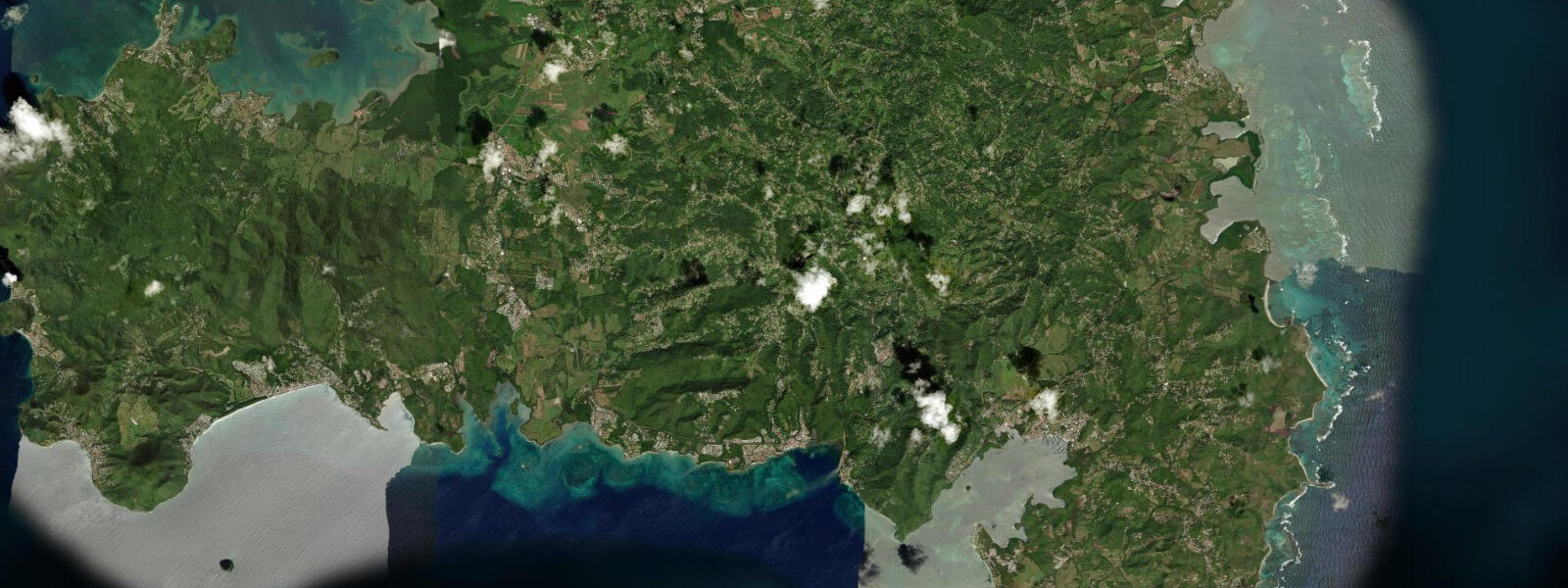
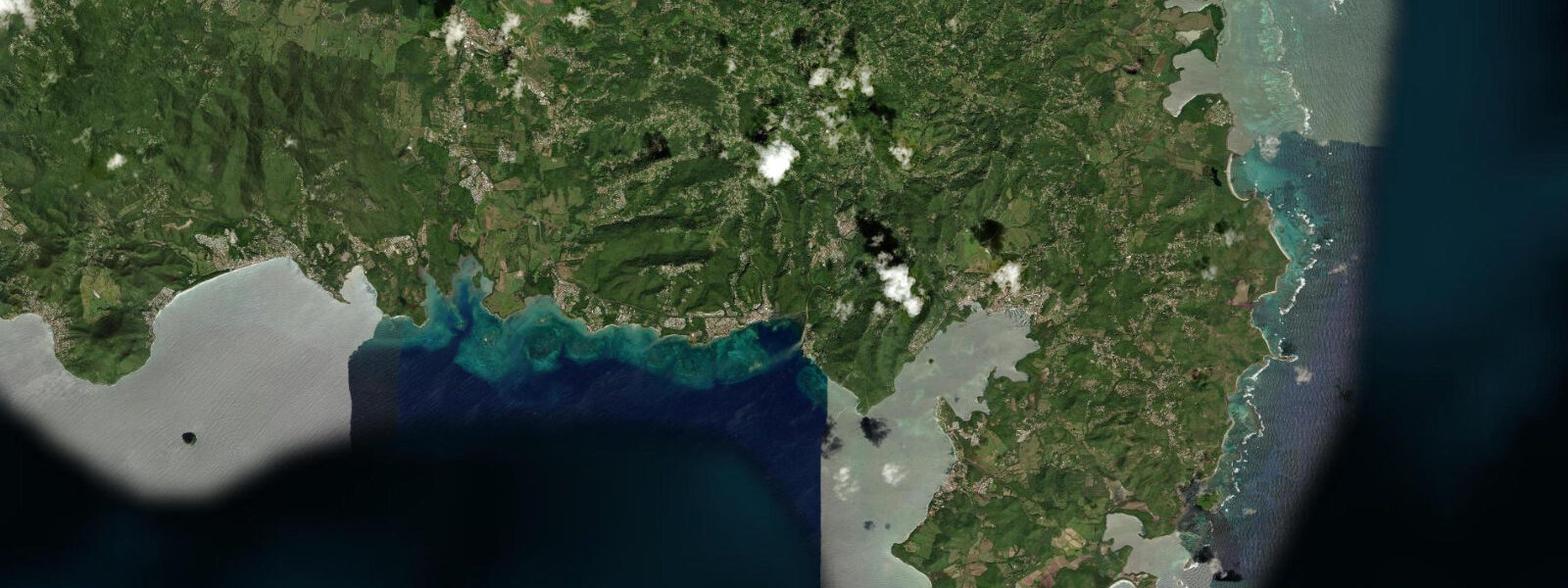
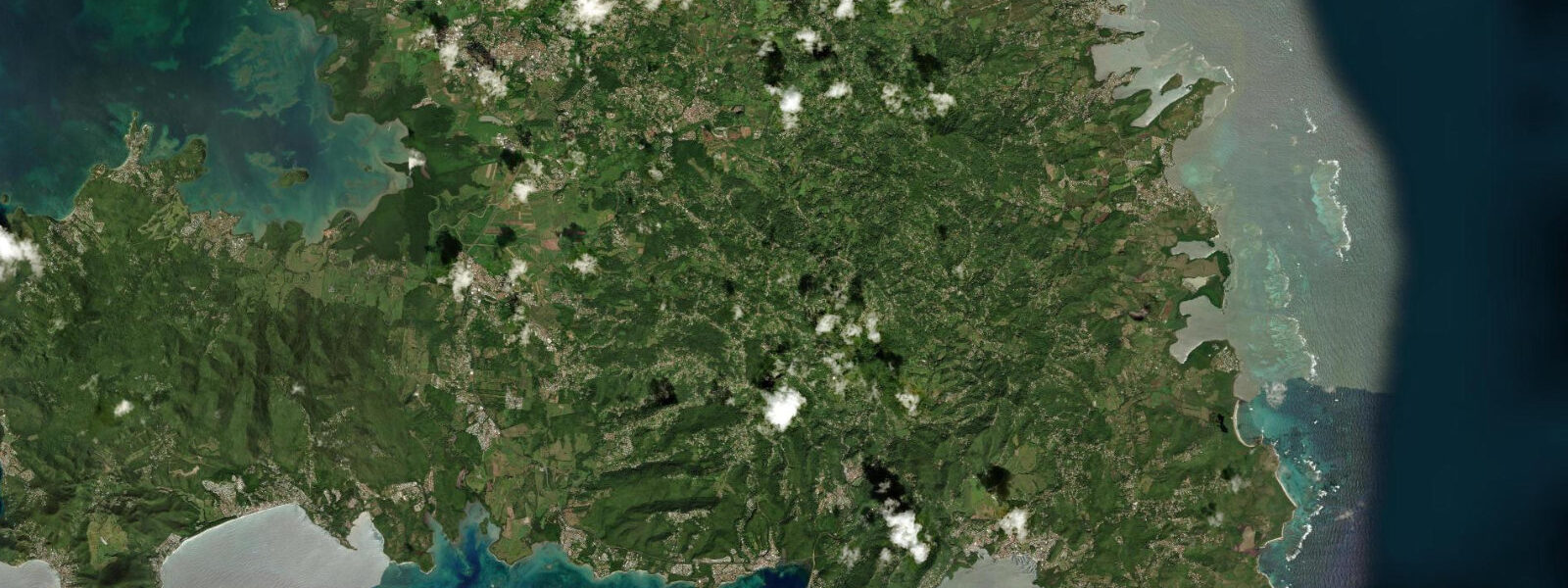
Sainte-Anne sits on the southeast coast of Martinique, between Le Marin to the northeast and Les Salines to the southwest. The village fronts a calm bay facing S-SE; the reef fringe outside the bay diffuses the Atlantic trade-wind swell before it reaches the beach, giving the town beach (Plage de Sainte-Anne) consistently calm water even when the windward coast on the other side of Martinique is rough. The village has the compact infrastructure of a southern Martinique resort town: a waterfront with restaurants, a covered market, boat-rental outlets, and the departure point for water taxis to the offshore islets.
Three small islets sit 2–5 km offshore from Sainte-Anne: Îlet Rodrigue, Îlet Hardy, and Îlet Poirier. All three are uninhabited sand cays with fringing coral reef and clear water. They are accessible by water taxi from the Sainte-Anne waterfront — 15–25 minutes by motorised water taxi depending on destination and sea state. The islets have no permanent facilities; there is sand, reef, and the boat you arrived on. Snorkelling around the fringing reef of Îlet Rodrigue is productive: brain coral heads, sea fans, parrotfish, snapper, and occasional turtle. The reef flat at the islets is shallow and partially exposed on low spring tides; snorkelling is best on the incoming or high tide when the water column above the reef is deepest and clearest.
The tidal range at Sainte-Anne is 0.3–0.4 m at springs. The village beach profile is gentle enough that the 0.3 m variation is noticeable: at low spring tide the beach widens by roughly 15 m, exposing a firm sand strip that is excellent for walking. At high water, the beach contracts but the swimming depth is greater right at the shore. Children and non-swimmers prefer low-to-incoming water when the very shallow near-shore zone is most accessible. Families with children should note that the bottom is sandy and clean throughout the tidal cycle.
Shore fishing from the rocks at Pointe Gros Ilets, the headland south of the main village beach, targets reef species using the same tactic as at Le Marin: incoming tide, bottom bait, with snapper and jack the primary targets. The headland has wave-worn rock ledges that give reasonable casting depth without a boat. The ferry pier at the north end of the village waterfront is another productive shore fishing location early morning before water taxi traffic begins.
The coral gardens around the offshore islets are Sainte-Anne's primary draw for snorkellers and recreational divers. Water clarity in this part of the southern Martinique shelf is typically 10–20 m in the dry season; the reef depth around the islets runs from 1 m on the flat to 15–20 m on the drop-off. A dive operator in Sainte-Anne runs guided reef dives to the islet sites and to the reef patches between the village and Le Marin. The dives are not wreck dives and do not carry the historical weight of the Saint-Pierre sites, but the reef condition is generally better — less boat-anchor damage and fewer vessels than in the busier Saint-Pierre bay.
The dry-season trade wind out of the ENE builds through the morning and creates consistent wind-on-the-water conditions in the bay by early afternoon. Windsurfers and kitesurfers use the bay; the Sainte-Anne waterfront has equipment rental for beginners and the conditions suit intermediate-level windsurfers in the 10–18 knot range. The reef fringe keeps the wave height manageable even when the wind is on the upper end.
For beach photographers, the view from Sainte-Anne beach looking south toward the offshore islets has the islet silhouettes on the horizon with the reef-filtered water between. Late afternoon light from the WSW illuminates the beach and gives warm tones on the palm canopy; Diamond Rock, visible to the SSW, is catchable in the frame on a wide-angle lens from the southern end of the beach.
Tide data for Sainte-Anne comes from the Open-Meteo Marine API, a gridded global ocean model. Timing accuracy is ±45 minutes, height accuracy ±0.2–0.3 m. SHOM harmonic predictions for southern Martinique reference Le Robert.
Tide questions about Sainte-Anne
Quick answers to the most common questions about tide times, range, and water access at Sainte-Anne.
How do I get to the offshore islets from Sainte-Anne?
Water taxis to Îlet Rodrigue, Îlet Hardy, and Îlet Poirier depart from the Sainte-Anne waterfront. The boats are small motorised vessels carrying 8–15 passengers; departure frequency depends on demand and is highest on weekend mornings and French public holidays. Rodrigue is the most visited — 15 minutes from the village pier. Hardy and Poirier are slightly farther and less frequented. Fares are a few euros each way; return times are agreed with the boatman or a standard schedule is posted at the pier. The crossing is calm in standard trade-wind conditions; in conditions above 20 knots with swell above 1.0 m, operators cancel or reduce service. Private boat rental from waterfront operators is available for groups wanting more flexibility on timing and islet selection.
What is the best tide for snorkelling around the offshore islets?
The reef flats surrounding the Sainte-Anne islets are shallow — as little as 0.5–1.0 m on the shallowest sections of the reef top. At low spring tide the reef crest can be almost exposed, making snorkelling over it difficult and potentially damaging to the coral. The best snorkelling window is the last two hours of the incoming tide through to one hour past high water — the maximum depth over the reef gives the most clearance and reduces the risk of contact with the coral surface. Incoming tide also tends to bring clearer water onto the reef from the open Caribbean side; outgoing tide can carry sediment from the inner bay. On the drop-off side of the reef (the seaward face dropping to 15–20 m), tidal state is less critical.
Is the Sainte-Anne town beach safe for children at all tide states?
Sainte-Anne's town beach has a sandy, gently-sloping bottom with no drop-offs or rock hazards in the main swimming area. At low spring tide the near-shore zone is very shallow — 0.3–0.5 m within 10 m of the water line — which is ideal for young children who want the water without significant depth. At high water the beach contracts slightly but the depth immediately at the shore increases to 0.6–0.8 m, still manageable for supervised children. The bay is reef-protected from significant swell; conditions are calm by Caribbean standards on most days. The only caution is the afternoon trade wind, which increases surface chop and can make the water feel rougher from 14:00 onward. Morning visits (before 12:00) give the calmest conditions for family swimming.
Can I snorkel or dive directly from Sainte-Anne beach?
Direct entry from Sainte-Anne town beach reaches a sandy bottom with scattered patch reef. The snorkelling directly off the beach is modest — sea grass, small reef fish, the occasional turtle passing through — but not the concentrated reef experience of the offshore islets. A 5-minute swim out from the beach reaches the edge of the reef patches where fish density and coral cover increase. Entry and exit from the sandy beach is straightforward. A dive operator in the village runs guided reef dives from a boat to the higher-quality sites around the islets and toward Le Marin. If visiting without a guide, the islet water taxi gives access to Rodrigue's fringing reef — the best snorkelling in the immediate Sainte-Anne area — without needing to swim any distance from a difficult entry point.
What is the windsurfing and kitesurfing setup at Sainte-Anne?
Sainte-Anne bay receives the eastern trade wind at an angle from the ENE, giving a cross-onshore to cross-offshore wind direction at the beach. The trade wind builds from around 11:00 and peaks at 12–20 knots from 13:00 to 17:00 most days in the dry season (December–May). The reef fringe outside the bay keeps the wave height small — typically 0.2–0.5 m even in 18 knots of breeze — making the bay suitable for learning and intermediate windsurfing and kitesurfing. Equipment rental is available on the waterfront. The tidal range is too small to affect the sailing window significantly. Rainy season (July–November) wind is lighter and more variable; the activity is less consistent but not unavailable. Experienced kiters sometimes prefer the windward Atlantic coast of Martinique for stronger and steadier conditions, but the Sainte-Anne bay is the most accessible and safest training ground on the island.
7-day tide table — Sainte-Anne
Heights relative to MSL. Predictions: Open-Meteo Marine (MeteoFrance SMOC, 0.08° grid) — heights relative to MSL (not chart datum / LAT). Model-derived.
| Day | Type | Time | Height |
|---|---|---|---|
| Tue 04 Aug | Low | 12:10 | 0.1m |
| High | 18:50 | 0.4m | |
| Wed 05 Aug | — | ||
| Thu 06 Aug | Low | 03:10 | 0.0m |
| High | 20:10 | 0.4m | |
| Fri 07 Aug | — | ||
| Sat 08 Aug | — | ||
| Sun 09 Aug | Low | 07:00 | -0.1m |
| High | 23:45 | 0.4m | |
| Mon 10 Aug | Low | 07:54 | -0.1m |
| High | 15:10 | 0.3m | |