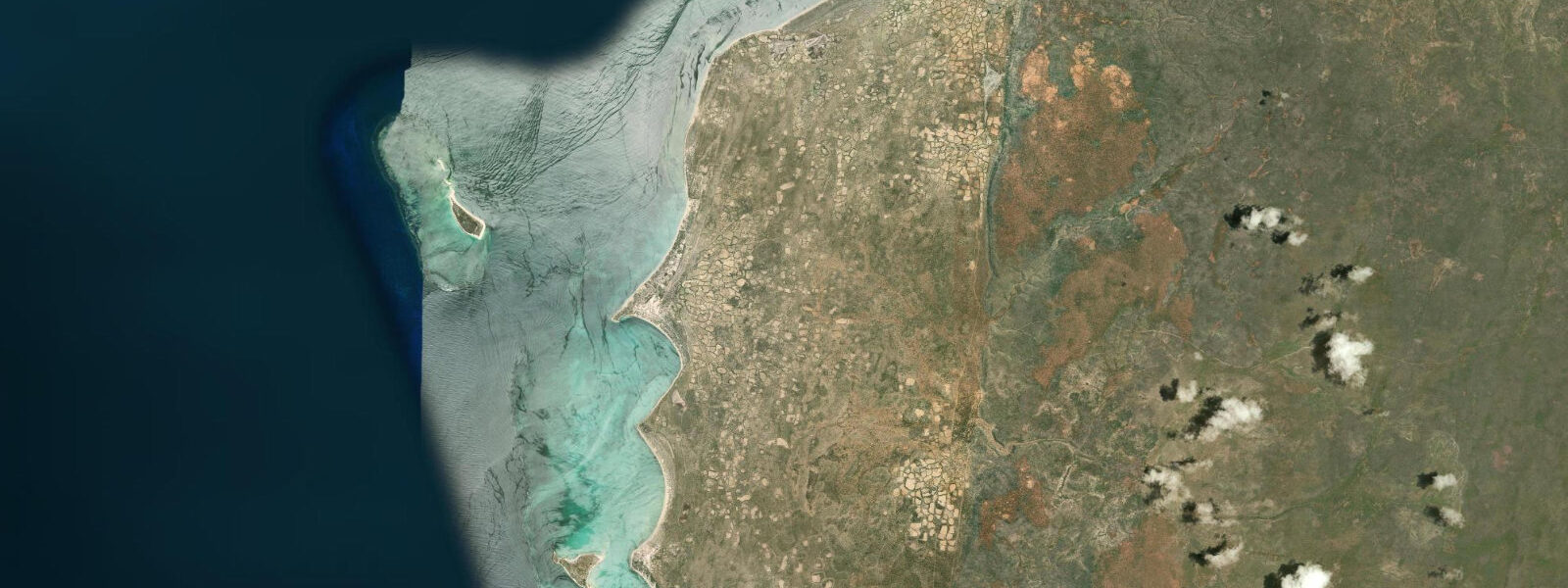
Anakao, Madagascar tide times
Anakao, Madagascar tide forecast — heights relative to MSL.
Today's tide times for Anakao, Madagascar
Tide times at Anakao, Madagascar on Monday, 3 August 2026: first low tide at 03:00am, first high tide at 07:17am, second low tide at 01:23pm, second high tide at 07:34pm. Sunrise 06:40am, sunset 05:43pm.
Tide chart for Anakao, Madagascar
24-hour cosine-interpolated curve around the present moment. Heights relative to MSL. Predictions: Predictions: Open-Meteo Marine (MeteoFrance SMOC, 0.08° grid).
Sun, moon and conditions on Mon 03 Aug
Snapshot at build time — refreshes daily. Sea state from Open-Meteo Marine.
Highs and lows next 7 days
Every predicted high and low for the next week, with the daily tidal coefficient (0–120; higher = bigger swing, > 95 means stronger currents).
Other spots nearby
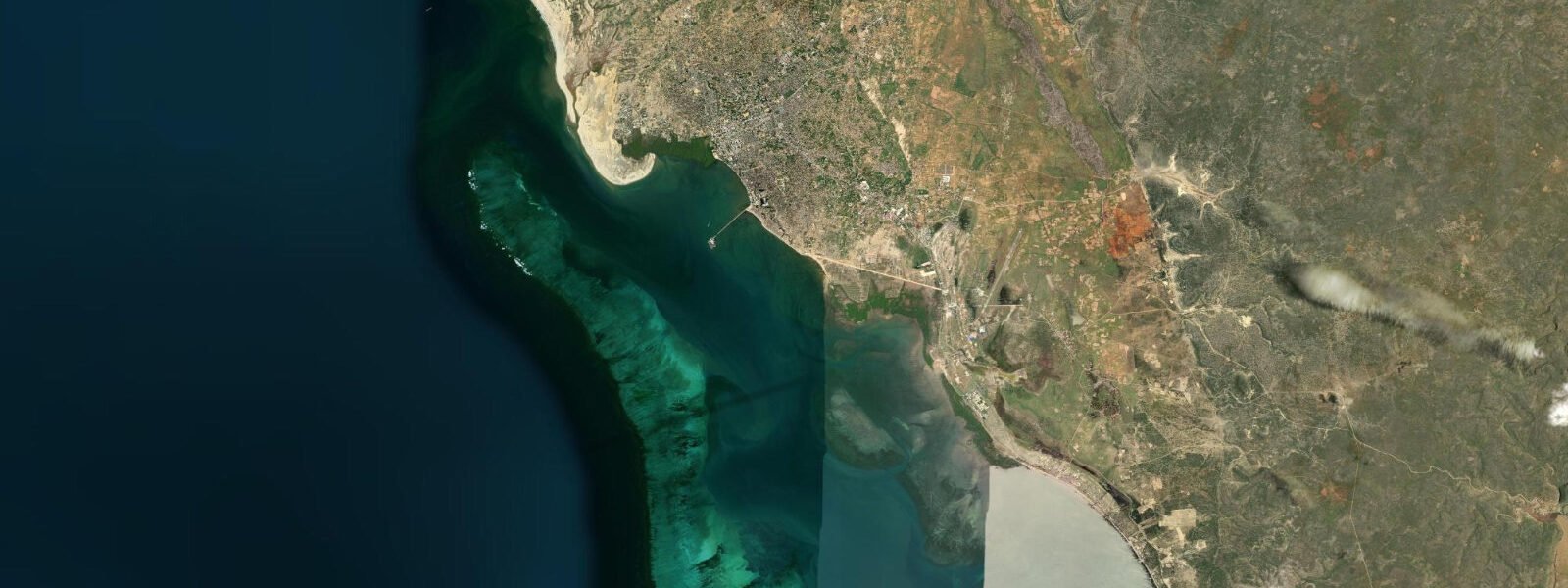
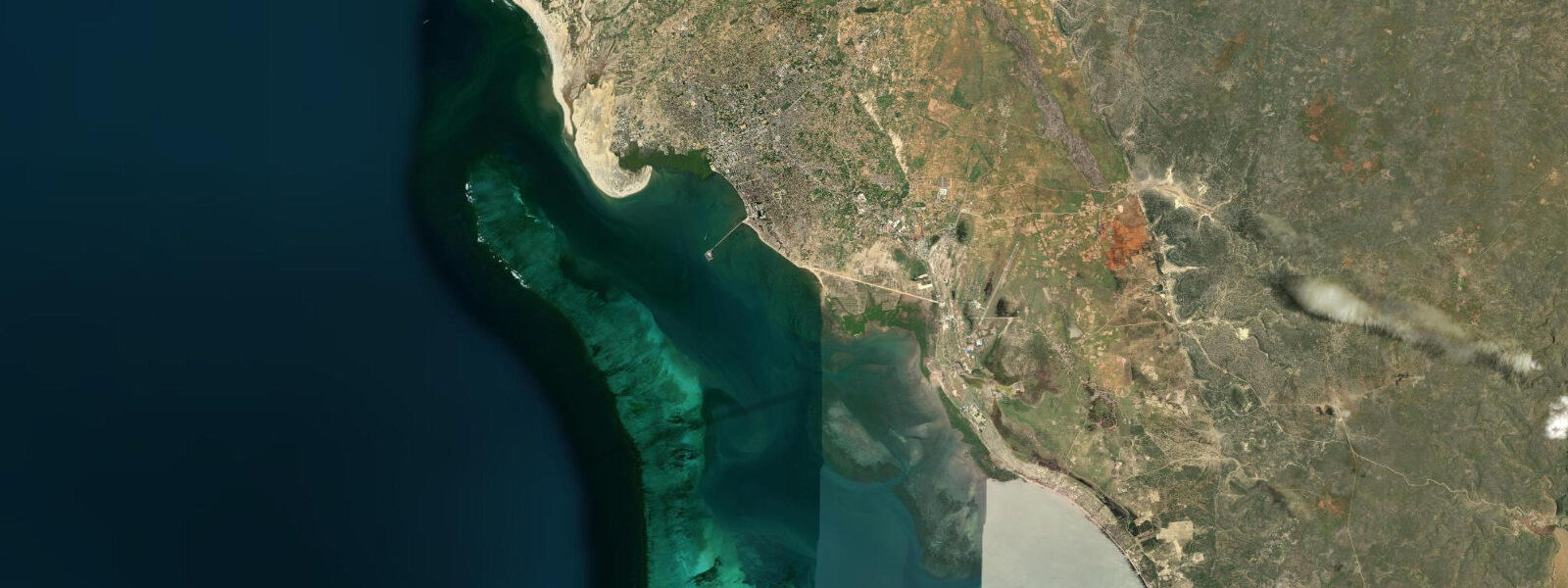
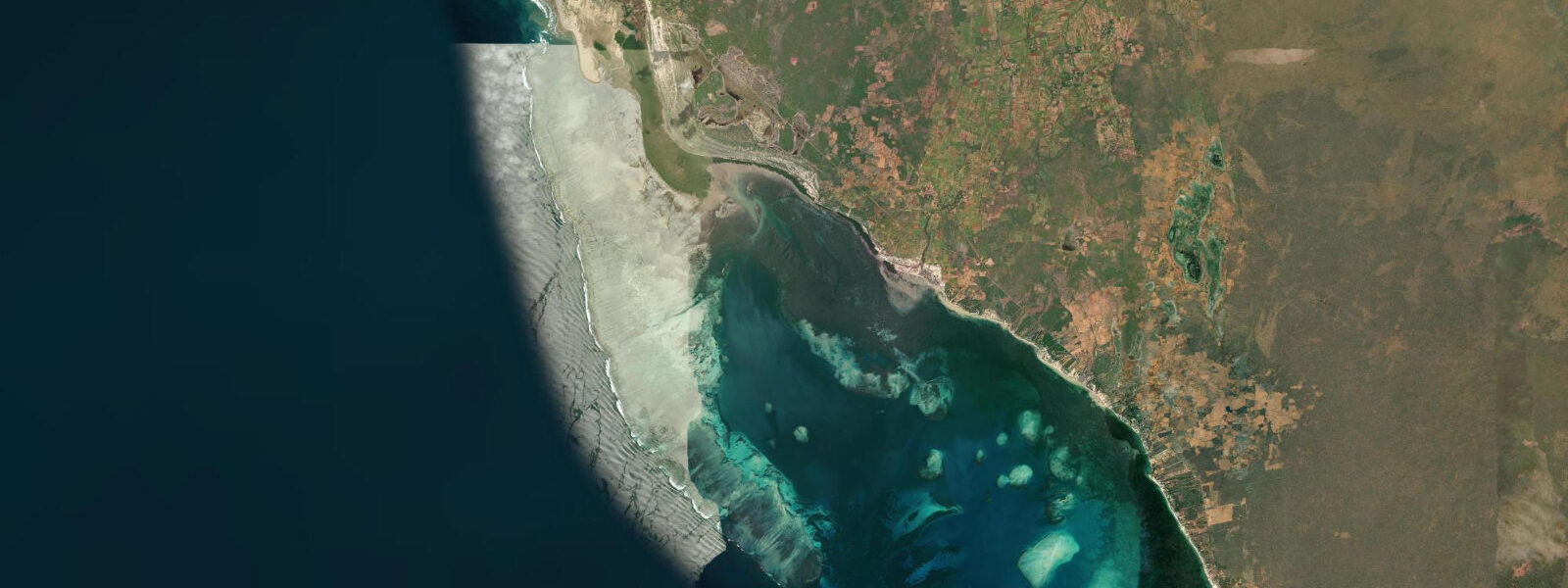
The three closest curated TideTurtle locations to Anakao, Madagascar, measured by great-circle distance.
Today's solunar windows
Solunar tradition: major periods are the ≈3h windows around moon transit and opposition; minor are ≈2h around moonrise and moonset. Pair with the local tide stage and wind for the best read.
Cycle dates near Anakao, Madagascar
Last spring tide on Mon 03 Aug (range 2.2m). Next neap on Sat 08 Aug.
Spring tides cluster around new and full moons (biggest swings). Neap tides land on quarter moons (smallest swings). See the spring tide and neap tide glossary entries for the why.
About tides at Anakao, Madagascar
A short guide to the coastline at Anakao, Madagascar — geography, sea state, and what the tide is actually doing under your feet.
Anakao is a Vezo village on Madagascar's southwest coast, 50 km south of Toliara and close to the Tropic of Capricorn. It sits on a white sand beach backed by the Mozambique Channel, fronted by a fringing reef that belongs to the extended southern section of the Grand Récif de Toliara — one of the most biodiverse shallow reef systems in Madagascar. The place is reached by pirogue from Toliara (1.5–2.5 hours depending on wind and tidal stage) or by road and river crossing in the dry season. There is no sealed road link; the sea route is the default.
The tidal regime is Indian Ocean mixed semidiurnal — two highs and two lows per day — with mean spring range running 2.0–3.5 m. Higher high waters reach around 3.0 m above chart datum; lower lows drop the lagoon to a shallow flat. The transformation is visible from the beach: at high water, the lagoon against the beach is a calm swimming zone, typically 1.5–2.5 m deep across a 200–400 m width, with warm, clear water over a sandy bottom. Two hours after high, the water is retreating across the reef flat and what was swimming depth is now knee-deep. At low spring water, the reef flat is walkable for 300–500 m from the beach edge. That scale — the reef going dry while the tide is out — is one of the first things that orients visitors to how much range 3 m actually represents.
The tidal pools that form in the reef depressions at low water are Anakao's most accessible natural exhibit. Starfish hold in the pools — black, multi-armed, from 10 cm to 30 cm diameter. Sea urchins cluster in any shaded crevice. Small reef fish — damsels, wrasses, a juvenile pufferfish — are stranded in the larger pools until the tide returns. Octopus use the reef flat too, hunting on the ebb when low light and shallow water work in their favour; dawn low tides are the best time to catch them active on the flat. Looking for octopus ink trails on the limestone substrate gives away hunting activity.
Nosy Ve Island sits 2 km offshore from Anakao beach, in water 4–6 m deep at the approach from the village. The island is a protected seabird nesting site: Red-tailed Tropicbirds, Phaethon rubricauda, maintain a colony here, and the birds are visible from the beach at Anakao as white flashes against the sky — long red tail streamers visible through binoculars. Pirogue access to Nosy Ve is possible at all tidal stages because the approach crosses the reef passage in water deep enough to float a pirogue at any point in the tidal cycle. The crossing takes 20–30 minutes in a Vezo lakana. On the island, the birds nest in the low scrub vegetation above the beach; close approach disturbs them, and any visit should stay on the beach fringe. The surrounding water at Nosy Ve is excellent for snorkelling — the reef drop-off from the island produces a wall that hosts diverse coral and large reef fish.
Humpback whales, Megaptera novaeangliae, move into the Mozambique Channel from June through October — the austral winter months when the subtropical South Indian Ocean is their preferred breeding and calving ground. Sightings from the reef passage outside the fringing reef at Anakao are direct ocean encounters: no enclosed bay geometry channels the whales in, but the consistent southbound migration path runs within a few kilometres of the coast. The primary whale watching season from Anakao is June–September. Pirogue-based whale watching — travelling out through the reef passage on an outgoing tide to reach open water — is the local approach. The tidal state matters for the reef passage exit: outgoing tidal flow increases current through the channel and can push a pirogue sideways in a narrow gap. Local Vezo operators know which passage to use at each stage of the tide; first-timers should not attempt the passage alone.
The Vezo community at Anakao is the social fabric of the place. Fishing is the primary livelihood — hand lines, cast nets, the occasional gill net set across a tidal channel. Fish are dried on the beach above the high-water line, spread on palm-frond racks. The pirogue fleet is drawn up on the beach each evening and the day's catch sorted in the last hour of light. Photographically, the fleet at dusk — outriggers in silhouette, the sky over the Mozambique Channel running orange to purple — is the shot that Anakao produces that nowhere else in Madagascar quite matches. The Vezo women who sell smoked fish and fresh crab at the beach stalls are the other commercial face of the village; the crab (Scylla serrata, mud crab) is worth noting — caught in the mangrove margins 8–10 km along the coast and brought to Anakao by canoe.
For families, the high-water lagoon is the practical swim zone — calm, warm, clear, shallow enough for non-swimmers to stand in most of it. The low-tide reef flat adds a different activity: organised reef walking with a guide who can point out the tidal pool residents. The full spring low, when the flat goes dry for 300–500 m, gives a visceral sense of the Indian Ocean's tidal engine in a way that a beach at high water simply does not.
Tide data for Anakao, Madagascar comes from the Open-Meteo Marine API, a gridded model product. Timing accuracy is ±45 minutes, height accuracy ±0.3 m — usable for trip planning, not for navigation.
Tide questions about Anakao, Madagascar
Quick answers to the most common questions about tide times, range, and water access at Anakao, Madagascar.
When can I walk the reef flat at Anakao, and how far does it expose at low spring tide?
At low spring water — when the tidal range on this coast reaches its maximum of 2.0–3.5 m — the reef flat at Anakao is walkable for 300–500 m from the beach edge. Tidal pools in the reef hold starfish, sea urchins, small reef fish, and occasionally octopus. The window to walk the flat is approximately 90 minutes either side of the predicted low tide. Reef shoes are essential: the limestone substrate is sharp, sea urchins fill depressions, and the surface is uneven. The best reef flat low tides for wildlife occur at dawn in the cooler austral winter months (May–October), when octopus are actively hunting. Check the Open-Meteo tide times for Anakao the day before — the predicted low, plus or minus 45 minutes, gives your walk window.
How do I get to Nosy Ve Island from Anakao, and does the tide affect the crossing?
Nosy Ve Island is 2 km offshore from Anakao beach, in 4–6 m water throughout the approach. Vezo pirogue operators on the beach make the crossing in 20–30 minutes. The island is accessible at all tidal stages because the approach crosses the reef passage in water deep enough for a pirogue at any state of the tide — this is not a tidal-flat crossing that requires specific timing. However, the outgoing tidal current through the narrow reef channel can be strong and pushes the boat laterally. Local Vezo operators navigate this instinctively and choose the right passage for conditions. Arrange the trip through your accommodation or directly with beach-based pirogue operators; first-timers should not attempt the passage independently.
What months are best for whale watching from Anakao, and what should I expect?
Humpback whales are present in the Mozambique Channel from June through October, with the core whale watching season from Anakao running June to September. The migration path runs within a few kilometres of the southwest Malagasy coast, and sightings from the reef passage outside the fringing reef are direct ocean encounters. Trips are pirogue-based, travelling through the reef passage on an outgoing tide to reach open water. Sightings are not guaranteed — this is open-ocean whale watching without bay geography to concentrate animals. The Mozambique Channel population passes through on its northbound breeding migration; calves are more frequently seen in August and September. If whale watching is the primary purpose of your visit, June–August offers the best probability.
Is the lagoon at Anakao safe for swimming at all tidal stages?
At high water the Anakao lagoon is the recommended swim zone: 1.5–2.5 m deep over a sandy bottom, calm, clear, and warm at 26–28°C in the austral summer (December–April) and around 22–24°C in winter. The fringing reef buffers swell from the open Mozambique Channel. As the tide drops, depth decreases and the lagoon transitions from a swim zone to a reef-walking zone. At low spring water it is too shallow and reef-covered to swim comfortably. The practical approach is to swim in the two hours either side of high water and switch to reef flat exploration around the low. There is no significant current within the lagoon itself; the stronger tidal current runs through the reef passage, which is not a swimming zone.
What is the best time of day to photograph the Vezo pirogue fleet at Anakao?
Late afternoon is the primary window. The pirogue fleet returns from fishing in the last two hours of daylight, timed to coincide with the afternoon sea breeze dying down and the incoming tide making the reef passage easier to navigate. The boats are drawn up on the beach in the last hour of light and the day's catch is sorted and sold at the beach stalls. The Mozambique Channel sky at dusk runs from orange to purple with the western horizon clear of land; the outrigger silhouettes against that sky are the standard Anakao shot. Dawn low tides offer a different opportunity: the reef flat at first light, octopus active in tidal pools, birds hunting the exposed flat — less photographed than the sunset fleet, and more interesting for wildlife.
8-day tide table — Anakao, Madagascar
Heights relative to MSL. Predictions: Open-Meteo Marine (MeteoFrance SMOC, 0.08° grid) — heights relative to MSL (not chart datum / LAT). Model-derived.
| Day | Type | Time | Height |
|---|---|---|---|
| Mon 03 Aug | Low | 03:00 | -0.3m |
| High | 07:17 | 1.5m | |
| Low | 13:23 | -0.7m | |
| High | 19:34 | 1.6m | |
| Tue 04 Aug | Low | 01:46 | -0.6m |
| High | 07:50 | 1.4m | |
| Low | 13:55 | -0.6m | |
| High | 20:05 | 1.4m | |
| Wed 05 Aug | Low | 02:19 | -0.5m |
| High | 08:24 | 1.2m | |
| Thu 06 Aug | Low | 02:56 | -0.4m |
| High | 09:10 | 1.0m | |
| Low | 15:17 | -0.2m | |
| Fri 07 Aug | High | 10:13 | 0.8m |
| Sat 08 Aug | Low | 05:23 | -0.0m |
| High | 12:21 | 0.7m | |
| Low | 18:55 | 0.1m | |
| Sun 09 Aug | High | 01:15 | 0.7m |
| Low | 20:48 | -0.2m | |
| Mon 10 Aug | High | 02:00 | 0.8m |