
Qaruh Island tide times
Qaruh Island tide forecast — heights relative to MSL.
Today's tide times for Qaruh Island
Tide times at Qaruh Island on Tuesday, 4 August 2026: first high tide at 03:00am, first low tide at 08:24am, second high tide at 02:15pm, second low tide at 07:57pm. Sunrise 05:07am, sunset 06:34pm.
Tide chart for Qaruh Island
24-hour cosine-interpolated curve around the present moment. Heights relative to MSL. Predictions: Predictions: Open-Meteo Marine (MeteoFrance SMOC, 0.08° grid).
Sun, moon and conditions on Tue 04 Aug
Snapshot at build time — refreshes daily. Sea state from Open-Meteo Marine.
Highs and lows next 7 days
Every predicted high and low for the next week, with the daily tidal coefficient (0–120; higher = bigger swing, > 95 means stronger currents).
Other spots nearby
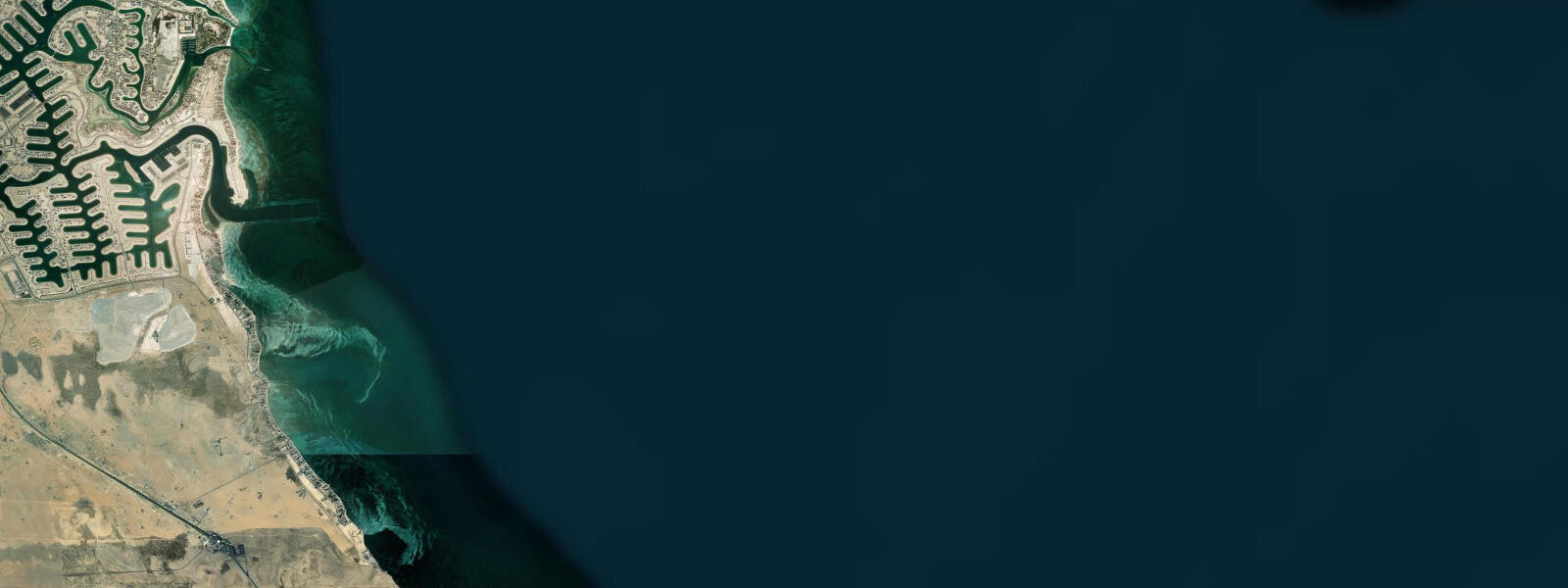
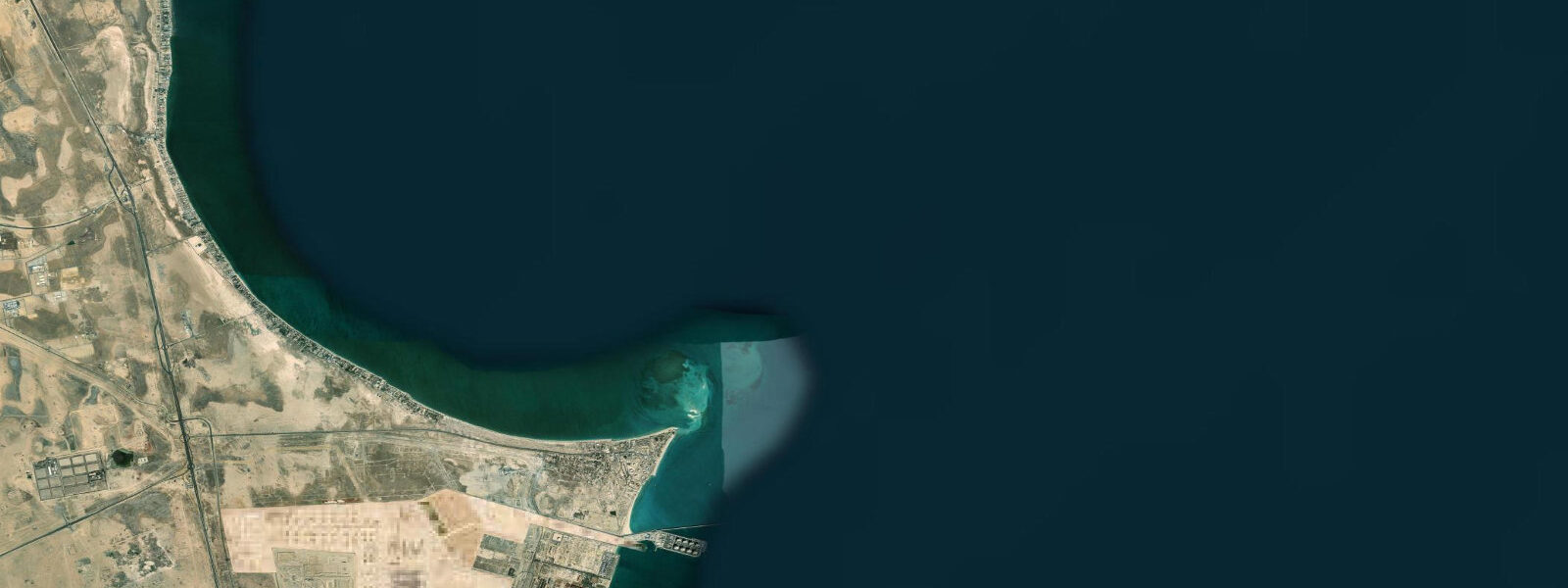
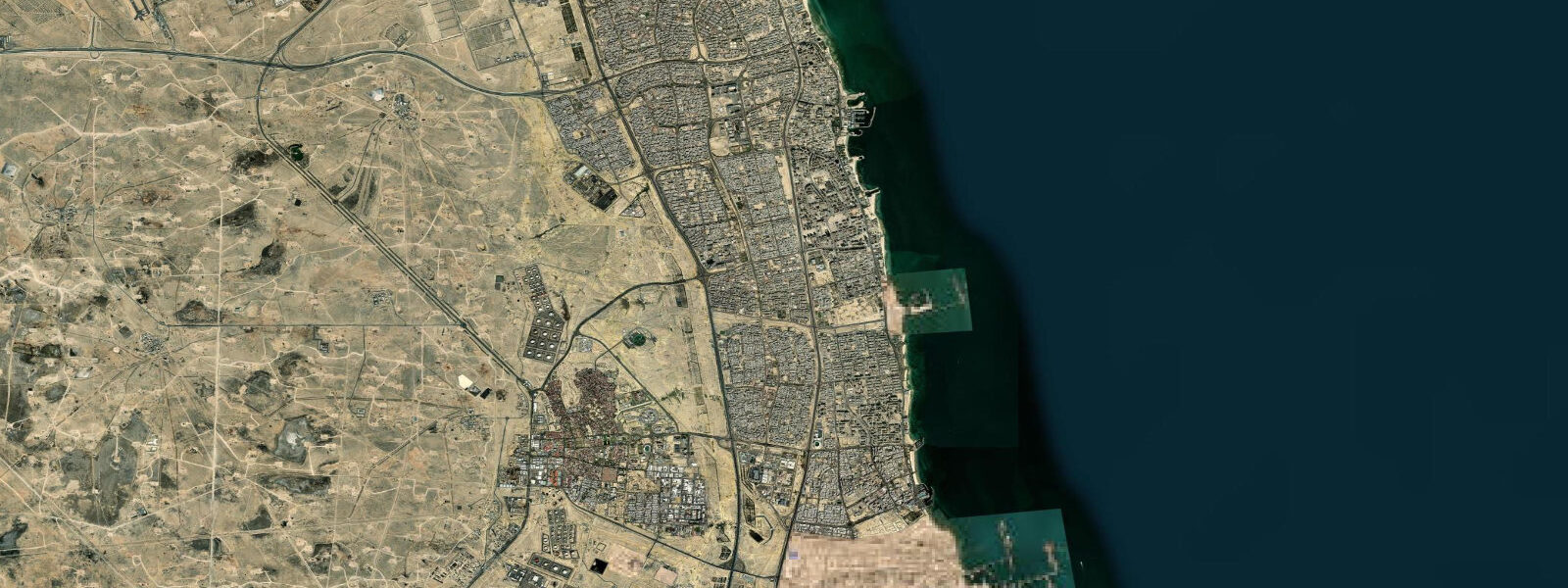
The three closest curated TideTurtle locations to Qaruh Island, measured by great-circle distance.
Today's solunar windows
Solunar tradition: major periods are the ≈3h windows around moon transit and opposition; minor are ≈2h around moonrise and moonset. Pair with the local tide stage and wind for the best read.
About tides at Qaruh Island
A short guide to the coastline at Qaruh Island — geography, sea state, and what the tide is actually doing under your feet.
Qaruh Island lies approximately 100 kilometres south of Kuwait City in the central Persian Gulf, a flat uninhabited coral island barely rising above sea level. The island is roughly 1 kilometre long and is one of Kuwait's southernmost territorial points. Historically, the island served as a temporary base for Kuwaiti pearl divers and fishermen working the Gulf banks; today it is an uninhabited nature reserve visited by day-tripping anglers and divers.
The flat coral island sits on a shallow bank that extends several kilometres around it — the same bank structure that gave it value to pearl divers in the era before synthetic pearls ended the Gulf's natural pearl trade. The surrounding waters at 2 to 15 metres depth have coral patches, sea grass beds, and the sandy inter-patch habitat that characterises the Kuwait shelf.
Tide data for Qaruh Island comes from Open-Meteo Marine's global model. Timing accuracy ±45 minutes, height accuracy ±0.2 to 0.3 metres. The Persian Gulf here exhibits mixed semidiurnal tides with significant diurnal inequality; spring range runs 1.5 to 2.5 metres. In the shallow Gulf, wind-driven surge is a major factor: the northwest shamal can add 0.5 to 1.0 metres of water-level anomaly. For small boats anchoring off Qaruh, the combination of shallow bank, spring ebb, and shamal surge is a navigational hazard — the bank can shoal suddenly at low water.
For divers, the coral patches around Qaruh are among the better shallow-water dive sites in Kuwait's southern waters. Coral diversity in the Gulf is lower than in the Red Sea or Indian Ocean due to the extreme temperature range (17 to 34°C annually), but the patches support substantial fish populations: grouper, sea bream, emperorfish, and the Arabian butterfly fish which is one of the few coral butterfly fish species adapted to Gulf temperature extremes. Turtle sightings — primarily hawksbill and green turtle — are reported around the island.
For anglers, the shallow bank around Qaruh concentrates queenfish, golden trevally, and emperors. The outgoing tide creates a current around the island that triggers feeding activity; the best fishing is in the two-hour window from mid to low tide on the current-facing side of the island. Shore fishing from the beach is possible but the island's flat coral structure means most fishing is done from anchored boats in 5 to 10 metres of water.
Access to Qaruh is by private charter boat from the Salmiya or Ras Al Julayah marinas in southern Kuwait. The crossing takes 3 to 4 hours each way from Kuwait City. Day trips are the standard format; overnight stays require permits from the Kuwait Environment Public Authority. The island has no facilities — carry all supplies, fuel, and shade structure. Summer heat (air temperatures 40 to 45°C from June to August) makes July and August visits inadvisable; October through April is the practical access season.
The pearl oyster (Pinctada radiata) is still present on the shallow bank around Qaruh, though natural pearl production is commercially negligible. The oysters persist as part of the reef and rocky-bottom community, providing substrate for other organisms and forming part of the filtration system for the shallow Gulf water. A small-scale research programme has assessed pearl oyster density on Kuwait's offshore banks; Qaruh is one of the sites where remnant populations have been recorded.
The water clarity around Qaruh is among the better in Kuwaiti waters, partly because of the distance from the Kuwait City coastline and the associated urban and industrial water quality effects. On calm days in October through April, horizontal visibility in the water column reaches 10 to 15 metres. In summer, elevated water temperatures (above 32°C in August) combined with higher phytoplankton activity reduce visibility to 5 to 8 metres. The brief window in autumn — October and November — after the summer biological peak subsides and before the winter shamal stirs the water column, tends to give the best diving visibility of the year.
Flamingo sightings have been recorded on the Qaruh flat in winter. The birds are not breeding at Qaruh but use the shallow bank for feeding stopovers during their movements through the Gulf. The sight of greater flamingos feeding in knee-deep Gulf water with no land visible except the flat island is a recurring image from winter boat trips to the Kuwaiti southern islands.
Tide questions about Qaruh Island
Quick answers to the most common questions about tide times, range, and water access at Qaruh Island.
What is the tidal range at Qaruh Island?
Qaruh Island sits in the central Persian Gulf and experiences mixed semidiurnal tides with a spring range of approximately 1.5 to 2.5 metres and significant diurnal inequality. Tide predictions here use Open-Meteo Marine's global model, with ±45 minutes timing accuracy and ±0.2 to 0.3 metres height accuracy. The shallow bank around Qaruh amplifies the practical impact of the tidal range: at low water on spring tides, the bank shallows significantly and boats anchored close to the island need to monitor depth carefully. Shamal wind events can add 0.5 to 1.0 metres on top of the tidal baseline.
How do I reach Qaruh Island?
Qaruh Island is uninhabited and has no scheduled transport. The only access is by private charter boat from the Kuwait mainland, typically from Salmiya Marina or Ras Al Julayah port in southern Kuwait. The crossing distance is approximately 80 to 100 kilometres; crossing time is 3 to 4 hours by a standard fishing/diving charter vessel at 15 to 20 knots. Day trips only — overnight access requires permits from the Kuwait Environment Public Authority. Carry all supplies: the island has no water, fuel, food, shade structures, or facilities. The practical access season is October through April; summer heat makes June through August visits difficult.
Is diving good at Qaruh Island?
The coral patches on the shallow bank around Qaruh offer some of the better dive sites in Kuwait's territorial waters. Depth runs from 2 to 15 metres on the bank. Species include grouper, sea bream, emperorfish, and occasionally reef sharks. The Arabian butterfly fish — one of the few butterflyfish adapted to the Gulf's extreme temperature range — is a signature species here. Visibility runs 8 to 15 metres in settled conditions. Current strength varies with tidal phase; the outgoing tide creates noticeable flow around the island. Dive the slack water period at high tide for the calmest conditions.
What is the history of pearl diving at Qaruh?
The shallow bank around Qaruh was a traditional pearl oyster ground for Kuwaiti pearl divers working the Kuwait shelf. Before synthetic pearls collapsed the industry in the 1930s, the Gulf pearl trade was the primary economic driver for Kuwait, Bahrain, and Qatar. Pearl diving fleets of wooden dhows would anchor at sites like Qaruh for weeks at a time during the summer diving season (June through September), with divers making multiple breath-hold dives per day to collect oysters from the bottom. The trade ended rapidly after Japanese cultured pearls entered the market; within a decade of Mikimoto's commercialisation, the Gulf pearl fishery had effectively collapsed.
Are there sea turtles at Qaruh Island?
Hawksbill and green sea turtles are both recorded around Qaruh Island. Hawksbills use the coral patches for feeding; green turtles feed on the seagrass beds in the shallower bank areas. Both species are legally protected under Kuwaiti law and international conventions. Nesting on the island's beach has been recorded but is not well-documented. Turtle sightings during dives and snorkelling around the island are reported by visiting divers, particularly in the morning hours when the animals are most active. Approach within 3 metres is discouraged; do not touch, chase, or interrupt feeding or resting turtles.
8-day tide table — Qaruh Island
Heights relative to MSL. Predictions: Open-Meteo Marine (MeteoFrance SMOC, 0.08° grid) — heights relative to MSL (not chart datum / LAT). Model-derived.
| Day | Type | Time | Height |
|---|---|---|---|
| Tue 04 Aug | High | 03:00 | 0.9m |
| Low | 08:24 | 0.1m | |
| High | 14:15 | 0.6m | |
| Low | 19:57 | -0.2m | |
| Wed 05 Aug | High | 03:00 | 0.9m |
| Low | 09:15 | -0.1m | |
| High | 15:15 | 0.5m | |
| Low | 20:24 | -0.1m | |
| Thu 06 Aug | High | 03:24 | 1.0m |
| Low | 10:13 | -0.3m | |
| High | 16:40 | 0.3m | |
| Low | 20:42 | 0.1m | |
| Fri 07 Aug | High | 03:50 | 1.0m |
| Sat 08 Aug | — | ||
| Sun 09 Aug | Low | 14:22 | -0.5m |
| Mon 10 Aug | — | ||
| Tue 11 Aug | High | 02:00 | 0.6m |