Kubbar Island tide times
Kubbar Island tide forecast — heights relative to MSL.
Today's tide times for Kubbar Island
Tide times at Kubbar Island on Tuesday, 4 August 2026: first high tide at 03:00am, first low tide at 08:39am, second high tide at 02:25pm, second low tide at 08:11pm. Sunrise 05:08am, sunset 06:35pm.
Tide chart for Kubbar Island
24-hour cosine-interpolated curve around the present moment. Heights relative to MSL. Predictions: Predictions: Open-Meteo Marine (MeteoFrance SMOC, 0.08° grid).
Sun, moon and conditions on Tue 04 Aug
Snapshot at build time — refreshes daily. Sea state from Open-Meteo Marine.
Highs and lows next 7 days
Every predicted high and low for the next week, with the daily tidal coefficient (0–120; higher = bigger swing, > 95 means stronger currents).
Other spots nearby
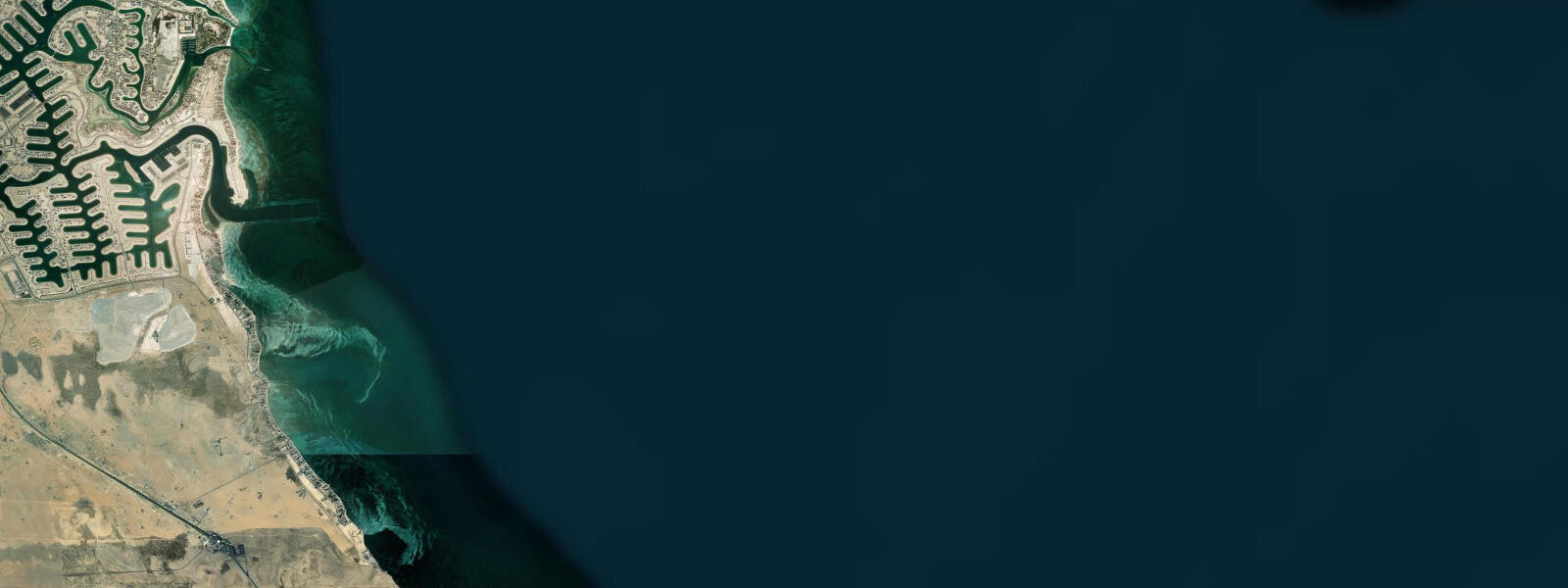
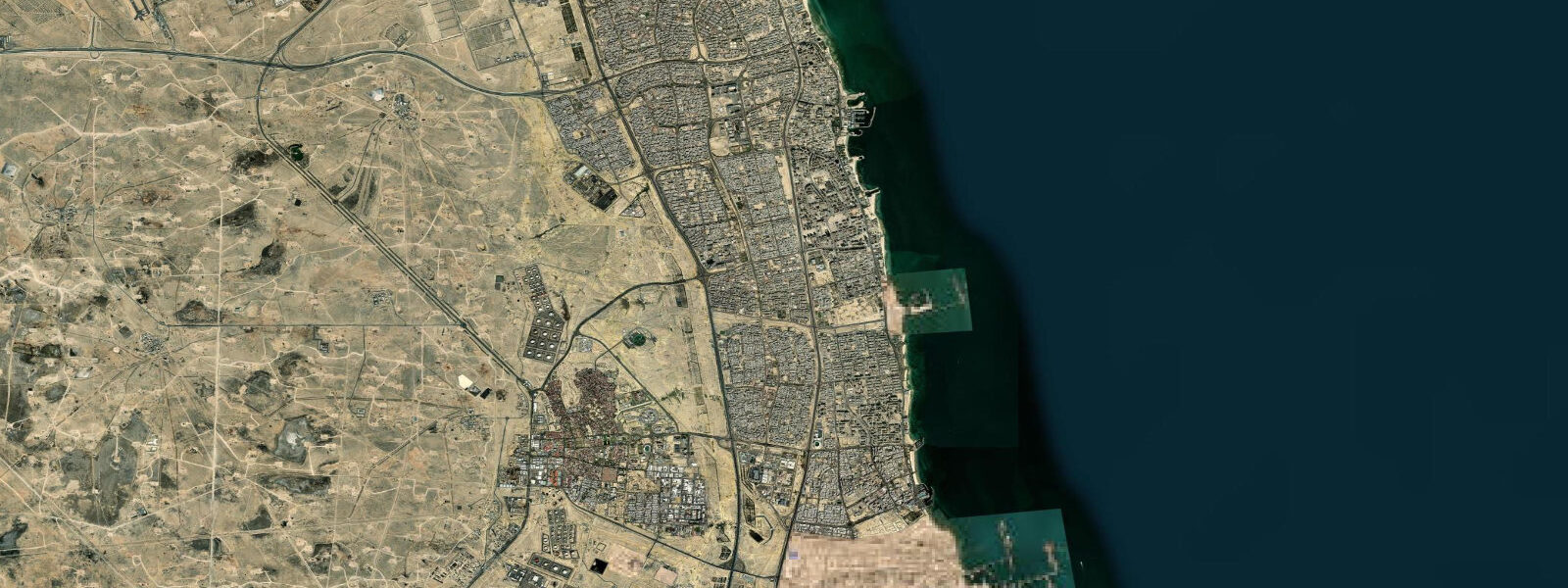
The three closest curated TideTurtle locations to Kubbar Island, measured by great-circle distance.

Today's solunar windows
Solunar tradition: major periods are the ≈3h windows around moon transit and opposition; minor are ≈2h around moonrise and moonset. Pair with the local tide stage and wind for the best read.
Cycle dates near Kubbar Island
Next spring tide on Mon 10 Aug (range 2.1m). Next neap on Wed 05 Aug.
Spring tides cluster around new and full moons (biggest swings). Neap tides land on quarter moons (smallest swings). See the spring tide and neap tide glossary entries for the why.
About tides at Kubbar Island
A short guide to the coastline at Kubbar Island — geography, sea state, and what the tide is actually doing under your feet.
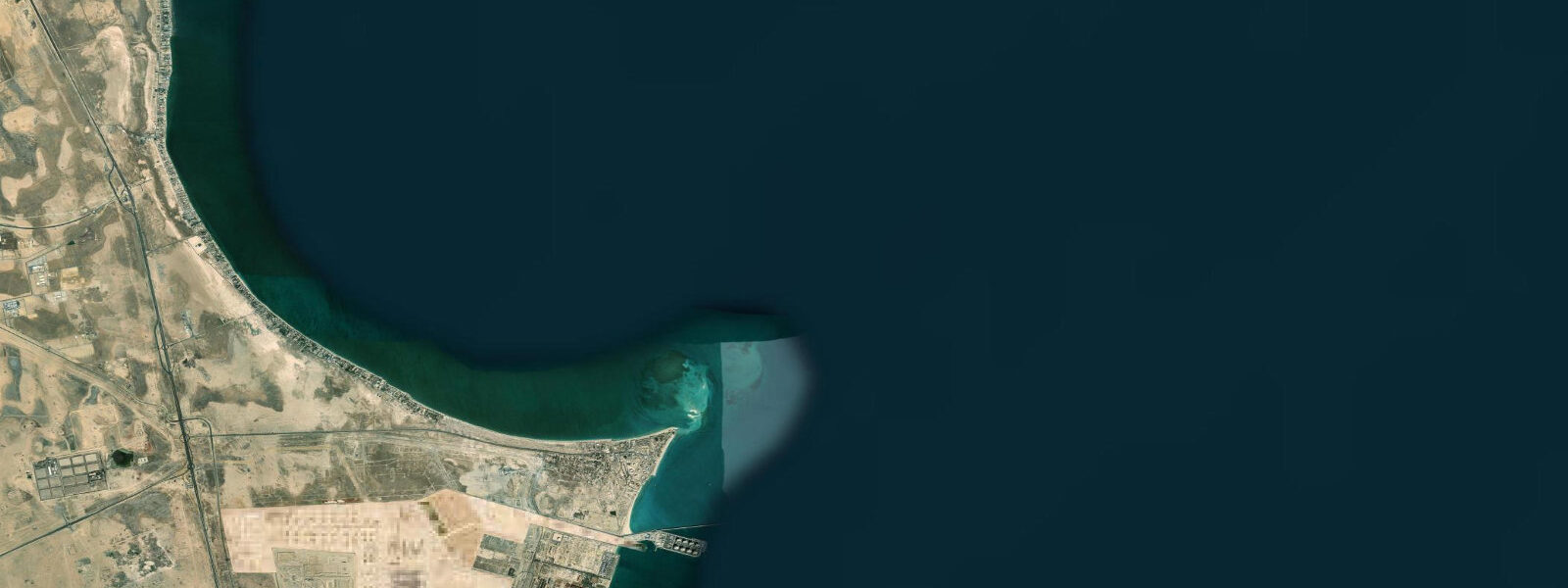
Kubbar Island is Kuwait's best dive site — a low, flat coral atoll about 25 km south of the mainland in open Gulf water. It is uninhabited, barely 1 km across, and fringed by a reef system that supports the healthiest hard coral in Kuwaiti territory. The water clarity here is significantly better than the turbid inner bay sites, and the reef structure at 5-15 m depth makes it accessible to recreational divers and snorkellers without the need for deep-water certification.
The island sits in open Gulf water where the influence of Kuwait Bay's freshwater and sediment input is minimal. Water clarity in winter can reach 10-15 m visibility — modest by Red Sea or Indian Ocean standards, but genuinely good for the Arabian Gulf where turbidity is the norm. Summer brings warmer water and reduced clarity as biological productivity increases with the heat, but the reef remains worth visiting for those willing to manage the conditions. Sea temperatures at Kubbar range from around 18-20°C in January-February to 32-33°C in August, tracking the Gulf's extreme seasonal range closely.
Tides at Kubbar are semi-diurnal with a range of roughly 1.2-1.8 m at springs — somewhat less than the amplified northern bay values, reflecting the island's open-coast position away from Kuwait Bay's enclosed geometry. Tidal currents over the reef can run strongly during spring tides, particularly on the eastern side of the island where the flow is not sheltered. Divers time their entries for slack water — the 30-45 minutes around high or low tide when current drops — to get the best conditions and avoid struggling against flow. The northern reef edge and the eastern wall are the most rewarding dive sites, with sea fans, soft coral colonies, and reef fish communities including grouper, snapper, trevally, and occasional barracuda.
Access to Kubbar is by private or chartered boat from Kuwait City marinas — Shuwaikh harbour or Ras al-Ardh are the usual departure points. The crossing takes approximately 1.5-2 hours. Several Kuwaiti dive operators run regular day trips, typically leaving early morning and returning in the afternoon, covering two to three dive sites and including equipment in the package price. The island itself is a nature reserve, and camping or overnight stays require permits from the Kuwait Environment Public Authority.
Beyond diving and snorkelling, the island's beach is genuinely beautiful by Gulf standards — white sand over coral rubble, crystal-clear shallow water on the protected western side, and no development of any kind. The isolation means it can feel genuinely remote on weekdays when few boat trips are running. The contrast with Kuwait City's dense urban waterfront, visible as a distant skyline to the north on clear days, is stark and welcome. For anyone spending time in Kuwait, a day trip to Kubbar is the most complete coastal experience the country offers.
The reef at Kubbar is one of the clearest demonstrations of what the Gulf's coral systems could sustain without pressure from development and water quality degradation. The island's isolation and protected status have allowed partial recovery from bleaching events, and the biodiversity visible even on a single snorkel pass — the variety of coral form, the density of reef fish, the occasional ray passing over the sandy flats — indicates what the inshore Gulf coast once supported before the coastal development of the past half century reduced most of it. The white sand beach on the island's western side, accessible directly from the boat by a short swim or walk through shin-deep water, is the cleanest and most natural beach environment in Kuwait — a fact that makes the 2-hour crossing genuinely worthwhile on a good-weather day.
Tide questions about Kubbar Island
Quick answers to the most common questions about tide times, range, and water access at Kubbar Island.
What are tides like at Kubbar Island?
Kubbar Island sits in open southern Kuwait waters where the tidal range is somewhat moderated compared to the northern bay. Spring tidal range is typically 1.2-1.8 m, and the tidal pattern is semi-diurnal. Tidal currents over the reef can be pronounced on the eastern and northern sides of the island during spring tides — experienced divers recommend planning entries around slack water (approximately 30-45 minutes either side of high or low water) to minimise fighting the current and maximise bottom time. Neap tide periods are generally easier for less experienced divers. Open-Meteo gridded estimates apply (±45 min, ±0.3 m). Boat operators running regular Kubbar trips know the reef's tidal behaviour well and plan the dive schedule accordingly.
How do I get to Kubbar Island?
Kubbar is accessible by boat only — there is no bridge or ferry service. The departure point is typically Shuwaikh harbour or Ras al-Ardh marina, about 25 km north of the island. Crossing time is 1.5-2 hours by speedboat. Kuwait City has several licensed dive operators who run regular day trips, usually departing around 7-8 am and returning by 4-5 pm. The trips include two or three dives, equipment rental, and a guide. Some operators also offer snorkel-only trips for non-divers. The island is a protected nature reserve and camping or overnight stays require Kuwait Environment Public Authority permits. All visitors should register with their operator and follow EPA guidelines for the reef.
What is the diving like at Kubbar Island?
Kubbar offers the best reef diving accessible from Kuwait, though expectations should be calibrated for the Gulf rather than Red Sea standards. Visibility of 8-15 m is achievable in winter (November-March) under calm conditions. The northern reef edge drops from 3 m to about 15 m and hosts reasonable hard coral cover, sea fans, and reef fish communities including grouper, snapper, trevally, and barracuda. The eastern wall sees stronger current but more pelagic action on spring tides. The western side is shallower and better for snorkelling. Coral bleaching events (the Gulf reaches 33°C+ in summer) have affected the reef periodically, but recovery has been observed between bleaching episodes. Among Kuwaiti waters, Kubbar ranks alongside Qaruh and Umm Al-Maradim as the top three dive destinations.
When is the best time to dive at Kubbar Island?
November through March is the best diving window. Water temperatures drop to 18-22°C (wetsuit recommended — 5 mm in January, 3 mm in November/March), visibility is at its seasonal peak, and the reef is more active as fish feeding intensifies in cooler water. March-April is arguably the peak for sheer fish numbers as species gather before the summer warm-up. Summer (June-September) is technically diveable but the heat above water is punishing, visibility drops, and jellyfish are more common. The Shamal winds in summer also affect sea conditions for the 2-hour crossing. Kuwaiti dive operators typically run fewer Kubbar trips in summer for all these reasons. If you are visiting Kuwait specifically to dive Kubbar, book a November-February trip for the best combination of conditions.
Is Kubbar Island safe for snorkelling?
The western side of Kubbar Island is genuinely excellent for snorkelling — shallow water down to 5 m, good coral patches, plenty of reef fish, and calm conditions on most days due to the island's western lee. The main hazard is sea urchins on the rocky reef edges, so water shoes and care when entering and exiting are sensible precautions. The eastern side has stronger tidal current and is not recommended for snorkellers without good swimming ability and comfort with moving water. Boat traffic during peak season (weekends, public holidays) creates a hazard for swimmers in open water between boats — stay within designated snorkel zones and use a surface marker buoy if snorkelling independently. Bring UV-protection rash guard in all seasons; the Gulf sun is intense year-round.
8-day tide table — Kubbar Island
Heights relative to MSL. Predictions: Open-Meteo Marine (MeteoFrance SMOC, 0.08° grid) — heights relative to MSL (not chart datum / LAT). Model-derived.
| Day | Type | Time | Height |
|---|---|---|---|
| Tue 04 Aug | High | 03:00 | 1.1m |
| Low | 08:39 | -0.0m | |
| High | 14:25 | 0.8m | |
| Low | 20:11 | -0.3m | |
| Wed 05 Aug | High | 03:03 | 1.1m |
| Low | 09:25 | -0.2m | |
| High | 15:17 | 0.6m | |
| Low | 20:34 | -0.2m | |
| Thu 06 Aug | High | 03:33 | 1.2m |
| Low | 10:20 | -0.4m | |
| Fri 07 Aug | — | ||
| Sat 08 Aug | High | 04:50 | 1.3m |
| Low | 12:52 | -0.5m | |
| Sun 09 Aug | High | 05:46 | 1.3m |
| Low | 14:24 | -0.6m | |
| Mon 10 Aug | High | 07:00 | 1.3m |
| Low | 15:40 | -0.8m | |
| Tue 11 Aug | High | 00:15 | 0.6m |