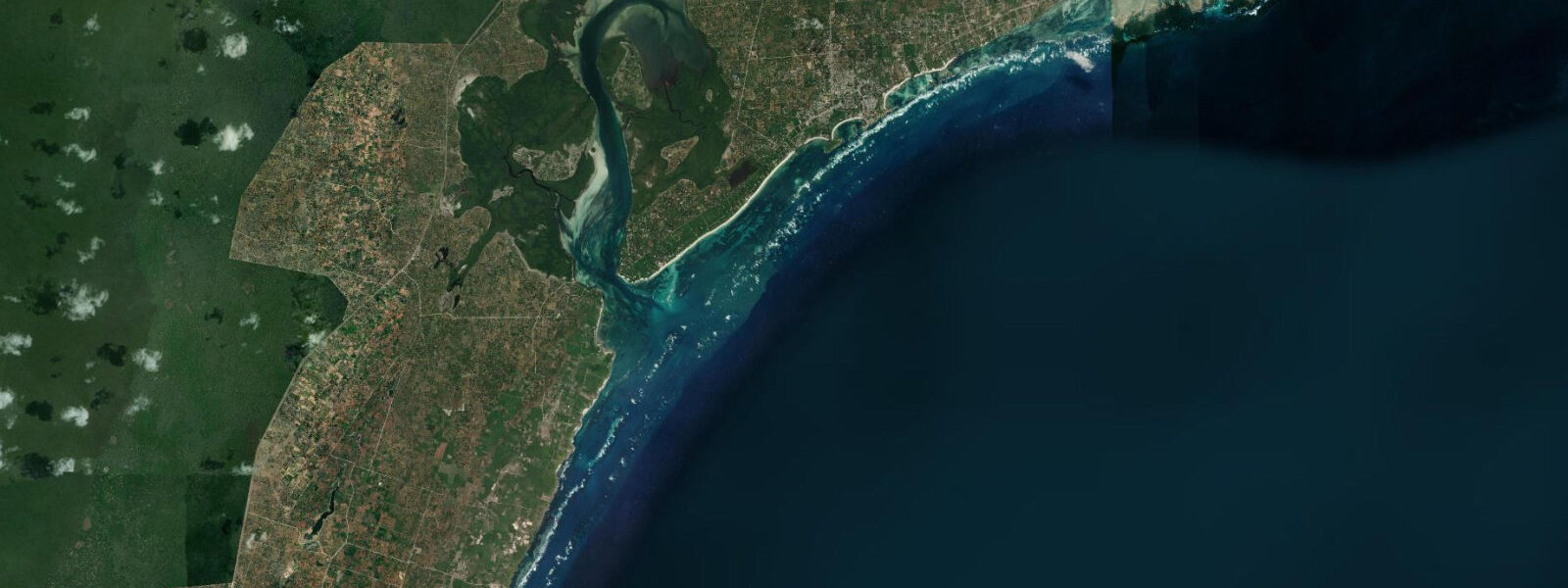
Watamu tide times
Watamu tide forecast — heights relative to MSL.
Today's tide times for Watamu
Tide times at Watamu on Tuesday, 4 August 2026: first low tide at 03:00am, first high tide at 06:50am, second low tide at 12:59pm, second high tide at 07:00pm. Sunrise 06:26am, sunset 06:25pm.
Tide chart for Watamu
24-hour cosine-interpolated curve around the present moment. Heights relative to MSL. Predictions: Predictions: Open-Meteo Marine (MeteoFrance SMOC, 0.08° grid).
Sun, moon and conditions on Tue 04 Aug
Snapshot at build time — refreshes daily. Sea state from Open-Meteo Marine.
Highs and lows next 7 days
Every predicted high and low for the next week, with the daily tidal coefficient (0–120; higher = bigger swing, > 95 means stronger currents).
Other spots nearby
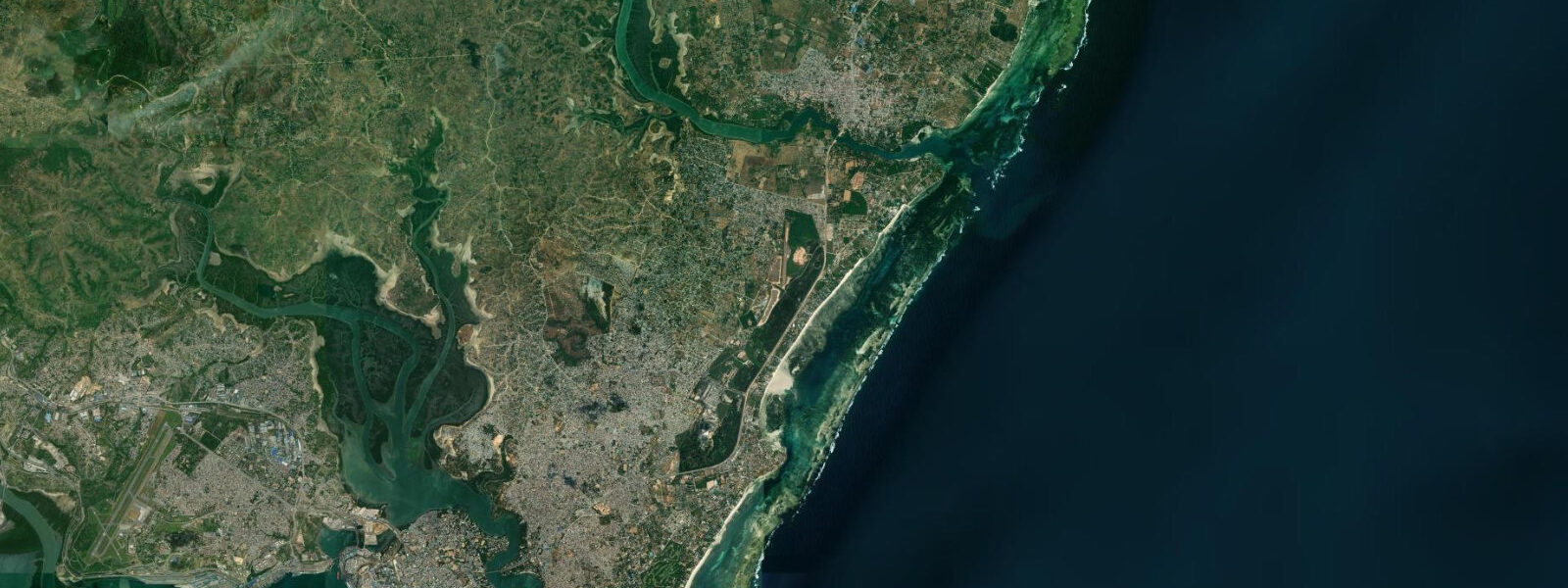
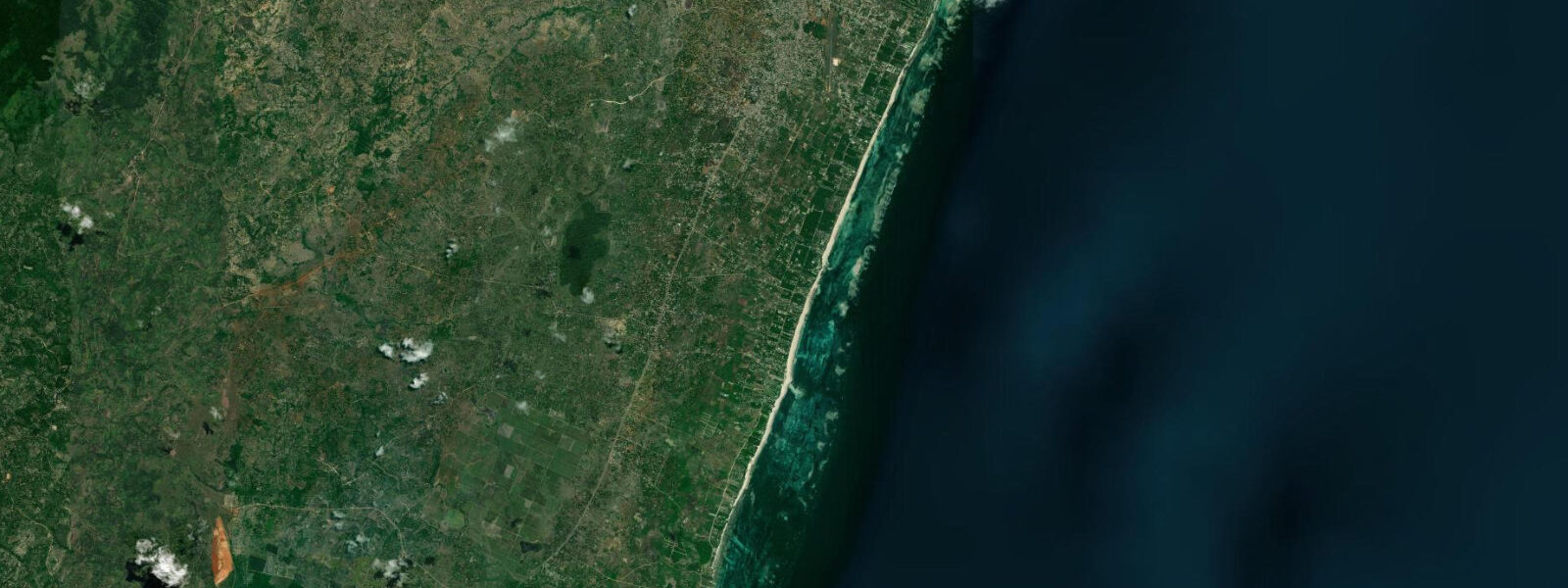
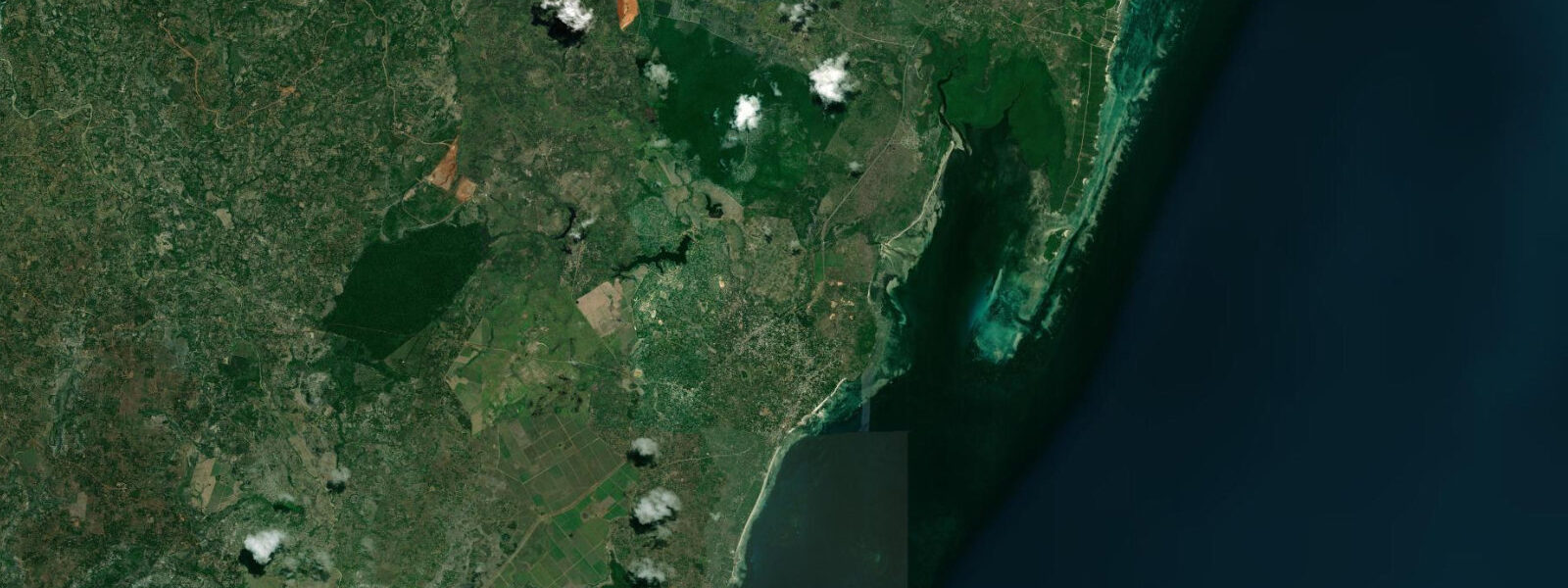
The three closest curated TideTurtle locations to Watamu, measured by great-circle distance.
Today's solunar windows
Solunar tradition: major periods are the ≈3h windows around moon transit and opposition; minor are ≈2h around moonrise and moonset. Pair with the local tide stage and wind for the best read.
Cycle dates near Watamu
Last spring tide on Tue 04 Aug (range 2.5m). Next spring tide on Mon 10 Aug (range 2.4m). Next neap on Sat 08 Aug.
Spring tides cluster around new and full moons (biggest swings). Neap tides land on quarter moons (smallest swings). See the spring tide and neap tide glossary entries for the why.
About tides at Watamu
A short guide to the coastline at Watamu — geography, sea state, and what the tide is actually doing under your feet.
Watamu sits at the southern end of Kenya's Malindi–Watamu coral coast, 100 kilometres north of Mombasa on the main coast road. The settlement itself is small — a few hundred permanent residents, a cluster of dive centres, hotels, and the international researchers and conservationists who have worked here since Watamu Marine National Park was gazetted in 1968, making it Kenya's first marine park. The park protects three bays — Blue Lagoon, Turtle Bay, and Watamu Bay — separated by rocky coral headlands, with the reef system extending seaward from each bay.
The tidal regime here is the same as the rest of the Kenya coast: semidiurnal with strong diurnal inequality, spring range 3.0 to 3.5 metres, neap range around 1.5 metres. The tidal transformation across the three bays is one of the most dramatic on the Kenyan coast. At low spring water, the wide reef flat in Turtle Bay exposes to ankle and knee depth for 600 to 800 metres from the beach — snorkellers wade in at the waterline and walk out along the flat until they can roll forward onto the coral. By high water, the same flat is covered to 1.5 to 2.5 metres and the snorkelling shifts from the flat to the coral heads and the deeper channels between them. The water colour changes visibly with the tide: the shallow turquoise of the covered flat deepens to a rich blue-green over the submerged reef as the depth increases.
Watamu Marine National Park's three bays produce different tidal conditions simultaneously because the rocky headlands create local variations in current and water depth. Blue Lagoon, at the southern end of the park, is deepest and maintains adequate snorkelling depth even at low neap tide. Turtle Bay, in the centre, has the widest tidal flat and the most dramatic low-water transformation. Watamu Bay to the north, closer to the town, is the shallowest and the most affected by the strong tidal currents that run through the gap between the headlands at spring tide.
The incoming flood tide at Turtle Bay produces one of the most distinctive sight-fishing opportunities on the Kenyan coast: as the water rises over the flat, fish move in from the outer reef — bonefish (albula vulpes) across the sand and seagrass sections, and blue-spotted rays (taeniura lymma) from the sandy channels. The window is the first 2 to 3 hours of flood, when the fish are in clear shallow water over a pale bottom and wading anglers can sight them at 20 to 30 metres. Watamu has a small community of fly-fishing guides who specialise in the flat; bookings are through the dive centres.
The Watamu Turtle Watch programme monitors green turtle (chelonia mydas) nesting on the beach, primarily at Turtle Bay and Watamu Bay. The nesting peak runs from June to August; nests are identified and protected by the programme's rangers, with night walks for visitors during the peak season. Hatchlings emerge 55 to 65 days after laying, typically from August through October. Neither nesting nor hatching is tide-dependent in the strict sense — turtles nest above the high-water line on the dry beach — but hatchling emergence and the run to the sea is influenced by the temperature of the sand above the nest, which rises and falls with both time of day and tidal state (wave wash at very high spring tides can cool the upper beach significantly).
For divers, the outer reef at Watamu is accessible by boat from the park's main jetty, 10 minutes from Turtle Bay beach. The dive sites on the outer reef face and the Blue Lagoon drop-off are diveable at any tidal state, though the tidal current in the channel between the headlands at spring tide requires attention: at peak ebb, currents through the Turtle Bay–Blue Lagoon gap can reach 2 knots. Experienced divers use this current for drift dives along the outer reef; beginners should dive on neap tides when the current is weaker. The Kenya Wildlife Service (KWS) issues entry permits for the marine park; park fees apply to all visitors including snorkellers and divers.
Tide predictions for Watamu come from Open-Meteo Marine, a gridded global ocean model. Accuracy is typically plus or minus 45 minutes on timing and 0.2 to 0.3 metres on height. The Kenya Ports Authority Mombasa gauge is the authoritative regional reference; KPA publishes annual tide tables for the Kenyan coast. These predictions are not for navigation.
Tide questions about Watamu
Quick answers to the most common questions about tide times, range, and water access at Watamu.
When is the best time to snorkel at Watamu Marine National Park?
The best snorkelling window at Watamu depends on which bay and which style of snorkelling. For the Turtle Bay tidal flat — wading out across the exposed reef at low water — the window is centred on low water with a margin of about 90 minutes either side at springs, when the flat is exposed to knee depth and snorkellers can walk the reef. For the submerged reef heads and channels — traditional snorkelling from the surface — the window is mid-flood to high water, when the flat is covered to 1.5 to 2.5 metres and fish activity is highest. Blue Lagoon maintains adequate snorkelling depth at all tidal states. Kenya Wildlife Service park fees apply; pay at the main KWS entrance on the road into Watamu before reaching the beach.
Are green turtles visible at Watamu Beach?
Green turtles (chelonia mydas) nest at Watamu from approximately June through August, with hatchling emergence from August through October. The Watamu Turtle Watch programme (watamuturtlewatch.com) runs night monitoring walks during the nesting season; contact them directly for current visit arrangements as access to active nest sites is controlled to protect nesting females. Outside nesting season, turtles are regularly seen in the water on the reef and in the lagoon — particularly at Turtle Bay and Blue Lagoon — during snorkelling and diving. The reef at Watamu provides feeding habitat year-round; turtles grazing on seagrass at the reef edge are often visible during mid-flood snorkelling sessions at Turtle Bay.
Can I fly-fish for bonefish at Watamu?
Watamu's Turtle Bay flat is one of the better sight-fishing flats on the Kenyan coast. Bonefish are present year-round on the flat and in the seagrass channels inside the reef; the best fishing window is the first 2 to 3 hours of the incoming flood tide, when fish move from the outer reef onto the flat in clear shallow water. Sight-fishing is viable when water visibility over the sandy bottom is 20 to 30 metres — normally the case in the mid-morning flood window on calm days. Blue-spotted rays are frequent on the flat and some anglers specifically target them. Local fly-fishing guides operate through the dive centres; a 9-weight rod is the minimum for the trevally and small GT that also move the flat on spring flood tides.
Is scuba diving possible at Watamu Marine National Park?
The outer reef at Watamu has active dive sites along the seaward face and at the Blue Lagoon drop-off, accessible by boat from the main park jetty in 10 minutes. Sites are rated for intermediate to experienced divers; beginners need to be comfortable in 1 to 2 knot tidal current at spring tides. On neap tides, the current in the headland channels is weaker and more suitable for less experienced divers. The park's reef has recovering coral after bleaching events; hard coral coverage is moderate by Indian Ocean standards but the fish biomass is high due to the no-take protection since 1968. Kenya Wildlife Service park entry fees apply to all divers. Dive operators are based in Watamu town.
Where do the tide predictions for Watamu come from?
Open-Meteo Marine, a gridded global ocean model that estimates tidal height from a geographic grid rather than from harmonic analysis of a local gauge. Accuracy is typically plus or minus 45 minutes on timing and 0.2 to 0.3 metres on height. The Kenya Ports Authority Mombasa gauge (100 kilometres south) is the authoritative regional tide reference for the Kenya coast; KPA publishes annual tide tables. Watamu is approximately 2 hours north of Mombasa by road; the tidal timing at Watamu closely tracks the Mombasa gauge prediction but may differ by 5 to 15 minutes due to local bathymetry. These predictions are not for navigation or commercial vessel operations.
8-day tide table — Watamu
Heights relative to MSL. Predictions: Open-Meteo Marine (MeteoFrance SMOC, 0.08° grid) — heights relative to MSL (not chart datum / LAT). Model-derived.
| Day | Type | Time | Height |
|---|---|---|---|
| Tue 04 Aug | Low | 03:00 | 0.0m |
| High | 06:50 | 1.8m | |
| Low | 12:59 | -0.7m | |
| High | 19:00 | 1.6m | |
| Wed 05 Aug | Low | 01:07 | -0.7m |
| High | 07:27 | 1.7m | |
| Low | 13:42 | -0.5m | |
| High | 19:40 | 1.3m | |
| Thu 06 Aug | Low | 01:43 | -0.5m |
| High | 08:12 | 1.6m | |
| Low | 14:37 | -0.3m | |
| Fri 07 Aug | High | 09:18 | 1.4m |
| Low | 16:06 | -0.1m | |
| High | 21:51 | 0.7m | |
| Sat 08 Aug | Low | 03:48 | -0.1m |
| High | 10:58 | 1.3m | |
| Low | 18:05 | -0.1m | |
| Sun 09 Aug | High | 00:06 | 0.7m |
| Low | 05:42 | -0.1m | |
| High | 12:43 | 1.5m | |
| Low | 19:40 | -0.3m | |
| Mon 10 Aug | High | 01:40 | 0.9m |
| Low | 07:20 | -0.3m | |
| High | 13:55 | 1.7m | |
| Low | 20:37 | -0.6m | |
| Tue 11 Aug | High | 02:00 | 1.1m |