Shimoni tide times
Shimoni tide forecast — heights relative to MSL.
Tide chart for Shimoni
24-hour cosine-interpolated curve around the present moment. Heights relative to MSL. Predictions: Predictions: Open-Meteo Marine (MeteoFrance SMOC, 0.08° grid).
Sun, moon and conditions on Tue 04 Aug
Snapshot at build time — refreshes daily. Sea state from Open-Meteo Marine.
Highs and lows next 7 days
Every predicted high and low for the next week, with the daily tidal coefficient (0–120; higher = bigger swing, > 95 means stronger currents).
Other spots nearby
The three closest curated TideTurtle locations to Shimoni, measured by great-circle distance.
Today's solunar windows
Solunar tradition: major periods are the ≈3h windows around moon transit and opposition; minor are ≈2h around moonrise and moonset. Pair with the local tide stage and wind for the best read.
About tides at Shimoni
A short guide to the coastline at Shimoni — geography, sea state, and what the tide is actually doing under your feet.
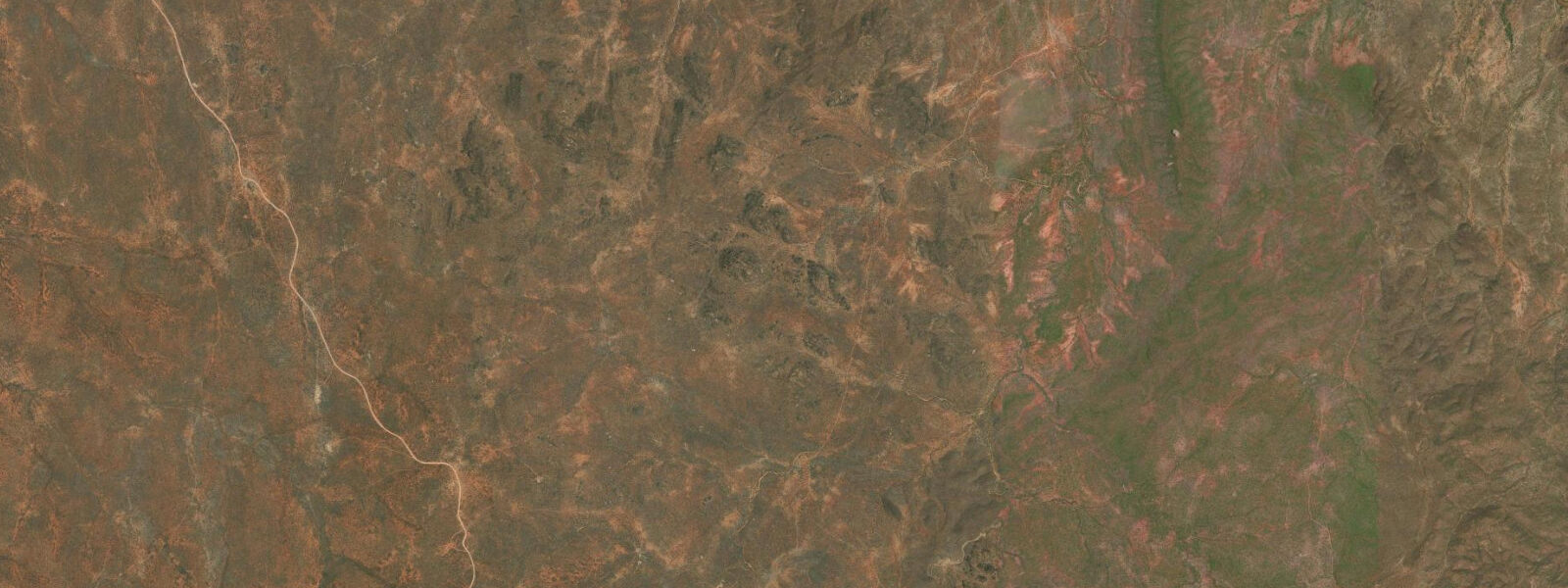
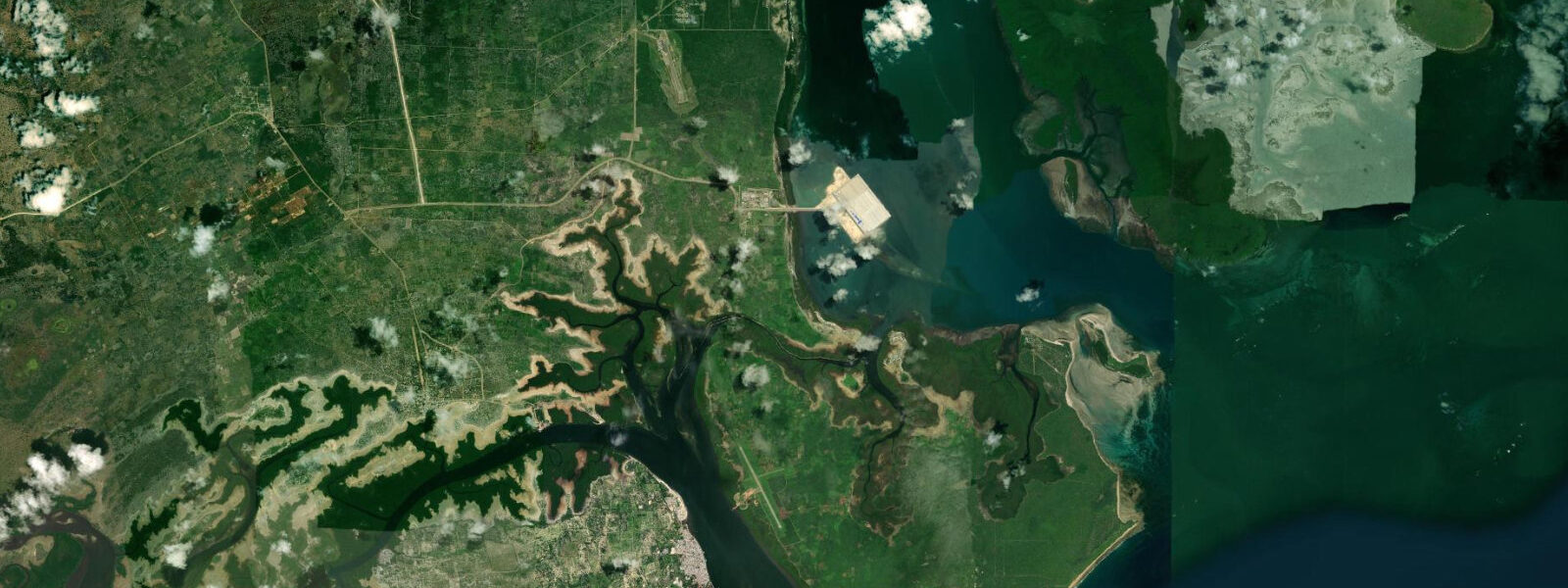
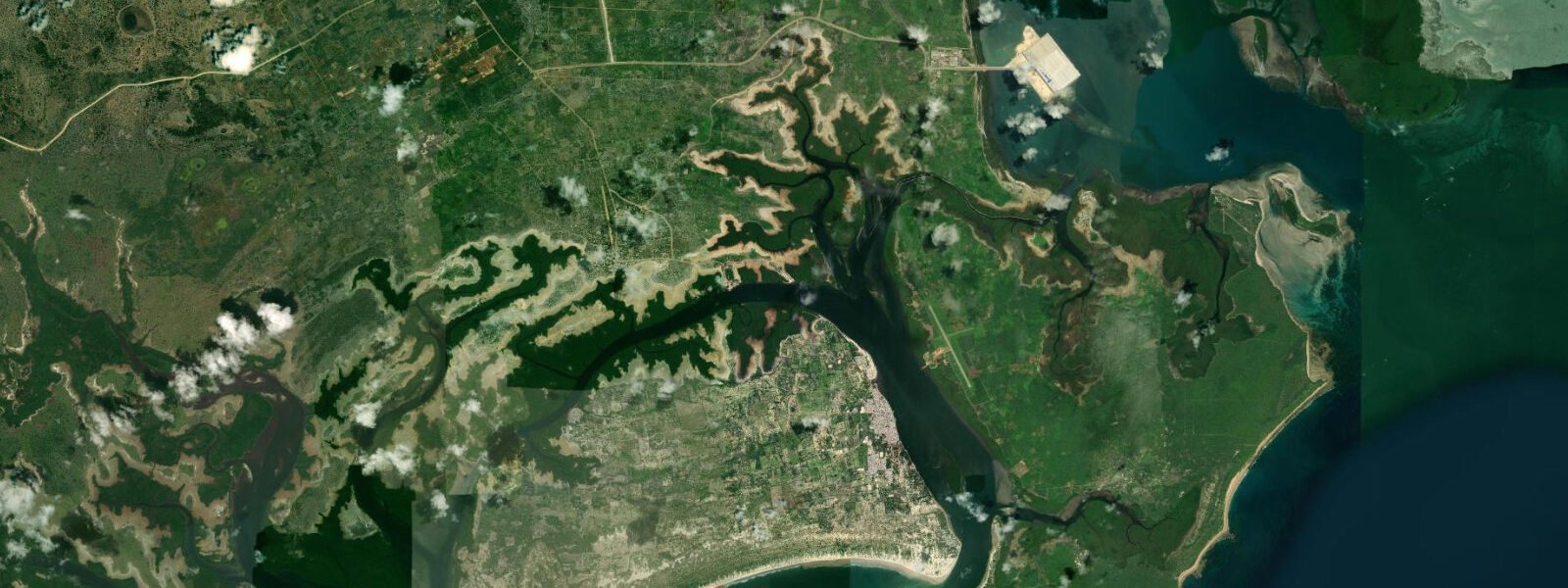
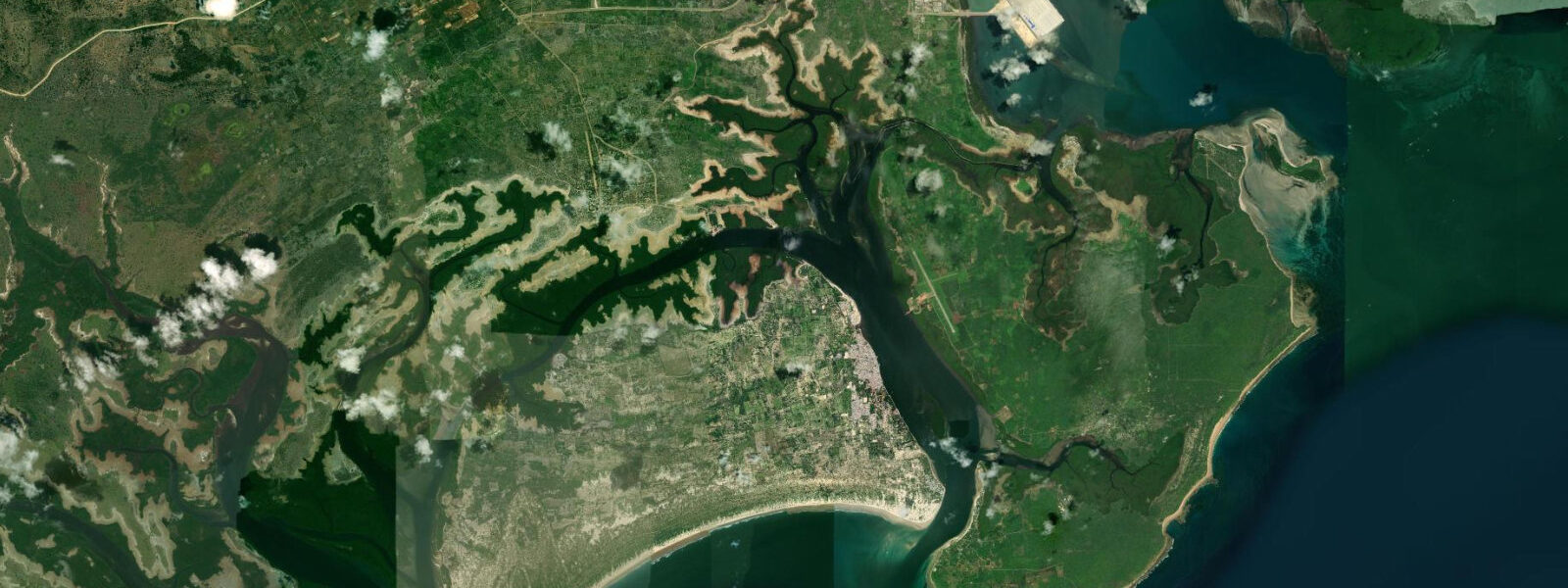
Shimoni is a village on the south Kenya coast in Kwale County, at the tip of a small peninsula roughly 70 kilometres south of Mombasa, near the border with Tanzania. The village is the gateway to the Kisite-Mpunguti Marine National Park, one of Kenya's premier marine conservation areas, and is notorious to historians for a darker reason: the coral-walled slave caves on the headland, where enslaved people were held before transport across the Indian Ocean under the Zanzibar slave trade, are one of the most direct surviving artifacts of that history in East Africa.
The physical setting at Shimoni is the Indian Ocean at its most photogenic on the Kenya coast: deep blue water, mangrove creek to the north, open channel to Wasini Island half a kilometre offshore, and the Kisite-Mpunguti reef system further south. The coral architecture of the village — the slave caves are literally coral limestone, carved by hand — reflects the same material that built the reefs offshore.
Tide data for Shimoni comes from Open-Meteo Marine's global model. Timing accuracy ±45 minutes, height accuracy ±0.2 to 0.3 metres. The Kenya coast at Shimoni experiences mixed semidiurnal tides with a spring range of approximately 2.5 to 4.0 metres — macrotidal by Indian Ocean standards. The tidal range is the dominant factor in reef and channel access. At low spring tide, the reef flat between the shore and Wasini Island shallows to less than 0.5 metres in places; the channel to Kisite Park is navigable by dhow only on a rising or high tide. Local boat operators time their departures to Kisite with the tide.
The Kisite-Mpunguti Marine National Park consists of four coral islands and the surrounding reef system, covering 28 square kilometres of marine protected area. The reef supports spinner and bottlenose dolphins, green and hawksbill sea turtles, and the full complement of IndoPacific reef fish. Dhow trips from Shimoni run to the park for snorkelling and dolphin watching; departures are timed around the tide, typically leaving Shimoni on the morning flood and returning on the early ebb.
Dolphin watching at Kisite is a reliable activity: spinner dolphins are resident in the channel and feed in the reef system. Sightings rates on organised dhow trips run at over 90 percent in the dry season. The dolphins are observed from the dhow without in-water pursuit; ethical operators maintain a no-chase protocol.
The slave caves at Shimoni village are managed by a local conservation group and are open to guided visits. The caves are coral caverns in the headland, used to hold enslaved people from the East African interior before shipment to Zanzibar and the Arabian Peninsula. The caves date to the 18th and 19th century slave trade period; the walls and floor retain physical evidence of their use. Visits are sobering and historically important; the guide provides context from oral history and archival sources.
Wasini Island, directly across the narrow channel from Shimoni, is a car-free island community with coral gardens accessible on foot at low tide and several fish restaurants. The tide timing determines whether the coral garden walk is possible — it requires low water, ideally the lowest springs of the month. Check the tidal prediction and plan the Wasini visit for the morning low tide.
The dhow culture at Shimoni reflects the broader Swahili Coast maritime tradition that spans the East African coast from Lamu in the north to Mozambique in the south. The traditional ngalawa (outrigger sailing canoe) and the larger jahazi dhow are used for inter-island transport, fishing, and the tourist dolphin-watching excursions. Dhow construction in the Shimoni area uses local timber and traditional methods; the boats are built without metal fasteners in the hull planking, using rope lashings and coconut caulking in the oldest technique. A working boat-building yard is visible near the village and is open to visitors.
The Kisite Marine Park's reef fish assemblage is documented in the Kenya Wildlife Service's periodic reef monitoring surveys. Species richness on the outer Kisite reef runs to over 200 fish species recorded in survey dives. The flagship species for conservation messaging in the park are the sea turtles — particularly hawksbill turtles, which feed on the sponge communities on the reef — and the spinner dolphins. Both are legally protected; the park's ecological success over its 40-plus years of operation is partly evidenced by the stable dolphin population and regular turtle sightings.
The Kenya-Tanzania border is approximately 15 kilometres south of Shimoni. The Tanzanian Pemba Island, one of the Zanzibar Archipelago's islands, is visible on the horizon from the Shimoni headland on clear days. Cross-border dhow traffic between the Tanzanian coast and Shimoni has a centuries-long history, and the cultural connections between the Swahili communities on both sides of the border are stronger than the political boundary suggests.
Tide questions about Shimoni
Quick answers to the most common questions about tide times, range, and water access at Shimoni.
What is the tidal range at Shimoni?
Shimoni is on the south Kenya coast, where the East African coast experiences macrotidal mixed semidiurnal tides. Spring range runs approximately 2.5 to 4.0 metres; neap range is 1.0 to 1.5 metres. Tide predictions use Open-Meteo Marine's global model, with ±45 minutes timing accuracy and ±0.2 to 0.3 metres height accuracy. The large spring range is the primary operational factor for reef access: at low spring tide the reef flat between Shimoni and Wasini Island can drop to less than 0.5 metres, making the channel impassable for deep-keeled boats. Dhow and small boat operators time all Kisite-Mpunguti departures around the tidal window.
What is the Kisite-Mpunguti Marine National Park?
The Kisite-Mpunguti Marine National Park protects a 28-square-kilometre area of reef, seagrass, and open water around four coral islands at the southern end of the Shimoni channel. The park was gazetted in 1978. Key features include a healthy Indo-Pacific coral reef with high fish diversity, resident populations of spinner and bottlenose dolphins, green and hawksbill sea turtle feeding areas, and seasonal whale shark sightings (October to March). Snorkelling over the reef gardens at Kisite offers some of the best visibility on the Kenya coast — 15 to 25 metres in settled conditions. Entry fees apply and are payable at the Shimoni park ranger station.
What are the slave caves at Shimoni?
The slave caves are a series of natural coral limestone caverns in the headland at Shimoni village, used as holding areas for enslaved East Africans before transport to Zanzibar and onwards to the Arabian Peninsula under the 19th-century Zanzibar slave trade. The caves were part of the network operated by Arab traders based in Zanzibar; enslaved people from the East African interior were brought to the coast via overland routes and held at coastal points like Shimoni before sea transport. The caves are accessible by guided tour; the guide is from the local conservation and heritage group. The visit takes 45 to 60 minutes.
How do I get to Shimoni from Mombasa?
Shimoni is 70 kilometres south of Mombasa by road, accessed via the Likoni Ferry crossing from Mombasa to the south coast mainland, then south on the B8 road to Shimoni town. The drive from the ferry to Shimoni takes approximately 90 minutes. Public matatu (shared minibus) services run from Likoni to Msambweni, from which further matatus or boda-bodas (motorbike taxis) reach Shimoni. Private vehicle hire from Mombasa is the most convenient option for day trips, particularly if combining the slave cave visit, a dhow trip to Kisite, and the Wasini Island coral garden.
When is dolphin watching best at Kisite?
Spinner dolphins are resident year-round in the Kisite-Mpunguti channel, feeding on the reef fish and resting in the deeper water outside the reef. Sighting rates on organised dhow trips from Shimoni run above 90 percent in the dry season (June through October), when settled sea conditions and clear water make observation easier. The dolphins are most active in the morning; most operators depart Shimoni between 07:00 and 09:00 to reach the dolphin grounds at the channel mouth on the morning tide. The Kisite entry fee includes the marine park permit; confirm with your operator that they hold the current Kenya Wildlife Service boat licence for the park zone.
0-day tide table — Shimoni
Heights relative to MSL. Predictions: Open-Meteo Marine (MeteoFrance SMOC, 0.08° grid) — heights relative to MSL (not chart datum / LAT). Model-derived.
| Day | Type | Time | Height |
|---|