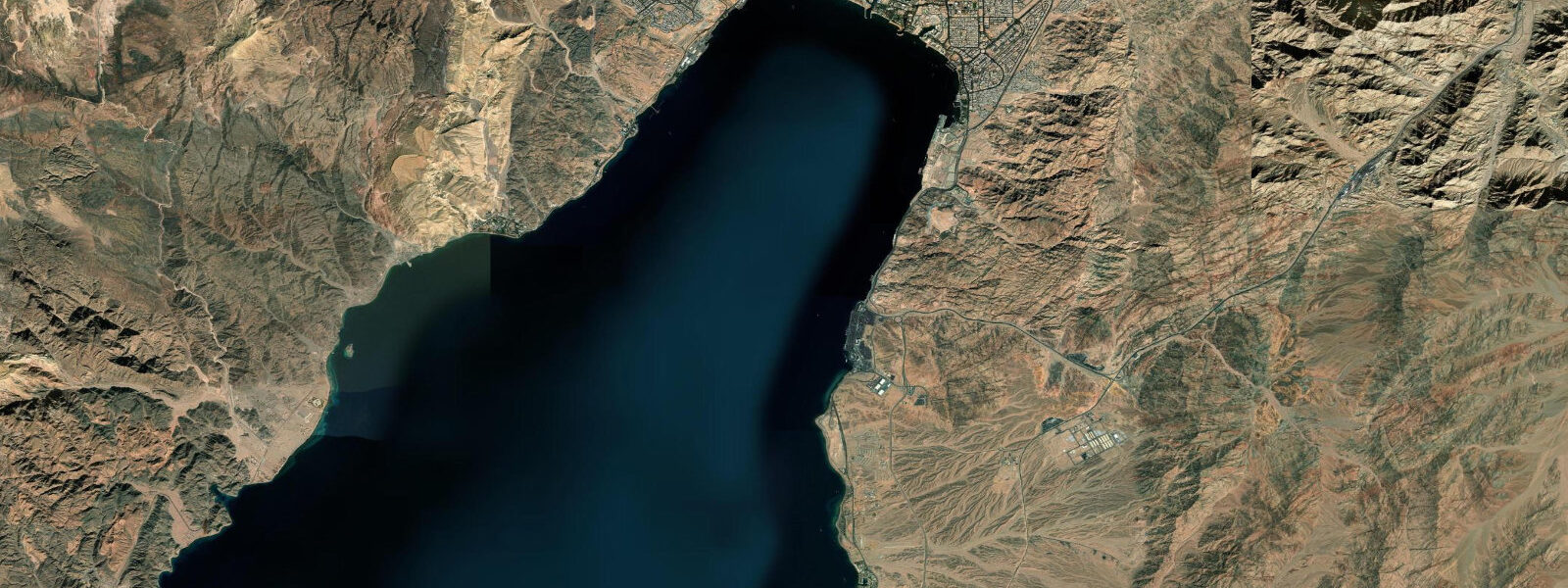
Cedar Pride Wreck tide times
Cedar Pride Wreck tide forecast — heights relative to MSL.
Today's tide times for Cedar Pride Wreck
Tide times at Cedar Pride Wreck on Tuesday, 4 August 2026: first low tide at 04:12am, first high tide at 10:20am, second low tide at 04:12pm, second high tide at 10:38pm. Sunrise 06:00am, sunset 07:30pm.
Tide chart for Cedar Pride Wreck
24-hour cosine-interpolated curve around the present moment. Heights relative to MSL. Predictions: Predictions: Open-Meteo Marine (MeteoFrance SMOC, 0.08° grid).
Sun, moon and conditions on Tue 04 Aug
Snapshot at build time — refreshes daily. Sea state from Open-Meteo Marine.
Highs and lows next 7 days
Every predicted high and low for the next week, with the daily tidal coefficient (0–120; higher = bigger swing, > 95 means stronger currents).
Other spots nearby
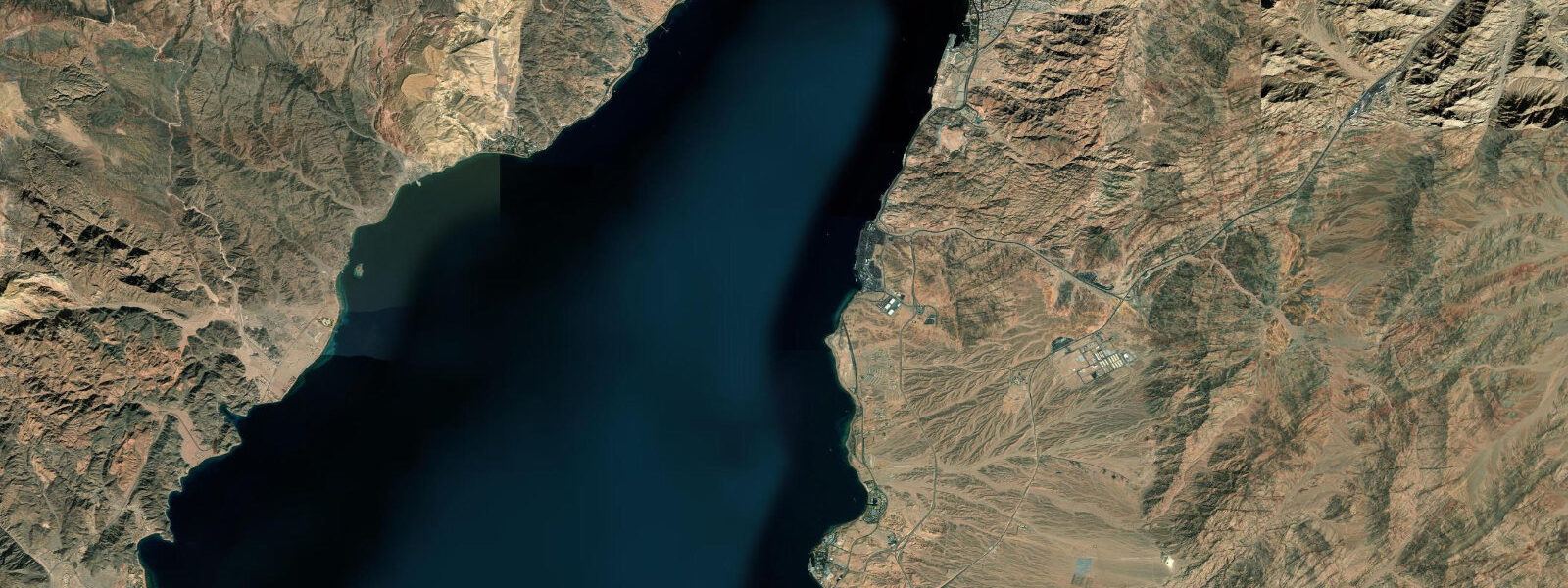
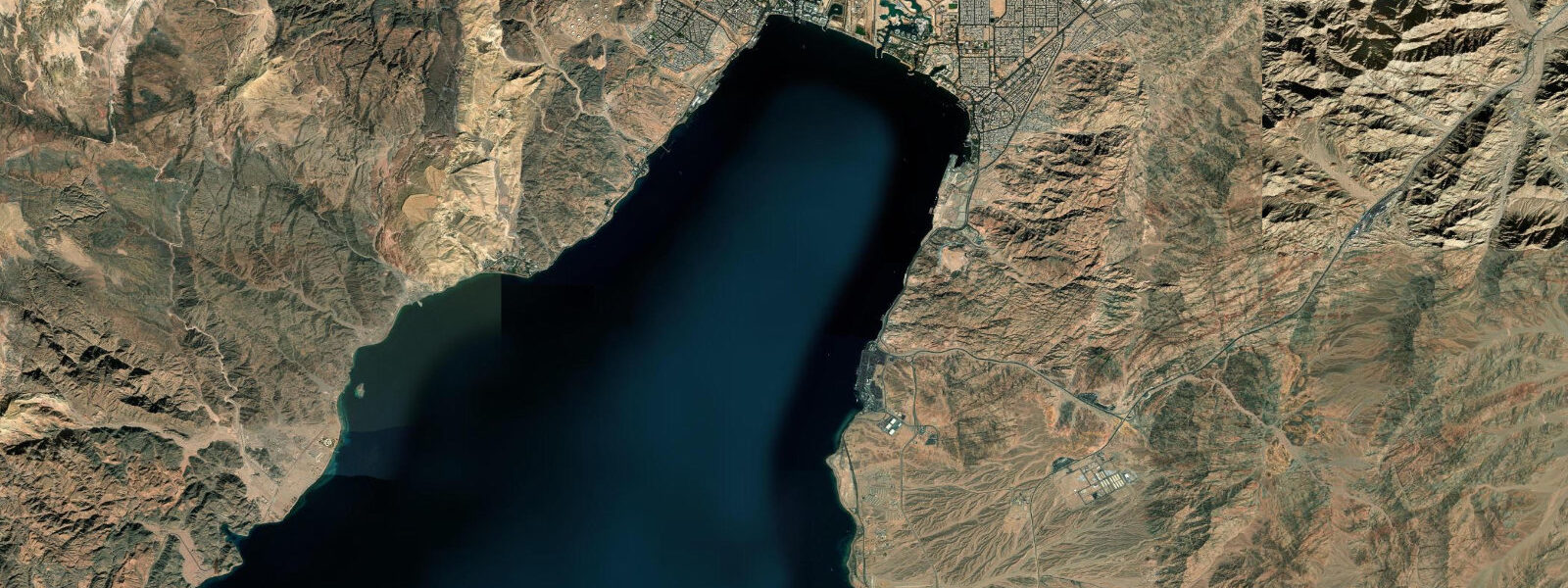
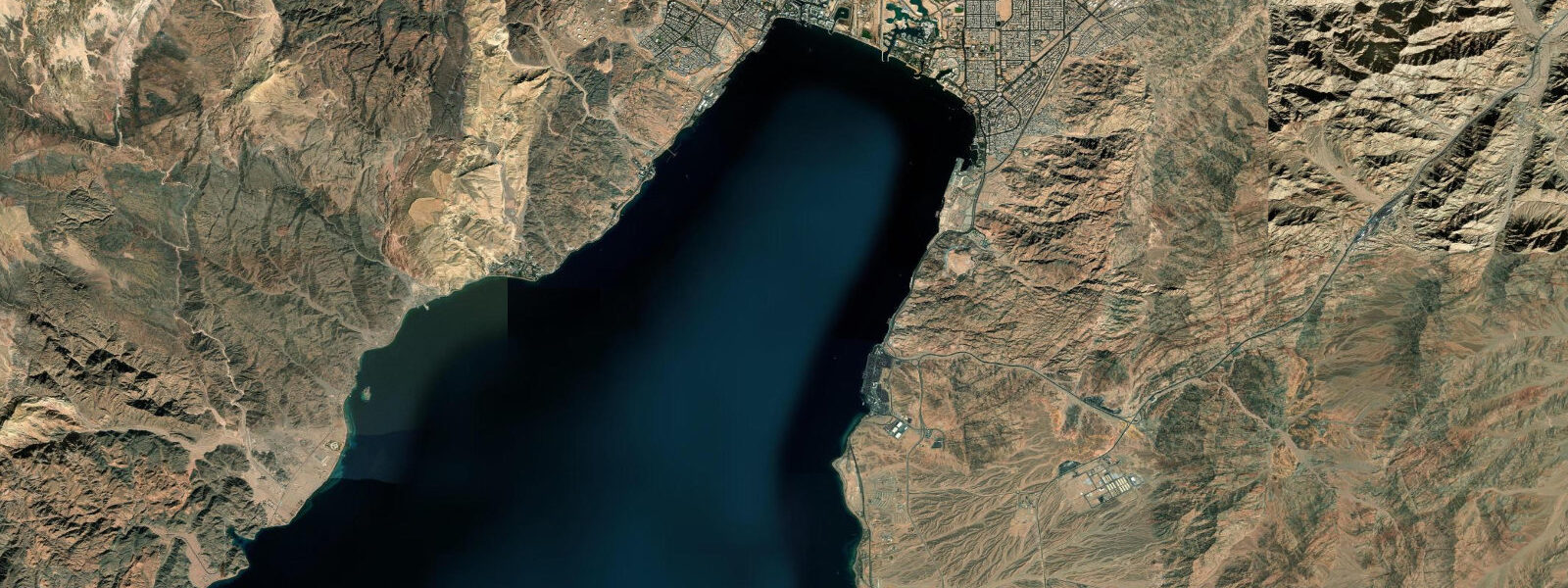
The three closest curated TideTurtle locations to Cedar Pride Wreck, measured by great-circle distance.
Today's solunar windows
Solunar tradition: major periods are the ≈3h windows around moon transit and opposition; minor are ≈2h around moonrise and moonset. Pair with the local tide stage and wind for the best read.
Cycle dates near Cedar Pride Wreck
Last spring tide on Tue 04 Aug (range 0.6m). Next spring tide on Mon 10 Aug (range 0.5m). Next neap on Thu 06 Aug.
Spring tides cluster around new and full moons (biggest swings). Neap tides land on quarter moons (smallest swings). See the spring tide and neap tide glossary entries for the why.
About tides at Cedar Pride Wreck
A short guide to the coastline at Cedar Pride Wreck — geography, sea state, and what the tide is actually doing under your feet.
The Cedar Pride is one of the most accessible and photogenic wreck dives in the Red Sea — a 74-metre Lebanese cargo vessel deliberately sunk in 1985 by the Royal Jordanian Diving Club, with the blessing of King Hussein I, to create an artificial reef at a time when intentional wreck scuttling for dive tourism was a relatively new concept. The King's involvement reflects how seriously Jordan took its dive tourism ambitions for Aqaba even in the mid-1980s, decades before the Aqaba Special Economic Zone reshaped the city.
The Cedar Pride sank with a slight port list and now rests on her port side in 5–27 metres of water, oriented roughly north-south along the slope of the Jordanian reef. The shallowest part — the starboard hull side — is at around 5 metres, making this a wreck accessible to snorkellers at the top and to experienced divers all the way down the deepest sections near the propeller at 27 metres. Soft coral encrustation on the hull is spectacular: large pink and orange sea fans cover significant sections of the superstructure, and the wreck has been colonised by lionfish, glassfish schools, grouper, and moray eels that shelter in the interior spaces.
The combination of shallow entry and significant depth range makes the Cedar Pride suitable for almost every level of diver. Beginner divers typically explore the superstructure and cargo holds in the 10–18 metre range under guide supervision. Advanced divers work the deeper stern section and the propeller. Night dives on the Cedar Pride are exceptional — the hunting behaviour of lionfish and moray eels is more visible after dark, and the soft coral polyps open fully, turning sections of the hull into a fluorescent garden.
Tide and current at this site are consistent with the wider Aqaba Gulf: semidiurnal with a spring range of 0.7–0.9 metres. Current along the wreck tends to run north-south following the tidal cycle, with ebb pushing south (toward Saudi Arabia) and flood running north (toward the city). The current is rarely strong enough to be hazardous at Cedar Pride, but it does affect glassfish schools — they bank and cluster against the current direction, which changes the photographic opportunity depending on tide state.
Mooring buoys are maintained above the wreck by the Aqaba dive operators' association, preventing anchor damage. All the established Aqaba dive centres visit the Cedar Pride regularly; it is one of four or five sites that appear on virtually every two-dive-day itinerary in Aqaba. Surface conditions follow the Shamal pattern — calm mornings, building northwest wind from mid-morning. Most dive boats clear the Cedar Pride site by 10:30 to avoid running back to the marina in the Shamal chop.
Predictions on this page come from Open-Meteo Marine. For Cedar Pride conditions including current strength and visibility, the local dive operators provide daily updates based on actual site checks — consult one of the Aqaba dive centres for current-day conditions before booking.
The wreck's position on the reef slope means that the sand bottom around the hull at 20–25 metres occasionally hosts rays — blue-spotted stingrays rest in the sand patches adjacent to the Cedar Pride's deepest sections on calm mornings, often visible during ascent from the stern. The sandy margins are also where juvenile reef fish shelter when the Shamal has pushed choppier conditions overhead — the habitat diversity created by the wreck's different surfaces (iron hull, encrusted superstructure, open sandy surrounds) is part of why it supports such a wide species range.
For photographers, the Cedar Pride is one of the easier wide-angle reef photography subjects in the Red Sea: the encrusted hull provides foreground interest, the blue water overhead gives depth and colour, and the fish density means there is almost always action in the frame. Strobes or video lights significantly improve the colour rendering of the sea fans and soft corals on the superstructure.
Tide questions about Cedar Pride Wreck
Quick answers to the most common questions about tide times, range, and water access at Cedar Pride Wreck.
What is the Cedar Pride, and why was it sunk?
The Cedar Pride is a 74-metre Lebanese cargo vessel deliberately scuttled on 19 November 1985 to create an artificial reef dive site. The sinking was organised by the Royal Jordanian Diving Club with support from King Hussein I, who was himself an avid diver — it was one of the earliest examples of intentional wreck scuttling for dive tourism in the Red Sea. The vessel was cleared of hazardous materials before sinking and settled on its port side at 5–27 metres. Over 40 years, it has accumulated significant biological cover: large sea fans, soft corals, and a well-established community of resident fish that now makes it one of the most colourful wreck dives in the Middle East.
What depth does the Cedar Pride wreck sit at?
The wreck lies on its port side with the shallowest point — the exposed starboard hull — at approximately 5 metres, accessible to confident snorkellers. The main deck and superstructure range from 10 to 18 metres, where beginner divers typically explore under guide supervision. The deepest section, around the propeller and stern, is at 27 metres — an advanced open water dive. The full wreck can theoretically be explored on a single dive, but covering the interesting biological areas on both the upper hull and the deeper stern typically requires a relaxed dive plan or two separate dives. Night dives are particularly good, as lionfish and moray eels are actively hunting.
What marine life lives on the Cedar Pride?
After 40 years of biological colonisation, the wreck hosts an unusually rich community. Large pink and orange gorgonian sea fans cover substantial sections of the superstructure — some fans are over a metre wide. Glassfish (silverside schools) often cloud the interior holds, pursued by lionfish and grouper. Moray eels occupy almost every suitable crevice. Pufferfish, parrotfish, and sea turtles are regular visitors. The outer hull surfaces have significant soft coral encrustation. At night, the coral polyps expand and the hunting behaviour of predators becomes the main show. The wreck has been listed among the top 10 most colourful wreck dives in the Red Sea in multiple diving publications.
When is the best time to dive the Cedar Pride?
Early morning gives the best conditions: calm surface for the boat ride out, and the Shamal northwest wind has not yet built. The Shamal typically develops from 10:00–11:00 local time and reaches 20–30 knots by early afternoon. Most Aqaba dive boats leave the marina by 07:30–08:00 and aim to be on site before 09:00. Water temperature year-round at this depth ranges from 21°C in February to 27°C in August — a 3 mm wetsuit is comfortable in summer, 5 mm in winter. The tidal current on the wreck is generally mild, but on spring tides the ebb can create a moderate south-running current along the hull; check with the dive operator for the tidal state on your dive day.
Do I need to book a dive boat, or can I reach the Cedar Pride from shore?
Shore access is possible but inconvenient. The wreck is about 300 metres offshore, requiring a surface swim of roughly 10–12 minutes with kit — manageable in calm morning conditions, less practical in the Shamal afternoon. The shoreline in this section is a mix of sandy beach and rocky entry points with sea urchins; reef shoes are essential. Most divers visit by boat from one of the Aqaba dive centres, which typically combine Cedar Pride with a second site (often the Aqaba Marine Park reef or the Power Station site) on a half-day two-tank trip. Booking the day before is advisable in summer; walk-in is usually possible in shoulder season. All operators are concentrated on or near the Aqaba corniche.
8-day tide table — Cedar Pride Wreck
Heights relative to MSL. Predictions: Open-Meteo Marine (MeteoFrance SMOC, 0.08° grid) — heights relative to MSL (not chart datum / LAT). Model-derived.
| Day | Type | Time | Height |
|---|---|---|---|
| Tue 04 Aug | Low | 04:12 | -0.4m |
| High | 10:20 | 0.2m | |
| Low | 16:12 | -0.3m | |
| High | 22:38 | 0.2m | |
| Wed 05 Aug | Low | 04:50 | -0.3m |
| High | 11:06 | 0.2m | |
| Low | 17:00 | -0.2m | |
| High | 23:18 | 0.2m | |
| Thu 06 Aug | Low | 17:54 | -0.2m |
| Fri 07 Aug | High | 00:15 | 0.2m |
| Low | 07:00 | -0.3m | |
| Sat 08 Aug | High | 01:42 | 0.1m |
| Low | 20:45 | -0.2m | |
| Sun 09 Aug | High | 15:54 | 0.2m |
| Low | 22:06 | -0.2m | |
| Mon 10 Aug | High | 04:00 | 0.2m |
| Low | 10:38 | -0.4m | |
| High | 17:00 | 0.2m | |
| Low | 23:10 | -0.3m | |
| Tue 11 Aug | High | 02:00 | -0.1m |