Ine tide times
Ine tide forecast — heights relative to MSL.
Today's tide times for Ine
Tide times at Ine on Monday, 3 August 2026: first high tide at 16:00, first low tide at 23:10. Sunrise 05:08, sunset 19:02.
Tide chart for Ine
24-hour cosine-interpolated curve around the present moment. Heights relative to MSL. Predictions: Predictions: Open-Meteo Marine (MeteoFrance SMOC, 0.08° grid).
Sun, moon and conditions on Mon 03 Aug
Snapshot at build time — refreshes daily. Sea state from Open-Meteo Marine.
Highs and lows next 7 days
Every predicted high and low for the next week, with the daily tidal coefficient (0–120; higher = bigger swing, > 95 means stronger currents).
Other spots nearby
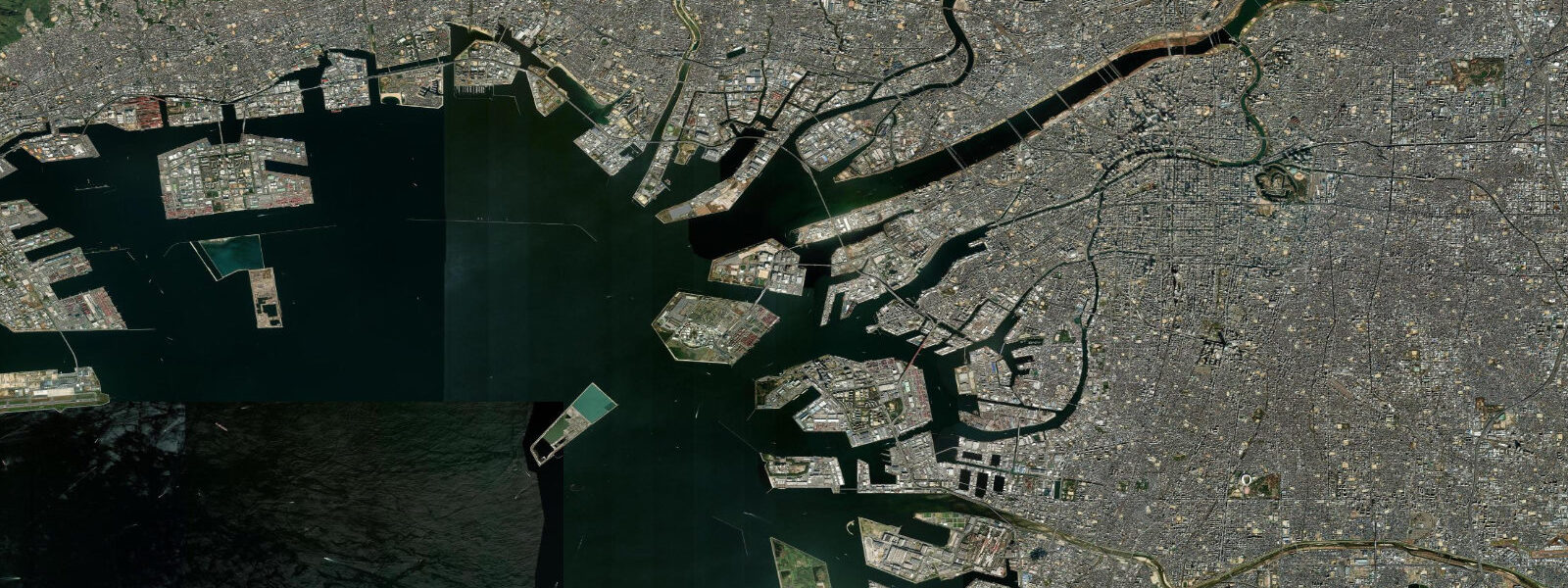
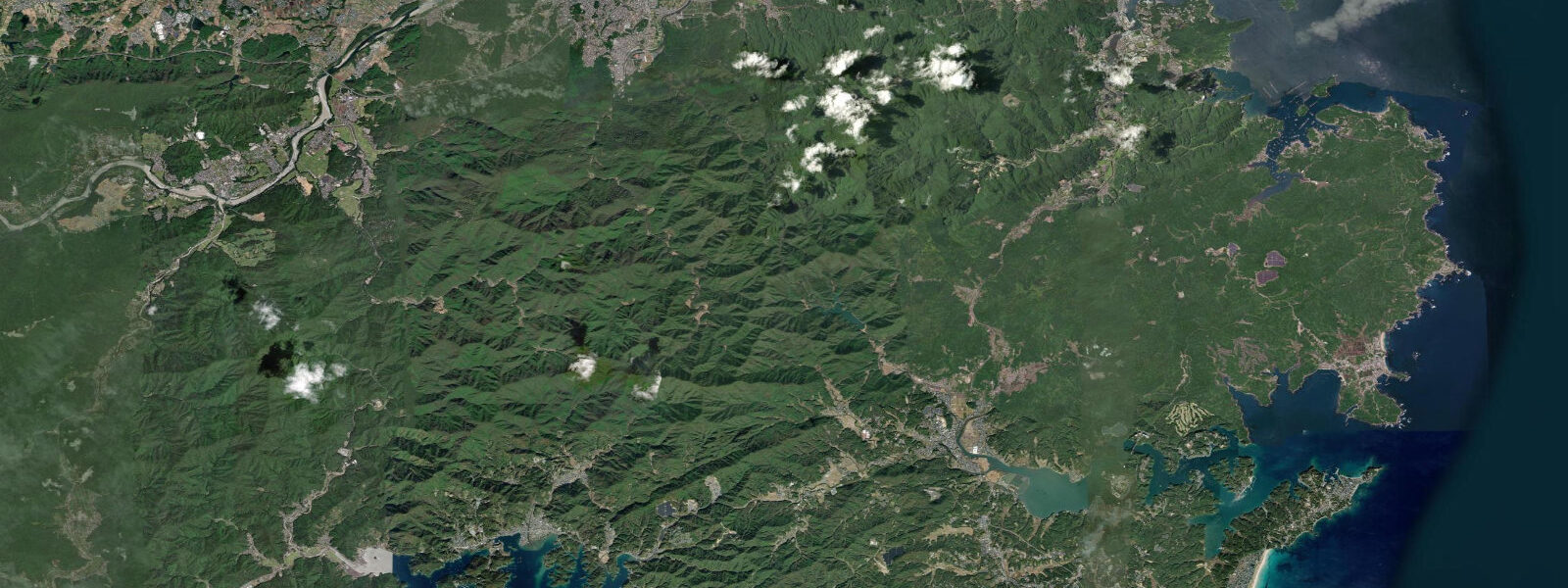
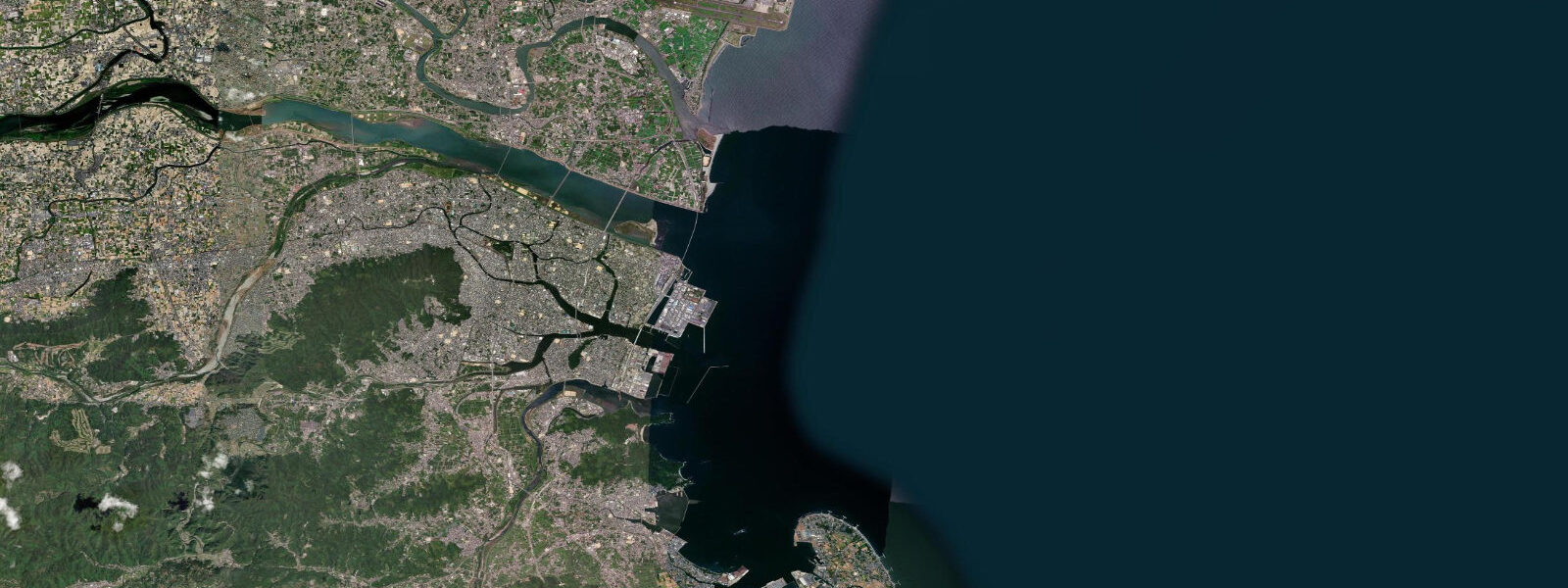
The three closest curated TideTurtle locations to Ine, measured by great-circle distance.
Today's solunar windows
Solunar tradition: major periods are the ≈3h windows around moon transit and opposition; minor are ≈2h around moonrise and moonset. Pair with the local tide stage and wind for the best read.
About tides at Ine
A short guide to the coastline at Ine — geography, sea state, and what the tide is actually doing under your feet.
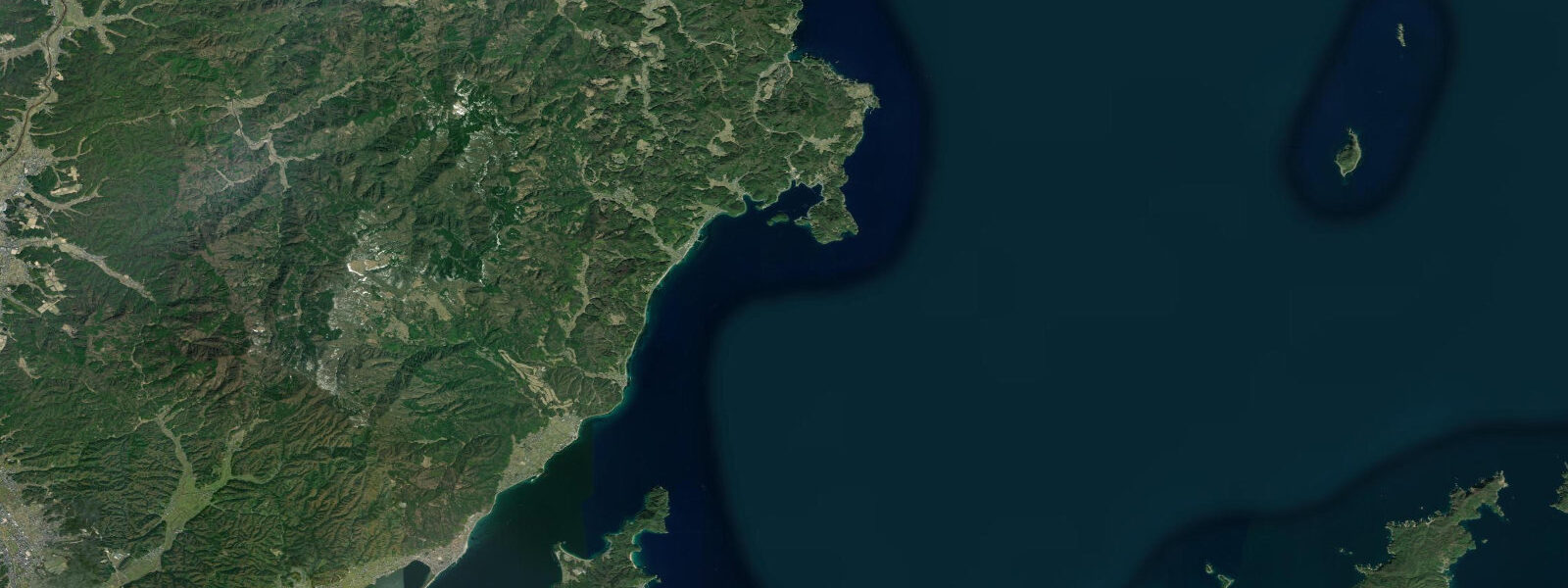
Ine is a small fishing village on the Sea of Japan coast of Kyoto Prefecture, at the northern tip of the Tango Peninsula. The defining feature is the funaya — traditional wooden boathouses built at the water's edge with the lower floor used as a garage for fishing boats and the upper floor as living space. About 230 funaya remain in the Ine no Funaya bay, where the still water of the inlet allows the boathouses to sit directly at sea level. The entire village is a national landscape preservation district. Tidal range on the Sea of Japan is minimal: mean range around 0.3 metres.
The funaya tradition has survived because the deep, protected bay of Ine-wan provides almost flat-calm water for the boathouses through most of the year. Sea of Japan winter storms (November through February) produce the only significant wave action inside the bay. The minimal tidal range means boats can be kept in the boathouse garages at any state of tide with minimal adjustment.
The fishermen of Ine work for yellowtail (hamachi), flounder (hirame), and squid (ika) in the Sea of Japan, which has genuinely different fish populations from the Pacific side. Winter yellowtail (buri) from the Sea of Japan is one of the most celebrated seafoods in western Japan — the cold water produces particularly rich, fatty fish. The Ine fishermen land smaller quantities than industrial ports but the fish quality going to local restaurants (including the Funaya restaurant in a converted boathouse) is exceptional.
For visitors, the funaya are best observed from the water. Sightseeing boats and kayak rentals operate from the small pier. Paddling through the narrow rows of boathouses at low speed, with the wooden structures reflected in the calm water and the boats at rest inside the open garage doors, is one of the more distinctive coastal experiences in Japan.
The Sea of Japan coast of Kyoto Prefecture is significantly less visited than the Pacific side or the Kyoto city centre — Ine is a 3-hour drive or bus journey from Kyoto. The combination of preserved architectural heritage, excellent winter seafood, and calm water is exceptional for the effort involved.
Predictions on this page come from Open-Meteo Marine, a gridded global ocean model. Accuracy is typically within plus or minus 45 minutes on timing and 0.2 to 0.3 metres on height — model-derived, not from a local gauge. For authoritative Japanese tide data, consult the Japan Meteorological Agency at jma.go.jp.
Tide questions about Ine
Quick answers to the most common questions about tide times, range, and water access at Ine.
What are funaya?
Funaya are traditional Japanese boathouses — wooden structures built directly at the water's edge with the ground floor as a boat garage (accessible by water) and the upper floor as living quarters. The term means literally 'boat house' in Japanese. Ine-no-Funaya bay has approximately 230 surviving funaya, one of the largest preserved concentrations in Japan. The village is designated as an Important Preservation District for Groups of Historic Buildings. Some funaya have been converted to restaurants and guesthouses for visitors.
What is the tidal range at Ine?
The Sea of Japan at Ine has a very small tidal range — mean spring range around 0.3 metres. The nearly tide-free Sea of Japan is why the funaya boathouse tradition was possible — boats sit in the same garage space at all states of tide without adjustment. This contrasts sharply with the Pacific coast, where 1.5 to 2 m tidal range would make fixed boathouse garages impractical.
How do I experience the Ine funaya village?
The best experience is from the water — sightseeing boat tours (20 to 30 minutes, departing from the small pier) give views into the boathouse interiors and along the rows of funaya. Kayak rental is also available for a more self-paced exploration. On land, the walking path around the bay passes the funaya row with viewpoints. The Funaya restaurant (a converted boathouse) serves seasonal fish; booking is recommended. Some funaya operate as guesthouses — staying overnight gives a completely different experience of the village in the quiet after day-trippers leave.
What fish is served at Ine restaurants?
Winter yellowtail (buri, December through February) from the Sea of Japan is the signature dish — the cold water produces the richest, fattiest fish of the year. Flounder (hirame), sea bream (tai), and squid (ika) are available through more of the year. The Funaya restaurant in Ine serves these fish in traditional Japanese coastal preparations; booking is advisable as the restaurant is small. The fish comes directly from the local fishermen — provenance is about as direct as possible.
How do I get to Ine from Kyoto?
Ine is about 100 km from Kyoto — roughly 3 hours by a combination of train (Kintetsu/Sanin Line to Amino) and bus, or about 2 hours by car on the Kyoto Jukan Expressway and local roads. The Tamba Tango Railway runs from Nishi-Maizuru to Amino, where buses connect to Ine. Public transport is infrequent; a hire car gives the most flexibility for exploring the Tango Peninsula coast. Accommodation options in Ine are limited — book well ahead for funaya guesthouses.
8-day tide table — Ine
Heights relative to MSL. Predictions: Open-Meteo Marine (MeteoFrance SMOC, 0.08° grid) — heights relative to MSL (not chart datum / LAT). Model-derived.
| Day | Type | Time | Height |
|---|---|---|---|
| Mon 03 Aug | High | 16:00 | 0.7m |
| Low | 23:10 | 0.4m | |
| Tue 04 Aug | High | 17:10 | 0.6m |
| Wed 05 Aug | Low | 12:00 | 0.5m |
| High | 18:00 | 0.6m | |
| Thu 06 Aug | Low | 00:00 | 0.5m |
| Fri 07 Aug | High | 07:00 | 0.7m |
| Low | 15:50 | 0.5m | |
| Sat 08 Aug | — | ||
| Sun 09 Aug | High | 09:10 | 0.8m |
| Low | 18:10 | 0.5m | |
| Mon 10 Aug | High | 08:00 | 0.8m |