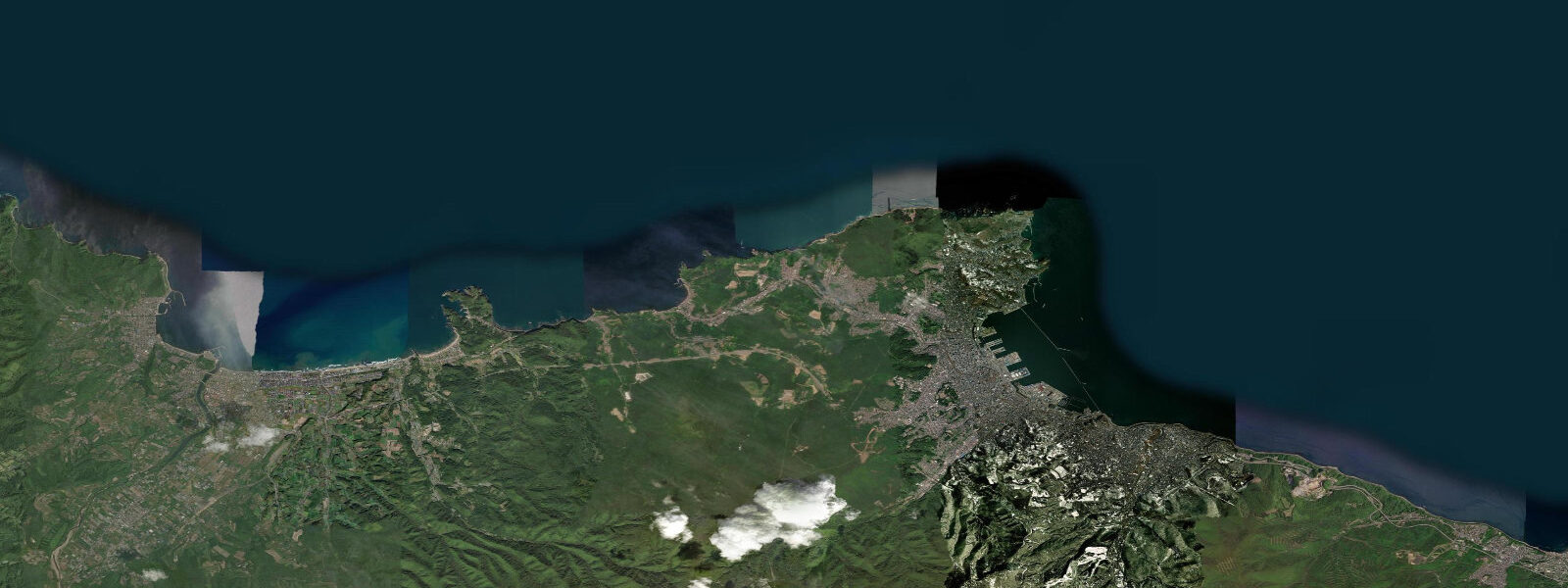
Otaru tide times
Otaru tide forecast — heights relative to MSL.
Today's tide times for Otaru
Tide times at Otaru on Monday, 3 August 2026: first high tide at 09:00. Sunrise 04:27, sunset 18:57.
Tide chart for Otaru
24-hour cosine-interpolated curve around the present moment. Heights relative to MSL. Predictions: Predictions: Open-Meteo Marine (MeteoFrance SMOC, 0.08° grid).
Sun, moon and conditions on Mon 03 Aug
Snapshot at build time — refreshes daily. Sea state from Open-Meteo Marine.
Highs and lows next 7 days
Every predicted high and low for the next week, with the daily tidal coefficient (0–120; higher = bigger swing, > 95 means stronger currents).
Other spots nearby
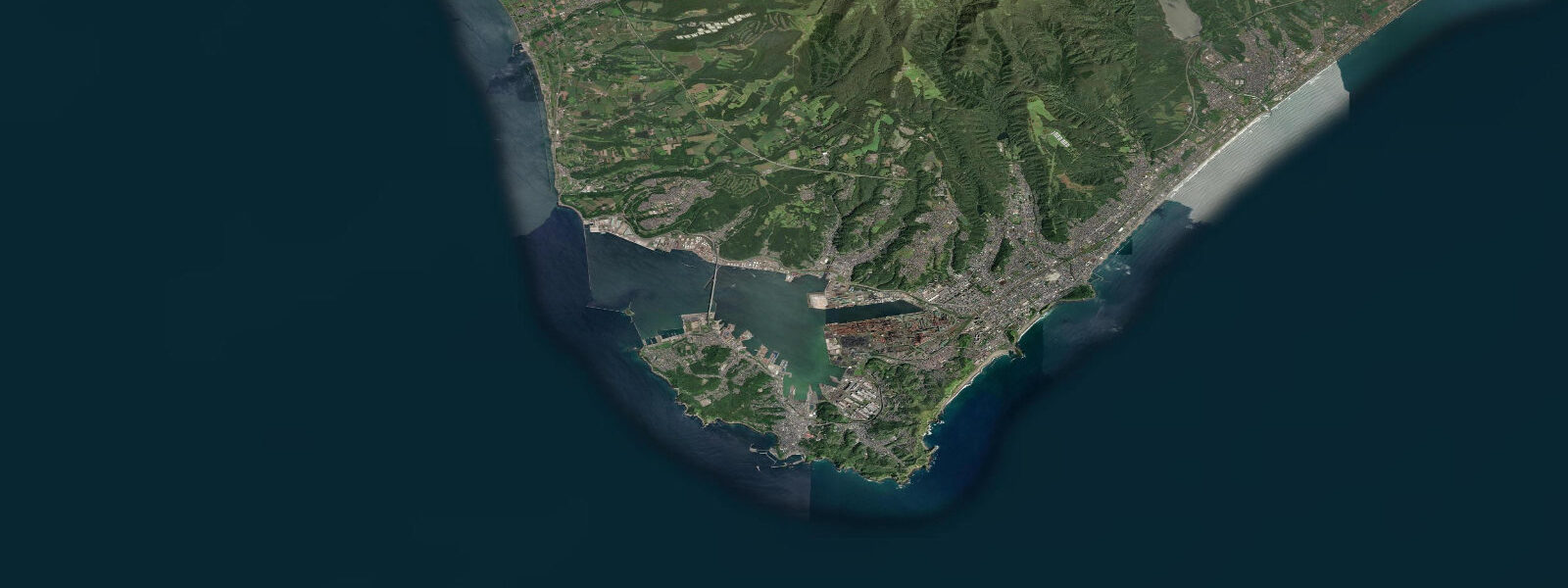
The three closest curated TideTurtle locations to Otaru, measured by great-circle distance.
Today's solunar windows
Solunar tradition: major periods are the ≈3h windows around moon transit and opposition; minor are ≈2h around moonrise and moonset. Pair with the local tide stage and wind for the best read.
About tides at Otaru
A short guide to the coastline at Otaru — geography, sea state, and what the tide is actually doing under your feet.
Otaru is 40 kilometres northwest of Sapporo on the Sea of Japan coast of Hokkaido, a former herring fishing boomtown and trading port whose preserved canal district and glass-blowing tradition attract millions of visitors annually. The sea of Japan at Otaru is the cold Sea of Japan (Japan Sea) — water temperature 20 to 24°C in summer, dropping to 8°C in winter when sea ice can push down from the north. Tidal range is semidiurnal with a mean spring range of about 0.8 metres — small, as throughout the Japanese Sea of Japan coast.
The Otaru Canal, built in 1923 as a working industrial waterway, is now lined with renovated warehouses (converted to restaurants, glass shops, and cafes), gas lanterns, and tourist boats. The canal does not flow into the sea in a navigable sense; it connects two sections of the inner harbour. The evening illumination (gas lanterns plus their reflections in the canal) is the visual signature of Otaru in every tourism brochure.
Otaru is Japan's glass-craft capital — the tradition started from the requirement for fishing floats, which were manufactured here in large quantities for the herring fishing industry. As the herring industry collapsed in the mid-20th century, the glass-blowing workshops pivoted to decorative glass. The Kitaichi Glass and Venetica Glass complexes are the main shopping destinations; working glass-blowing demonstrations are available at several studios.
Herring fishing made Otaru wealthy in the late 19th and early 20th centuries — the herring runs were so massive that the sea appeared silver from the shore. The herring collapsed completely by the 1950s and the industry vanished. The Otaru City Museum of History has an extensive display on the herring era. Contemporary fishing targets crab (kegani and hanasaki crab), scallops (hotate), and yellowtail (buri) in autumn.
The ski resort of Niseko (60 km south) brings international visitors in winter; Otaru is a day trip destination from Niseko for the canal, the sushi restaurants, and the glassware. The Otaru sushi scene is considered by many Japanese food critics as the finest outside Tokyo — the direct access to Sea of Japan seafood and the density of skilled restaurants per capita is exceptional.
Predictions on this page come from Open-Meteo Marine, a gridded global ocean model. Accuracy is typically within plus or minus 45 minutes on timing and 0.2 to 0.3 metres on height — model-derived, not from a local gauge. For authoritative Japanese tide data, consult the Japan Meteorological Agency at jma.go.jp.
Tide questions about Otaru
Quick answers to the most common questions about tide times, range, and water access at Otaru.
What is Otaru famous for?
Otaru is most famous for three things: the Otaru Canal (a preserved early 20th-century warehouse district with gas lanterns and evening reflections), glass-blowing craft (a tradition from the herring fishing float industry), and high-quality sushi (direct access to Hokkaido Sea of Japan seafood). The combination makes it one of Hokkaido's most-visited day-trip destinations from Sapporo.
What is the tidal range at Otaru?
Mean spring range at Otaru on the Sea of Japan is approximately 0.8 metres — very small, as throughout the Japanese Sea of Japan coast. The Tsushima Warm Current maintains water temperature at 20 to 24°C in summer; in winter the Sea of Japan ice pushes down from the north and coastal ice can form around Otaru's harbour in severe winters. Sea ice on the Hokkaido Sea of Japan coast is a significant winter navigational hazard.
What seafood is best in Otaru?
Sea urchin (uni from both purple sea urchin and bafun sea urchin) from the Hokkaido Sea of Japan is particularly fine — the cold, nutrient-rich water produces sweet, complex-flavoured roe. Crab (kegani horsehair crab from October, hanasaki crab from summer), scallop (hotate, farmed in Hokkaido at massive scale), and salmon (sake, during the river run autumn season) are the other highlights. Otaru's sushi restaurants have direct access to the morning fish market; lunch omakase at a counter sushi restaurant is the definitive Otaru food experience.
Is Otaru accessible as a day trip from Sapporo?
Yes — the JR Hakodate Line connects Sapporo to Otaru in 35 to 45 minutes (¥750 one way; trains every 15 to 30 minutes). The journey passes along the coast of Ishikari Bay with good sea views. The Otaru Canal, glass district, and a sushi lunch fit comfortably into a 4 to 5 hour day trip. The canal area is about 10 minutes walk from Otaru Station. Returning to Sapporo in the evening allows a full day on a Sapporo-based itinerary.
Can I do glassblowing in Otaru?
Several glass studios in Otaru offer hands-on glassblowing experiences — no prior experience required. The Kitaichi Glass No. 3 complex, Venetica Glass, and several smaller studios have 30 to 60 minute sessions where visitors make a small glass piece under instruction. Sessions require advance booking; the craft quarter around the canal area has the highest concentration of studios. The finished piece is cooled in the annealing oven and can be picked up or shipped later. Sessions from approximately ¥3,000 to ¥6,000 per person.
3-day tide table — Otaru
Heights relative to MSL. Predictions: Open-Meteo Marine (MeteoFrance SMOC, 0.08° grid) — heights relative to MSL (not chart datum / LAT). Model-derived.
| Day | Type | Time | Height |
|---|---|---|---|
| Mon 03 Aug | High | 09:00 | 0.1m |
| Tue 04 Aug | — | ||
| Wed 05 Aug | Low | 00:00 | 0.1m |