Hakodate tide times
Hakodate tide forecast — heights relative to MSL.
Today's tide times for Hakodate
Tide times at Hakodate on Monday, 3 August 2026: first high tide at 09:00, first low tide at 11:45, second high tide at 17:52. Sunrise 04:32, sunset 18:54.
Tide chart for Hakodate
24-hour cosine-interpolated curve around the present moment. Heights relative to MSL. Predictions: Predictions: Open-Meteo Marine (MeteoFrance SMOC, 0.08° grid).
Sun, moon and conditions on Mon 03 Aug
Snapshot at build time — refreshes daily. Sea state from Open-Meteo Marine.
Highs and lows next 7 days
Every predicted high and low for the next week, with the daily tidal coefficient (0–120; higher = bigger swing, > 95 means stronger currents).
Other spots nearby
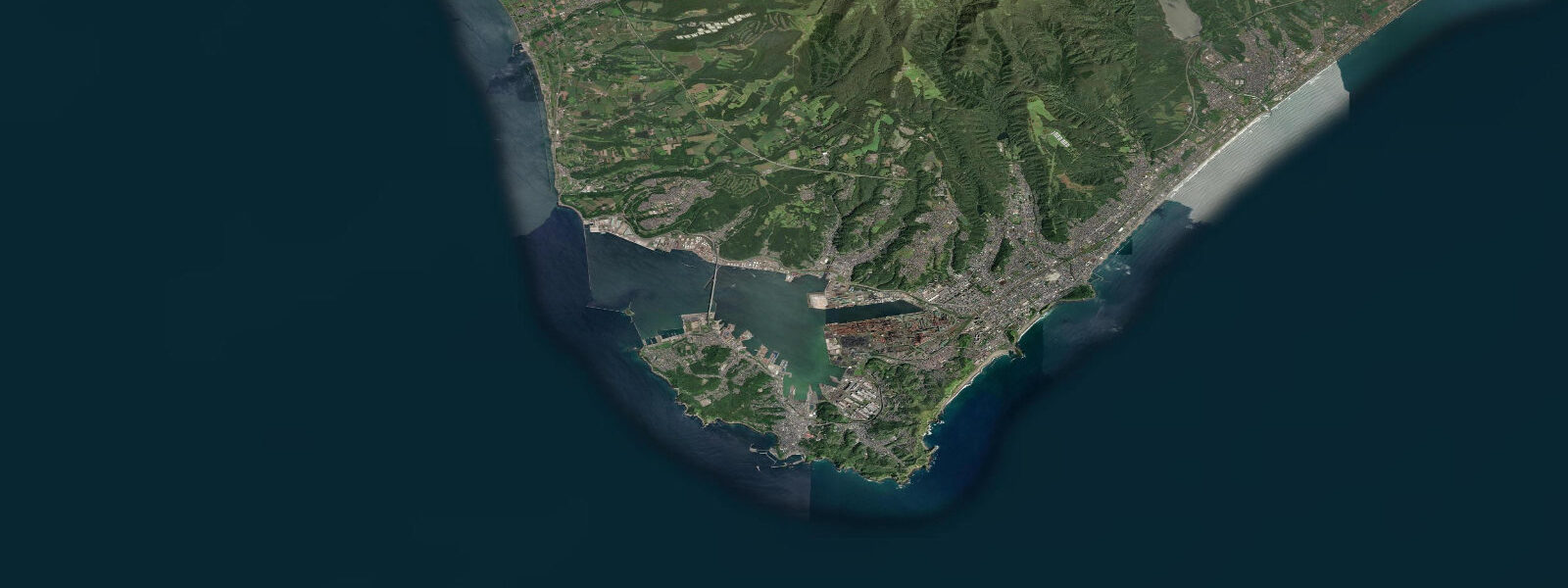
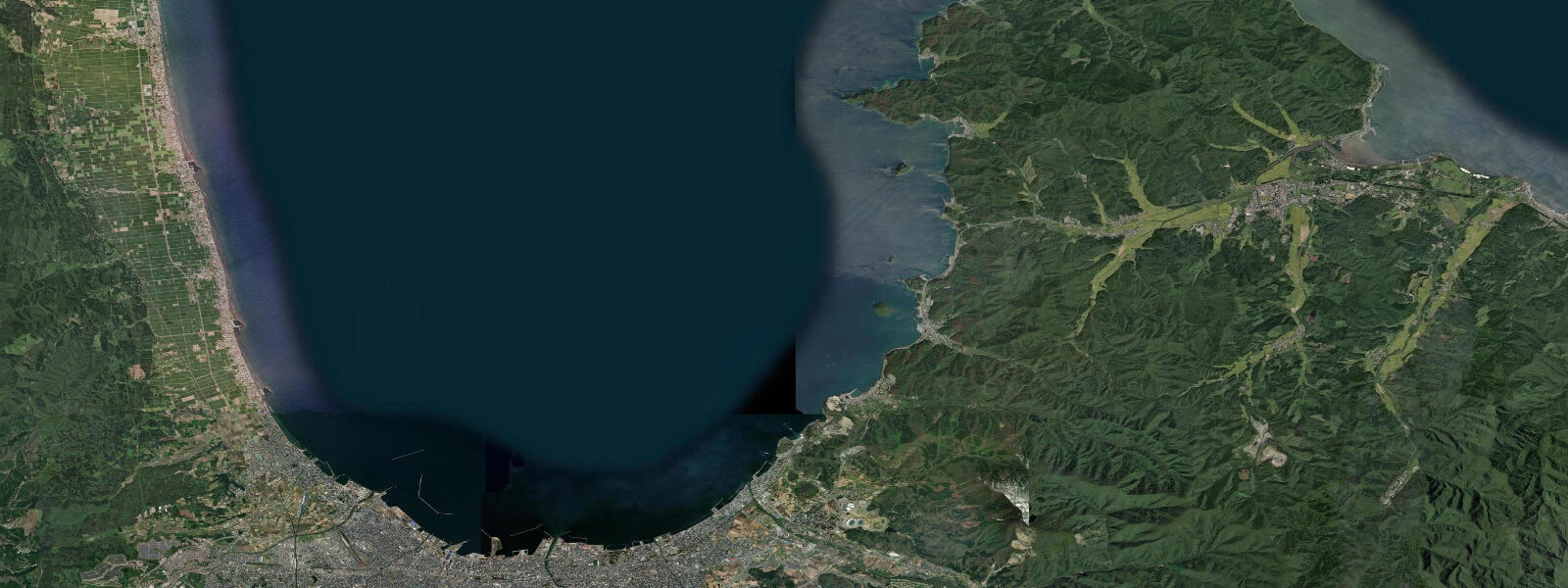
The three closest curated TideTurtle locations to Hakodate, measured by great-circle distance.
Today's solunar windows
Solunar tradition: major periods are the ≈3h windows around moon transit and opposition; minor are ≈2h around moonrise and moonset. Pair with the local tide stage and wind for the best read.
Cycle dates near Hakodate
Last spring tide on Mon 03 Aug (range 0.6m). Next spring tide on Sun 09 Aug (range 0.8m). Next neap on Tue 04 Aug.
Spring tides cluster around new and full moons (biggest swings). Neap tides land on quarter moons (smallest swings). See the spring tide and neap tide glossary entries for the why.
About tides at Hakodate
A short guide to the coastline at Hakodate — geography, sea state, and what the tide is actually doing under your feet.
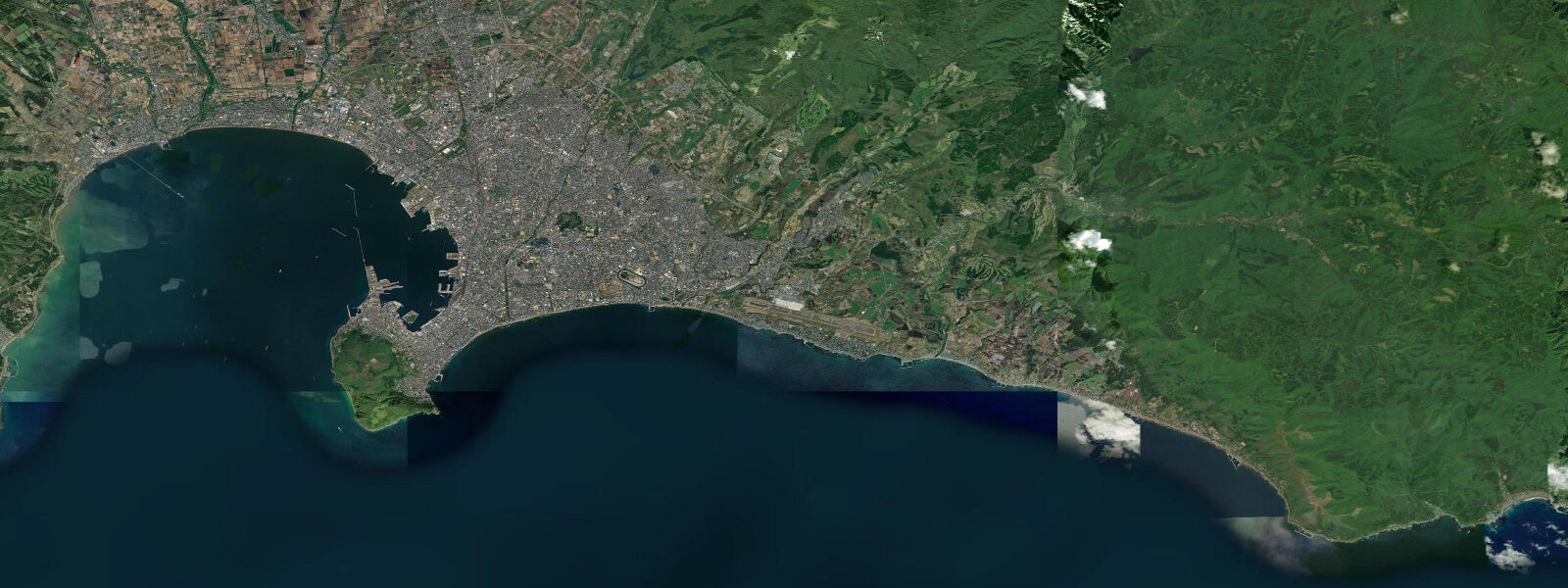
Hakodate is at the southern tip of Hokkaido, separated from Honshu by the Tsugaru Strait — one of the most current-swept sea passages in Japan. The city was the first Japanese port opened to foreign trade in 1854, and the Motomachi district on the hillside still has Western-style architecture from the Meiji-era treaty port. Tidal pattern is semidiurnal with a mean spring range of about 1.0 metres. The strait tidal current is significant — up to 4 knots in the deepest channel section.
Mount Hakodate (334 m) gives one of the most celebrated night views in Japan — the city's light pattern across the narrow peninsula is visible from the summit, with dark water on both sides (Hakodate Bay to the west and the Pacific to the east). The ropeway runs from Motomachi to the summit; sunset and dusk are the optimal viewing windows. The view is the standard reference image for the 'three great night views of Japan' designation.
Hakodate's morning market (Asaichi) is Japan's most famous seafood market after Tsukiji/Toyosu — a 5-minute walk from Hakodate Station, open from 5 a.m., selling live crab, uni (sea urchin), ikura (salmon roe), and the prized squid (ika) that Hakodate is famous for. The ika-somen (raw squid sliced like noodles, served still moving in some cases) is a Hakodate specialty available only when fresh squid are available from the fleet.
The Tsugaru Strait makes for exceptional Steller's sea eagle and white-tailed eagle viewing in winter (December through March), when the birds move down from Russia and Hokkaido along the coast. The sea eagles are visible from the ferry to Aomori on Honshu (the Seikan Tunnel has replaced most of the sea crossing traffic, but a ferry still runs seasonally).
Squid fishing (ika-tsuri) at Hakodate is done from small boats using handheld jigs with lights. The squid come to the surface in darkness attracted to the lanterns; the Hakodate fishing grounds in the outer bay produce Japanese flying squid (Todarodes pacificus) from June through October.
Predictions on this page come from Open-Meteo Marine, a gridded global ocean model. Accuracy is typically within plus or minus 45 minutes on timing and 0.2 to 0.3 metres on height — model-derived, not from a local gauge. For authoritative Japanese tide data, consult the Japan Meteorological Agency at jma.go.jp.
Tide questions about Hakodate
Quick answers to the most common questions about tide times, range, and water access at Hakodate.
What is Hakodate's morning market?
Hakodate Asaichi (morning market) is open from 5 a.m. (some stalls from 6 a.m.) and runs until roughly 2 p.m., five minutes walk from Hakodate Station. The market specialises in live crab (kegani — horsehair crab, and tarabagani — king crab), fresh uni (sea urchin from Hokkaido waters), ikura (salmon roe), and fresh squid in season. The market has full-service restaurants (donburi rice bowls are the standard breakfast); buying fresh seafood to take away is also possible at the stalls.
What is the tidal range at Hakodate?
Mean spring range at Hakodate is approximately 1.0 metre. The Tsugaru Strait current (up to 4 knots) is a more significant navigational factor than the tidal range for boat users in the strait. Inside Hakodate Bay, the current is moderated and tidal range is the primary variable. The ferry crossing to Aomori (historically via the Seikan Tunnel route) was historically planned around current windows in the strait.
Is ika-somen really served live?
In some restaurants, yes — the squid is filleted tableside and the sliced sashimi (ika-somen) is placed back on the still-moving squid body, giving the appearance of 'live' serving. The iridescent skin of the squid continues to change colour briefly after preparation. This is a seasonal specialty available only when fresh flying squid (Todarodes pacificus) are in season (June through October). Outside season, the squid is flash-frozen and thawed — still excellent, but without the live presentation.
When can I see Steller's sea eagles near Hakodate?
Steller's sea eagles and white-tailed eagles move south from Siberia and northern Hokkaido in December through March, following ice-free coastal waters. The Tsugaru Strait and the southern Hokkaido coast around Hakodate are within the winter range; the birds are visible from headlands and fishing ports. The best concentrated viewing in Hokkaido is further north around Lake Furen and Rausu on the Shiretoko Peninsula — Hakodate is on the southern edge of the winter range but still produces sightings near the fishing harbour.
How do I reach Hakodate from Tokyo?
The Hokkaido Shinkansen (Hayabusa service) from Tokyo Station reaches Shin-Hakodate-Hokuto Station in about 4 hours (¥20,000–¥27,000); a local train connects to Hakodate Station in 20 minutes. Flights from Tokyo (Haneda) to Hakodate Airport take 1.5 hours; several daily services. The Seikan Tunnel (the world's longest undersea rail tunnel, 53.9 km) carries the Shinkansen under the Tsugaru Strait — an engineering marvel that replaced the historic ferry.
8-day tide table — Hakodate
Heights relative to MSL. Predictions: Open-Meteo Marine (MeteoFrance SMOC, 0.08° grid) — heights relative to MSL (not chart datum / LAT). Model-derived.
| Day | Type | Time | Height |
|---|---|---|---|
| Mon 03 Aug | High | 09:00 | -0.0m |
| Low | 11:45 | -0.3m | |
| High | 17:52 | 0.3m | |
| Tue 04 Aug | Low | 00:10 | -0.2m |
| High | 06:00 | 0.3m | |
| Low | 12:04 | -0.2m | |
| High | 18:20 | 0.4m | |
| Wed 05 Aug | Low | 00:55 | -0.2m |
| High | 18:40 | 0.4m | |
| Thu 06 Aug | Low | 01:54 | -0.2m |
| High | 19:18 | 0.4m | |
| Fri 07 Aug | Low | 03:15 | -0.2m |
| High | 20:06 | 0.5m | |
| Sat 08 Aug | Low | 04:45 | -0.2m |
| High | 21:15 | 0.5m | |
| Sun 09 Aug | Low | 06:18 | -0.2m |
| High | 22:54 | 0.5m | |
| Mon 10 Aug | Low | 07:21 | -0.3m |