Shimonoseki, Chugoku tide times
Shimonoseki, Chugoku tide forecast — heights relative to MSL.
Today's tide times for Shimonoseki, Chugoku
Tide times at Shimonoseki, Chugoku on Tuesday, 4 August 2026: first low tide at 09:00, first high tide at 12:40, second low tide at 18:36. Sunrise 05:29, sunset 19:15.
Tide chart for Shimonoseki, Chugoku
24-hour cosine-interpolated curve around the present moment. Heights relative to MSL. Predictions: Predictions: Open-Meteo Marine (MeteoFrance SMOC, 0.08° grid).
Sun, moon and conditions on Tue 04 Aug
Snapshot at build time — refreshes daily. Sea state from Open-Meteo Marine.
Highs and lows next 7 days
Every predicted high and low for the next week, with the daily tidal coefficient (0–120; higher = bigger swing, > 95 means stronger currents).
Other spots nearby
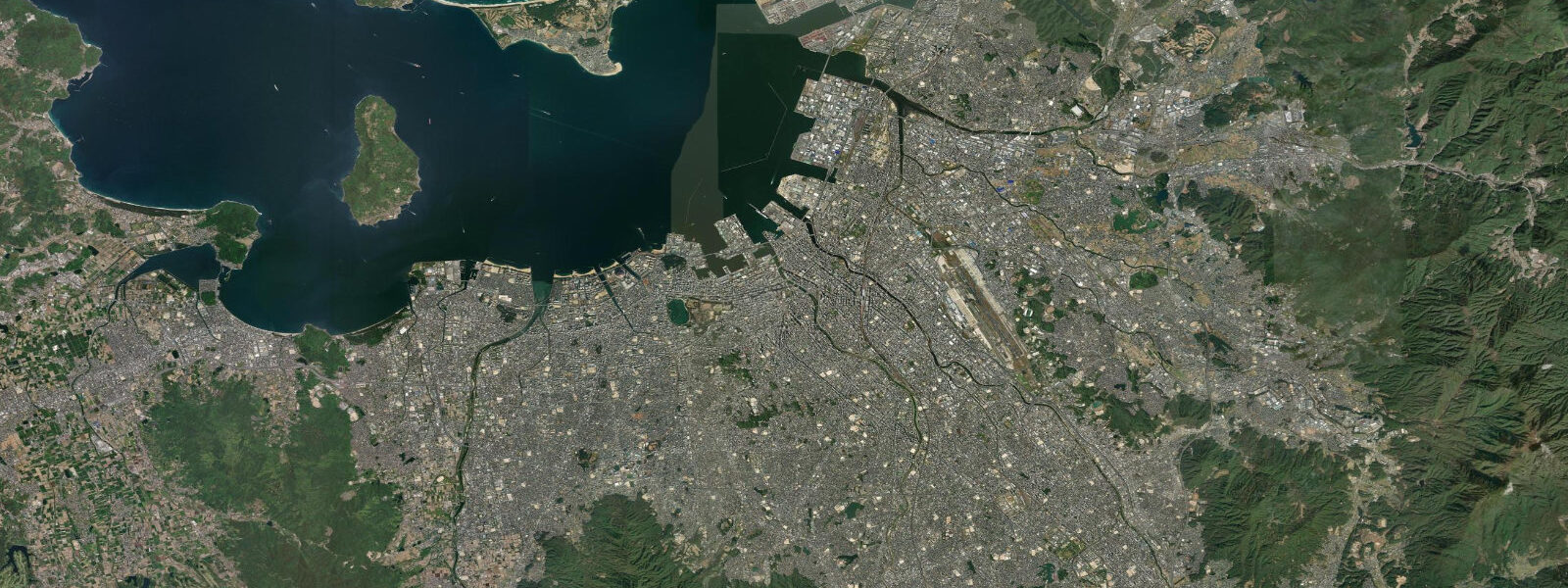
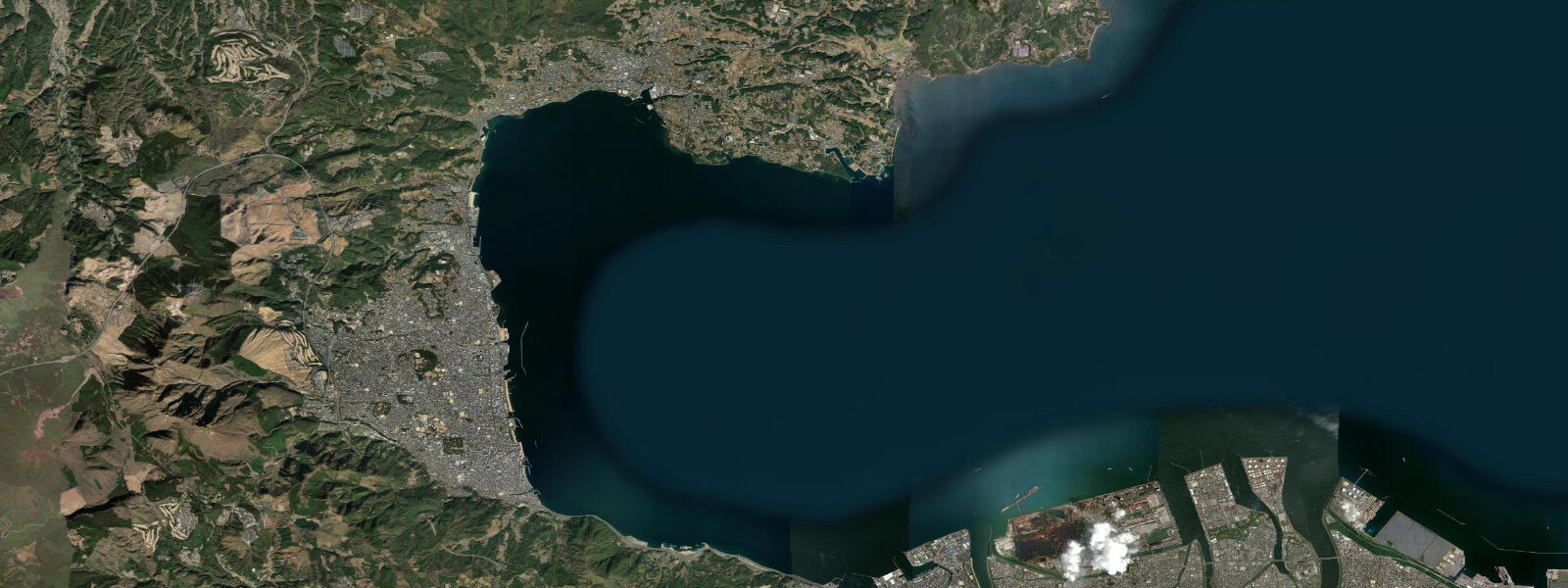
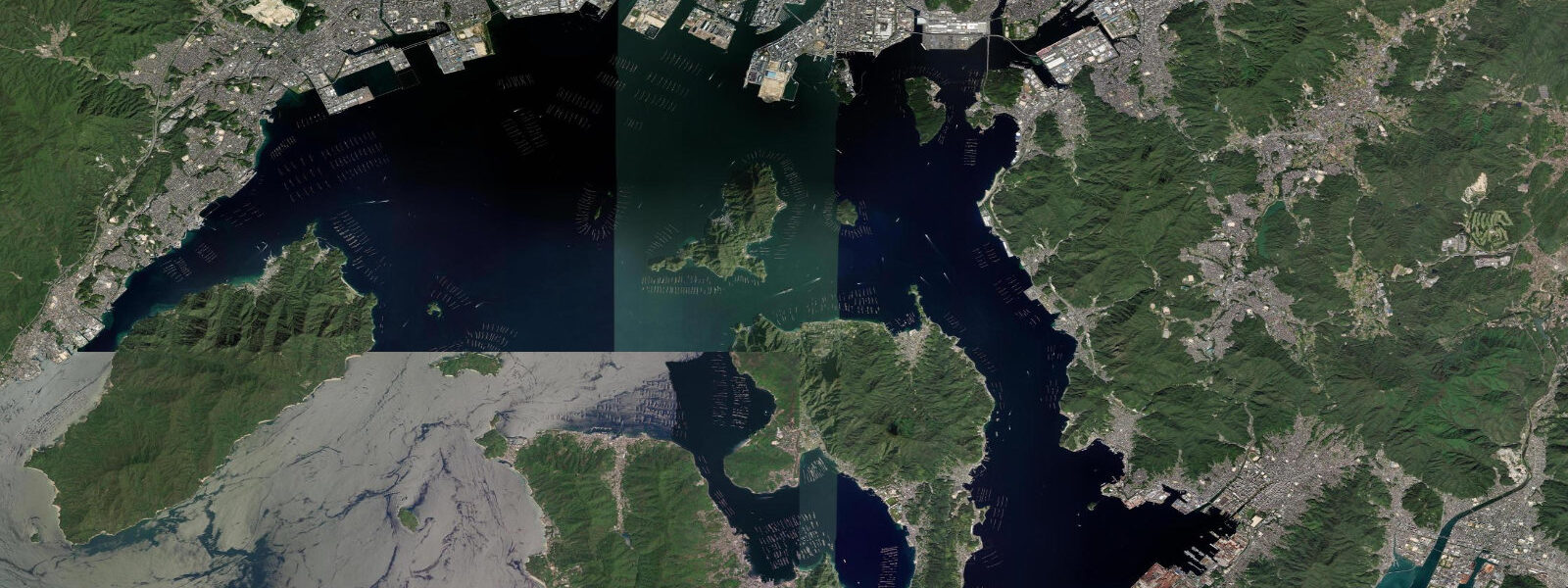
The three closest curated TideTurtle locations to Shimonoseki, Chugoku, measured by great-circle distance.
Today's solunar windows
Solunar tradition: major periods are the ≈3h windows around moon transit and opposition; minor are ≈2h around moonrise and moonset. Pair with the local tide stage and wind for the best read.
Cycle dates near Shimonoseki, Chugoku
Last spring tide on Tue 04 Aug (range 0.8m). Next spring tide on Mon 10 Aug (range 1.2m). Next neap on Sat 08 Aug.
Spring tides cluster around new and full moons (biggest swings). Neap tides land on quarter moons (smallest swings). See the spring tide and neap tide glossary entries for the why.
About tides at Shimonoseki, Chugoku
A short guide to the coastline at Shimonoseki, Chugoku — geography, sea state, and what the tide is actually doing under your feet.
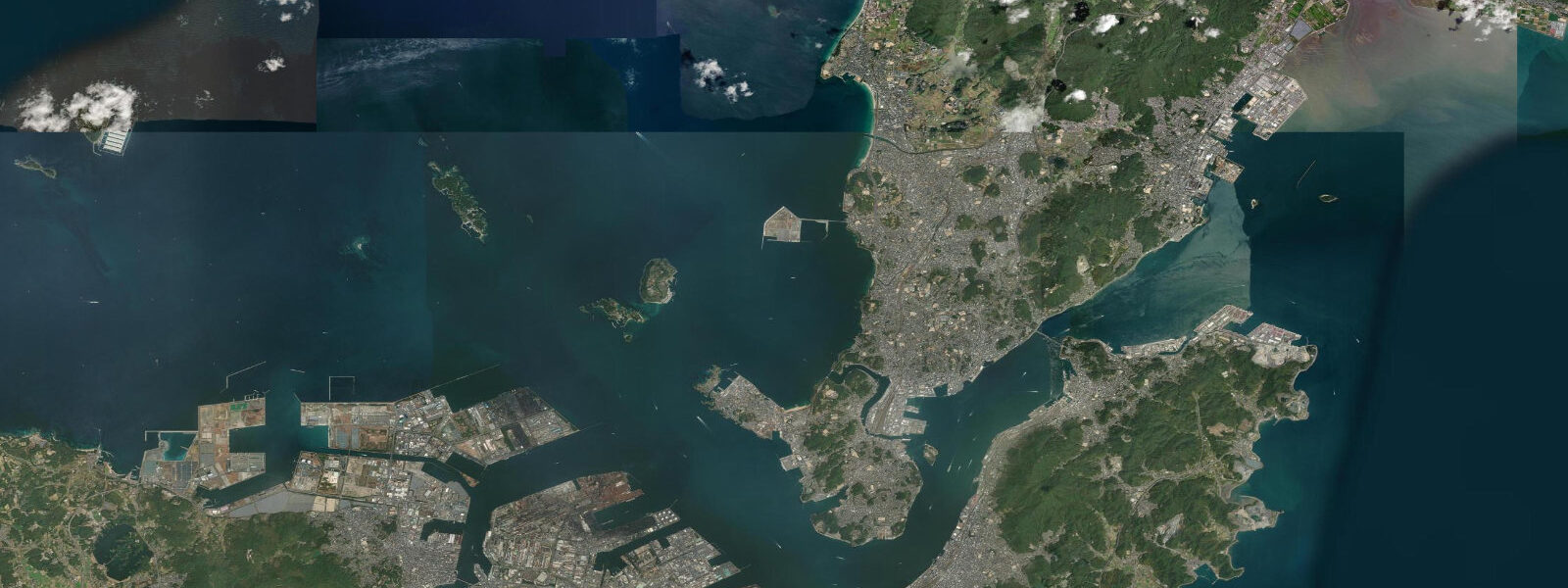
Shimonoseki sits at the western tip of Honshū, facing the Kanmon Strait — the 700-metre-wide passage that connects the Seto Inland Sea to the Sea of Japan and separates Honshū from Kyūshū. This is one of the most intensively tidal stretches of water in Japan, and the physics are straightforward: the Seto Inland Sea on the east and the Sea of Japan on the west fill and drain at slightly different rates and times, and the Kanmon Strait is the only connection between them at this point. The pressure differential drives a current that reaches 4 to 5 knots at peak spring ebb — white water visible from the waterfront on a strong spring tide.
The Seto Inland Sea operates on a semidiurnal tidal cycle with a mean range of 1.5 to 2.5 m at Shimonoseki. The timing of high water varies by roughly 20 minutes between the eastern and western ends of the strait depending on the tidal phase, which produces the asymmetric flow that makes the Kanmon current so strong. Slack water — the brief window when the current reverses between ebb and flood — lasts 15 to 20 minutes on neap tides and sometimes less than 10 minutes on springs. Mariners transiting the strait plan their passage around this window.
The Kanmonkyo suspension bridge crosses the strait at 65 m above the water surface, its clearance calculated to let large container vessels pass at all tidal states. The bridge is the visible symbol of the crossing, but underneath it runs the Kanmon Tunnel — a pedestrian and cycling passage that descends beneath the seabed at the narrowest point of the strait. It is the only walkable undersea tunnel in Japan. The mid-point of the tunnel sits roughly 58 m below sea level, passing directly under the tidal current that runs overhead. The walk from Shimonoseki to the Moji side (Kitakyūshū, Fukuoka Prefecture) takes about 25 minutes at a normal pace.
The ferry between Shimonoseki and Moji runs every 30 minutes and takes 5 minutes to cross. It is the fastest crossing and also the most direct way to observe the Kanmon current at work. Ferry captains do not wait for slack water — the ferry runs on schedule regardless of tide state — but they angle the approach to compensate for the set of the current. On a strong spring ebb the ferry visibly crab-angles across the strait, bow pointing upstream of the landing, letting the current push the hull sideways toward the pier. Watching this manoeuvre from the forward deck on a clear day is a compact demonstration of how tidal current is handled in practice.
Shimonoseki accounts for 60 to 70 percent of Japan's fugu (tiger puffer fish, Takifugu rubripes) trade. The fish are caught in the waters of the Kanmon Strait and adjacent Seto Inland Sea, where the strong tidal currents and nutrient mixing produce the conditions the species prefers. The Karato Ichiba market on the Shimonoseki waterfront is open to the public and handles the bulk of the fugu wholesale trade. The auction floor is active from 05:00; public access to the retail section of the market opens later in the morning. Prepared fugu — sashimi, fugu hot pot (tecchiri), and fugu skin salad — is available at restaurants throughout the city, with the market area having the highest concentration.
Hinoyama Park sits on the hillside above Shimonoseki's western waterfront, accessible by ropeway or a 20-minute walk from the city. The park gives an elevated perspective over the full width of the Kanmon Strait — from the bridge span to the ferry crossing to the port of Moji on the far shore. The tidal current direction and intensity are readable from this height: on a spring ebb the white water and turbulence in the main channel are visible to the naked eye. Dawn and dusk are the best times for the view; the strait is lit by port and bridge lights through the night.
For photographers, the Kanmon Strait at spring ebb from Hinoyama Park or from the waterfront level gives consistent material: the cresting current, the angled ferry, the bridge over the turbulence. The best light is within the first hour after sunrise, when the eastward-facing shore of Kyūshū catches light while the Shimonoseki side is still partly in shadow.
Tide data for Shimonoseki, Chugoku comes from the Open-Meteo Marine API, a gridded model product. Timing accuracy is ±45 minutes, height accuracy ±0.3 m — usable for trip planning, not for navigation.
Tide questions about Shimonoseki, Chugoku
Quick answers to the most common questions about tide times, range, and water access at Shimonoseki, Chugoku.
How fast does the tidal current run through the Kanmon Strait at Shimonoseki, and when is it strongest?
The Kanmon Strait current peaks at 4 to 5 knots during spring ebb tides — one of the strongest tidal flows in Japan. The ebb runs strongest when the Seto Inland Sea is draining westward toward the Sea of Japan, roughly 2 to 3 hours after high water at Shimonoseki. The current is asymmetric: the ebb is generally stronger than the flood due to the interaction between the tidal phase difference across the strait and the residual drift of Seto Inland Sea water. Spring tides, which occur around new and full moon, produce the peak currents. Neap tides, midway between, drop the current to 2 to 3 knots. Slack water between ebb and flood lasts 10 to 20 minutes.
Can you walk through the Kanmon Tunnel between Shimonoseki and Kyūshū, and is the tide relevant to the walk?
Yes — the Kanmon Tunnel is a pedestrian and cycling tunnel connecting Shimonoseki (Honshū) to Moji in Kitakyūshū (Kyūshū). It is the only walkable undersea tunnel in Japan. The tunnel descends to roughly 58 m below sea level at its deepest point, passing directly beneath the tidal current running overhead in the strait. The walk from entrance to exit takes about 25 minutes at a normal pace. The tunnel is open daily; cyclists are required to walk their bikes through the undersea section. Tidal state does not affect the tunnel itself — it is sealed infrastructure — but many walkers time the crossing to emerge on the Kyūshū side around low water and then watch the current begin to flood from the Moji waterfront.
How do the Shimonoseki–Moji ferries handle the strong tidal current in the strait?
The ferry crosses every 30 minutes and takes 5 minutes, running on schedule regardless of tidal state. Ferry captains compensate for the current by angling the approach: on a strong spring ebb, the bow points upstream (eastward, toward the Inland Sea) while the hull is pushed sideways toward the opposite pier by the current. From the forward deck this appears as a pronounced crab angle — the bow pointing well off the heading of travel. On neap tides the correction is smaller. There is no waiting for slack water. The ferry terminal at Shimonoseki is at the base of the Karato Ichiba market, making it easy to combine a market visit with a crossing to the Moji retro district on the Kyūshū side.
What is the best time and location to photograph the Kanmon Strait tidal current?
Hinoyama Park, on the hillside above Shimonoseki's western waterfront, gives the best elevated perspective over the full width of the strait. Accessible by ropeway or a 20-minute uphill walk, the park overlooks the bridge span, the ferry route, and the Moji shore. On spring ebb tides the turbulence and white water in the channel are visible from the park without optical aids. The best light for photography is the first hour after sunrise — the Kyūshū shore catches the eastward light while the Shimonoseki side is still in softer shadow. At waterfront level, the ferry landing area near Karato Ichiba gives a close-up view of the angled ferry approach. Check the tide table for spring ebb timing and arrive 30 minutes before the predicted peak.
Why is fugu so associated with Shimonoseki, and is the fish market open to the public?
Shimonoseki handles 60 to 70 percent of Japan's fugu (tiger puffer, Takifugu rubripes) wholesale trade. The fish are sourced from the Kanmon Strait and adjacent Seto Inland Sea, where strong tidal mixing and nutrient upwelling support the populations. The Karato Ichiba market on the Shimonoseki waterfront is open to the public. The wholesale auction floor is active from around 05:00 and is the busiest part of the market; the retail section opens later in the morning for general visitors. Prepared fugu — sashimi (fugu-sashi), hot pot (tecchiri), and skin salad — is available at restaurants throughout the city. A licence is required by Japanese law to prepare fugu for sale; restaurants in Shimonoseki have the highest concentration of licensed fugu chefs in Japan.
8-day tide table — Shimonoseki, Chugoku
Heights relative to MSL. Predictions: Open-Meteo Marine (MeteoFrance SMOC, 0.08° grid) — heights relative to MSL (not chart datum / LAT). Model-derived.
| Day | Type | Time | Height |
|---|---|---|---|
| Tue 04 Aug | Low | 09:00 | 0.4m |
| High | 12:40 | 0.9m | |
| Low | 18:36 | 0.2m | |
| Wed 05 Aug | High | 01:06 | 1.0m |
| Low | 07:22 | 0.2m | |
| Thu 06 Aug | High | 01:48 | 1.0m |
| Low | 08:20 | 0.2m | |
| Fri 07 Aug | High | 02:38 | 1.1m |
| Low | 10:06 | 0.3m | |
| Sat 08 Aug | High | 03:50 | 1.0m |
| Low | 11:50 | 0.3m | |
| High | 18:45 | 0.7m | |
| Sun 09 Aug | Low | 13:10 | 0.2m |
| High | 20:00 | 0.8m | |
| Mon 10 Aug | Low | 00:42 | 0.6m |
| High | 07:03 | 1.2m | |
| Low | 14:16 | 0.1m | |
| High | 20:42 | 0.9m | |
| Tue 11 Aug | Low | 01:45 | 0.5m |
| High | 08:00 | 1.3m |