Negril tide times
Negril tide forecast — heights relative to MSL.
Today's tide times for Negril
Tide times at Negril on Monday, 3 August 2026: first low tide at 11:00am. Sunrise 10:52am, sunset 11:46pm.
Tide chart for Negril
24-hour cosine-interpolated curve around the present moment. Heights relative to MSL. Predictions: Predictions: Open-Meteo Marine (MeteoFrance SMOC, 0.08° grid).
Sun, moon and conditions on Mon 03 Aug
Snapshot at build time — refreshes daily. Sea state from Open-Meteo Marine.
Highs and lows next 7 days
Every predicted high and low for the next week, with the daily tidal coefficient (0–120; higher = bigger swing, > 95 means stronger currents).
Other spots nearby
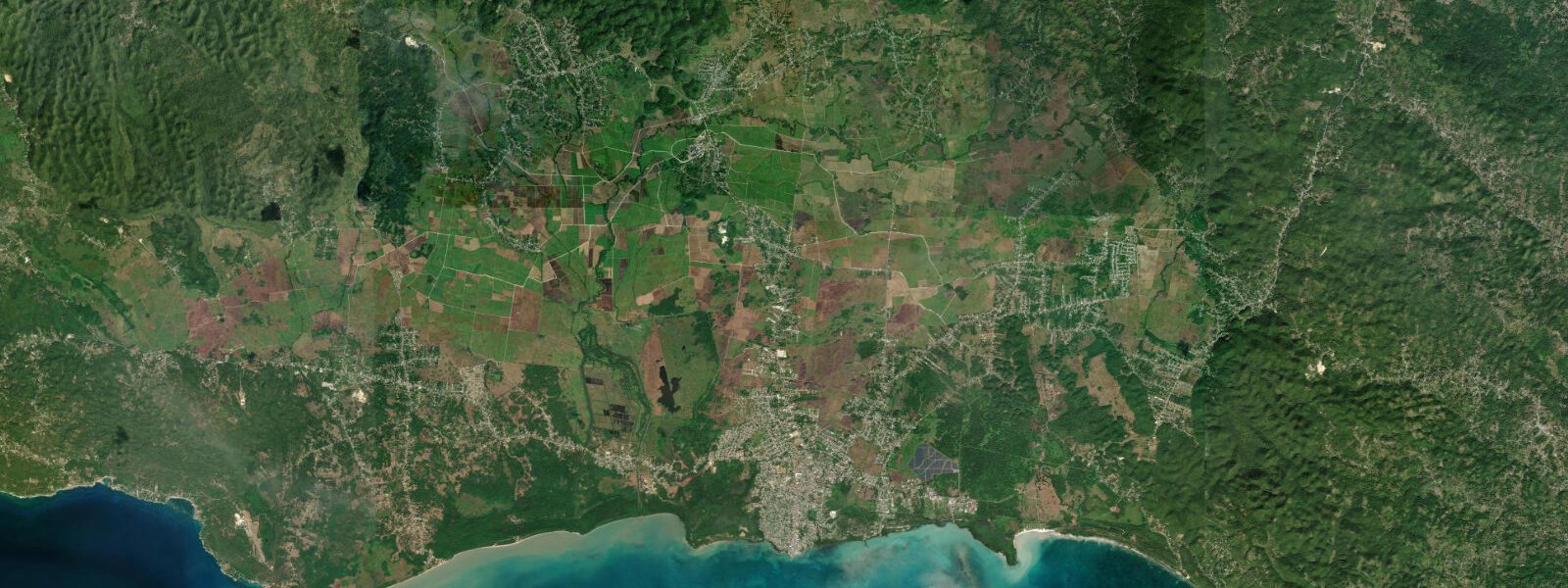
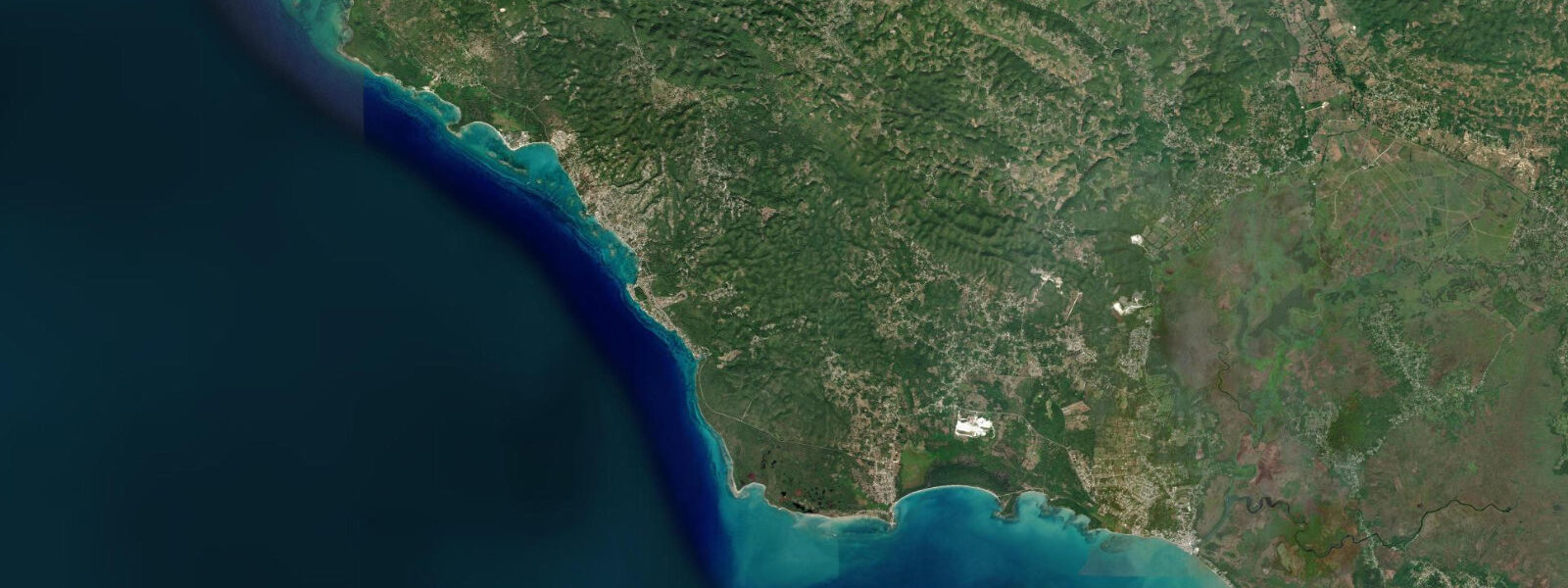
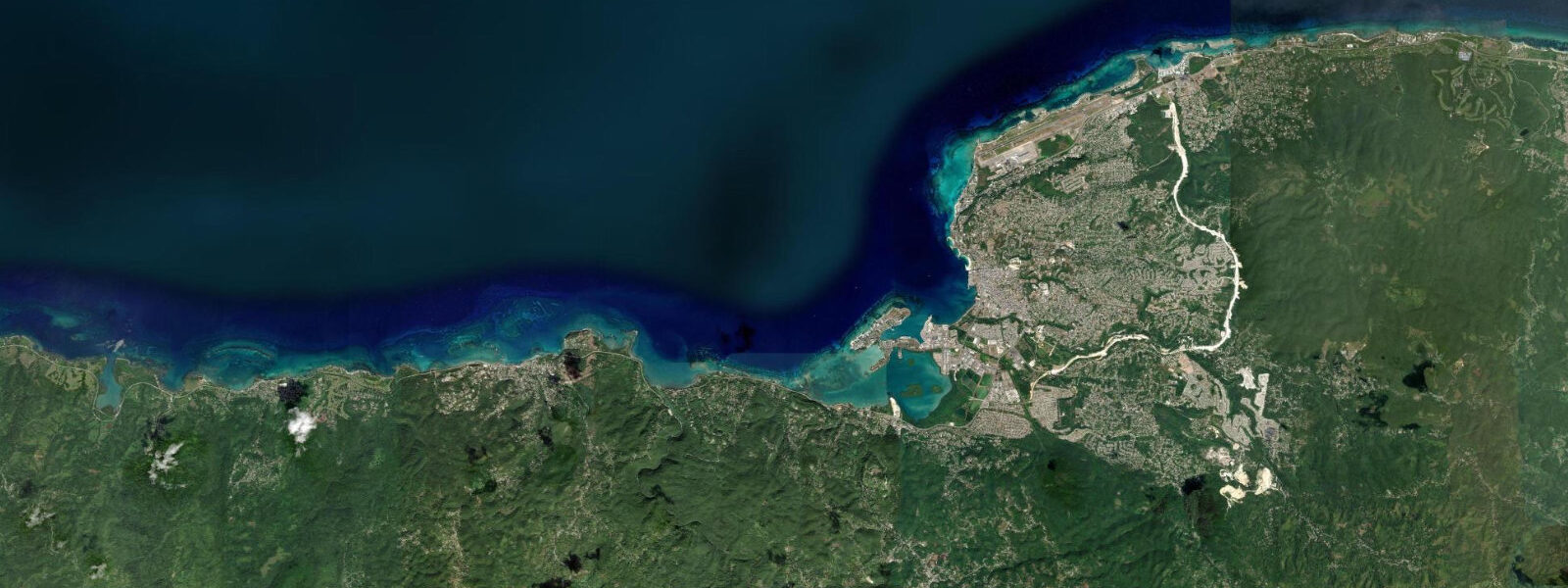
The three closest curated TideTurtle locations to Negril, measured by great-circle distance.
Today's solunar windows
Solunar tradition: major periods are the ≈3h windows around moon transit and opposition; minor are ≈2h around moonrise and moonset. Pair with the local tide stage and wind for the best read.
About tides at Negril
A short guide to the coastline at Negril — geography, sea state, and what the tide is actually doing under your feet.
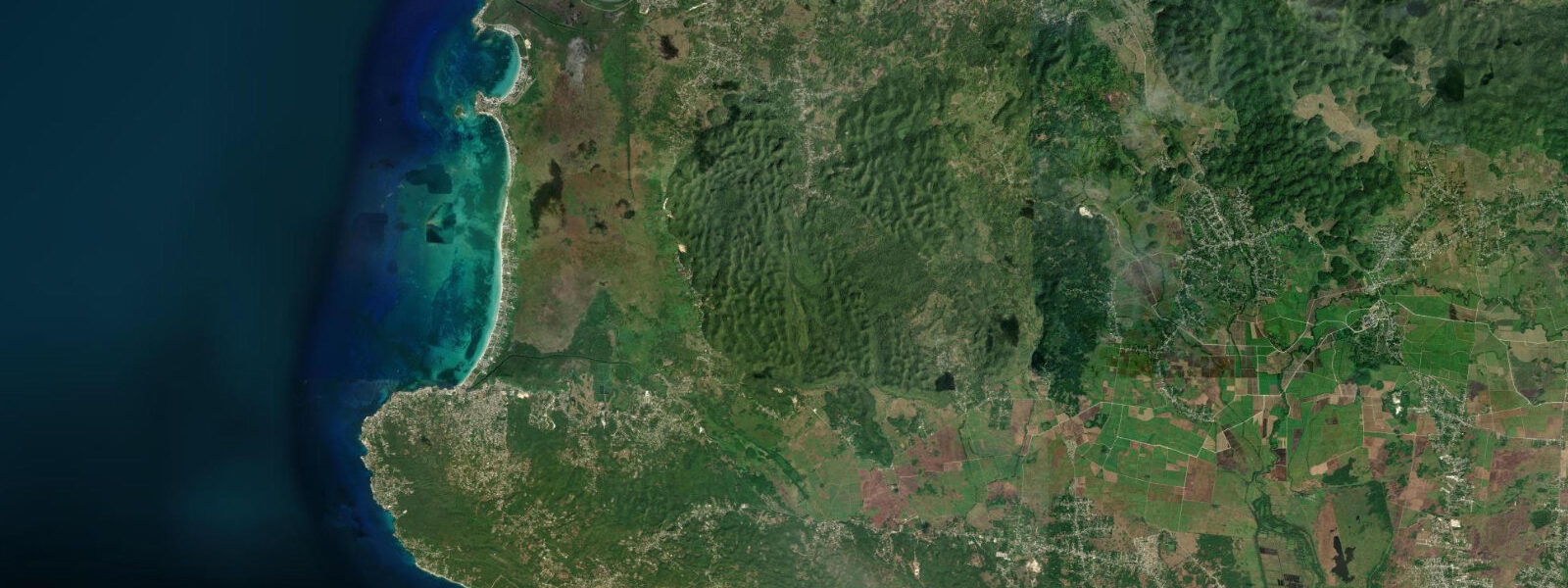
Negril is Jamaica's west coast resort town, built on two contrasting coastlines divided by the lighthouse point. To the north, Seven Mile Beach — one of the longest uninterrupted sand beaches in the Caribbean — curves toward the Negril Hills in a gradual arc. To the south, the West End cliffs drop 10 to 15 metres straight into the sea from volcanic limestone platforms, lined with open-air bars and restaurants that serve the sunset cult that defines this stretch of Jamaican coast.
Tidal range at Negril is 0.3 to 0.6 metres — Caribbean micro-tidal. The trade wind direction matters more than tidal state: onshore northeast trades push a gentle swell against the north beach; the west-facing cliffs catch afternoon westerly sea breezes. At low tide, the reef platform at the cliff base is partially exposed, creating pools and channels that snorkellers access by ladder or jump.
Seven Mile Beach is largely calm water — a gradual slope, no significant shore break, and the reef offshore keeping the wave energy manageable. The northern end near the Negril River mouth is less developed and more exposed; the central section in front of the main resort strip is the calmest and most serviced (water sports rentals, beach bars, volleyball nets). The southern end near the lighthouse is rockier and transitions to the cliff coast.
The West End cliffs are the signature Negril experience for people not interested in beach resort infrastructure. Rick's Café, about 3 kilometres along the cliff road, has organised the cliff-jumping tradition into a nightly show — staff divers perform from heights up to 10 metres, and guests can jump from lower platforms (4–7 metres) during the day. The sunset from the cliff edge is the main event regardless of jumping interest; the limestone dissolves into arches, grottoes, and overhangs that catch the evening light.
Snorkelling is accessible from the cliff base at low tide: the limestone reef structure creates walls and channels with healthy coral at 3–8 metres. Visibility on calm days exceeds 15 metres. The Negril Marine Park has reduced fish take since the 1990s and the reef has recovered measurably — parrotfish, snapper, and grouper are the common sightings. Glass-bottom boat trips from Seven Mile Beach offer views of the reef without getting wet.
Predictions on this page come from Open-Meteo Marine, a gridded global ocean model. Accuracy is typically within plus or minus 45 minutes on timing and 0.2 to 0.3 metres on height — model-derived, not from a local gauge. For authoritative Jamaica tide data, consult the Maritime Authority of Jamaica.
Tide questions about Negril
Quick answers to the most common questions about tide times, range, and water access at Negril.
What is the tidal range at Negril?
Negril is Caribbean micro-tidal — spring range is 0.3 to 0.6 metres. Trade wind patterns and passing tropical systems affect conditions more than tidal state. On Seven Mile Beach the calm, gradual slope makes tidal state largely irrelevant for swimmers. On the West End cliffs, low tide exposes more of the limestone reef platform, which improves snorkelling access to the base pools and channels.
Is Seven Mile Beach really 7 miles long?
Approximately — the beach stretches about 11 kilometres from the Negril River estuary south to the lighthouse point, depending on exactly where you measure. The central section fronting the main resort strip is about 6 kilometres of continuous sand. High tide narrows the beach on some sections; low tide reveals more sand. Most visitors experience a 2–3 kilometre section of the full length.
What is the best time of day to visit the West End cliffs?
Sunset. The west-facing limestone cliffs catch the last light directly and the view over the Caribbean Sea as the sun drops is the experience Negril is famous for. Rick's Café and most cliff-side bars are at their most lively in the 90 minutes before and during sunset. Arrive 30–45 minutes before sunset for a seat with a direct view. During the day the cliffs are quieter and better for snorkelling from the base.
Is cliff jumping at Negril safe?
From the lower platforms (4–7 metres) at established venues like Rick's Café, yes — staff check the water below before each jump and the rocks are marked. Higher jumps (8–12 metres) carry real risk and should only be attempted by people experienced with cliff jumping. The limestone underwater has projections; always check the entry zone visually before jumping even at established spots. Alcohol and jumping do not combine well — this is worth stating plainly.
When is hurricane season in Negril?
The Atlantic hurricane season runs June through November, with the statistical peak in September. Jamaica sits in the main hurricane belt; Negril, on the western tip of the island, is exposed to both Atlantic and Caribbean storm tracks. Most years pass without a direct hit, but the risk is real. Travel insurance covering hurricane cancellation is strongly recommended for June–November bookings. December through May is the dry season and hurricane-free.
7-day tide table — Negril
Heights relative to MSL. Predictions: Open-Meteo Marine (MeteoFrance SMOC, 0.08° grid) — heights relative to MSL (not chart datum / LAT). Model-derived.
| Day | Type | Time | Height |
|---|---|---|---|
| Mon 03 Aug | Low | 11:00 | 0.4m |
| Tue 04 Aug | High | 04:50 | 0.6m |
| Low | 11:50 | 0.4m | |
| High | 19:00 | 0.6m | |
| Wed 05 Aug | — | ||
| Thu 06 Aug | Low | 14:00 | 0.4m |
| Fri 07 Aug | High | 08:00 | 0.6m |
| Low | 15:10 | 0.3m | |
| High | 23:00 | 0.7m | |
| Sat 08 Aug | Low | 05:00 | 0.5m |
| High | 23:45 | 0.7m | |
| Sun 09 Aug | Low | 05:50 | 0.4m |
| High | 23:00 | 0.7m | |