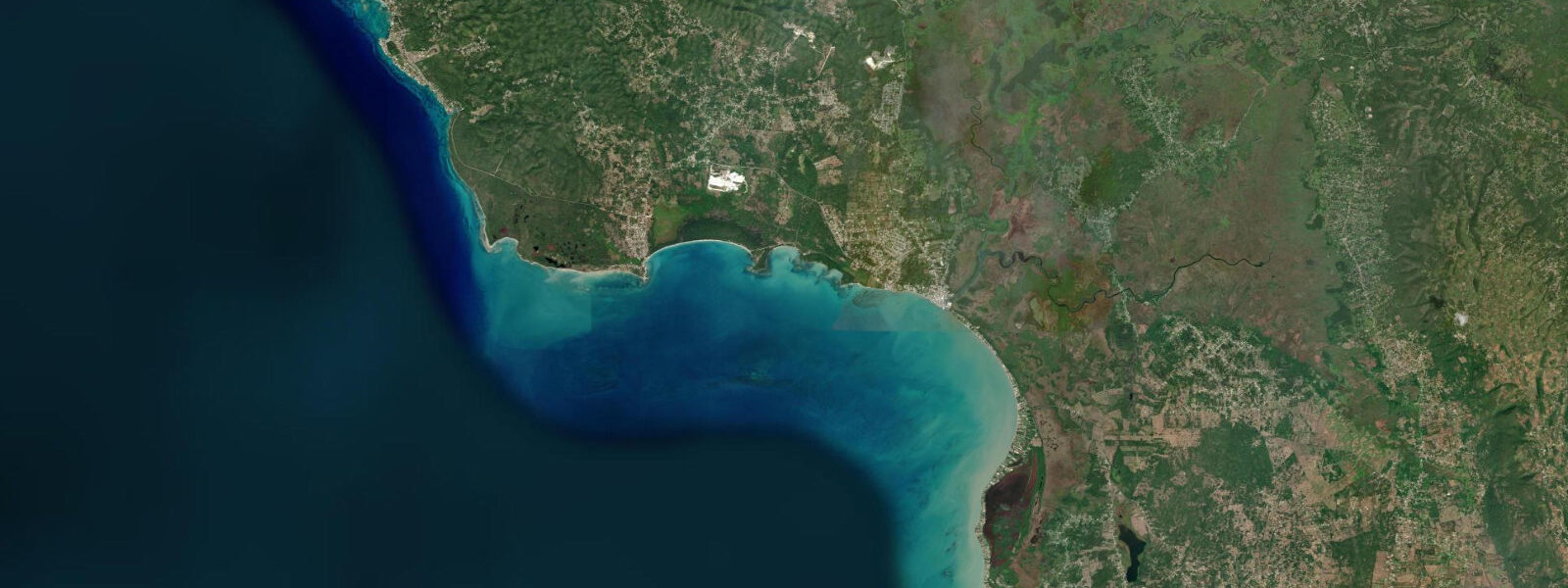
Black River, Jamaica tide times
Black River, Jamaica tide forecast — heights relative to MSL.
Today's tide times for Black River, Jamaica
Tide times at Black River, Jamaica on Tuesday, 4 August 2026: first low tide at 11:50am. Sunrise 10:50am, sunset 11:44pm.
Tide chart for Black River, Jamaica
24-hour cosine-interpolated curve around the present moment. Heights relative to MSL. Predictions: Predictions: Open-Meteo Marine (MeteoFrance SMOC, 0.08° grid).
Sun, moon and conditions on Tue 04 Aug
Snapshot at build time — refreshes daily. Sea state from Open-Meteo Marine.
Highs and lows next 7 days
Every predicted high and low for the next week, with the daily tidal coefficient (0–120; higher = bigger swing, > 95 means stronger currents).
Other spots nearby
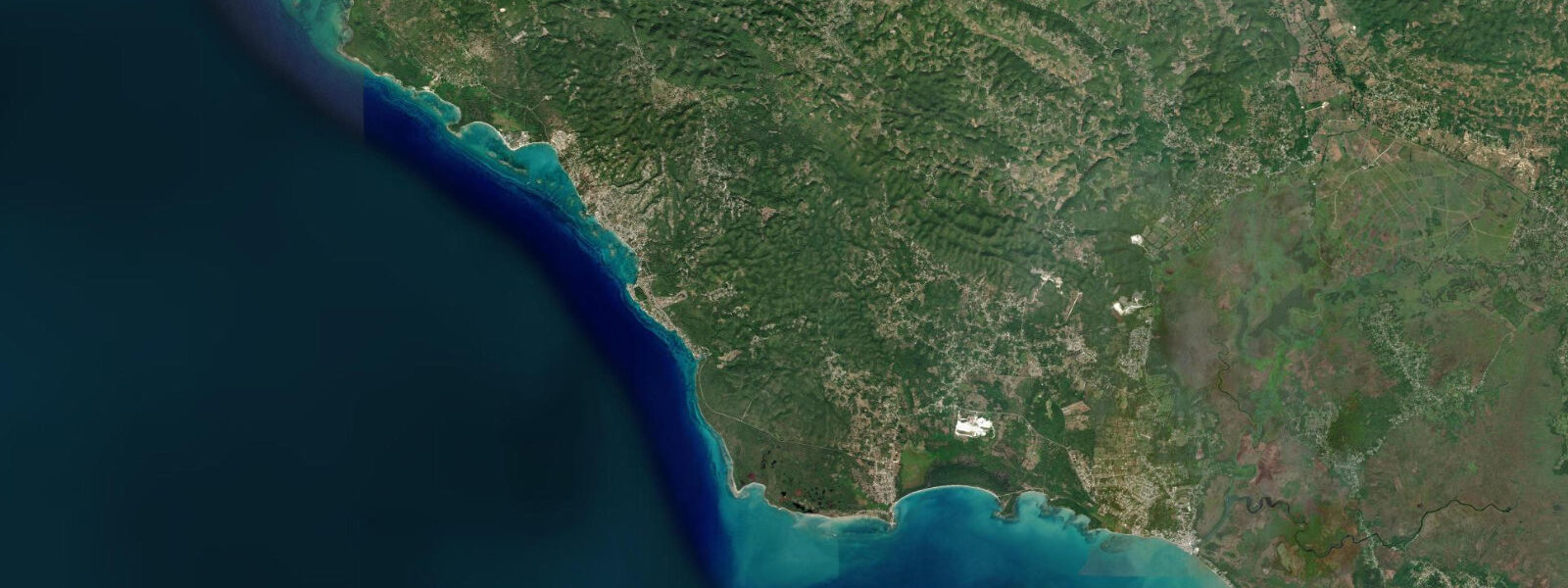
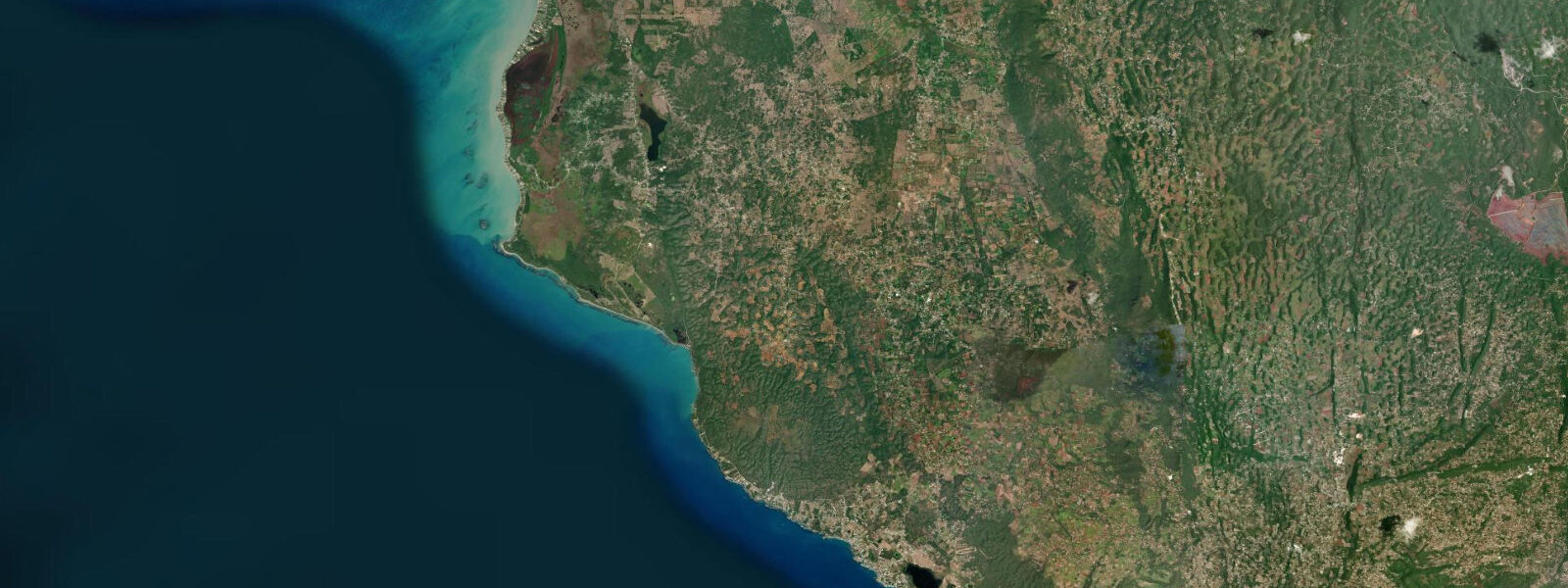
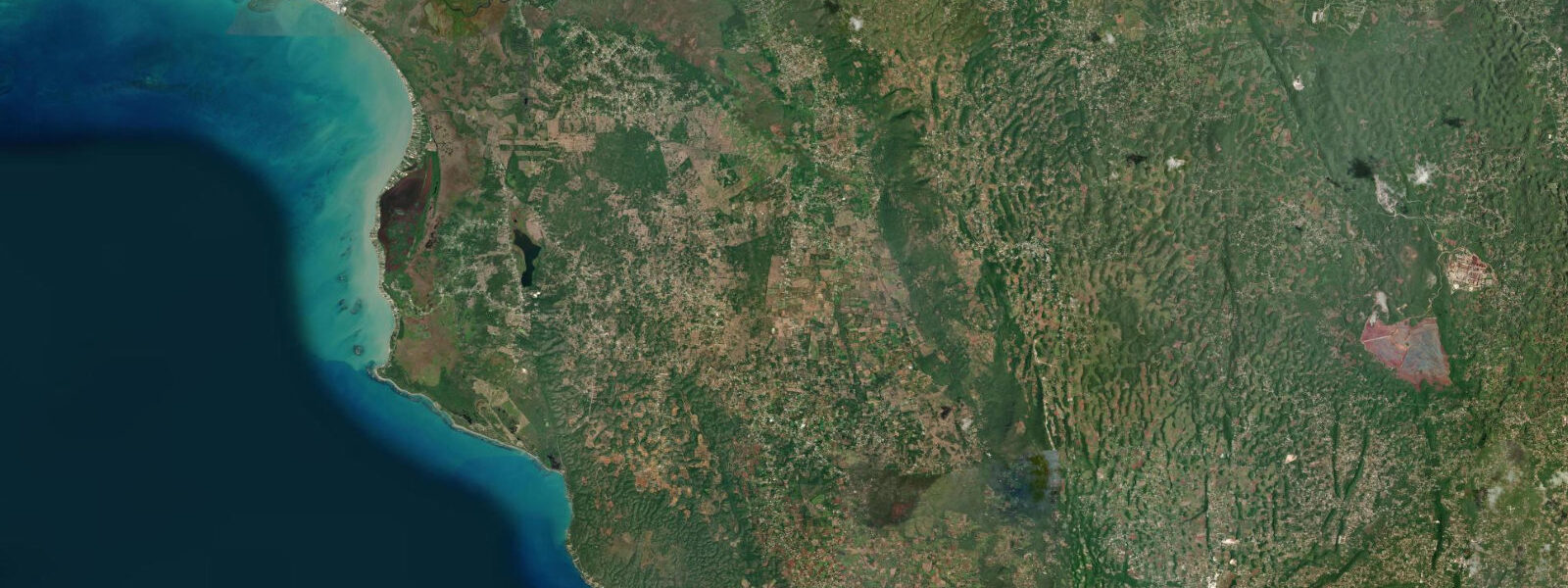
The three closest curated TideTurtle locations to Black River, Jamaica, measured by great-circle distance.
Today's solunar windows
Solunar tradition: major periods are the ≈3h windows around moon transit and opposition; minor are ≈2h around moonrise and moonset. Pair with the local tide stage and wind for the best read.
About tides at Black River, Jamaica
A short guide to the coastline at Black River, Jamaica — geography, sea state, and what the tide is actually doing under your feet.
Black River is the commercial centre of St. Elizabeth Parish, sitting at the mouth of Jamaica's longest navigable river on the southwest coast. The town itself — with its Victorian-era wooden buildings, gas-lit streets that predate electric lighting, and the surviving Hendricks Building on the High Street — holds more intact nineteenth-century architecture than almost anywhere else in Jamaica. The river that gives the town its name runs dark from the tannins of the Great Morass wetland upstream, a characteristic that gives the Black River crocodile safaris their atmospheric backdrop.
The tidal regime at Black River is Caribbean mixed semidiurnal, microtidal: spring range typically 0.4 to 0.6 metres. The river mouth is the most practically tide-sensitive location in town — at low water the river bar sits closer to the surface and the shallow draft safari boats navigate with more care; at high water the approach is straightforward. The south coast of Jamaica faces the Caribbean directly and is generally calmer than the Atlantic-exposed north coast, sheltered from the northeast trade swell by the island mass above.
The Black River crocodile safari is the activity that most visitors come for. Licensed boat operators run 90-minute trips up the Black River from the town bridge, through the Great Morass wetland, past the nesting areas of the American crocodile — the species present in Jamaica — and the resident bird life of the swamp. The Great Morass is the largest wetland in Jamaica: over 125 square kilometres of mangrove, reed grass, and open water. The crocodile population is healthy and readily visible; morning tours before the heat haze reduces visibility are the most productive. The best time is typically at low water when the crocodiles are basking on exposed mud banks rather than submerged.
The fishery at the Black River estuary is significant. The mixing zone where river and sea meet is productive for snook (callaloo fish in Jamaican vernacular), tarpon, and mullet at certain tide states. Snook stack in the tidal channels of the Morass on the incoming flood, feeding the current edge; tarpon roll at the river mouth on calm mornings. Shore casting from the town bridge and the river bank is a longstanding local practice, though the commercial fishing pressure on the estuary is considerable.
The southwest Jamaica coast from Black River west to Treasure Beach is a working agricultural and fishing coastal strip, largely unaffected by the north coast resort development. The fish market at the Black River pier is active and prices reflect the direct local fishery; fresh snapper and lobster are the primary species. The lobster season in Jamaica runs from April through June and September through February, with closed seasons to protect breeding stock.
Tide predictions for Black River come from Open-Meteo Marine, a global gridded ocean model. Accuracy is typically within plus or minus 45 minutes on timing and 0.2 to 0.3 metres on height.
The Black River is Jamaica's longest river at approximately 53 kilometres, draining the Santa Cruz Mountains and the southern slopes of the Don Figuerero range through the Great Morass before reaching the sea. The scale of the wetland is not immediately apparent from the town — you see a river, not a swamp system. The full extent of the Morass (over 125 square kilometres) only becomes clear on the crocodile safari trip, when the boat turns north into the interior and the scale of the reed beds, open water, and mangrove becomes visible from water level.
The town's colonial architecture has survived partly because Black River's post-sugar economy did not generate the capital for large-scale redevelopment. The Victorian wooden commercial buildings are functional, maintained by necessity rather than preservation consciousness, and some of the most intact nineteenth-century street facades in Jamaica are found here between the town clock and the fire station.
Tide questions about Black River, Jamaica
Quick answers to the most common questions about tide times, range, and water access at Black River, Jamaica.
What is the Black River crocodile safari and when should I go?
The Black River crocodile safari is a 90-minute boat trip up the Black River from the town bridge into the Great Morass wetland, conducted by licensed local operators. The American crocodile is the species present — up to 4 metres in large adults — and the population in the Morass is healthy and regularly visible from the boats. Morning tours before 10:00 are most productive: the animals are basking rather than submerged, the light is better for photography, and the heat haze that reduces visibility through the swamp in the afternoon hasn't formed. Low water state, when mud banks are exposed, produces the best crocodile viewing. Multiple operators work from the bridge area; prices are broadly similar and bookable on the day.
What is the tide range at Black River?
Caribbean microtidal — mixed semidiurnal, spring range 0.4 to 0.6 metres. The south coast of Jamaica faces the Caribbean Sea and is sheltered from the Atlantic tidal signal by the island mass, producing a small but consistent twice-daily cycle. The tide affects the river bar at the Black River mouth — low water raises the bar into the navigation zone for shallow-draft boats, while high water clears it. For the crocodile safari operators, the low tide window when mud banks are exposed is the preferred tour condition. Tide predictions come from Open-Meteo Marine — accuracy within plus or minus 45 minutes on timing and 0.2 to 0.3 metres on height.
Is Black River town worth visiting beyond the safari?
Yes. Black River has more intact Victorian colonial architecture than almost anywhere else in Jamaica. The Hendricks Building on High Street, the surviving wooden buildings along the waterfront, and the gas-lamp infrastructure installed before Jamaica had centralised electricity are genuinely interesting for anyone interested in Caribbean colonial history. The town is small — the centre is walkable in under 30 minutes — and the fish market at the pier is one of the more active on the southwest coast. The combination of a morning crocodile safari, a walk through the town, and lunch at the waterfront kiosks makes a practical full-morning itinerary.
What fish can I catch in the Black River estuary?
The Black River estuary and the Great Morass tidal channels hold snook (callaloo fish), tarpon, mullet, and various snapper species. Snook feed on the incoming flood in the tidal channels of the Morass; tarpon roll at the river mouth on calm mornings and respond to live bait or large plugs. Shore casting from the town bridge and the river banks south of it is a longstanding local practice. Commercial fishing pressure on the estuary is high, so yield for recreational anglers is variable. The closed season for lobster (mid-June through August and mid-February through March) is observed by local operators; check current Jamaica Fisheries Division regulations before fishing.
How far is Black River from Treasure Beach?
Treasure Beach is approximately 25 kilometres east of Black River on the B7 coast road — a 30 to 40 minute drive along the south coast, passing through the junction town of Junction and down through the dry limestone hills of St. Elizabeth to the coast. The road is narrow and two-lane with moderate traffic. The character of the two places is different: Black River is a market town with a working river estuary and a historical core; Treasure Beach is a loose collection of fishing bays with community-based tourism and no major resort infrastructure. Both make a practical day combination from a base in either location.
7-day tide table — Black River, Jamaica
Heights relative to MSL. Predictions: Open-Meteo Marine (MeteoFrance SMOC, 0.08° grid) — heights relative to MSL (not chart datum / LAT). Model-derived.
| Day | Type | Time | Height |
|---|---|---|---|
| Tue 04 Aug | Low | 11:50 | 0.4m |
| Wed 05 Aug | High | 21:00 | 0.7m |
| Thu 06 Aug | Low | 14:00 | 0.4m |
| High | 22:00 | 0.7m | |
| Fri 07 Aug | Low | 15:00 | 0.3m |
| High | 22:50 | 0.7m | |
| Sat 08 Aug | Low | 16:10 | 0.3m |
| High | 23:45 | 0.7m | |
| Sun 09 Aug | Low | 17:10 | 0.3m |
| Mon 10 Aug | High | 00:18 | 0.7m |
| Low | 18:00 | 0.3m | |
| High | 23:00 | 0.7m |