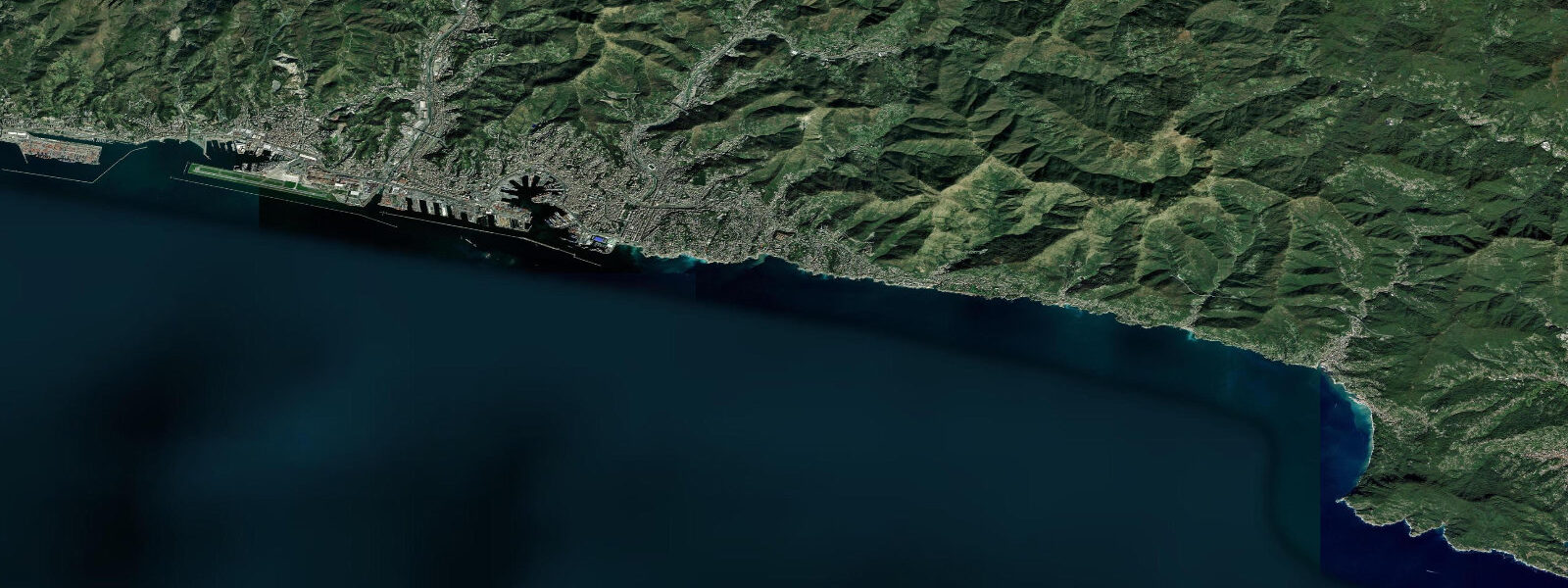
Genoa tide times
Genoa tide forecast — heights relative to MSL.
Today's tide times for Genoa
Tide times at Genoa on Monday, 3 August 2026: first high tide at 02:00, first low tide at 17:50. Sunrise 06:12, sunset 20:48.
Tide chart for Genoa
24-hour cosine-interpolated curve around the present moment. Heights relative to MSL. Predictions: Predictions: Open-Meteo Marine (MeteoFrance SMOC, 0.08° grid).
Sun, moon and conditions on Mon 03 Aug
Snapshot at build time — refreshes daily. Sea state from Open-Meteo Marine.
Highs and lows next 7 days
Every predicted high and low for the next week, with the daily tidal coefficient (0–120; higher = bigger swing, > 95 means stronger currents).
Other spots nearby
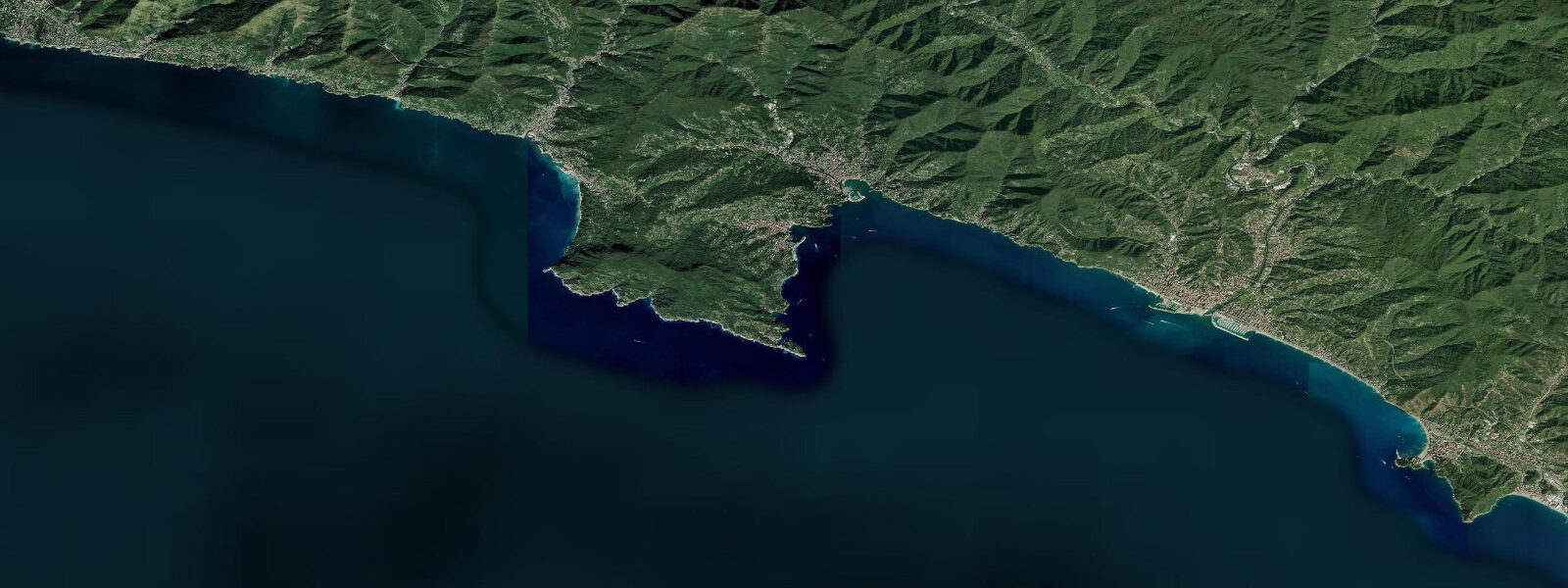
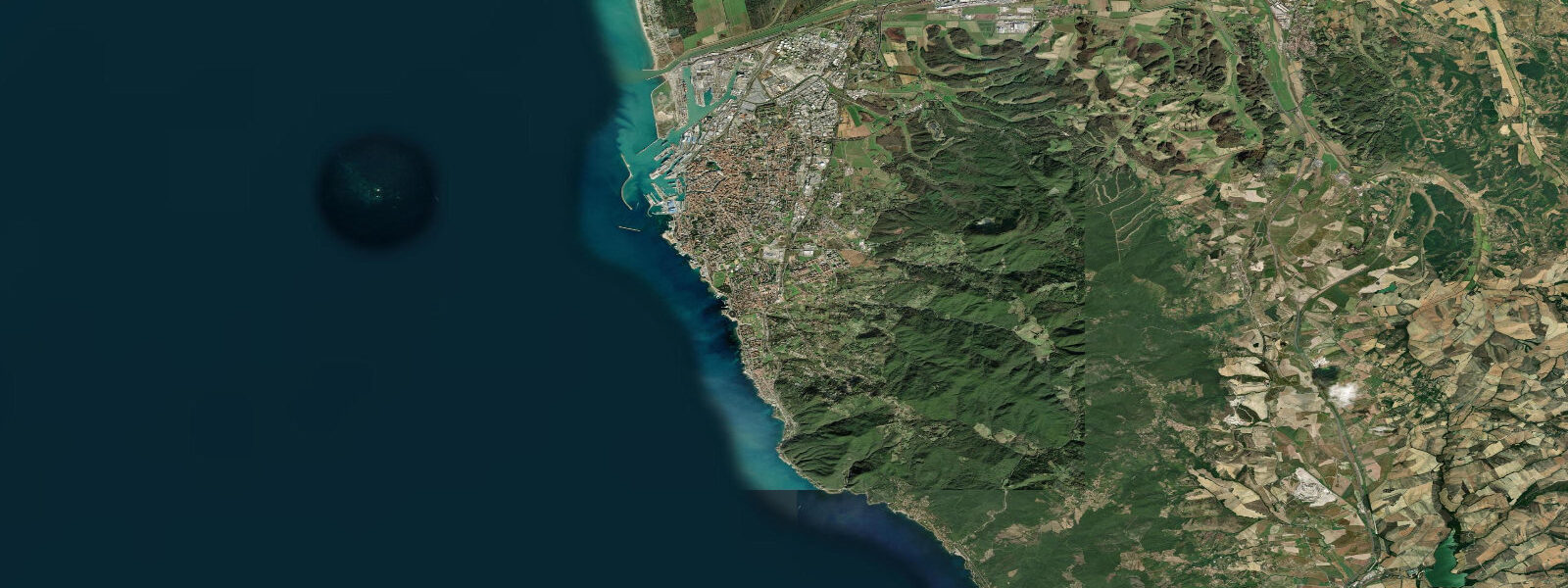
The three closest curated TideTurtle locations to Genoa, measured by great-circle distance.
Today's solunar windows
Solunar tradition: major periods are the ≈3h windows around moon transit and opposition; minor are ≈2h around moonrise and moonset. Pair with the local tide stage and wind for the best read.
About tides at Genoa
A short guide to the coastline at Genoa — geography, sea state, and what the tide is actually doing under your feet.
Genoa built its first maritime empire before Columbus was born. The city's caruggi — the tightest medieval street network in Europe, some lanes less than a metre wide — spill from the Apennine ridgeline straight to a working port that still handles container ships, cruise liners, and ferries to Sardinia in the same basin where Genoese merchants financed Spanish colonialism from behind counting-house windows. The old port area, the Porto Antico, was rebuilt by Renzo Piano for Expo 1992 and now contains the Aquarium of Genoa, the Galata Maritime Museum, and a biosphere greenhouse that serves as an incongruous tropical rainforest canopy over the Ligurian waterfront.
Tidal range in Genoa is Mediterranean-standard: 0.2 to 0.35 metres at springs. Like all of the Italian Riviera, the coast is shaped more by Tramontane and Libeccio wind patterns than by tidal rhythm. Liguria's unique geography — mountains that drop nearly to the sea — compresses weather systems and can produce sudden squalls. The Ligurian Sea sits in a basin with limited Atlantic connection, so wave periods are short and steep compared to ocean swell.
The Lido di Genova on the eastern waterfront near Boccadasse is where the city swims. Boccadasse itself, a tiny fishermen's village now absorbed into the city, still has coloured boats on the pebble beach and an afternoon scene around the seafront gelato shops that has barely changed in forty years. The beaches are pebble rather than sand, and the water is clear enough in early summer that the bottom is visible at 3–4 metres.
Sailing out of Genoa connects quickly to the Portofino promontory (15 nautical miles east) and the Cinque Terre coast beyond. The Ligurian coast sailing season runs May through September, with Libeccio (southwest) providing the main afternoon breeze. The Golfo del Tigullio between Chiavari and Portofino is the most popular regatta ground. The Porto di Genova has visitor berths at several marinas, though approach in summer requires booking ahead.
The aquarium — the largest in Italy and one of the largest in Europe — houses a genuine shark tunnel, touch pools, penguins, and a beluga whale installation. For a working port city rather than a resort, the maritime infrastructure is serious: the Galata Maritime Museum runs a full-scale seventeenth-century galleon replica, a World War II submarine you can board, and exhibits on Genoese trade routes across four centuries. The food anchor is pesto genovese (this is where it was invented) on trofie pasta, and focaccia from the bakeries in the caruggi that open at 06:00 for the dockworkers.
Predictions on this page come from Open-Meteo Marine, a gridded global ocean model. Accuracy is typically within plus or minus 45 minutes on timing and 0.2 to 0.3 metres on height — model-derived, not from a local gauge. For authoritative Italian tide data, consult ISPRA (Istituto Superiore per la Protezione e la Ricerca Ambientale).
Tide questions about Genoa
Quick answers to the most common questions about tide times, range, and water access at Genoa.
What is the tidal range at Genoa?
Genoa is in the Ligurian Sea, part of the micro-tidal Mediterranean basin. Spring tidal range is 0.2 to 0.35 metres. Water level changes are driven more by wind and barometric pressure than by gravitational tides. Libeccio (southwest wind) can stack water in the Gulf of Genoa; strong Tramontane from the north can draw it down.
Where do locals swim in Genoa?
The main city swimming area is the eastern waterfront — particularly Boccadasse, a former fishing village now absorbed into the city with pebble beach and clear water. The Lido di Genova has additional beach clubs and free access areas. Water quality is generally good. Beaches are pebble rather than sand throughout Liguria; bring shoes for comfortable entry.
Is the Genoa Aquarium worth visiting?
Yes, if you have half a day. It is the largest aquarium in Italy, with a shark tunnel, touch pools for rays and small sharks, a penguin enclosure, and a Mediterranean habitat section showing local species. The biosphere — a glass bubble greenhouse over the harbour — houses a tropical ecosystem. Combined with the adjacent Galata Maritime Museum (which includes a boardable WWII submarine and full-scale galleon), it makes a full maritime day.
How far is Portofino from Genoa by boat?
About 15 nautical miles east, making it a comfortable half-day sail from Genoa's marinas. Day-trip ferries also run seasonally from the Porto Antico to Portofino, Camogli, and the Cinque Terre. The sailing route hugs the Ligurian coast through the Golfo del Tigullio, one of the most scenic day-sail corridors in Italy. Allow 3–4 hours at a relaxed cruising pace.
What is the best season to sail from Genoa?
May through September. The Ligurian coast gets reliable afternoon Libeccio (southwest breeze) in summer, typically building to 12–18 knots by early afternoon. Spring and early autumn offer lighter, more variable conditions and fewer charter boats on the water. The window closes by October when the first autumn Tramontane and Libeccio gales arrive. August is peak season — marinas are crowded and berth bookings should be made months in advance.
8-day tide table — Genoa
Heights relative to MSL. Predictions: Open-Meteo Marine (MeteoFrance SMOC, 0.08° grid) — heights relative to MSL (not chart datum / LAT). Model-derived.
| Day | Type | Time | Height |
|---|---|---|---|
| Mon 03 Aug | High | 02:00 | -0.4m |
| Low | 17:50 | -0.5m | |
| Tue 04 Aug | High | 12:50 | -0.4m |
| Low | 18:10 | -0.5m | |
| Wed 05 Aug | High | 00:50 | -0.3m |
| Low | 07:50 | -0.5m | |
| Thu 06 Aug | — | ||
| Fri 07 Aug | — | ||
| Sat 08 Aug | High | 18:00 | -0.3m |
| Sun 09 Aug | Low | 00:10 | -0.5m |
| High | 19:00 | -0.3m | |
| Mon 10 Aug | Low | 01:00 | -0.5m |