Amalfi tide times
Amalfi tide forecast — heights relative to MSL.
Today's tide times for Amalfi
Tide times at Amalfi on Monday, 3 August 2026: first high tide at 02:00. Sunrise 05:59, sunset 20:15.
Tide chart for Amalfi
24-hour cosine-interpolated curve around the present moment. Heights relative to MSL. Predictions: Predictions: Open-Meteo Marine (MeteoFrance SMOC, 0.08° grid).
Sun, moon and conditions on Mon 03 Aug
Snapshot at build time — refreshes daily. Sea state from Open-Meteo Marine.
Highs and lows next 7 days
Every predicted high and low for the next week, with the daily tidal coefficient (0–120; higher = bigger swing, > 95 means stronger currents).
Other spots nearby
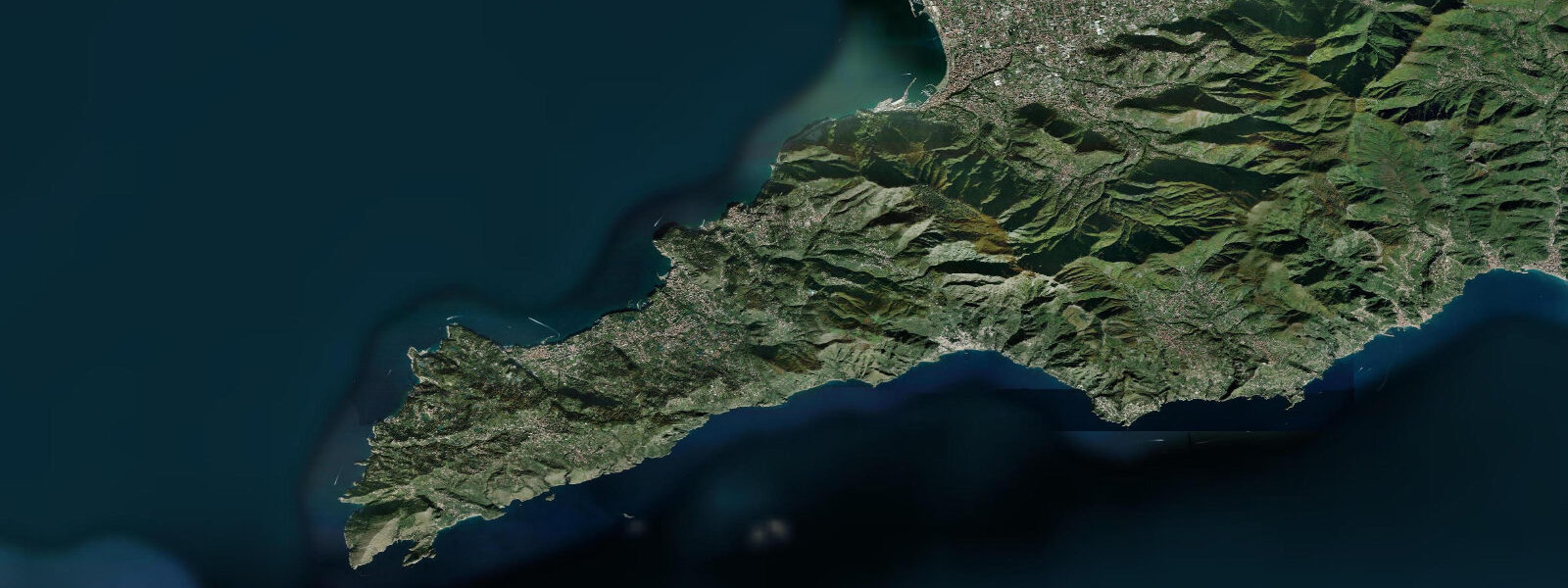
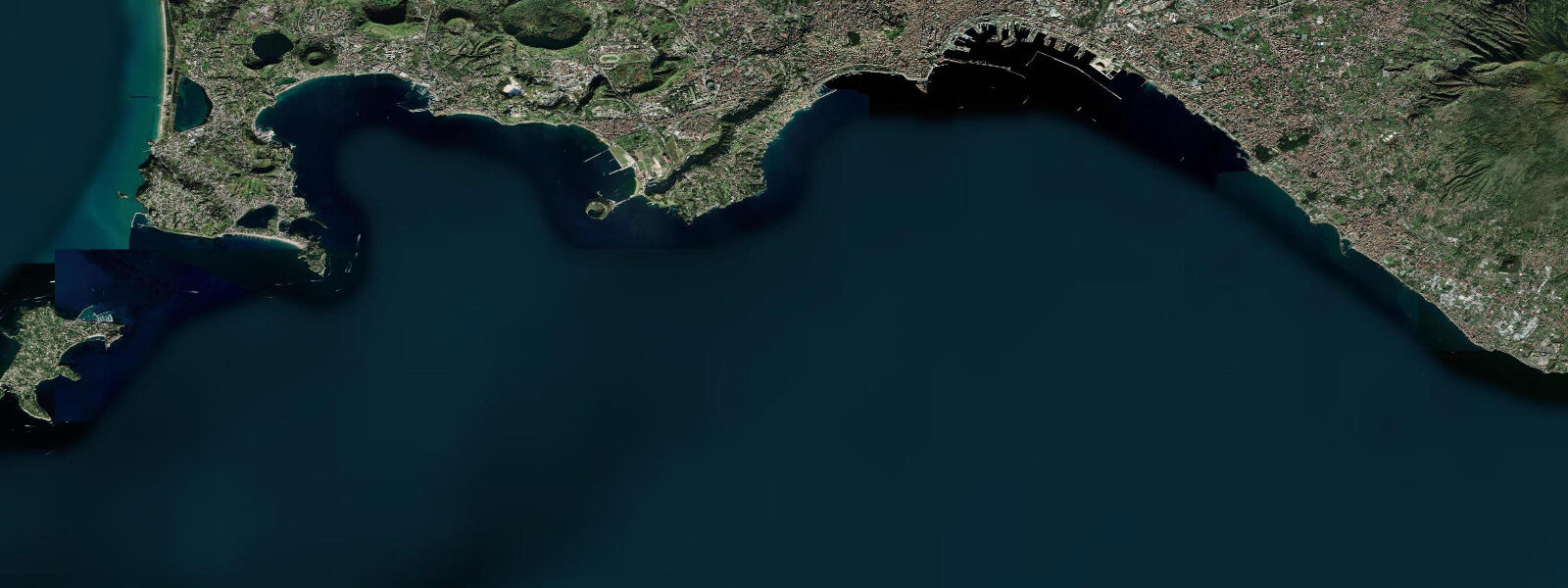
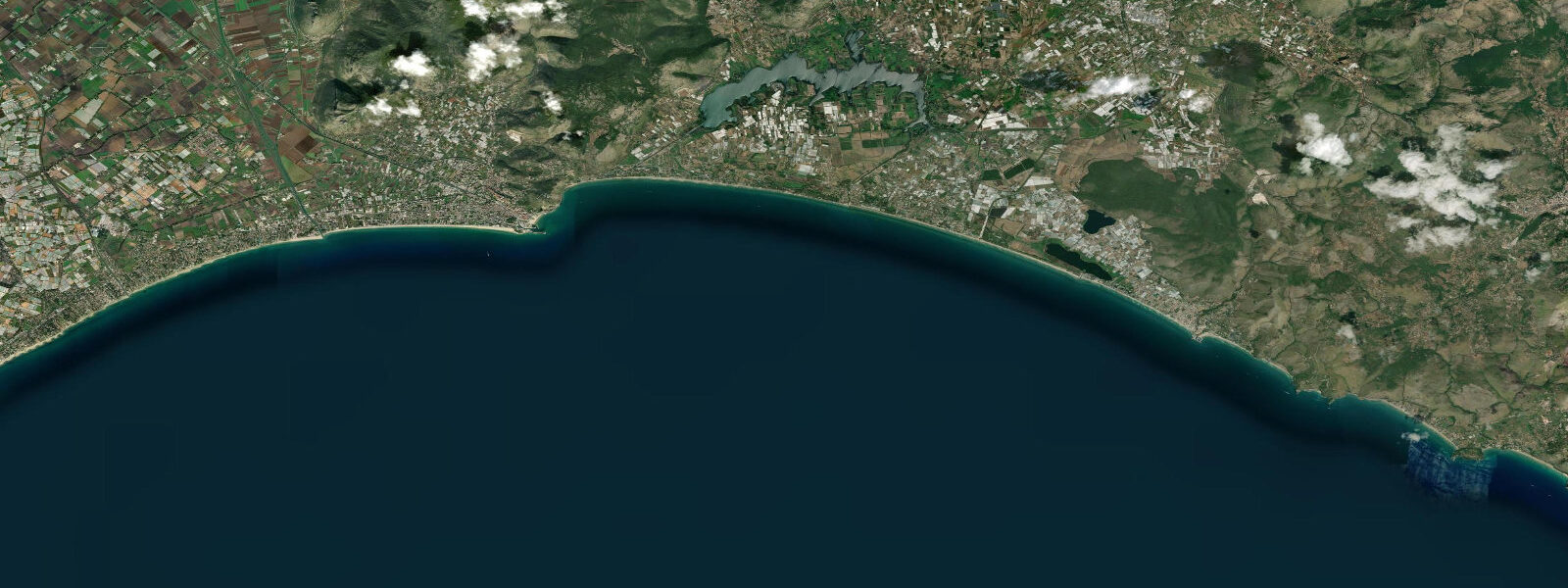
The three closest curated TideTurtle locations to Amalfi, measured by great-circle distance.
Today's solunar windows
Solunar tradition: major periods are the ≈3h windows around moon transit and opposition; minor are ≈2h around moonrise and moonset. Pair with the local tide stage and wind for the best read.
About tides at Amalfi
A short guide to the coastline at Amalfi — geography, sea state, and what the tide is actually doing under your feet.
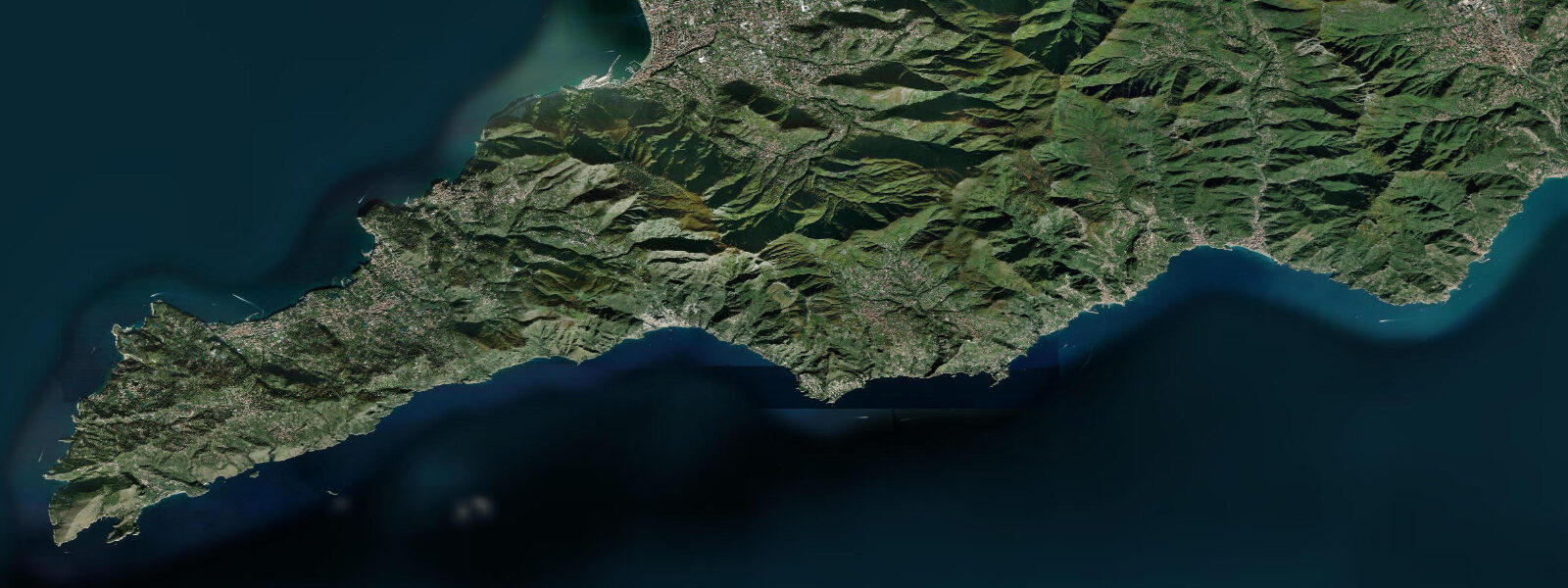
Amalfi is the largest town on the Amalfi Coast — the 50-kilometre stretch of vertical Mediterranean limestone cliff between Sorrento and Salerno that is among the most dramatic coastal landscapes in Europe. The town is built into a narrow valley where the Canneto stream meets the sea, with buildings climbing the cliff face to 400 metres above the harbour. The Piazza del Duomo, facing the Cathedral of Sant'Andrea (9th century, expanded in the Norman period), opens directly onto the small harbour and the beach. Tidal range on the Tyrrhenian Sea at Amalfi is 0.1 to 0.3 metres — negligible.
The small beach at Amalfi is divided between the public section and the beach clubs (private concessions with sunbeds and umbrellas). In high summer (July and August) the beach is extremely crowded. The water is Mediterranean clean and clear — visibility 10 to 15 metres — and the small tidal range means the beach width is consistent through the day. Swimmers share the water with day-trip boats; the harbour mouth carries motorboat traffic throughout summer.
For serious water access, the Grotta dello Smeraldo (Emerald Cave, 5 km west near Conca dei Marini) is the headline snorkelling and diving attraction. The sea cave floods with green light from underwater light refraction — accessible by boat from Amalfi or by steps from the coastal road. The cave interior is in 3 to 10 metres of clear water; stalactites formed during lower sea level periods are now submerged.
Kayaking along the Amalfi Coast is technically straightforward in calm conditions — the limestone cliff base has sea caves, natural arches, and hidden coves inaccessible from land. The cliffs drop directly into 5 to 20 metres of clear water; the kelp-free limestone surfaces have good snorkelling in the seams and cavities. The stretch from Amalfi to Praiano (6 km west) passes the most dramatic cliff sections. Afternoon Tyrrhenian sea breeze (from the west) builds by 1 p.m. — plan morning departures.
The Amalfi Coast is UNESCO World Heritage listed for its cultural landscape. The historic paper mills of Amalfi (carta amalfitana) operated from the 13th century using the Canneto stream power and continue as a museum and working craft industry. The limoncello production from locally grown Sfusato amalfitano lemons is the gastronomic signature product of the coast.
Predictions on this page come from Open-Meteo Marine, a gridded global ocean model. Accuracy is typically within plus or minus 45 minutes on timing and 0.2 to 0.3 metres on height — model-derived, not from a local gauge. For Italian tidal data, consult the Istituto Superiore per la Protezione e la Ricerca Ambientale (ISPRA) at isprambiente.gov.it.
Tide questions about Amalfi
Quick answers to the most common questions about tide times, range, and water access at Amalfi.
What is the tidal range at Amalfi?
The Tyrrhenian Sea at Amalfi has negligible astronomical tides — mean range 0.1 to 0.3 metres. Water level is primarily wind-driven. Beach conditions and sea cave access are not significantly affected by tidal state; swell from the southwest (libeccio wind) is the main variable affecting sea conditions on the coast.
Is it possible to kayak the Amalfi Coast?
Yes — in calm morning conditions, the coast from Amalfi to Praiano (6 km) or east toward Minori is an excellent sea kayak route along vertical limestone cliffs with sea caves and hidden coves. Kayak rental is available in Amalfi and Praiano. Start before 9 a.m. to avoid afternoon sea breeze; the Tyrrhenian westerly builds to 15 to 20 knots by afternoon, creating chop that makes the cliff coast uncomfortable. The water is deep (20+ metres) close to the cliff base — paddlers should maintain distance from cliff walls.
What is the Grotta dello Smeraldo?
The Emerald Cave (Grotta dello Smeraldo) near Conca dei Marini is a sea cave illuminated by light entering through an underwater opening — the refraction turns the interior water brilliant emerald green. Access is by boat (daytrip boats from Amalfi harbour include it on the standard coast tour) or by steps from the SS163 coastal road above. The interior has submerged stalactites formed during lower sea levels; a small nativity scene is submerged on the cave floor. Entry by rowboat inside the cave.
How busy is Amalfi in summer?
Extremely. July and August are the peak months: the harbour, the Piazza del Duomo, and the beach are severely crowded by 10 a.m. Most visitors are day-trippers from Sorrento, Naples, and the Amalfi Drive bus route. To experience the town with any breathing room, arrive before 8 a.m. or stay overnight — the town empties significantly in the evening after day-trip buses leave. Visiting in May, June, September, or October gives the same landscape with a fraction of the crowd.
What is the best snorkelling near Amalfi?
The rocky outcrops east of the harbour (toward the Villa Rufolo gardens) and the cliff base sections reachable only by water have the best snorkelling. Water clarity is 10 to 15 metres; the Mediterranean fauna includes sea bream, salpa, damselfish, and octopus in the rock crevices. The Grotta dello Smeraldo interior has interesting light and geology but limited marine life. For the best snorkelling on the coast, the rocky headland sections between Praiano and Positano (accessible by day boat) tend to have richer marine life than the Amalfi town beach.
8-day tide table — Amalfi
Heights relative to MSL. Predictions: Open-Meteo Marine (MeteoFrance SMOC, 0.08° grid) — heights relative to MSL (not chart datum / LAT). Model-derived.
| Day | Type | Time | Height |
|---|---|---|---|
| Mon 03 Aug | High | 02:00 | -0.3m |
| Tue 04 Aug | Low | 07:10 | -0.6m |
| High | 13:00 | -0.4m | |
| Wed 05 Aug | Low | 08:00 | -0.6m |
| Thu 06 Aug | High | 02:10 | -0.3m |
| Low | 08:50 | -0.6m | |
| Fri 07 Aug | High | 16:50 | -0.3m |
| Sat 08 Aug | — | ||
| Sun 09 Aug | — | ||
| Mon 10 Aug | Low | 01:00 | -0.6m |