Dingle tide times
Dingle tide forecast — heights relative to MSL.
Today's tide times for Dingle
Tide times at Dingle on Tuesday, 4 August 2026: first low tide at 02:10, first high tide at 08:28. Sunrise 06:05, sunset 21:28.
Tide chart for Dingle
24-hour cosine-interpolated curve around the present moment. Heights relative to MSL. Predictions: Predictions: Open-Meteo Marine (MeteoFrance SMOC, 0.08° grid).
Sun, moon and conditions on Tue 04 Aug
Snapshot at build time — refreshes daily. Sea state from Open-Meteo Marine.
Highs and lows next 7 days
Every predicted high and low for the next week, with the daily tidal coefficient (0–120; higher = bigger swing, > 95 means stronger currents).
Other spots nearby
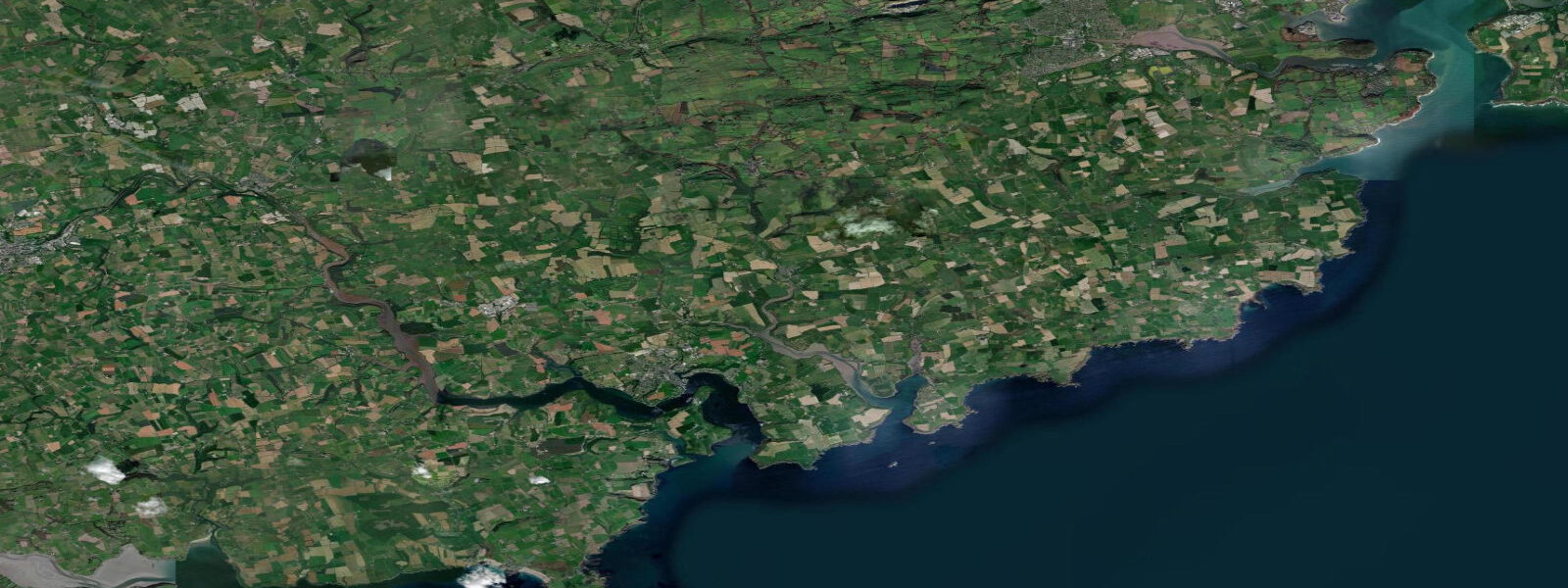
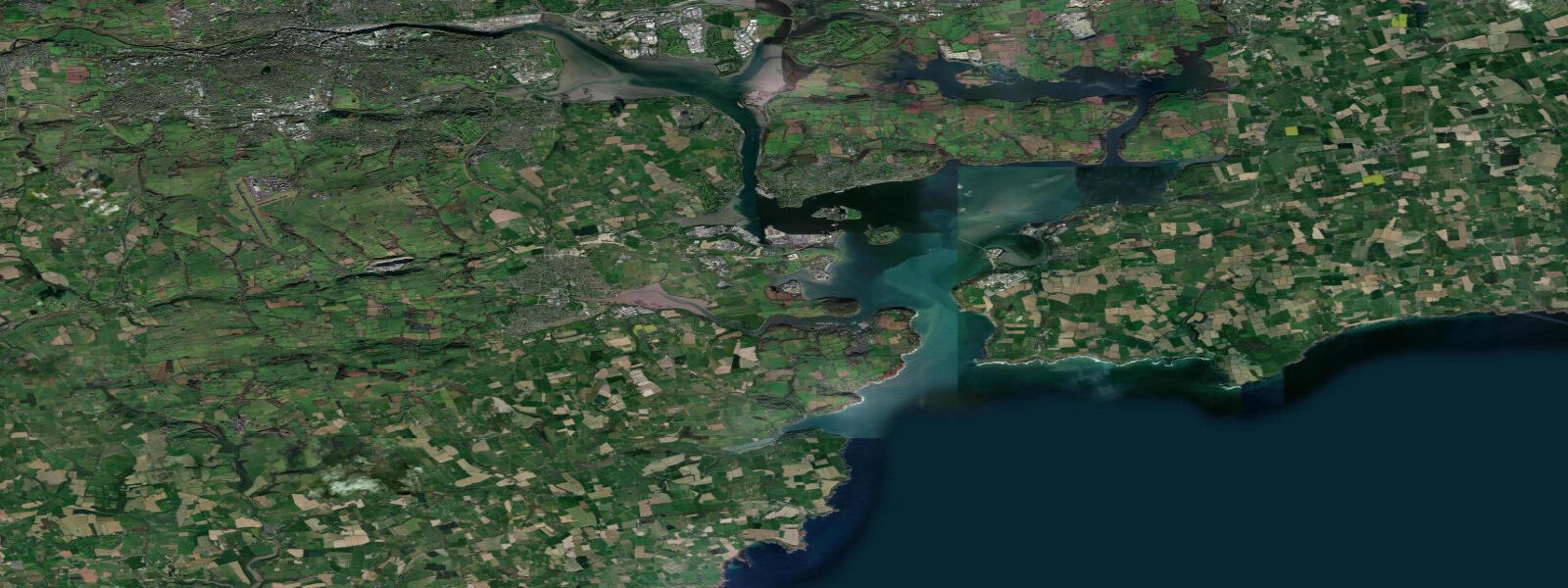
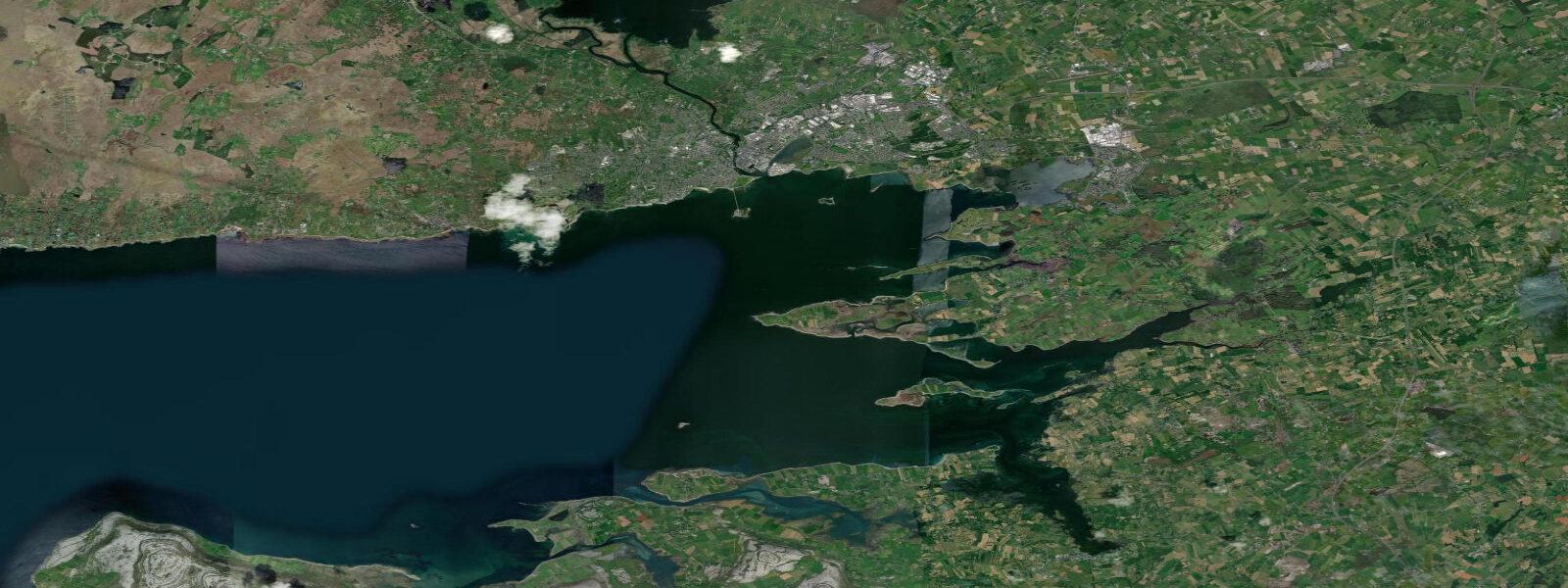
The three closest curated TideTurtle locations to Dingle, measured by great-circle distance.
Today's solunar windows
Solunar tradition: major periods are the ≈3h windows around moon transit and opposition; minor are ≈2h around moonrise and moonset. Pair with the local tide stage and wind for the best read.
Cycle dates near Dingle
Last spring tide on Tue 04 Aug (range 2.8m). Next spring tide on Mon 10 Aug (range 2.7m). Next neap on Sat 08 Aug.
Spring tides cluster around new and full moons (biggest swings). Neap tides land on quarter moons (smallest swings). See the spring tide and neap tide glossary entries for the why.
About tides at Dingle
A short guide to the coastline at Dingle — geography, sea state, and what the tide is actually doing under your feet.
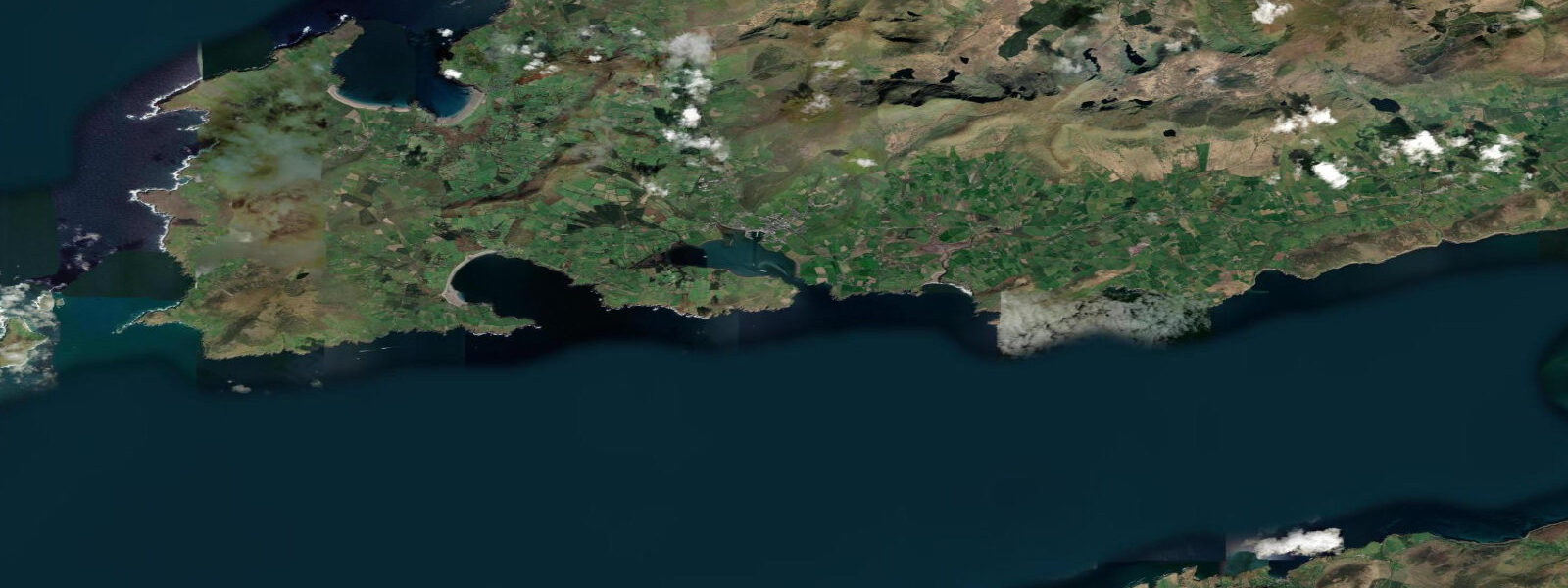
Dingle — An Daingean in Irish — is the largest town on the Dingle Peninsula in County Kerry, sheltered in a natural harbour that sits at the inner end of Dingle Bay. The contrast between harbour and bay is stark: the inner harbour is calm and enclosed, a working fishing port and marina, while Dingle Bay opens westward into full Atlantic exposure with a swell fetch extending to Newfoundland.
Tidal range in the inner harbour is approximately 3.5 metres on mean springs, dropping to around 1.7 metres on neaps — semidiurnal throughout. The harbour entrance faces northeast, which protects it from the prevailing southwest weather. On the ebb, the stream runs northeast out of the harbour and then southeast down the bay; on the flood, the reverse. Tidal heights in the bay itself are similar to the harbour, but with more sea state complication given the exposure.
The harbour has a specific emotional geography. Fungi, a solitary bottlenose dolphin, took up residence here in 1983 and remained a regular presence for 37 years until his disappearance in October 2020. He became one of Ireland's most visited natural attractions — boats ran daily dolphin-spotting trips through the summer season, and swimmers who entered the harbour had a reasonable chance of a close encounter. The empty harbour feels different now. A bronze sculpture marks his memory near the pier.
Looking west from the pier on a clear day, the Blasket Islands are visible on the horizon — the Great Blasket, Beginish, and Tearaght — the westernmost inhabited points in Europe until the last permanent residents were evacuated in 1953. The island views give Dingle its sense of position at the Atlantic edge. The Blasket Sound between the islands and the mainland is a strong tidal channel; local knowledge is essential for any vessel transiting it.
Fishing remains central: a commercial fleet works the bay and offshore, and shore anglers find pollack and wrasse on the outer rocky marks toward Slea Head. Kayak touring from the harbour out along the peninsula shoreline is popular in summer, with sea caves and stacks accessible on calm days.
Open-Meteo Marine predictions for Dingle carry ±45-minute timing and ±0.2–0.3-metre height uncertainty. Marine Institute Ireland and UKHO chart SC5623 (Dingle Bay and approaches) are the authoritative references for this coast.
Tide questions about Dingle
Quick answers to the most common questions about tide times, range, and water access at Dingle.
What is the tidal range at Dingle Harbour?
Mean spring range at Dingle is approximately 3.5 metres above LAT; mean neap range around 1.7 metres. Tides are semidiurnal — two highs and two lows per day, separated by roughly 6 hours 12 minutes. The harbour itself is sheltered and the tidal stream within is gentle, typically under 0.5 knots. The entrance channel and Dingle Bay proper carry more noticeable currents on spring tides.
Is Dingle Harbour accessible for visiting yachts?
Yes. Dingle Marina accepts visitors year-round, with fuel, water, and showers available. The harbour holds water through the low-water period — it does not dry — making it accessible at all tide states for standard keelboats. Depth in the entrance channel is sufficient for vessels drawing up to approximately 3 metres at low water springs, though checking current harbour master notes is recommended. The harbour is sheltered from all directions except northeast, and northeast exposure is limited by the lie of the land. A well-regarded stop on the Irish west-coast cruising route.
What are tidal conditions like in Blasket Sound?
Blasket Sound, between the tip of the Dingle Peninsula and the Great Blasket Island, is a strong tidal channel with spring rates reaching 3–4 knots in the narrowest sections. The stream sets north on the flood and south on the ebb. Wind-against-tide conditions in the sound can produce very steep, breaking seas even in moderate winds, and the area is exposed to Atlantic swells. Passage through the sound should only be attempted in settled conditions, close to slack water, by vessels with adequate power and local pilotage knowledge. The UKHO Dingle Bay chart (SC5623) includes detailed stream information for the sound.
Can you still swim with dolphins at Dingle?
Fungi, the solitary bottlenose dolphin who lived in Dingle Harbour from 1983, disappeared in October 2020 and has not been seen since. Dolphin-watching boat trips that previously ran daily no longer operate for that purpose. Common and bottlenose dolphins do occasionally enter Dingle Bay and have been sighted near the harbour mouth, but sightings are opportunistic rather than reliable. The harbour remains open for swimming — it is calm and sheltered — but a guaranteed dolphin encounter is no longer a feature of a Dingle visit.
How reliable are the tide predictions for Dingle on this site?
Tide times and heights for Dingle on TideTurtle are generated from Open-Meteo Marine model output. The inherent uncertainty is approximately ±45 minutes on timing and ±0.2–0.3 metres on height relative to actual observed water levels. For recreational planning — timing a kayak launch, deciding when to walk the outer strand — this is adequate for most purposes. For passage planning in Blasket Sound, approaching the Blasket Islands, or any situation where tidal timing is safety-critical, use Marine Institute Ireland published tide tables and UKHO Admiralty chart SC5623 as the authoritative sources. This site does not replace official nautical publications.
8-day tide table — Dingle
Heights relative to MSL. Predictions: Open-Meteo Marine (MeteoFrance SMOC, 0.08° grid) — heights relative to MSL (not chart datum / LAT). Model-derived.
| Day | Type | Time | Height |
|---|---|---|---|
| Tue 04 Aug | Low | 02:10 | -1.7m |
| High | 08:28 | 1.0m | |
| Wed 05 Aug | Low | 02:54 | -1.8m |
| High | 09:11 | 0.7m | |
| Thu 06 Aug | Low | 03:45 | -1.7m |
| High | 10:07 | 0.5m | |
| Low | 16:15 | -1.4m | |
| High | 22:34 | 0.5m | |
| Fri 07 Aug | Low | 04:49 | -1.4m |
| High | 11:16 | 0.5m | |
| Sat 08 Aug | Low | 06:06 | -1.2m |
| High | 12:39 | 0.6m | |
| Low | 18:57 | -1.2m | |
| Sun 09 Aug | High | 01:24 | 0.5m |
| Low | 07:27 | -1.3m | |
| High | 13:57 | 0.7m | |
| Low | 20:15 | -1.5m | |
| Mon 10 Aug | High | 02:41 | 0.7m |
| Low | 08:40 | -1.5m | |
| High | 15:02 | 0.9m | |
| Low | 21:19 | -1.8m | |
| Tue 11 Aug | High | 00:00 | -0.9m |