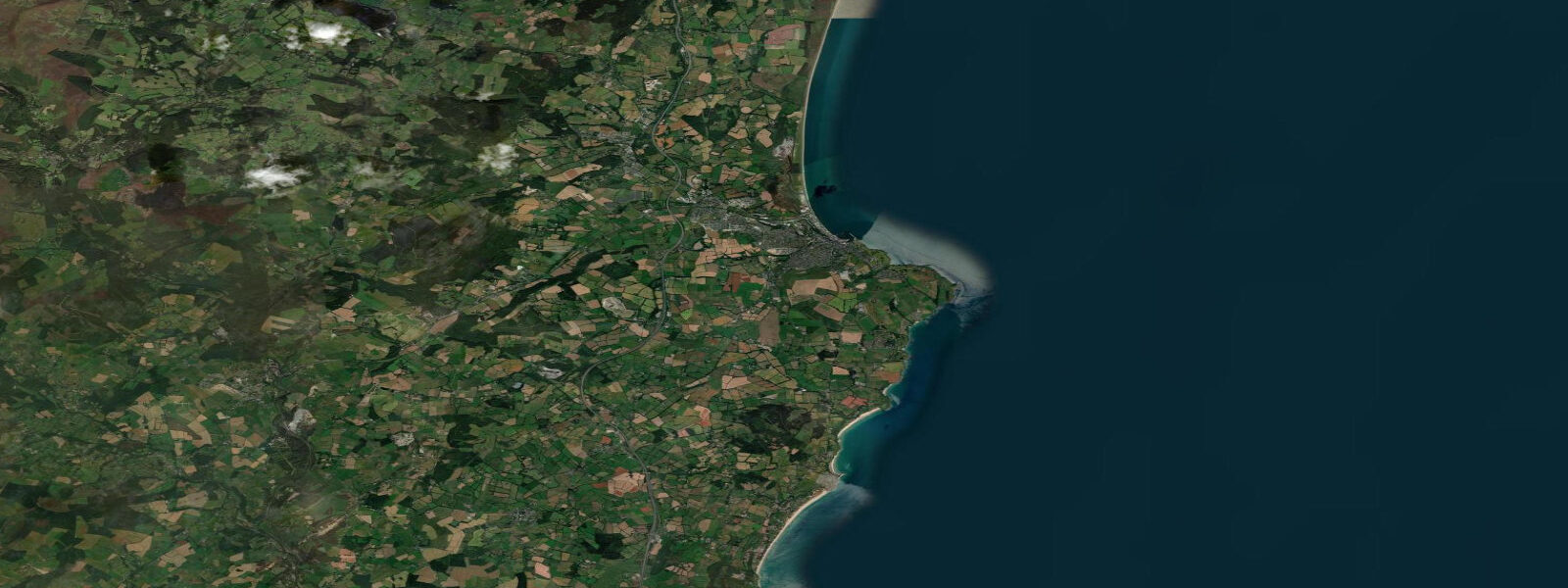
Wicklow, Leinster tide times
Wicklow, Leinster tide forecast — heights relative to MSL.
Today's tide times for Wicklow, Leinster
Tide times at Wicklow, Leinster on Tuesday, 4 August 2026: first low tide at 01:00, first high tide at 03:10, second low tide at 08:27, second high tide at 15:56, third low tide at 20:36. Sunrise 05:45, sunset 21:14.
Tide chart for Wicklow, Leinster
24-hour cosine-interpolated curve around the present moment. Heights relative to MSL. Predictions: Predictions: Open-Meteo Marine (MeteoFrance SMOC, 0.08° grid).
Sun, moon and conditions on Tue 04 Aug
Snapshot at build time — refreshes daily. Sea state from Open-Meteo Marine.
Highs and lows next 7 days
Every predicted high and low for the next week, with the daily tidal coefficient (0–120; higher = bigger swing, > 95 means stronger currents).
Other spots nearby
The three closest curated TideTurtle locations to Wicklow, Leinster, measured by great-circle distance.
Today's solunar windows
Solunar tradition: major periods are the ≈3h windows around moon transit and opposition; minor are ≈2h around moonrise and moonset. Pair with the local tide stage and wind for the best read.
Cycle dates near Wicklow, Leinster
Last spring tide on Tue 04 Aug (range 1.5m). Next spring tide on Mon 10 Aug (range 1.2m). Next neap on Fri 07 Aug.
Spring tides cluster around new and full moons (biggest swings). Neap tides land on quarter moons (smallest swings). See the spring tide and neap tide glossary entries for the why.
About tides at Wicklow, Leinster
A short guide to the coastline at Wicklow, Leinster — geography, sea state, and what the tide is actually doing under your feet.
Wicklow town faces east onto the Irish Sea, 50 kilometres south of Dublin Harbour. The Vartry river reaches the sea here through a small harbour that has served the town since medieval times. What surprises most visitors comparing Wicklow to Dublin Bay is the tidal range — mean spring range at Wicklow is only 1.0 to 1.5 metres, compared to 3.5 to 4.0 metres at Howth, just 50 kilometres north. This is not a quirk of local geography. It reflects something fundamental about the dynamics of the Irish Sea.
The Irish Sea is a semi-enclosed basin, roughly 220 kilometres long and 100 kilometres wide at its broadest point. The Atlantic tidal wave enters from the south, between Wexford and Pembrokeshire, and also from the north, between County Antrim and the Mull of Kintyre. These two waves travel toward each other and interact. A tidal amphidrome — a point of near-zero tidal range around which the tidal wave rotates — sits in the central Irish Sea, roughly east of the Isle of Man. Wicklow lies relatively close to this amphidromic point, which suppresses its tidal range dramatically. The physics are the same reason that certain points in the North Sea, off the Dutch coast, have almost no tide at all: they sit near their own tidal node.
For practical purposes, Wicklow's 1.0 to 1.5 metre spring range means the harbour entrance dries at low water but the drying height is modest compared to harbours further north. The Vartry river outflow complicates the harbour at low water — the shallow bar across the entrance accumulates river-borne sediment and is the feature that most constrains vessel access. Local fishing vessels know the timing precisely; occasional visitors need to check predictions before entry.
Black Castle headland marks the southern boundary of Wicklow Bay. The ruins of a Norman castle from the 12th century occupy the rocky promontory; access from the town is by a path that rounds the base of the headland. At lower states of tide, the path is clear of the sea and gives access to the wave-cut rocks around the headland's eastern face. At high water, particularly with any southerly swell running, the rocks at the base of the headland are washed, and the path is impassable. The ruin itself sits above the highest tide mark and is accessible at all states, but the circuit around the base requires a falling or low tide.
Wicklow Head lighthouse, 4 kilometres south of town, stands on a headland that drops sharply to the sea. The lighthouse was established in 1781 and the current tower dates from 1818. The head is a seabird watchpoint; offshore movements of gannets, skuas, and Manx shearwaters are visible on appropriate wind and season combinations. The tidal range at the head is similar to Wicklow town — the rocks below the cliff expose a modest intertidal zone at low water.
Brittas Bay, 10 kilometres south of Wicklow, is one of the most popular swimming beaches on the east coast of Ireland. It is a long, east-facing sandy beach backed by a dune system. The small tidal range at this latitude means the beach character is relatively consistent — the water does not retreat far on the ebb, and the bathing area does not move dramatically over the tidal cycle. Families with small children find this predictability useful; there are no large sand banks that appear and disappear with the tide, and the foreshore slope is gentle throughout. Summer weekends bring significant numbers from Dublin.
Sea anglers fish the rocks around Black Castle and from the pier arms at Wicklow Harbour. Bass and flounder are the main winter targets; mackerel and pollock from summer onward. The Vartry outflow on the ebb creates a modest current plume that attracts flatfish — anglers positioning themselves to fish the edge of this plume on a falling tide do consistently better than those working the static pier.
Tide data for Wicklow, Leinster comes from the Open-Meteo Marine API, a gridded model product. Timing accuracy is ±45 minutes, height accuracy ±0.3 m — usable for trip planning, not for navigation.
Tide questions about Wicklow, Leinster
Quick answers to the most common questions about tide times, range, and water access at Wicklow, Leinster.
Why is the tidal range at Wicklow so much smaller than at Dublin?
Wicklow's mean spring range of 1.0 to 1.5 metres is roughly a quarter of Dublin Bay's 3.5 to 4.0 metres, despite being only 50 kilometres south. The cause is a tidal amphidrome — a point of near-zero tidal range — that sits in the central Irish Sea, roughly east of the Isle of Man. The Irish Sea receives tidal waves entering from both the south (between Wexford and Pembrokeshire) and the north (between Antrim and Kintyre). Where these waves interact, the tidal signal partially cancels. Wicklow lies close enough to this amphidromic point that its tidal range is strongly suppressed relative to locations further from the node.
Can I walk around Black Castle at any state of tide?
The ruins themselves sit above the highest tide mark and are accessible at all times. The path that circuits the base of the headland around its eastern rocky face requires a lower tide. At high water, particularly with any southerly swell, sea washes across the rocks at the base of the headland and the path is cut off. Plan the Black Castle circuit for the two to three hours on either side of low water. The path from Wicklow town takes about 15 minutes on foot; from the headland base, the intertidal rocks reveal interesting geology on the wave-cut platform.
What makes Brittas Bay beach good for families with young children?
Brittas Bay benefits directly from Wicklow's small tidal range. On a beach with a 1.0 to 1.5 metre spring range, the waterline moves only modest distances over the tidal cycle, and the foreshore slope at Brittas Bay is gentle throughout. There are no large, suddenly-appearing sand banks of the kind found on beaches with 4 to 5 metre ranges, where a falling tide can isolate children on sand spits they walked to safely an hour before. The east-facing beach is also sheltered from the prevailing southwest wind. Brittas Bay is approximately 10 kilometres south of Wicklow town on the R750.
When does the Wicklow harbour entrance dry out?
The harbour entrance shoals at low water, with the bar across the Vartry river mouth being the primary constraint. On spring tides, the bar can be impassable for keeled boats from roughly one hour before low water to one hour after. Neap tides reduce this window significantly. Local fishing vessels know the precise approach — visiting skippers unfamiliar with the harbour should contact the harbour master for current depth information before entry on a falling tide. The small tidal range means the drying period is short relative to harbours in Dublin Bay, but the sediment bar makes the entry narrower.
What seabirds can I expect to see from Wicklow Head?
Wicklow Head, 4 kilometres south of town, is the best seawatching position on the Wicklow coast. The headland gives an elevated view over the southward-flowing Irish Sea current, which concentrates birds on migration. Gannets are present year-round but most numerous from July through October. Manx shearwaters pass offshore in summer; great and pomarine skuas are visible on northerly autumn winds. In winter, great northern divers and guillemots sit offshore in the bay below the lighthouse. Timing seawatching around wind direction matters more than tide — strong northwest to north wind after a westerly system produces the most varied passage.
8-day tide table — Wicklow, Leinster
Heights relative to MSL. Predictions: Open-Meteo Marine (MeteoFrance SMOC, 0.08° grid) — heights relative to MSL (not chart datum / LAT). Model-derived.
| Day | Type | Time | Height |
|---|---|---|---|
| Tue 04 Aug | Low | 01:00 | 0.2m |
| High | 03:10 | 0.5m | |
| Low | 08:27 | -1.0m | |
| High | 15:56 | 0.3m | |
| Low | 20:36 | -0.8m | |
| Wed 05 Aug | High | 04:00 | 0.3m |
| Low | 09:15 | -1.1m | |
| High | 16:47 | 0.1m | |
| Thu 06 Aug | Low | 10:08 | -1.0m |
| High | 17:44 | 0.1m | |
| Low | 22:46 | -0.8m | |
| Fri 07 Aug | High | 06:06 | 0.2m |
| Low | 11:25 | -0.8m | |
| High | 18:40 | 0.1m | |
| Sat 08 Aug | Low | 00:10 | -0.7m |
| High | 07:07 | 0.3m | |
| Low | 13:03 | -0.7m | |
| High | 19:43 | 0.3m | |
| Sun 09 Aug | Low | 01:52 | -0.7m |
| High | 08:16 | 0.2m | |
| Low | 14:10 | -0.8m | |
| High | 20:40 | 0.3m | |
| Mon 10 Aug | Low | 02:46 | -0.9m |
| High | 09:35 | 0.2m | |
| Low | 14:57 | -0.9m | |
| High | 21:40 | 0.3m | |
| Tue 11 Aug | Low | 00:00 | -0.1m |