Westport tide times
Westport tide forecast — heights relative to MSL.
Today's tide times for Westport
Tide times at Westport on Tuesday, 4 August 2026: first high tide at 01:00, first low tide at 03:13, second high tide at 21:38. Sunrise 05:55, sunset 21:31.
Tide chart for Westport
24-hour cosine-interpolated curve around the present moment. Heights relative to MSL. Predictions: Predictions: Open-Meteo Marine (MeteoFrance SMOC, 0.08° grid).
Sun, moon and conditions on Tue 04 Aug
Snapshot at build time — refreshes daily. Sea state from Open-Meteo Marine.
Highs and lows next 7 days
Every predicted high and low for the next week, with the daily tidal coefficient (0–120; higher = bigger swing, > 95 means stronger currents).
Other spots nearby
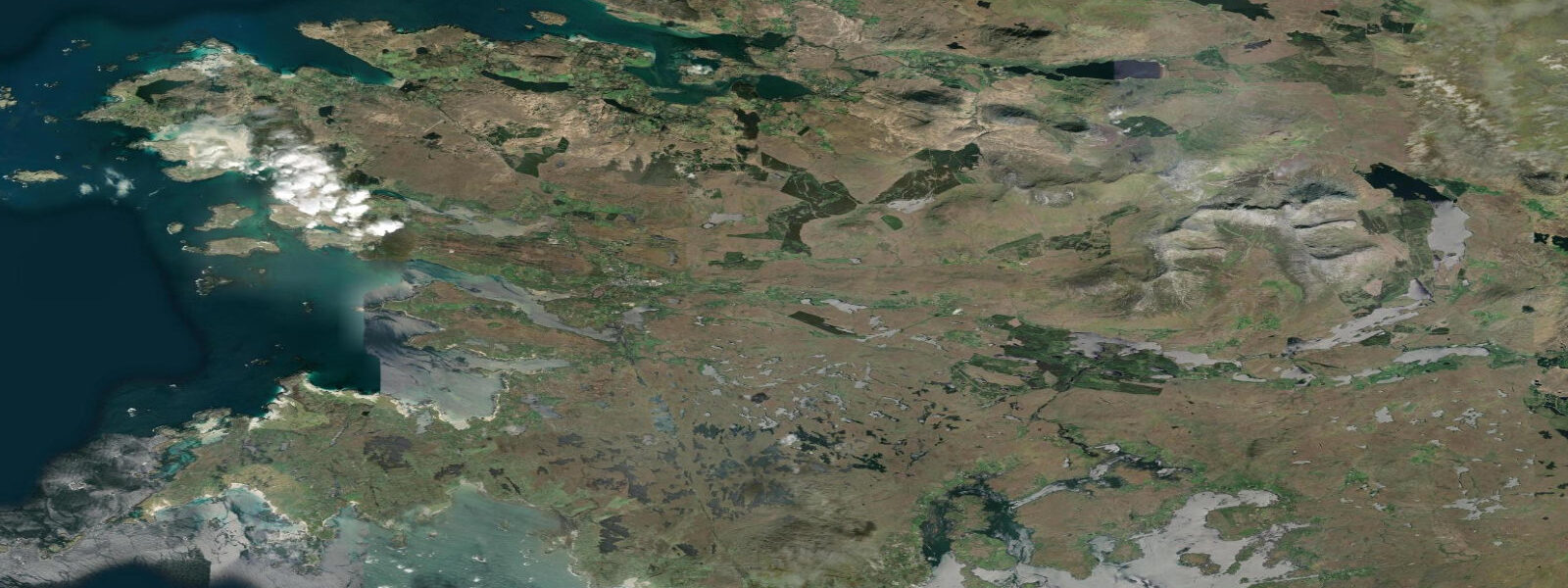
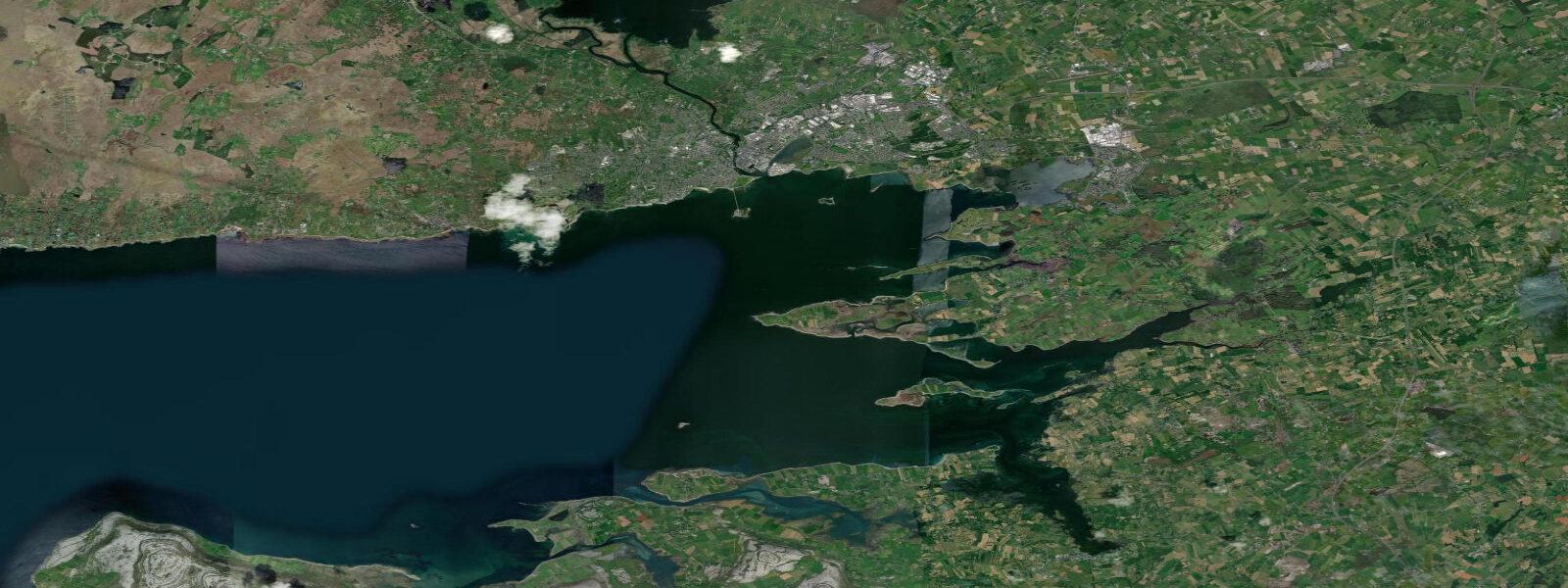
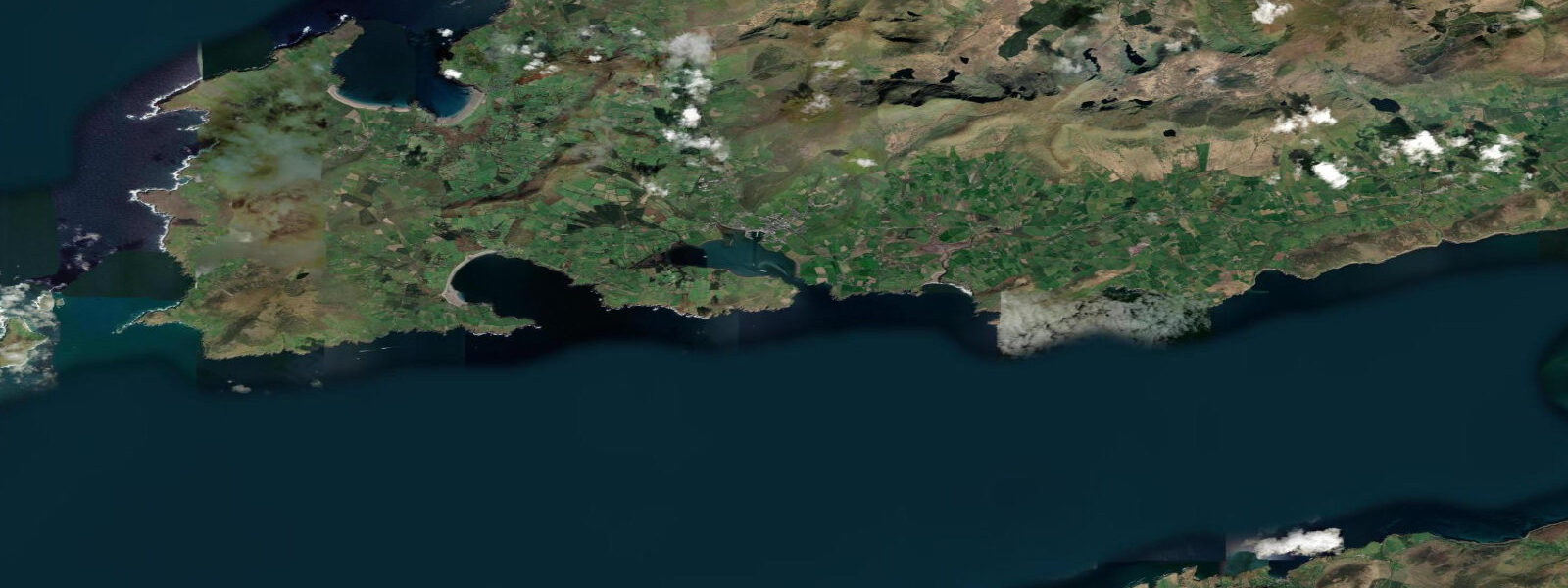
The three closest curated TideTurtle locations to Westport, measured by great-circle distance.
Today's solunar windows
Solunar tradition: major periods are the ≈3h windows around moon transit and opposition; minor are ≈2h around moonrise and moonset. Pair with the local tide stage and wind for the best read.
Cycle dates near Westport
Last spring tide on Tue 04 Aug (range 3.0m). Next spring tide on Mon 10 Aug (range 3.0m). Next neap on Fri 07 Aug.
Spring tides cluster around new and full moons (biggest swings). Neap tides land on quarter moons (smallest swings). See the spring tide and neap tide glossary entries for the why.
About tides at Westport
A short guide to the coastline at Westport — geography, sea state, and what the tide is actually doing under your feet.
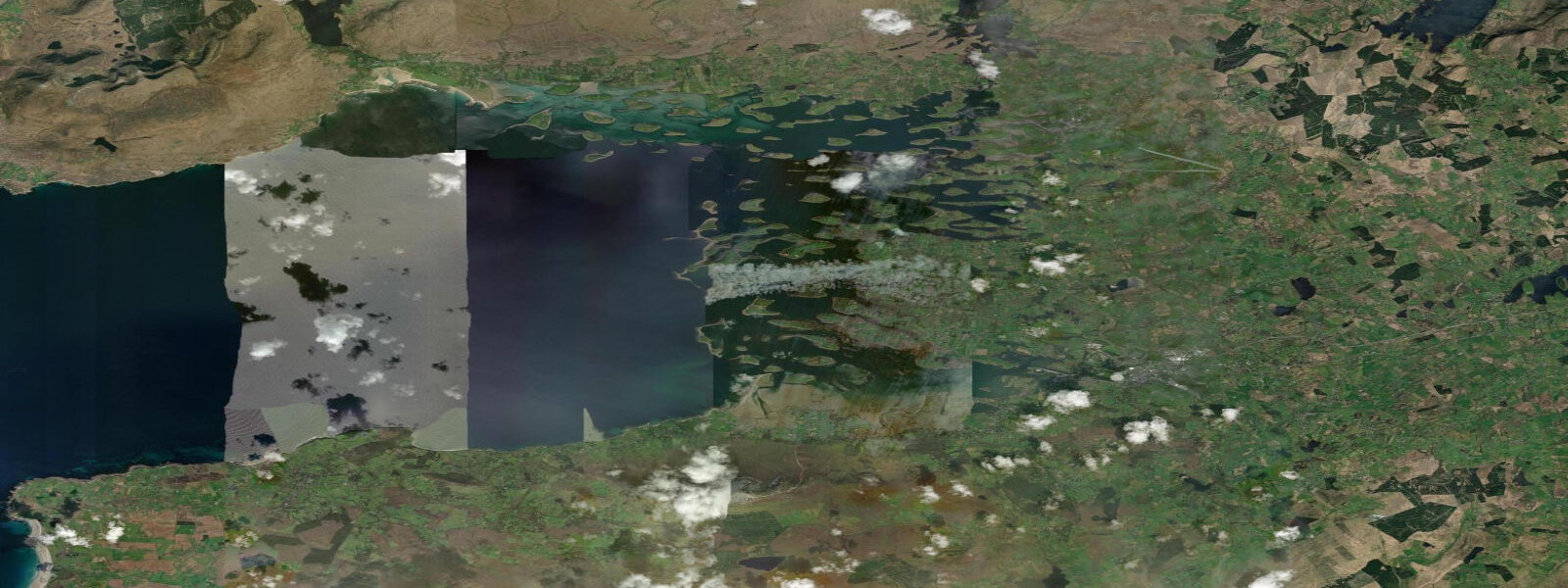
Westport is a planned Georgian town in County Mayo, set at the head of Clew Bay — a shallow, drumlin-filled inlet on the southern shore of Clew Bay that is among the most geographically unusual tidal environments in Ireland. The town quay is 2 kilometres from the town centre, at the end of a tidal river channel; the bay proper begins a further kilometre beyond.
Clew Bay is defined by its drumlins: elongated, oval mounds of glacial till deposited as the last ice sheet retreated across the Mayo lowlands. Up to 365 of these formations are scattered across the bay — some are permanent islands, others are drowned at high tide and exposed at low water, and the intertidal zone between creates a complex mosaic of channels, sandbars, and mudflats that shifts subtly with each tide. Spring tidal range in the bay is approximately 3.8 metres above LAT, among the highest on the Connacht coast — neap range is around 1.9 metres. Tides are semidiurnal.
Croagh Patrick — the conical quartzite mountain sacred in Irish tradition as the site of St Patrick's 5th-century retreat — stands 764 metres above the town and bay. On clear days the mountain's profile is visible from well out in the bay; approaching Westport from seaward, it serves as an unmistakable landmark. The annual Reek Sunday pilgrimage (last Sunday of July) draws tens of thousands of walkers to the summit via the western ridge.
The high tidal range combined with shallow, drumlin-obstructed water makes the bay complex for navigation. The main navigable channel to Westport Quay runs approximately north-south through the outer bay before turning east toward town; buoyage is sparse in the outer bay and drying heights change with seasonal sand movement. Local knowledge is important.
Westport Quay hosts leisure craft and a small commercial fleet. Clew Bay sea kayaking — island hopping through the drumlins — is increasingly well-known; the area around Clare Island at the bay mouth and the Achill Sound to the north are popular multi-day routes. Sea angling is productive: turbot and brill on the sandy banks, pollock and wrasse on the Clare Island cliffs, and mackerel in abundance through summer.
Open-Meteo Marine predictions for Westport carry ±45-minute timing and ±0.2–0.3-metre height uncertainty. UKHO chart 2057 (Clew Bay) and Marine Institute Ireland data are the authoritative references for this area.
Tide questions about Westport
Quick answers to the most common questions about tide times, range, and water access at Westport.
What is the tidal range at Westport?
Mean spring tidal range in Clew Bay near Westport is approximately 3.8 metres above LAT — one of the higher ranges on the Atlantic coast of Ireland. Mean neap range is around 1.9 metres. Tides are semidiurnal. The large range combined with the shallow, drumlin-obstructed bay means the intertidal zone is extensive: a significant area of the bay is exposed at low-water springs, including the tops of many submerged drumlins that become islands for several hours each tidal cycle.
What are the drumlins in Clew Bay?
Drumlins are elongated mounds of glacial till shaped by the movement of ice sheets during the last glaciation. In Clew Bay, up to 365 of these formations are present — the highest concentration of submerged or tidal drumlins in Ireland. At high water, many are completely submerged or appear as small, rounded islands. At low water springs, they emerge as elongated sandy or grassy mounds, rearranging the bay's appearance significantly. The channels between them carry the tidal flow and are navigable for shallow-draught vessels and kayaks, though the pattern is complex and charts should be consulted.
Can I see Croagh Patrick from the water?
Yes, clearly on a dry day. Croagh Patrick (764 m) stands directly behind Westport, its conical quartzite summit visible from the outer bay and from the Clare Island approaches. The mountain is a navigational landmark on the approach from the west — once Croagh Patrick is identified above the drumlin-filled bay, the bearing to Westport Quay can be estimated with good accuracy. The annual pilgrimage to the summit takes place on the last Sunday of July; parking and boat traffic near the Murrisk embarkation point increases significantly on that day.
Is Clew Bay safe for sea kayaking?
Clew Bay is one of Ireland's most popular sea-kayaking destinations. The drumlin islands provide sheltered island-hopping routes, and the high tidal range creates interesting intertidal exploration. Day trips from Westport Quay or Old Head (near Louisburgh) covering the inner bay are suitable for intermediate paddlers in settled conditions. The bay mouth between Clare Island and Achill Head carries much stronger tidal streams — 2–3 knots on springs in the exposed passages — and is appropriate for experienced sea kayakers only. Weather from the northwest arrives with little warning; always carry a VHF radio and check the Met Éireann marine forecast before launching.
How accurate are the tide predictions for Westport on this site?
Tide times and heights for Westport on TideTurtle are generated from Open-Meteo Marine model output, with inherent uncertainty of approximately ±45 minutes on timing and ±0.2–0.3 metres on height. For a complex, shallow bay like Clew Bay — where a 0.3-metre height discrepancy can mean the difference between a drumlin being above or below water — cross-checking against published tide tables is important for any navigational purpose. Marine Institute Ireland and UKHO Admiralty chart 2057 (Clew Bay) are the authoritative sources. This site is a planning aid and does not replace official nautical publications or local knowledge.
8-day tide table — Westport
Heights relative to MSL. Predictions: Open-Meteo Marine (MeteoFrance SMOC, 0.08° grid) — heights relative to MSL (not chart datum / LAT). Model-derived.
| Day | Type | Time | Height |
|---|---|---|---|
| Tue 04 Aug | High | 01:00 | -1.0m |
| Low | 03:13 | -1.9m | |
| High | 21:38 | 1.1m | |
| Wed 05 Aug | Low | 03:56 | -1.9m |
| High | 10:13 | 0.8m | |
| Low | 16:20 | -1.6m | |
| High | 22:26 | 0.7m | |
| Thu 06 Aug | Low | 04:45 | -1.8m |
| High | 11:07 | 0.6m | |
| Fri 07 Aug | Low | 05:48 | -1.5m |
| High | 12:16 | 0.6m | |
| Low | 18:27 | -1.2m | |
| Sat 08 Aug | High | 00:52 | 0.6m |
| Low | 19:57 | -1.2m | |
| Sun 09 Aug | High | 02:19 | 0.6m |
| Low | 08:25 | -1.2m | |
| High | 14:53 | 0.9m | |
| Low | 21:21 | -1.5m | |
| Mon 10 Aug | High | 03:39 | 0.7m |
| Low | 09:39 | -1.5m | |
| High | 15:59 | 1.1m | |
| Low | 22:23 | -1.9m | |
| Tue 11 Aug | High | 00:00 | -1.6m |