Galway tide times
Galway tide forecast — heights relative to MSL.
Today's tide times for Galway
Tide times at Galway on Tuesday, 4 August 2026: first high tide at 01:00, first low tide at 02:48, second high tide at 09:05, second low tide at 15:05, third high tide at 21:21. Sunrise 05:56, sunset 21:27.
Tide chart for Galway
24-hour cosine-interpolated curve around the present moment. Heights relative to MSL. Predictions: Predictions: Open-Meteo Marine (MeteoFrance SMOC, 0.08° grid).
Sun, moon and conditions on Tue 04 Aug
Snapshot at build time — refreshes daily. Sea state from Open-Meteo Marine.
Highs and lows next 7 days
Every predicted high and low for the next week, with the daily tidal coefficient (0–120; higher = bigger swing, > 95 means stronger currents).
Other spots nearby
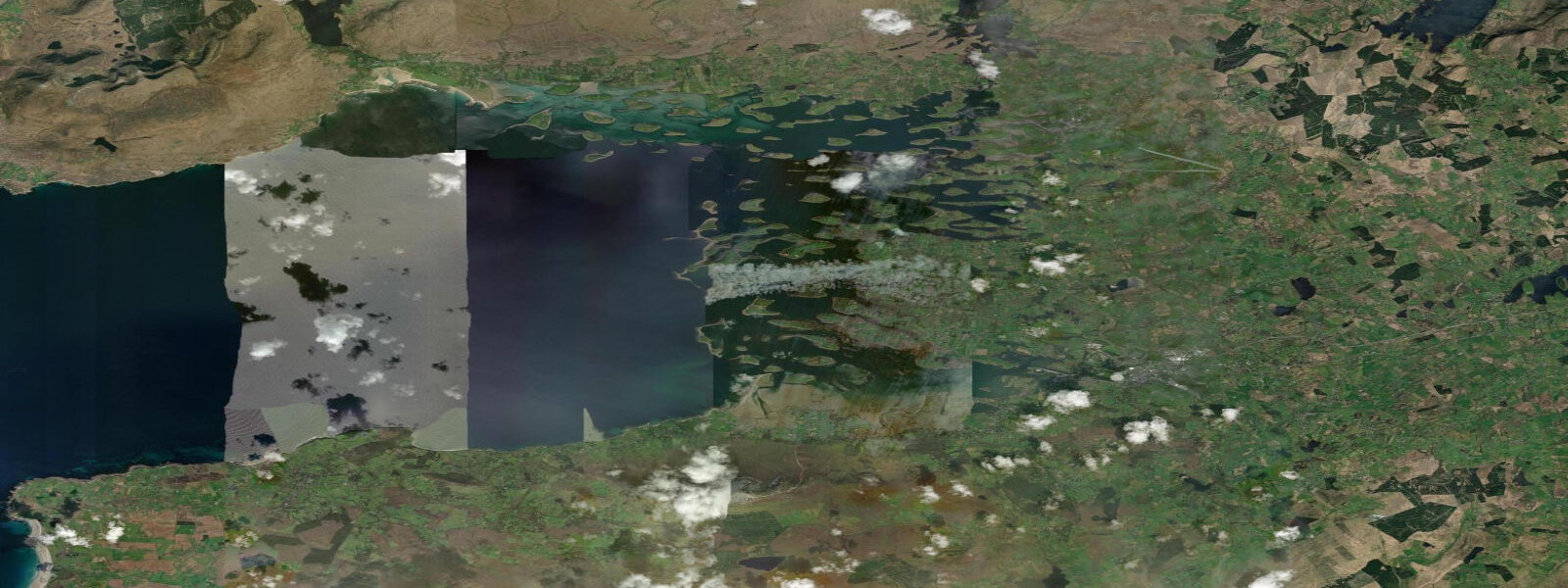
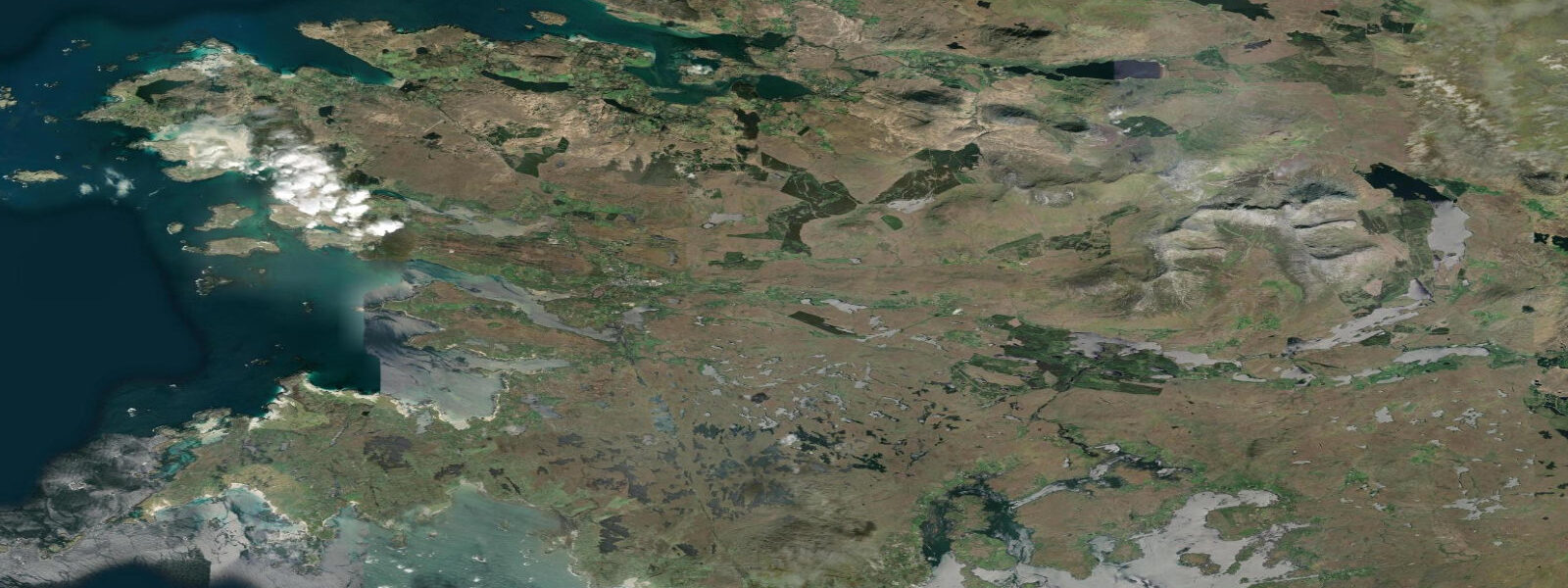
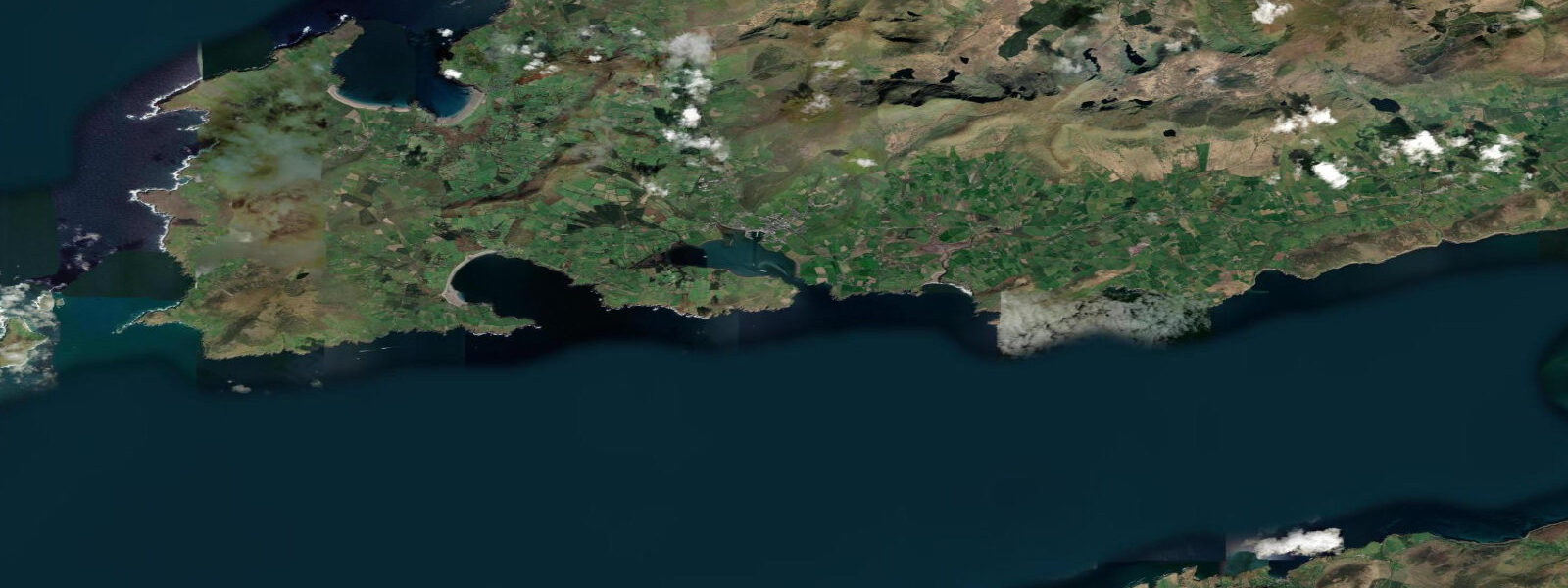
The three closest curated TideTurtle locations to Galway, measured by great-circle distance.
Today's solunar windows
Solunar tradition: major periods are the ≈3h windows around moon transit and opposition; minor are ≈2h around moonrise and moonset. Pair with the local tide stage and wind for the best read.
Cycle dates near Galway
Last spring tide on Tue 04 Aug (range 3.5m). Next spring tide on Mon 10 Aug (range 3.3m). Next neap on Sat 08 Aug.
Spring tides cluster around new and full moons (biggest swings). Neap tides land on quarter moons (smallest swings). See the spring tide and neap tide glossary entries for the why.
About tides at Galway
A short guide to the coastline at Galway — geography, sea state, and what the tide is actually doing under your feet.
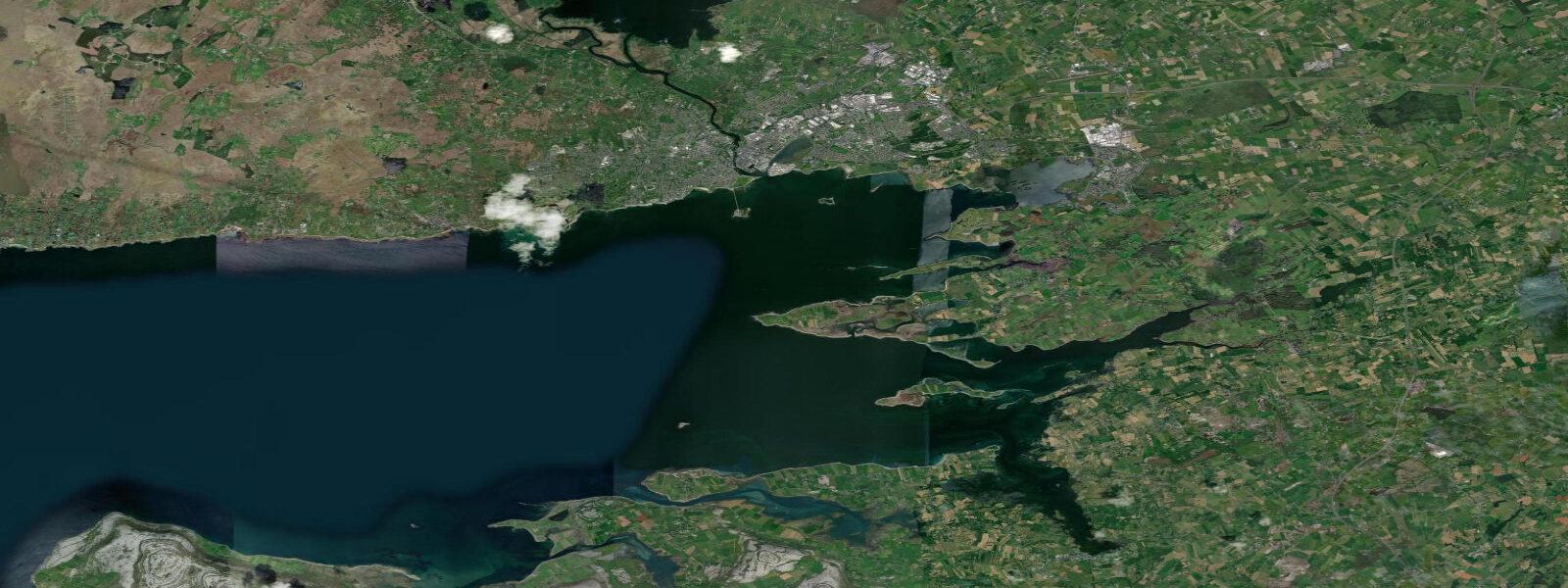
Galway sits at the eastern end of Galway Bay, where the Corrib River enters the sea through a short, fast channel beneath the Spanish Arch. The city is the commercial and cultural capital of Connacht — university town, arts hub, and fishing port simultaneously — and the tidal system that runs through it shapes both the harbour and the river dynamics upstream.
Mean spring tidal range in Galway Bay is approximately 3.6 metres above LAT; neap range around 1.8 metres. Tides are semidiurnal. The flood runs eastward into the bay from the Aran Islands, building as it funnels toward the city dock area; the ebb reverses west. High water at Galway city docks occurs roughly 35 minutes after high water at the Aran Islands due to the shoaling and narrowing of the bay. The Corrib River adds a freshwater overlay — after heavy rainfall, river outflow can delay the ebb noticeably and push the tidal limit upstream of the weir.
Galway Docks operates as a commercial port and also supports the main Aran Islands ferry services — Aran Island Ferries runs from Rossaveal (30 minutes west of the city) and from the city docks directly in summer. The ferry passage across the bay to Inis Mór takes 40–90 minutes depending on departure point and sea state; conditions can deteriorate rapidly in southwest winds that have an unobstructed Atlantic fetch.
Salthill, 3 kilometres west of the city centre, is the urban beach — a traditional seaside promenade with a diving board at Blackrock that generations of Galwegians have jumped from into 1–2 metres of water at high tide (considerably less at low water — the board is not accessible safely on the lower half of the tide). The promenade walk along the bay is a year-round local habit regardless of weather.
For sea kayakers, Galway Bay offers a range of day trips: east toward Kinvara and the Burren coast, or west toward the Aran Islands for more committed crossings. The north shore of the bay, the Connemara coast between Galway and Clifden, is increasingly explored by touring kayakers.
Open-Meteo Marine predictions here carry ±45-minute and ±0.2–0.3-metre uncertainty. Marine Institute Ireland maintains tidal gauge data at Galway city dock — a useful calibration point. UKHO chart 2096 covers Galway Bay.
Tide questions about Galway
Quick answers to the most common questions about tide times, range, and water access at Galway.
What is the tidal range at Galway?
Mean spring range in Galway Bay is approximately 3.6 metres above LAT; mean neap range around 1.8 metres. The mean range averages close to 3.0 metres. High water at Galway city docks occurs approximately 35 minutes later than at the Aran Islands, which guard the bay mouth — the flood wave takes time to travel the 50 kilometres across the bay. Tides are semidiurnal throughout.
How do I get to the Aran Islands from Galway — and does the tide matter?
The main ferry route to Inis Mór runs from Rossaveal (30 km west of Galway city) year-round; a seasonal service also runs from Galway city docks. Crossings take 40 minutes from Rossaveal and around 90 minutes from the city. Tide matters primarily for smaller vessels and kayak crossings — the Aran channels run at 1.5–2 knots on springs, which can make headway difficult and sea conditions choppy when combined with wind. The Aran Island Ferries passenger service runs regardless of tide but may be cancelled in strong winds or high swell. Check conditions before any independent small-craft crossing.
Is Blackrock diving board in Salthill safe to use at all tide states?
No. Blackrock, at the western end of the Salthill promenade, is a traditional jump point into Galway Bay. The board stands at a fixed height above the seabed; water depth below it changes with the tide. At high water, depth below the board is approximately 2.0–2.5 metres — sufficient for jumping. As the tide drops, water depth decreases accordingly: at mid-tide, clearance becomes marginal; at low water, the bottom is visible and jumping is not safe. The board sees heaviest use in the two hours either side of high water. Check tide times before visiting.
What are tidal currents like in the Aran Islands channels?
The three channels between the Aran Islands — North Sound, Gregory Sound, and South Sound — accelerate the tidal flow as it enters and exits Galway Bay. Spring-tide streams in these passages run at 1.5–2.0 knots, with the strongest flows in the narrower sections of Gregory Sound between Inis Mór and Inis Meáin. The streams set east on the flood (into the bay) and west on the ebb. In wind-against-tide conditions, particularly with a westerly against the flood, the passages can generate steep, short-period seas. Passage timing to slack water is advisable for kayaks and slower vessels.
How accurate are the tide predictions for Galway shown here?
Tide predictions for Galway on TideTurtle use Open-Meteo Marine model output, which carries an inherent uncertainty of approximately ±45 minutes on timing and ±0.2–0.3 metres on height. Marine Institute Ireland operates a tidal gauge at Galway city docks providing real-time observed water-level data — the authoritative reference for actual conditions. UKHO Admiralty chart 2096 and published Galway Bay tide tables should be used for any passage planning or commercial operation. This site is a planning aid, not an official nautical publication.
8-day tide table — Galway
Heights relative to MSL. Predictions: Open-Meteo Marine (MeteoFrance SMOC, 0.08° grid) — heights relative to MSL (not chart datum / LAT). Model-derived.
| Day | Type | Time | Height |
|---|---|---|---|
| Tue 04 Aug | High | 01:00 | -1.3m |
| Low | 02:48 | -2.1m | |
| High | 09:05 | 1.4m | |
| Low | 15:05 | -1.8m | |
| High | 21:21 | 1.3m | |
| Wed 05 Aug | Low | 03:34 | -2.1m |
| High | 09:51 | 1.1m | |
| Low | 15:58 | -1.8m | |
| High | 22:10 | 0.9m | |
| Thu 06 Aug | Low | 04:24 | -1.9m |
| High | 10:45 | 0.9m | |
| Low | 16:54 | -1.7m | |
| High | 23:10 | 0.7m | |
| Fri 07 Aug | Low | 05:24 | -1.6m |
| High | 11:48 | 0.8m | |
| Low | 18:01 | -1.4m | |
| Sat 08 Aug | High | 00:23 | 0.8m |
| Low | 06:33 | -1.2m | |
| High | 12:59 | 1.0m | |
| Low | 19:15 | -1.4m | |
| Sun 09 Aug | High | 01:40 | 0.8m |
| Low | 07:48 | -1.4m | |
| High | 14:14 | 1.1m | |
| Mon 10 Aug | Low | 09:00 | -1.6m |
| High | 15:20 | 1.3m | |
| Low | 21:41 | -2.1m | |
| Tue 11 Aug | High | 00:00 | -1.4m |