Clifden tide times
Clifden tide forecast — heights relative to MSL.
Today's tide times for Clifden
Tide times at Clifden on Tuesday, 4 August 2026: first high tide at 01:00, first low tide at 02:56, second high tide at 09:11, second low tide at 15:14, third high tide at 21:23. Sunrise 05:58, sunset 21:32.
Tide chart for Clifden
24-hour cosine-interpolated curve around the present moment. Heights relative to MSL. Predictions: Predictions: Open-Meteo Marine (MeteoFrance SMOC, 0.08° grid).
Sun, moon and conditions on Tue 04 Aug
Snapshot at build time — refreshes daily. Sea state from Open-Meteo Marine.
Highs and lows next 7 days
Every predicted high and low for the next week, with the daily tidal coefficient (0–120; higher = bigger swing, > 95 means stronger currents).
Other spots nearby
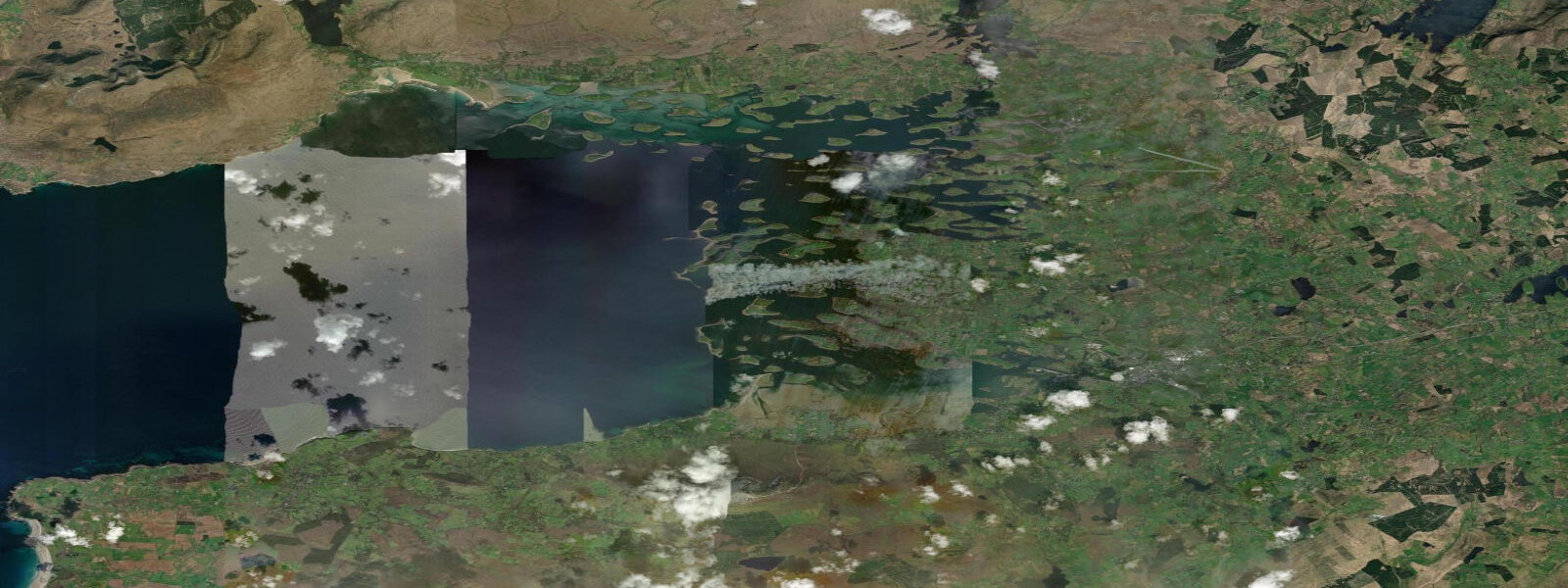
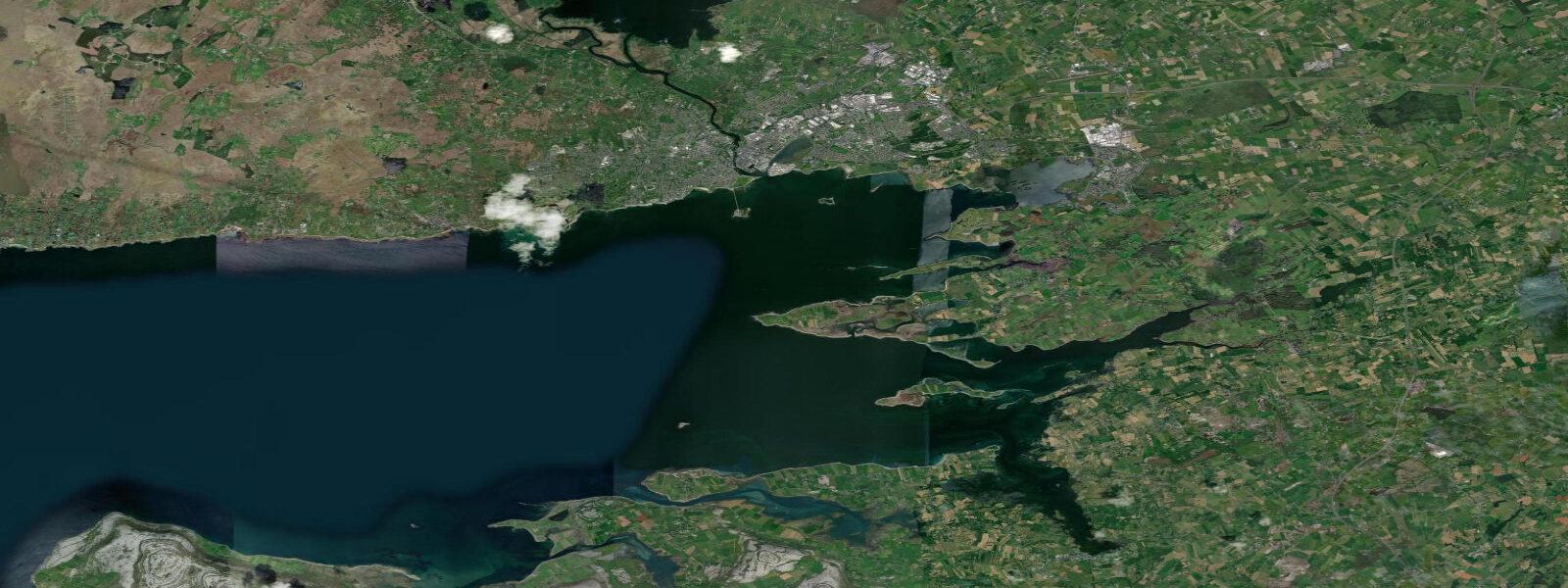
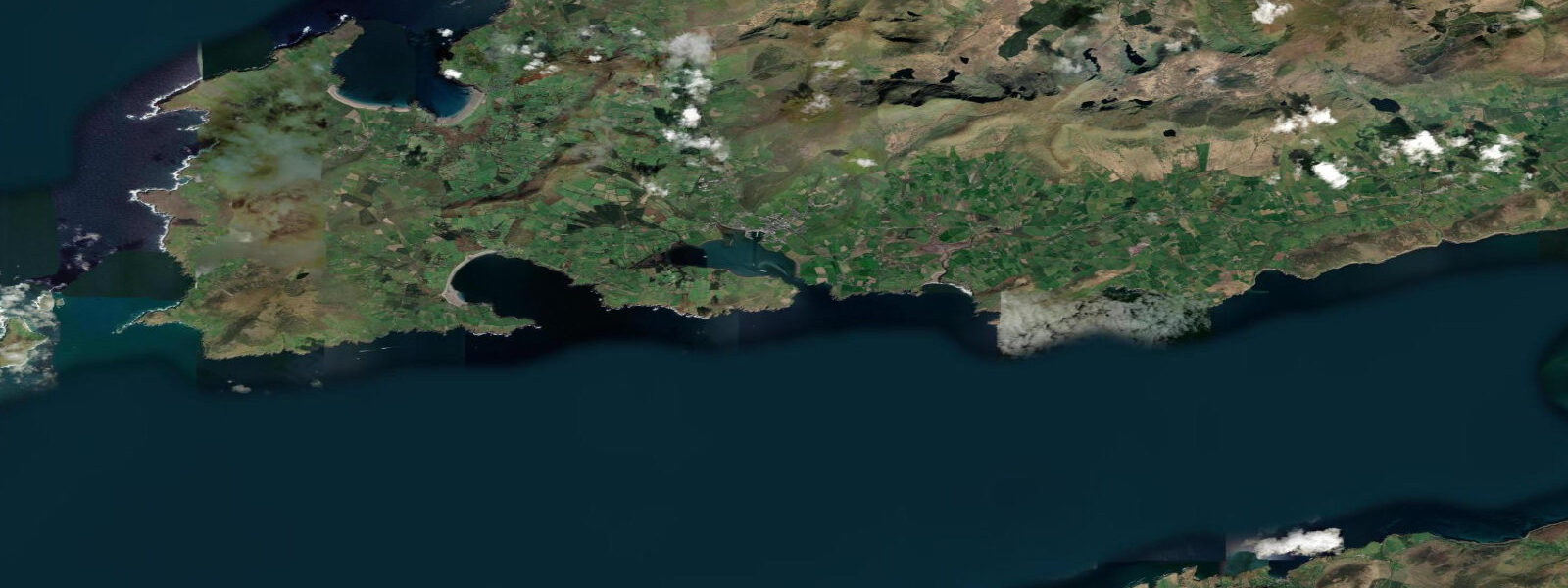
The three closest curated TideTurtle locations to Clifden, measured by great-circle distance.
Today's solunar windows
Solunar tradition: major periods are the ≈3h windows around moon transit and opposition; minor are ≈2h around moonrise and moonset. Pair with the local tide stage and wind for the best read.
Cycle dates near Clifden
Last spring tide on Tue 04 Aug (range 3.2m). Next spring tide on Mon 10 Aug (range 3.1m). Next neap on Sat 08 Aug.
Spring tides cluster around new and full moons (biggest swings). Neap tides land on quarter moons (smallest swings). See the spring tide and neap tide glossary entries for the why.
About tides at Clifden
A short guide to the coastline at Clifden — geography, sea state, and what the tide is actually doing under your feet.
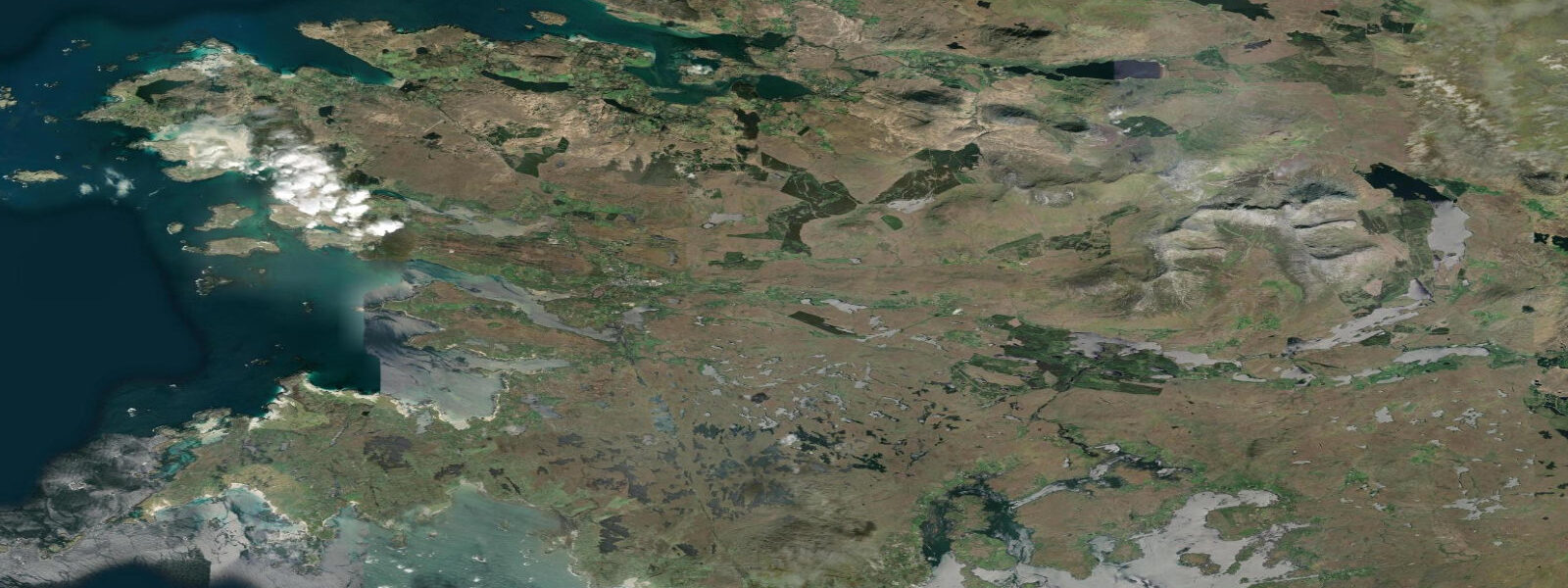
Clifden is the main town of Connemara, set at the head of Clifden Bay where the Owenglin River meets the sea through a shallow, peat-stained estuary. The town sits slightly inland, its two church spires visible from the water as a landmark approach bearing. The coastline here is granite rather than limestone — older, rougher, darker — and the surrounding bogland gives the water a characteristic brownish tint on the ebb.
Mean spring tidal range in Clifden Bay is approximately 3.5 metres above LAT; neap range around 1.7 metres. The bay is shallow and dries extensively at low water. At low-water springs, the inner bay is largely mud and stone, with the remaining channel narrowing to a thread running down the middle. Traditional Connemara turf boats — flat-bottomed, designed to take the ground — once worked this estuary regularly; at low tide, the outlines of stranded or abandoned peat lighters are occasionally visible on the foreshore flats. The flood builds from the southwest, pushing into the bay entrance and then northeast toward town; the ebb runs the reverse.
Looking east from the water, the Twelve Bens (Na Beanna Beola) are the visual anchor — a compact range of quartzite peaks, the highest being Benbaun at 729 metres, forming a jagged skyline above the bog. The mountains collect weather quickly; cloud often sits over the peaks hours before conditions deteriorate at sea level.
The approach to Clifden from seaward passes through the Clifden Bay entrance between Cleggan Head and Clifden Castle Point — a navigable passage at half-tide and above for modest-draught vessels, but requiring careful attention to the drying rock patches in the outer bay. The UKHO small-craft chart for this area (SC5621 Connacht and Connaught Coast) and Imray's Irish west coast pilot give detailed entry bearings.
For sea kayakers and SUP paddlers, the outer shores of the bay and the nearby Cleggan Bay and Ballynakill Harbour offer exceptional paddling with minimal tidal risk in settled conditions. Whale and dolphin sightings — minke, common dolphin, occasionally humpback — are regular in the offshore approaches through summer and autumn.
Open-Meteo Marine predictions carry ±45-minute timing and ±0.2–0.3-metre height uncertainty. Marine Institute Ireland and UKHO publications are the authoritative references for navigation in Clifden Bay.
Tide questions about Clifden
Quick answers to the most common questions about tide times, range, and water access at Clifden.
Does Clifden Bay dry out at low tide?
Yes, extensively. At low-water springs, the inner half of Clifden Bay is largely exposed — mud, rock, and weed — with a narrow navigable channel running down the centre. The drying extent at neaps is considerably less but the bay remains very shallow throughout. Any vessel attempting to reach the town quay should arrive within two hours of high water and be prepared to remain until the next tide allows departure. Local knowledge and a current Admiralty chart are essential for first-time arrivals.
What is the tidal range at Clifden?
Mean spring tidal range in Clifden Bay is approximately 3.5 metres above LAT; mean neap range around 1.7 metres. Tides are semidiurnal — two highs and two lows per day. Given the shallow, drying nature of the bay, the actual time between navigable water (say, 1.5 metres in the channel) and low water is shorter than the raw range figure suggests — the bay empties quickly once the tide turns on the ebb.
What can I see from the water at Clifden?
The Twelve Bens dominate the eastern skyline — a compact quartzite range with Benbaun (729 m) the highest summit, typically snow-capped from November to March. The Clifden Castle ruins (former seat of the D'Arcy family who founded the town) are visible on the western headland above the bay entrance. On the foreshore near low water, the remains of old peat lighters and traditional Connemara workboats can occasionally be spotted on the intertidal flats. To the northwest, the Cleggan Peninsula and Omey Island (tidal, accessible by a sandbar on foot at low tide) are within day-trip range.
Is sea kayaking and SUP suitable around Clifden Bay?
Clifden Bay and the adjacent Cleggan Bay are excellent for sea kayaking and SUP in settled conditions. The outer bay offers rocky coastline, sea caves, and island exploration accessible from a launch at Clifden town pier or the slip at Cleggan village. Tidal currents within the enclosed bays are modest — under 1 knot — but the exposed headlands (particularly Cleggan Head) accelerate the stream on springs. Check weather carefully: Connemara weather can change fast, and the Twelve Bens cloud over hours before conditions deteriorate at sea level.
How reliable are the Clifden tide times on this site?
Tide predictions for Clifden on TideTurtle come from Open-Meteo Marine model output. Forecast uncertainty is approximately ±45 minutes on timing and ±0.2–0.3 metres on height. For a shallow, extensively drying bay like Clifden, that height uncertainty is proportionally more significant — 0.3 metres of error on a predicted 1.2-metre depth in the channel represents a 25% margin. For vessel entry and departure, treat predictions as guidance only and cross-check against Marine Institute Ireland tide tables or UKHO publications. This site does not replace official nautical charts or pilotage guides.
8-day tide table — Clifden
Heights relative to MSL. Predictions: Open-Meteo Marine (MeteoFrance SMOC, 0.08° grid) — heights relative to MSL (not chart datum / LAT). Model-derived.
| Day | Type | Time | Height |
|---|---|---|---|
| Tue 04 Aug | High | 01:00 | -1.2m |
| Low | 02:56 | -2.0m | |
| High | 09:11 | 1.2m | |
| Low | 15:14 | -1.7m | |
| High | 21:23 | 1.1m | |
| Wed 05 Aug | Low | 03:40 | -2.0m |
| High | 09:57 | 0.8m | |
| Low | 16:04 | -1.7m | |
| High | 22:14 | 0.7m | |
| Thu 06 Aug | Low | 17:01 | -1.5m |
| High | 23:16 | 0.6m | |
| Fri 07 Aug | Low | 05:32 | -1.5m |
| High | 11:59 | 0.7m | |
| Low | 18:13 | -1.3m | |
| Sat 08 Aug | High | 00:37 | 0.6m |
| Low | 06:48 | -1.2m | |
| High | 13:15 | 0.8m | |
| Low | 19:37 | -1.3m | |
| Sun 09 Aug | High | 02:02 | 0.6m |
| Low | 08:09 | -1.3m | |
| High | 14:36 | 0.9m | |
| Low | 21:00 | -1.6m | |
| Mon 10 Aug | High | 03:20 | 0.8m |
| Low | 09:20 | -1.6m | |
| High | 15:41 | 1.1m | |
| Low | 22:03 | -2.0m | |
| Tue 11 Aug | High | 00:00 | -1.4m |