Pasabandar tide times
Pasabandar tide forecast — heights relative to MSL.
Tide chart for Pasabandar
24-hour cosine-interpolated curve around the present moment. Heights relative to MSL. Predictions: Predictions: Open-Meteo Marine (MeteoFrance SMOC, 0.08° grid).
Sun, moon and conditions on Tue 04 Aug
Snapshot at build time — refreshes daily. Sea state from Open-Meteo Marine.
Highs and lows next 7 days
Every predicted high and low for the next week, with the daily tidal coefficient (0–120; higher = bigger swing, > 95 means stronger currents).
Other spots nearby
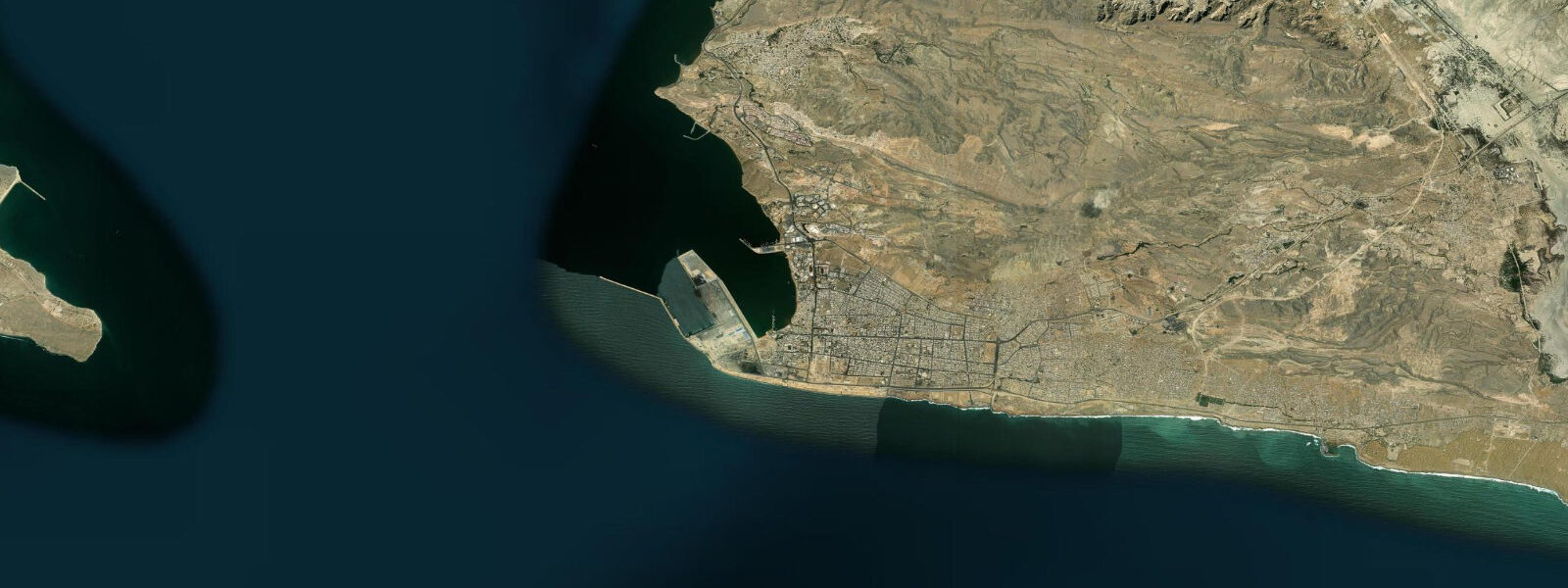
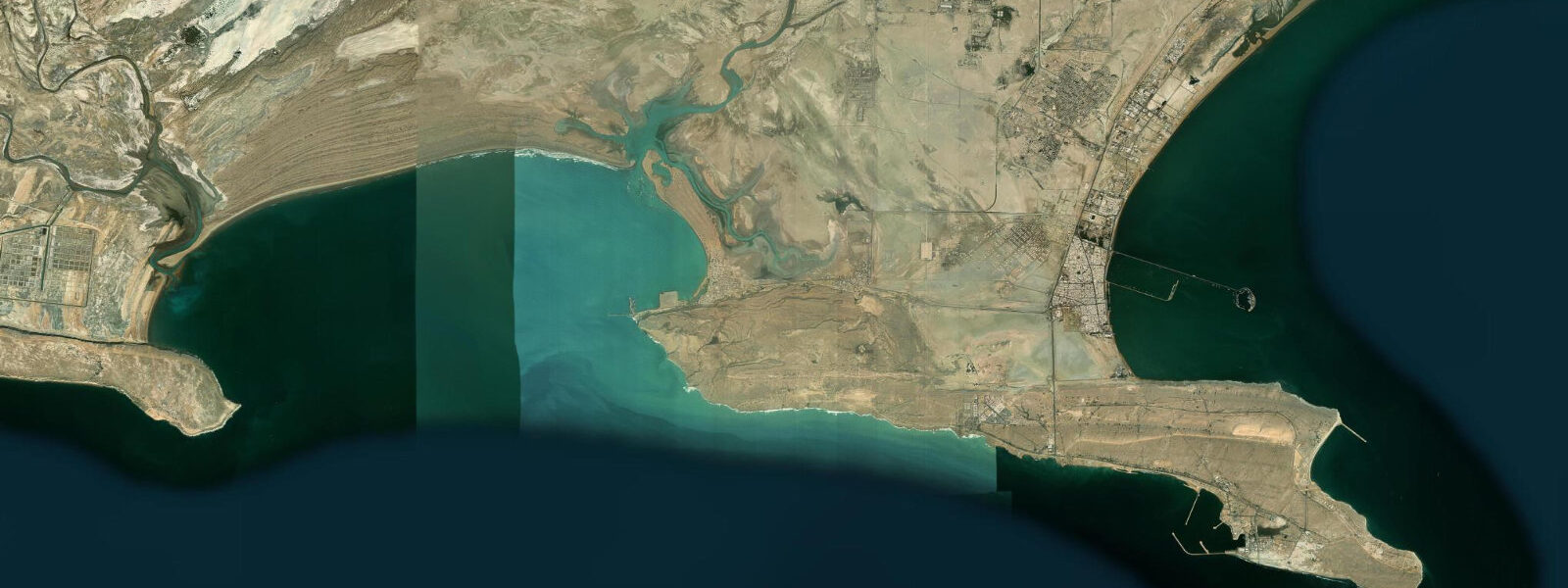
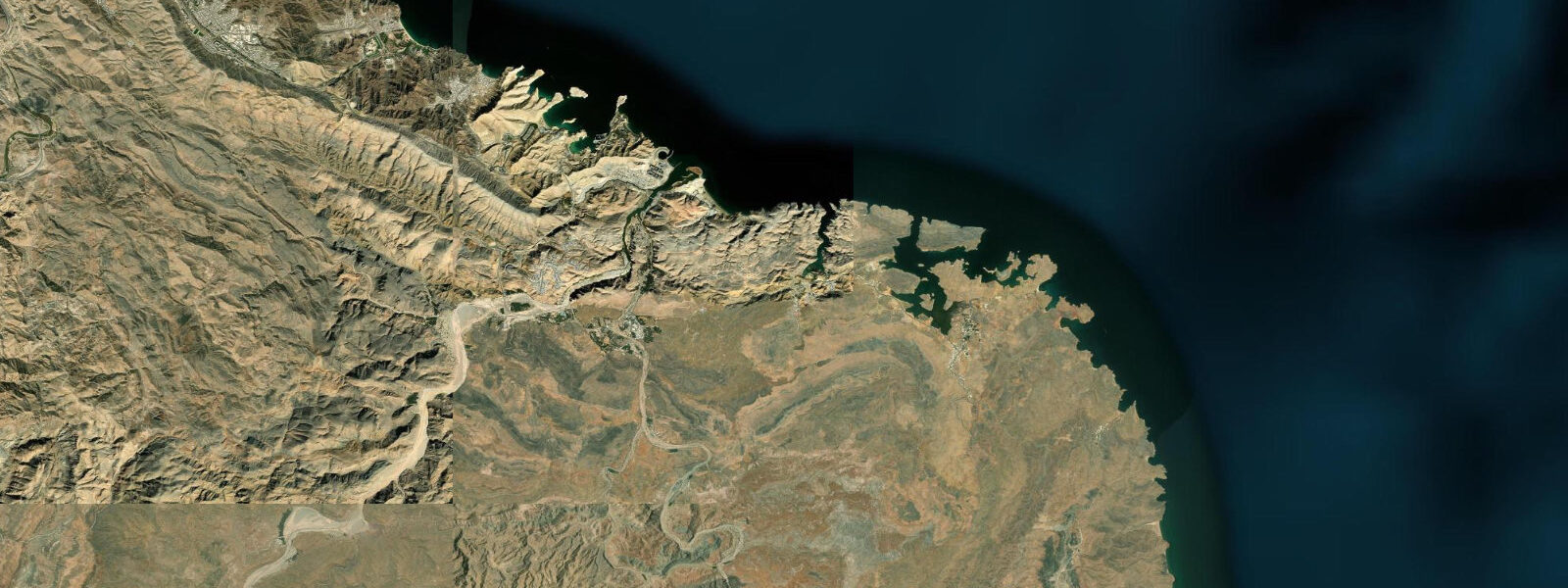
The three closest curated TideTurtle locations to Pasabandar, measured by great-circle distance.
Today's solunar windows
Solunar tradition: major periods are the ≈3h windows around moon transit and opposition; minor are ≈2h around moonrise and moonset. Pair with the local tide stage and wind for the best read.
About tides at Pasabandar
A short guide to the coastline at Pasabandar — geography, sea state, and what the tide is actually doing under your feet.
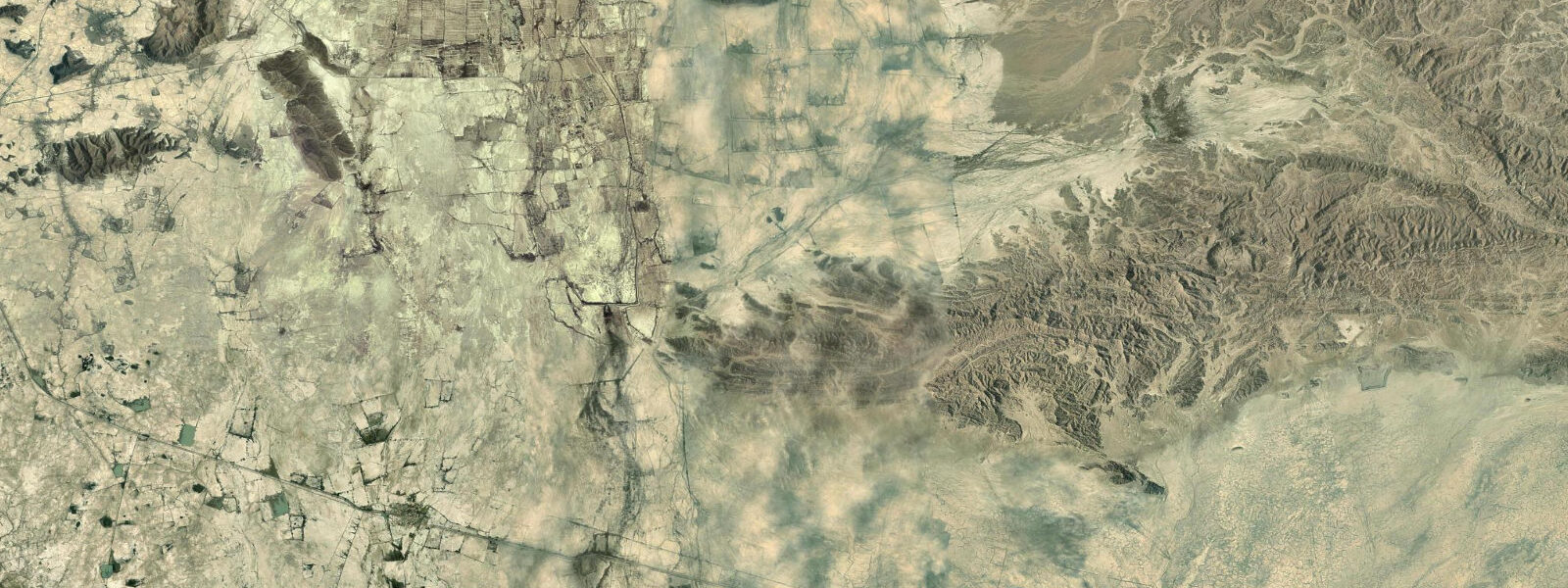
Pasabandar is a coastal fishing village on the Makran coast of southeastern Iran, roughly 80 kilometres east of Chabahar and close to the Pakistani border. The Makran is one of the least-visited coastlines in the world — a 1,000-kilometre arc of desert meeting the Sea of Oman, characterised by eroded mud cliffs, sandy beaches, and a deep blue sea that drops rapidly offshore. Pasabandar, as one of the easternmost settlements on the Iranian Makran coast, occupies this geological fringe.
The coastal morphology around Pasabandar is shaped by uplift: the Makran coast is tectonically active, part of the zone where the Arabian Plate subducts under the Eurasian/Iranian plate. The result is a coast that has been progressively raised, with marine terraces — old beach platforms now above sea level — visible in the hillsides behind the village. The 1945 Makran tsunami, one of the few tsunamis generated in the northwest Indian Ocean, originated in a subduction-zone earthquake approximately 100 kilometres offshore; Pasabandar and adjacent areas were affected. The seismic and tsunami context is a background factor in any coastal activity planning on the Makran.
Tide predictions for Pasabandar use Open-Meteo Marine's global model. Timing accuracy ±45 minutes, height accuracy ±0.2 to 0.3 metres. The Sea of Oman at this location has mixed semidiurnal tides with spring range of approximately 2.5 to 3.5 metres — macrotidal by Indian Ocean standards. The tidal range and the tidal flat exposure are the dominant factors in daily fishing and boat access. At low spring tide, the beach in front of the village extends substantially; at high water, the boats are floating and the beach is narrow.
Fishing is the primary economy. The catch at Pasabandar includes sardines (the main volume species, landed by purse-seine nets), kingfish (the most commercially valuable), and grouper from the deeper rocky habitat. The sardine fishery operates primarily at night, using light-attracting methods to concentrate schools; boats return at dawn on the incoming tide. Kingfish trolling runs during the day, targeting the species along the thermocline edge that runs roughly 15 to 20 kilometres offshore.
The Makran coast has received infrastructure investment from the Iranian government centred on Chabahar, which is a free-trade zone and deep-water port project. The road east from Chabahar toward the Pakistan border passes through Pasabandar; the coastal highway that connects to the Pakistani side (eventually) is a relatively recent development. Before the road, the Makran villages were connected primarily by sea.
The monsoon fundamentally affects the Sea of Oman: the southwest monsoon (June through September) drives heavy swells from the Arabian Sea into the Sea of Oman, making coastal access difficult and offshore fishing hazardous. May and October are transition months with variable conditions. The most settled seas are November through April; this is the practical fishing and visiting season.
The Makran coastal highway that connects Chabahar eastward to Gwadar (Pakistan) passes through Pasabandar; this road, completed in recent years on the Iranian side, is one of the newest road connections on the entire Makran coast. Before the road, each Makran village was effectively isolated from its neighbours except by sea, and the coastal boat was the primary transport and supply chain. The transition from sea-based to road-based logistics over the last two decades has changed the economic structure of communities like Pasabandar significantly — goods that formerly came by boat now come by road, and catches that formerly had to be dried or processed locally for transport can now be iced and trucked to Chabahar.
The marine terrace geology visible in the hillsides behind Pasabandar records multiple episodes of tectonic uplift. The oldest terraces, at the highest elevation, date to the Pleistocene; the lowest, barely above current sea level, formed in the Holocene. Each terrace represents a period when that elevation was the shoreline. The current coastline is the latest iteration in a sequence of progressive coastal emergence. Geologists use the terrace sequence to calculate historical uplift rates of the Makran coast — currently estimated at 1 to 3 millimetres per year at this latitude.
The night sky at Pasabandar is extraordinary by any standard. The isolation from urban light pollution, the dry desert air, and the high elevation of the atmosphere above the Indian Ocean give visibility of the Milky Way and fainter star fields that is difficult to achieve elsewhere. The beach at Pasabandar, lit only by stars and the occasional fishing boat light, is one of the darker accessible coastal locations in the northwestern Indian Ocean.
Tide questions about Pasabandar
Quick answers to the most common questions about tide times, range, and water access at Pasabandar.
What is the tidal range at Pasabandar?
Pasabandar is on the Makran coast of the Sea of Oman, where mixed semidiurnal tides produce a spring range of approximately 2.5 to 3.5 metres — macrotidal for this part of the Indian Ocean. Neap range drops to around 0.8 to 1.5 metres. Tide predictions here come from Open-Meteo Marine's global model, with ±45 minutes timing accuracy and ±0.2 to 0.3 metres height accuracy. The large tidal range significantly affects beach width and boat access: the difference between high and low water on a spring tide can expose 200 to 400 metres of sand flat in front of the village.
Is it safe to visit Pasabandar given its proximity to the Pakistan border?
Pasabandar is in Sistan and Baluchestan Province, close to the Pakistan border. This province has a history of security incidents related to drug trafficking routes and armed groups operating in the border zone. The Iranian authorities maintain a security presence on the Makran coastal road, and foreign visitors require permits to travel in this province. Check current travel advisories from your government before planning a visit. When conditions permit, the Chabahar free-trade zone is the entry point for foreign visitors to the Iranian Makran; travel east of Chabahar requires additional coordination with Iranian authorities.
What fish are caught at Pasabandar?
The Sea of Oman off Pasabandar supports a productive fishery. Sardines are the main volume species, caught by purse-seine at night using light attractors; the fleet lands at dawn. Indo-Pacific king mackerel (kingfish) is the highest-value species, taken by trolling along the thermocline edge 15 to 20 kilometres offshore. Grouper and snapper are caught on handlines and longlines over rocky bottom. The Sea of Oman also supports yellowfin tuna, wahoo, and sailfish in the offshore zone; sportfishing for these species is done primarily from Chabahar-based operators. The monsoon season (June to September) halts most offshore fishing due to swell.
What was the 1945 Makran tsunami?
On November 27, 1945, a magnitude 8.1 earthquake struck the Makran subduction zone approximately 100 kilometres south of the coast. The earthquake generated a tsunami that struck the Makran coast within 30 to 60 minutes, with wave heights of 12 to 15 metres reported at some locations on the Iranian and Pakistani coasts. An estimated 4,000 people were killed across the region. The 1945 event remains the most significant historical tsunami in the northwest Indian Ocean and is the basis for current tsunami warning protocols in the Arabian Sea region. Coastal communities on the Makran, including Pasabandar, are within the inundation zone modelled for a repeat event.
When is the best time to visit the Makran coast?
November through April is the settled season on the Makran coast. The southwest monsoon (June through September) drives heavy swells from the Arabian Sea into the Sea of Oman, making coastal boat access hazardous and significantly reducing fishing activity. October and May are transition months with variable conditions. The November through February period gives cooler air temperatures (25 to 30°C) and the calmest sea conditions. December through February can see moderate northwest wind events that create short chop, but these are mild compared to the monsoon swell. The sardine run and kingfish season peak from December through March.
0-day tide table — Pasabandar
Heights relative to MSL. Predictions: Open-Meteo Marine (MeteoFrance SMOC, 0.08° grid) — heights relative to MSL (not chart datum / LAT). Model-derived.
| Day | Type | Time | Height |
|---|